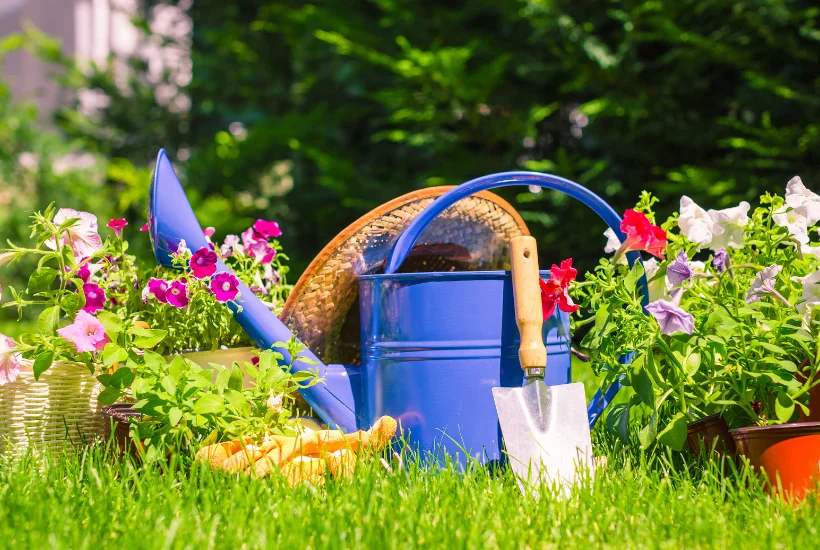
There is something quietly satisfying about a well-kept garden path, a sun-warmed patio, or a tidy border framing your favorite blooms. We tend to notice the beauty first, but the effort behind it matters just as much. For many home-focused creators and curators, the goal is a space that feels intentional and inviting, without relying on harsh chemicals that disrupt the natural rhythm of the home and garden.
That is where natural herbicides step in. Thoughtful, effective, and refreshingly simple, these plant-based solutions offer a way to manage weeds while staying aligned with a more mindful lifestyle. With just a few pantry staples and a bit of intention, you can create herbicides that work beautifully and fit seamlessly into everyday living.
Why Choose Natural Herbicides for Your Home Garden
The appeal of natural herbicides goes beyond the garden bed. They are safer for pets, gentler on soil, and often far more affordable than store-bought alternatives. For households that value sustainability and wellness, these solutions feel like an extension of a curated home life rather than a compromise.
Natural options also allow for precision. Instead of blanketing your yard with chemicals, you can target problem areas thoughtfully, preserving the plants you love while addressing the ones you do not.
1. Vinegar and Salt Spray for Driveways and Walkways
Why It Works
Vinegar contains acetic acid, which draws moisture out of weeds and causes them to wilt quickly. When combined with salt, it becomes especially effective for hard surfaces where you want long-lasting results.
How to Make It
Mix:
- 1 gallon of white vinegar
- 1 cup of salt
- 1 tablespoon of liquid dish soap
Stir until the salt dissolves completely. Pour into a spray bottle for easy application.
Best Uses and Tips
This is one of the most powerful natural herbicides for cracks in pavement, gravel paths, and stone walkways. Apply on a sunny day for best results. Avoid spraying near garden beds, as salt can affect soil health over time.
2. Boiling Water for Quick and Simple Weed Control
Why It Works
Sometimes the simplest solutions are the most effective. Boiling water destroys weeds by breaking down their cell structure instantly.
How to Use It Safely
Bring a pot or kettle of water to a rolling boil. Carefully pour the water directly onto weeds, aiming at the base.
Best Uses and Tips
This method is ideal for small areas and spontaneous touch-ups. It is especially effective for young weeds and is one of the most accessible natural herbicides available. Always wear closed-toe shoes and pour slowly to avoid splashing.
3. Lemon Juice and Vinegar Citrus Spray
Why It Works
Citric acid weakens weeds by disrupting their internal processes. Combined with vinegar, it creates a fast-acting solution that feels as fresh as it is effective.
How to Make It
Mix:
- 1 cup lemon juice
- 1 cup white vinegar
- 1 tablespoon dish soap
Transfer to a spray bottle and shake gently.
Best Uses and Tips
This blend works beautifully on weeds in decorative gravel or along fence lines. It is another Natural Herbicide best used in sunny conditions. The scent is bright and clean, making it a favorite for home gardeners who value sensory details.
4. Rubbing Alcohol Spray for Stubborn Growth
Why It Works
Rubbing alcohol removes the protective outer layer of plant leaves, causing rapid dehydration.
How to Make It
Mix:
- 2 tablespoons rubbing alcohol
- 1 quart of water
Pour into a spray bottle and label clearly.
Best Uses and Tips
This is one of the more targeted natural herbicides, ideal for spot treating stubborn weeds that resist other methods. Spray lightly and directly onto leaves. Avoid overuse, as it can impact surrounding plants if oversprayed.
5. Cornmeal as a Natural Pre-Emergent
Why It Works
Cornmeal prevents weed seeds from germinating, making it an excellent preventative option rather than a cure.
How to Use It
Sprinkle cornmeal evenly over the soil where weeds typically appear. Water lightly to help it settle.
Best Uses and Tips
This method works best in early spring or fall before weeds take hold. Among natural herbicides, cornmeal stands out for its long-term benefits and soil-friendly nature. It pairs beautifully with intentional garden planning.
How to Use Natural Herbicides Thoughtfully
Natural does not mean careless. Even natural herbicides should be applied with purpose and awareness.
Timing Matters
Most natural solutions work best on sunny, dry days. Sunlight amplifies their effectiveness and helps ensure weeds do not recover.
Spot Treatment Is Key
Avoid broad spraying. Target only the weeds you want to remove to protect nearby plants and soil health.
Consistency Creates Results
Natural methods may require repeated applications. Think of it as ongoing care rather than a one-time fix, similar to tending a home interior.
Safety and Environmental Considerations
While natural herbicides are gentler, they still deserve respect. Wear gloves when handling vinegar or alcohol based sprays. Store mixtures clearly labeled and out of reach of children and pets.
Be mindful of runoff, especially near lawns or garden beds you wish to preserve. The goal is harmony, not collateral damage.
Creating a Garden That Reflects Your Values
A garden is an extension of the home. Choosing natural herbicides aligns weed control with a broader lifestyle philosophy rooted in care, creativity, and intention. These solutions allow you to maintain beauty without sacrificing your standards.
They also invite a slower, more mindful approach. Mixing a spray, choosing the right moment, and tending to small details becomes part of the pleasure, not just the task.
Thoughtful Choices, Beautiful Results
Natural herbicides offer a way to care for your outdoor spaces with confidence and conscience. From vinegar sprays to cornmeal prevention, each method provides practical results while honoring a more intentional way of living.
Choose one approach to try this week and observe how it fits into your routine. With a little patience and purpose, your garden can become a reflection of the same thoughtful curation you bring to every corner of your home.
Related Posts:
Related posts:
30+ DIY Thanksgiving Decor Ideas To Wow Your Guests
Stylish Solutions: 20+ DIY Vanity Bathroom Ideas
Suit Up: 15 DIY Superhero Costume Ideas
20 Crochet Coaster Patterns To Make Your Home Feel Extra Cozy
Study Smarter: 15+ DIY Study Games For Kids
20+ DIY Surprise Gift Ideas To Make Your Mom Feel Extra Special

- Free Printable Halloween Party Games and Coloring Pages - October 18, 2026
- Slow Cooker Fall Dinners: 14 Cozy Recipes - October 18, 2026
- Ghost Brownies and Halloween Desserts: 12 Cute Ideas - October 18, 2026

Leave a Reply