
Imagine stepping into your backyard and feeling a sense of calm wash over you as birds flit between the trees, butterflies hover over vibrant blooms, and the air carries the subtle, earthy scent of rich soil. Your garden isn’t just a decorative space—it’s a thriving ecosystem that nurtures life, restores the earth, and rewards you with abundance. Welcome to the world of regenerative gardening, where every seed you plant contributes to a cycle of giving back.
In recent years, more homeowners and lifestyle enthusiasts are embracing this holistic approach, transforming their gardens from mere aesthetic landscapes into living, breathing contributors to environmental health. Regenerative gardening is about more than growing vegetables or flowers—it’s about creating a resilient, self-sustaining system that benefits your garden, your home, and the planet.
What Is Regenerative Gardening?
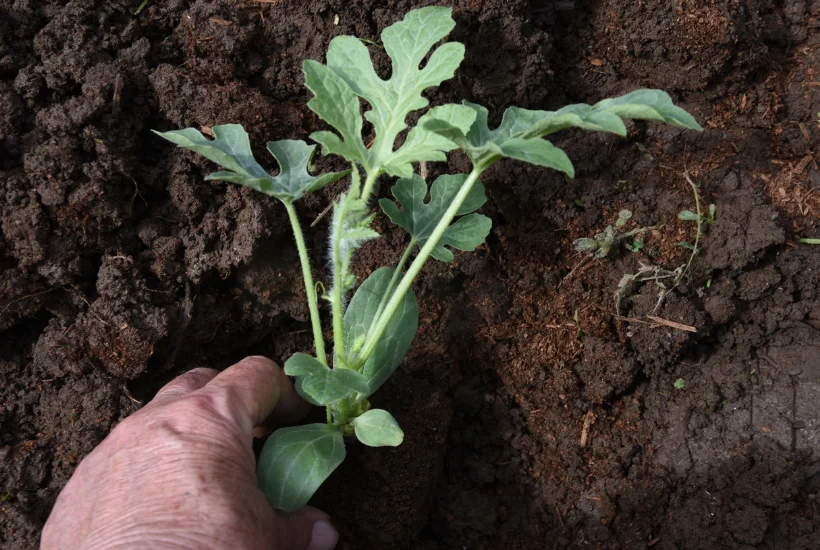
At its core, regenerative gardening is a philosophy as much as a practice. Unlike conventional gardening, which often focuses on output alone, regenerative gardening prioritizes the long-term health of soil, plants, and surrounding ecosystems. By nourishing the earth instead of depleting it, gardeners can create spaces that are both productive and restorative.
Some key principles of regenerative gardening include:
-
Soil Health: Building soil fertility naturally through composting, cover cropping, and minimal disturbance. Healthy soil equals healthier plants.
-
Biodiversity: Encouraging a mix of plants, flowers, and trees to attract beneficial insects, birds, and pollinators.
-
Water Management: Conserving and capturing water through techniques like rain gardens, swales, and mulching.
-
Carbon Sequestration: Using plants to absorb carbon dioxide, enriching the soil and combating climate change.
The beauty of regenerative gardening is that it aligns environmental stewardship with personal reward. A garden that gives back doesn’t just look beautiful—it feels purposeful.
Why Homeowners Are Embracing Regenerative Practices
Modern living often emphasizes efficiency and aesthetics, but regenerative gardening invites us to slow down and reconnect with the cycles of nature. It appeals to home-centric creators because it marries creativity with care. Your garden becomes a canvas for design, a laboratory for experimentation, and a sanctuary for well-being.
For those who love growing their own food, regenerative practices offer a tangible bonus: nutrient-dense harvests. By improving the soil naturally and supporting a balanced ecosystem, your fruits, vegetables, and herbs will be healthier and more flavorful. Moreover, regenerative gardens require less chemical intervention, making them safer for families and pets.
Beyond food, regenerative gardening fosters mindfulness and presence. Tending a garden that restores the earth can be a meditative act, offering quiet satisfaction in knowing your small efforts ripple outward, benefiting wildlife and the environment.
Getting Started: Transforming Your Garden
Starting your regenerative garden may feel intimidating, but the process can be simple, joyful, and deeply rewarding. Here’s how to approach it with confidence.
Assess Your Space
Before planting, observe your garden’s natural patterns. Take note of sunlight, shade, drainage, and existing plant life. Understanding your garden’s conditions will guide you in choosing plants that thrive naturally, reducing the need for intensive maintenance.
Build Healthy Soil
Healthy soil is the foundation of regenerative gardening. Composting kitchen scraps and garden waste is an easy, effective way to create nutrient-rich soil. Consider adding organic matter like leaf mold, aged manure, or biochar to improve texture and water retention. Rotating crops and using cover crops, such as clover or rye, can replenish nutrients while preventing soil erosion.
Plant for Biodiversity
Diversity is key to a resilient garden. Mix native plants with vegetables, herbs, and flowers to attract pollinators and beneficial insects. Companion planting—like tomatoes with basil or carrots with onions—can naturally deter pests, reducing the need for synthetic solutions. Pollinator-friendly plants, including lavender, echinacea, and milkweed, support bees and butterflies, helping your garden flourish while contributing to local ecosystems.
Conserve Water Naturally
Water is a precious resource, and regenerative gardening encourages thoughtful management. Mulching around plants helps retain moisture and suppress weeds. Installing a rain barrel or creating a small swale allows you to capture and direct rainfall efficiently. Drip irrigation systems provide targeted hydration, reducing waste and promoting deeper root growth.
Minimize Disturbance
Avoid heavy tilling, which can disrupt soil structure and harm beneficial microorganisms. Instead, practice no-dig gardening or lightly aerate the soil as needed. Layering organic materials and mulch can suppress weeds while nurturing the soil naturally. Over time, this approach encourages a thriving soil microbiome that sustains plant life with minimal intervention.
Regenerative Gardening in Everyday Life
Incorporating regenerative principles doesn’t require a complete garden overhaul. Even small changes can make a meaningful impact. For apartment dwellers or those with limited outdoor space, container gardens with composting and water-saving techniques offer a microcosm of regenerative benefits. Rooftop gardens, balcony herb patches, and community garden plots can all embrace these practices.
The lifestyle benefits extend beyond the garden itself. Regenerative gardening inspires mindful living at home—meals with fresh, nutrient-dense ingredients, eco-conscious choices, and a deeper connection to nature. It can also become a source of creativity and joy, whether designing a layered perennial border, crafting natural fertilizer from kitchen scraps, or photographing the wildlife your garden attracts.
Seasonal Practices
Adapt your regenerative strategies to the seasons. In spring, focus on planting cover crops and enriching the soil. Summer is prime for mulching, harvesting, and observing pollinators. Fall offers a chance to compost fallen leaves and prepare beds for winter. Even in winter, you can plan crop rotations and sow cover crops to ensure your garden thrives year-round.
The Community Connection
Regenerative gardening can also foster a sense of community. Sharing surplus produce, hosting garden tours, or engaging neighbors in composting initiatives spreads knowledge and strengthens connections. When more homes embrace regenerative practices, the collective impact on local ecosystems becomes profound.
Tips from Experienced Gardeners
To help you cultivate a garden that truly gives back, here are some tried-and-true tips:
-
Rotate crops each season to maintain soil fertility.
-
Keep a journal to track plant growth, weather patterns, and soil conditions.
-
Observe nature carefully; beneficial insects and native birds often indicate a healthy garden.
-
Avoid chemical pesticides and herbicides; embrace natural alternatives and companion planting.
-
Celebrate small victories—vibrant blooms, thriving soil, and healthy harvests are all signs your garden is on the right track.
Even incremental steps—like adding a small compost bin or planting a pollinator-friendly flower—contribute to a regenerative system over time.
Regenerative Gardening as a Lifestyle
Ultimately, regenerative gardening is more than a method—it’s a mindset. It invites you to see your outdoor space as a partner rather than a project, rewarding patience, care, and observation. By nurturing the soil, supporting biodiversity, and conserving resources, you create a garden that not only sustains life but also enriches it. The sense of purpose and beauty that emerges from these gardens reflects in the spaces we inhabit, the meals we prepare, and the moments we share.
For lifestyle enthusiasts, this approach aligns with broader aspirations: living intentionally, fostering beauty and well-being, and contributing positively to the world around us. Your garden becomes a living testament to these values, a place where creativity, sustainability, and joy intersect.
Conclusion
Regenerative gardening transforms your backyard into more than a scenic retreat—it becomes a thriving, giving ecosystem. By prioritizing soil health, biodiversity, water conservation, and mindful planting, you cultivate a garden that nourishes life while rewarding you with beauty, abundance, and peace of mind.
Start small, observe thoughtfully, and experiment creatively. Each step you take toward regenerative gardening enriches not only your space but also your daily life and the world beyond. Embrace this journey, and watch your garden—and your connection to nature—flourish in ways that inspire, sustain, and give back.
Related Posts:

- Free Printable Halloween Party Games and Coloring Pages - October 18, 2026
- Slow Cooker Fall Dinners: 14 Cozy Recipes - October 18, 2026
- Ghost Brownies and Halloween Desserts: 12 Cute Ideas - October 18, 2026

Leave a Reply