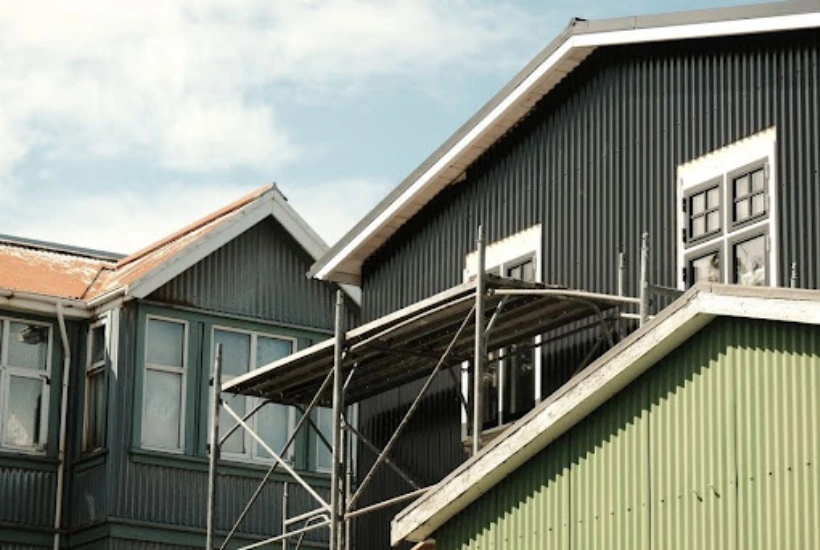
Your home’s exterior is easy to think about in terms of appearance, but it has a much bigger job. Roofing, siding, windows, gutters, and trim work together to manage rain, wind, temperature changes, and everyday exposure to the elements. When one part begins to fail, the effects can eventually show up somewhere else.
That is why a successful exterior upgrade usually begins long before you start comparing colors and materials. Understanding what needs attention, deciding what matters most, and considering how different improvements work together can help you avoid expensive changes that look great initially but create problems later.
Start With What Your Home Is Telling You
Before deciding what to replace, spend some time looking carefully at what is already there.
Cracked or warped siding, missing shingles, peeling trim, sagging gutters, soft wood, water stains, and noticeable drafts can all provide clues about where the exterior is beginning to struggle. Some issues may be cosmetic, while others can point to moisture or weather-protection problems that deserve attention first.
Take photos as you walk around the property and note anything that looks unusual. You do not need to diagnose every problem yourself. The goal is simply to understand the condition of the exterior before conversations about materials and pricing begin.
Water management deserves particular attention. Gutters and downspouts, for example, are designed to move rainwater away from the house; when they are damaged or clogged, water can affect siding, landscaping, and the foundation.
A beautiful upgrade is much less satisfying when an overlooked moisture problem is quietly developing behind it.
Think of the Exterior as One System
Roofing, siding, windows, trim, flashing, and gutters may look like separate projects, but they interact constantly.
Water leaving the roof needs to reach the gutters and move safely away. Openings around windows and doors need proper flashing and moisture protection. Siding needs the correct layers behind it so that any water that gets past the exterior surface has a way to drain rather than becoming trapped inside the wall.
That broader perspective is useful when working with a residential exterior contractor. A contractor who handles roofing, siding, windows, doors, and gutters can help homeowners consider how individual improvements fit into the condition and performance of the overall exterior.
This does not mean everything needs to be replaced at once. In many cases, the smarter decision is figuring out which improvement should happen first and whether completing it will affect work planned for later.
Decide What Matters Before Deciding What to Spend
A budget becomes much more useful once you understand your priorities.
Start with problems that can allow water into the structure or cause damage to spread. Structural concerns and deteriorated materials generally deserve attention before purely decorative changes. After those needs are understood, you can consider energy performance, maintenance, and appearance.
This approach can also prevent unnecessary project creep. Discovering worn siding does not automatically mean the roof, windows, and gutters all need replacement at the same time.
Instead, divide the project into what needs attention now, what would be beneficial soon, and what is mainly an aesthetic preference. Then request estimates based on that scope.
It is much easier to compare proposals when every contractor is pricing roughly the same work.
Choose Materials for the Life You Actually Live
Exterior materials look remarkably cooperative in samples. Real weather is where their personalities appear.
Some options require periodic painting or staining. Others reduce routine maintenance but may have different repair considerations. Materials can also vary in how they handle moisture, impact, temperature changes, and long-term exposure.
Before choosing, think about how much maintenance you realistically want to perform five or ten years from now.
For siding in particular, it helps to compare materials based on durability, maintenance, installation, and appearance rather than choosing entirely from a small showroom sample.
Energy performance may also belong in the conversation. For example, insulated siding can provide continuous insulation and reduce thermal bridging through wall framing. The practical value will depend on the existing wall assembly and the rest of the project, so it should be considered as part of the whole system rather than as a stand-alone promise.
The best material is rarely the one with the longest list of selling points. It is the one whose trade-offs make sense for your home and the amount of upkeep you are willing to take on.
Look Behind the Surface
One of the most important parts of an exterior renovation is also the part you will barely see once the project is finished.
Removing old siding or roofing can expose deteriorated sheathing, damaged flashing, moisture intrusion, or other conditions that were hidden from view. Those discoveries can affect both the project schedule and the final cost.
Ask contractors how unexpected damage is handled before work begins. Find out how they document additional repairs, when they seek approval, and how changes affect the estimate.
The layers beneath new materials matter as well. Proper preparation, water-resistant barriers, and flashing around openings are essential parts of managing moisture behind exterior cladding.
Fresh siding installed over an unresolved water problem is not really an upgrade. It is simply a nicer cover for an old problem.
Ask Questions That Reveal How the Work Will Be Done
A useful contractor conversation should go further than “How much?” and “When can you start?”
Ask what the proposed work includes and what it excludes. Discuss how surrounding components will be protected, what happens if hidden damage appears, how cleanup is handled, and which warranties apply to materials and workmanship.
It is also worth asking why a particular material or approach is being recommended. A good explanation should connect the recommendation to the condition of your home and your priorities rather than simply steering you toward the most expensive option.
Get important details in writing. A clear scope makes it easier to compare proposals and reduces the chance of discovering halfway through the project that you and the contractor had very different ideas about what “included” meant.
Make the Design Feel Intentional
Once the performance questions are settled, you can have more fun with the exterior.
Instead of selecting the roof, siding, trim, doors, and gutters independently, consider how they will look together. Materials do not need to match perfectly, but they should feel related.
Start with the elements that are expensive or difficult to change and build the palette around them. Roofing, masonry, and large areas of siding usually have more visual weight than a front door or small trim detail.
Physical samples are especially useful. View them outdoors at different times of day and place them beside materials that will remain on the house. Sunlight can reveal undertones that were almost invisible indoors.
You also do not need five competing textures to make an exterior interesting. A restrained combination of materials, thoughtful contrast, and consistent details often ages better than a design built around several short-lived trends.
Think About the Years After Installation
The project is not finished simply because the crew has packed up.
Every exterior material needs some level of attention. Knowing what that involves before installation makes it easier to choose products you can realistically maintain.
Keep records of product names, colors, warranties, installation dates, and contractor information. If something needs repair years later, you will be glad you know exactly what was installed rather than trying to identify “that slightly warm gray panel” from memory.
Routine inspections are useful too. Checking roofing, gutters, siding, flashing, and other exterior components can help you catch smaller signs of deterioration before they become larger repairs. For example, regular exterior inspections can reveal damaged shingles, gutter problems, flashing issues, and drainage concerns.
A Better Exterior Starts With Better Decisions
A successful exterior renovation is not about replacing the greatest number of things. It is about solving the right problems in the right order.
Understand what is failing before covering it. Think about how roofing, siding, windows, gutters, and moisture protection interact. Choose materials based on how they will perform and age, not simply how they look on installation day.
When those decisions are made carefully, curb appeal becomes part of a much bigger benefit: an exterior that looks cohesive, manages weather properly, and requires fewer frustrating do-overs later.
That is the kind of upgrade you are much less likely to regret.
Related posts:
From Drab to Dramatic: How Brass Range Hoods Transform Kitchen Decor
17 Best DIY Christmas Cardboard Decorations for
What Makes Vinyl the Smart Choice for Long-Term Durability
23+ Best DIY Decorative Pillow Ideas for
20+ Stunning Bathroom Decor Ideas For A Quick Revamp
Why Outdoor Living Goals Often Inspire Broader Home Improvement Projects

- What to Consider Before Updating Your Home’s Exterior - September 15, 2026
- 15 Cold Pasta Salad Ideas for Easy Meal Prep - September 12, 2026
- Smart Ways to Keep Water From Ruining Your Yard and Foundation - September 10, 2026

Leave a Reply