If you have ever closed your bullet journal because a doodle went sideways, you are not alone. A lot of the pressure around journaling comes from watching perfectly inked spreads online and assuming everyone else was simply born able to draw. Most of them were not. They found workarounds that do not depend on a steady freehand line, and some of the best ones borrow techniques from outside the journaling world entirely.
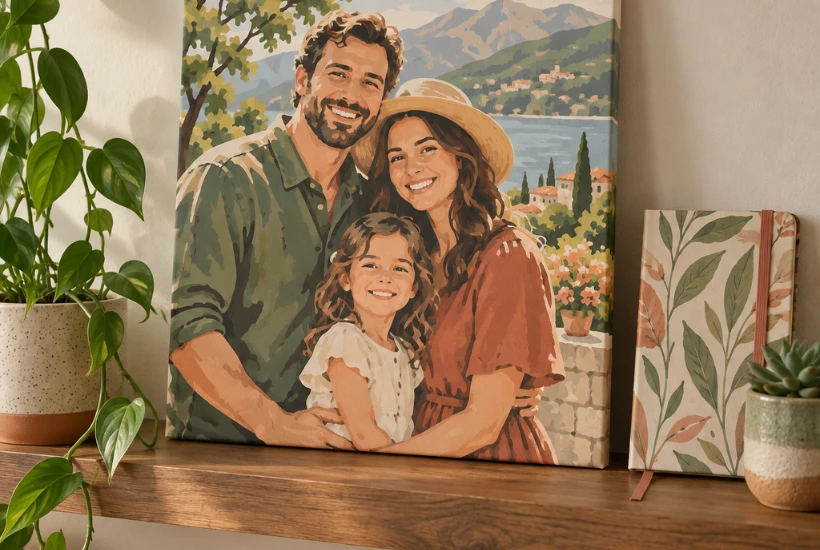
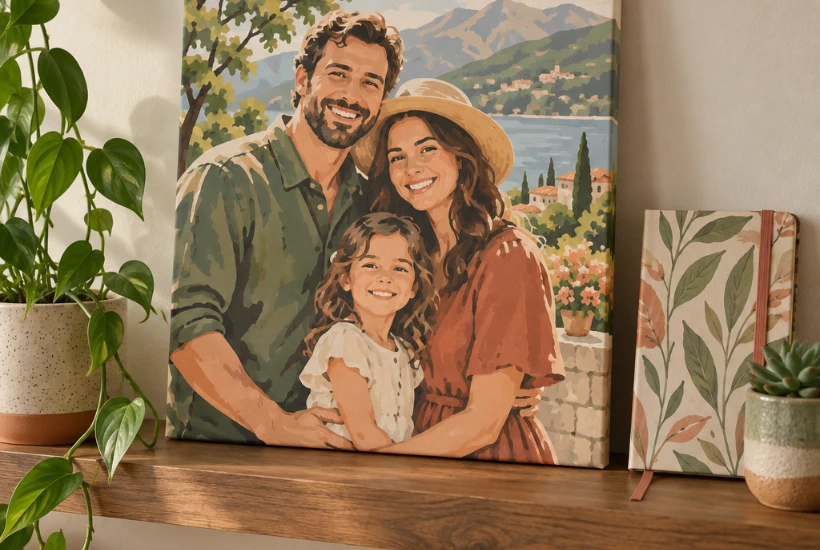
One trick making the rounds in craft and journaling circles skips the sketch step altogether. You can turn a photo into a paint by numbers kit and end up with a finished, frameable piece built from a picture you already love, no drawing required. It sounds like a shortcut, and it is. It is also a legitimate way to warm up the part of your brain that wants to make things, without the part that judges how they turn out.
Why “I Can’t Draw” Doesn’t Have to Stop You
Every hobby with a visual side attracts the same myth: that you need natural talent before you are allowed to start. Bullet journaling did not invent this feeling. It amplifies it, because so much of the appeal lives on Instagram and Pinterest, where you mostly see finished spreads instead of the fifteen abandoned attempts behind them. Most journaling art is really a set of learnable moves: simple shapes, repeated patterns, a few reliable doodle shapes you can drop into a spread on command.
Paint by numbers is one of those learnable-moves hobbies, formalized. A canvas arrives pre-outlined into numbered sections, each one keyed to a single paint color, so you match number to color and fill in the shape instead of sketching it freehand. Is that “real” art? Ask that question after you have hung one on the wall.
Paint by numbers, photo mosaics, sticker collage, even tracing, all work the same way. They separate the decision of what to make from the mechanical skill of making it, so you can enjoy the process without needing years of practice first.
Warm Up With Doodles Before You Judge Yourself
A five-minute warmup page works the way artists use a sketchbook: not for the final piece, just to loosen your hand. Draw the same three shapes, a leaf, a star, a simple flower, ten times each on a scrap page before you touch your actual spread. You will notice the tenth one looks more confident than the first, and that confidence carries over.
Keep the warmup page in the back of your journal instead of throwing it away. Flipping back to it after a few weeks is a better confidence boost than any tutorial, because it is proof of your own progress instead of someone else’s.
Turn a Photo Into a Piece You Didn’t Have to Sketch
The photo-to-canvas approach works well because it removes the one step most beginners dread: getting proportions right. A service maps the image into color-coded sections ahead of time, so instead of freehand sketching a face or a skyline, you are filling in shapes that were already measured for you. Davincified’s version lets you preview a color-mapped rendering of the photo before you commit to it. That preview is worth using, since a close-up portrait reads very differently once it is broken into dozens of numbered shapes than a wide landscape does.
Picking a photo with clear light and defined edges, rather than a dim indoor shot, makes the finished piece look far more intentional once it is painted.
No Photo Ready? Start With a Design That’s Already Done
If nothing in your camera roll feels like the photo yet, skip that decision for now and start with a design that already exists. Davincified keeps a large collection of ready-made paint by numbers kits sorted by theme, from florals and skylines to more abstract patterns, which is the easier entry point when you would rather practice the painting than agonize over the picture.
Finishing one ready-made kit first also teaches you how long a canvas actually takes, so you know what you are signing up for before you commit a favorite photo to the process later.
Building a Five-Minute Creative Habit
Short creative sessions add up in a way that surprises most people who start one. Harvard Health has reported that creative activities are linked to lower stress and better focus, even outside a formal art-therapy setting, and it does not take an hour-long session to see some of that benefit. Ten minutes with a journal page, a coloring sheet, or a few numbered sections of a canvas gives your brain roughly the same kind of break a walk does, just at a table.
The habit sticks better when the bar is low. A completed five-minute doodle beats an abandoned hour-long project every time, because you actually finish it, and finishing is what makes you want to sit back down tomorrow.
A quick gut check for picking tonight’s project:
– Ten minutes and low energy: do a doodle warmup page.
– A free evening and a favourite photo: turn it into a paint by numbers canvas.
– Curious but no photo picked yet: start with a ready-made kit and save the photo idea for next time.
Stocking a Low-Pressure Art Corner
You do not need a studio to make any of this stick, just a small stocked corner. A caddy for pens, a stack of scrap paper for warmups, and whatever your current no-sketch project is will cover it. If that project is a paint by numbers canvas, Davincified’s kits arrive with a high-opacity paint that covers in one coat, so you are not stuck redoing a patch that looks streaky once it dries.
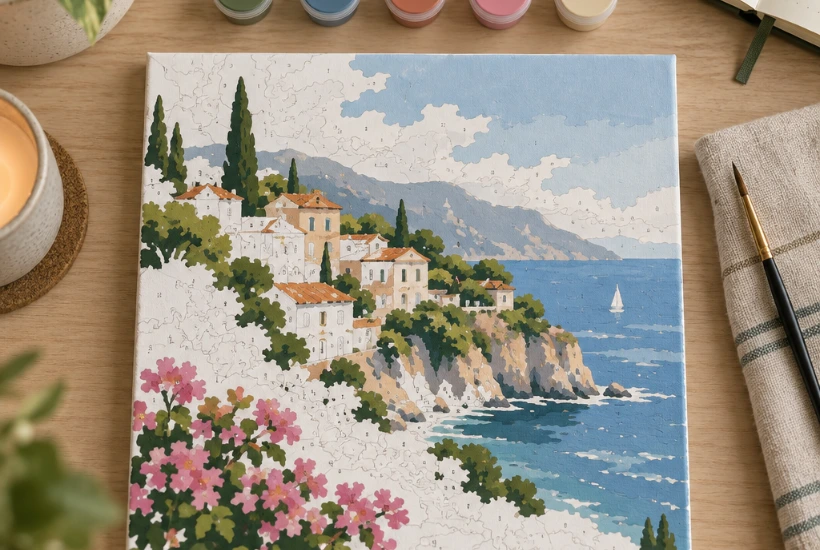
Keep the canvas somewhere you will actually see it, propped against a shelf or clipped to an easel, rather than rolled up in a closet between sessions. A project you can see is a project you come back to.
Keep Going, Even When It’s Imperfect
The spreads and canvases that end up meaning the most are rarely the technically perfect ones. They are the ones you actually finished on a Tuesday night when you were tired, using whatever technique got you there without a fight. Maybe that was a five-minute doodle warmup. Maybe it was a photo turned into a numbered canvas or a ready-made design you picked because the colors made you happy. The point was always to make something, not to audition for art school.
So which one could you actually finish tonight? Keep the tools within reach, lower the bar on purpose, and let “good enough for tonight” be a perfectly fine reason to pick up a brush.
- Creative Projects for Journal Lovers Who Say They Can’t Draw - October 7, 2026
- How to Create a Cozy Chess Corner You’ll Actually Use - October 7, 2026
- Easy DIY Shelving Projects for Beginners - October 6, 2026
Leave a Reply