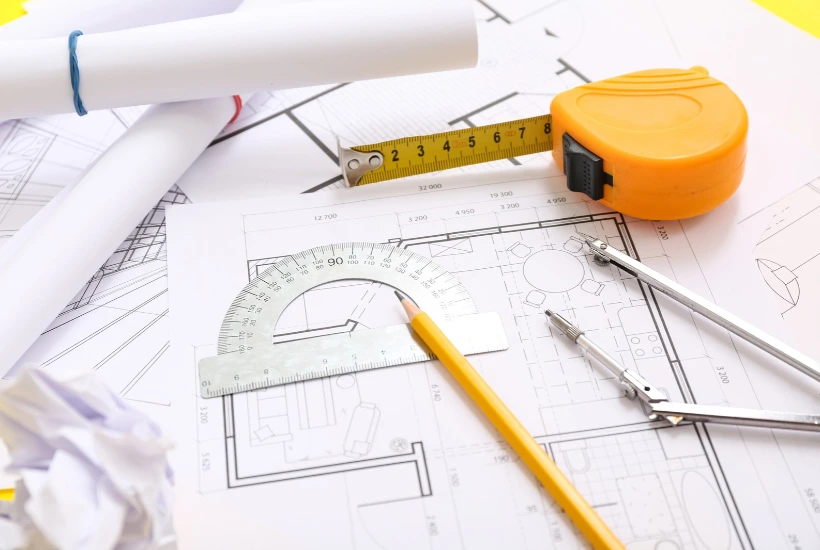
Delays in construction could impact budgeting, scheduling, construction personnel, and the owner of the property. Although there might be some delays due to weather and unforeseen conditions at the construction site, most delays could have been avoided with thorough preparation. Preparing for building material prior to the construction process ensures that materials will be ready for the workers. Knowing about the size of the job will help decide on what should be bought, delivered, and stored.
Material Quantities Are Calculated Carefully
It is essential that material calculations are accurate since lack of material leads to work interruption, while too many purchases may cause unnecessary storage issues and cost savings. It is advisable that contractors and project managers do not rush into purchasing large amounts without reviewing their measurements. The allowance for cutting, waste, breakages, and future repairs must be put into consideration when making calculations.
Various types of material call for varied purchasing procedures. Materials that have long lead times need to be purchased at an earlier stage compared to those readily available. Structural materials, unique materials, and fabricated materials may require more time to make and transport.
Delivery Schedules Are Coordinated
The arrival of materials needs to be coordinated according to the construction plan and not as a stand-alone activity. Early arrival of the materials may cause problems in terms of storage, whereas late arrivals would mean idle laborers. Coordinating the arrivals according to the major phases of the construction will mean that materials are delivered at the right time.
Communications with suppliers could also assist in avoiding any problems related to building supplies. Communication from the construction site will ensure the availability of the material, delivery dates, quantities ordered, and any handling requirements. In the case of critical materials, confirmation of the order at the appropriate phase of construction could be helpful.
Storage Conditions Are Considered
Another critical component of material planning is proper storage. Some materials can get affected by factors such as moisture, temperature extremes, sun exposure, or improper handling. Such affected materials will have to be disposed of, resulting in extra costs and disruptions in scheduled activities. Therefore, adequate preparation of the storage area before the delivery of materials needs to be done.
The materials will have to be arranged in such a way that makes it easy for workers to access them without having to search or shift other materials. This is especially helpful when working on a project that has restricted room space. Items used for exterior areas, such as materials installed around patios with outdoor furniture, should be kept protected until they are needed. Finishing materials such as paint may also require specific storage conditions to maintain their quality.
Alternative Materials Are Considered
Construction scheduling may be impacted if there is a lack of availability for a specific product. Anticipating the availability of acceptable substitutes can allow the project to continue if the product supplier experiences a shortfall. However, replacement products should only be utilized if they fulfill the needs of the project in all areas.
The project team can mitigate risk by remaining in contact with multiple suppliers if this is feasible. This is not about purchasing unnecessary supplies from several suppliers but having knowledge about where acceptable substitutes can be acquired if needed.
Project Progress Is Reviewed Regularly
The material plan needs to be continuously conducted even during the construction process, not only at the stage when ordering is completed. Managers can analyze future activities and see how they relate to existing materials and scheduled deliveries, making it simpler to detect any shortages prior to delays.
Another important advantage that can be gained from regular analysis is accounting for any changes during the construction process. It may include adjustments in design, additional expenses related to repair, or any other changes in quantity which would require new materials.
The good planning of the supply process will also increase the transparency of project cost and schedule. The planning process involves looking at the requirements, managing suppliers, securing materials, and future needs of the construction process. This will ensure smooth flow from start to end of the construction process.
Related posts:
Stress-Free State-to-State Relocation: Why Professional Movers Change Everything
9 Essential Furniture Pieces Suitable for Any Dream Home
15 Minimalist Free One Line Drawing Printables
Matching Shower Doors to Enclosure Shapes: What Actually Works?
How Solar Extension Cable Length Affects Charging Speed
The Weeknight Kitchen Reset: A Simple Dinner Routine

- Why Decluttering Before a Family Move Can Make Things Easier - October 28, 2026
- How to Reduce Construction Delays by Planning Building Supplies - October 28, 2026
- Why an Electric Fireplace Can Be a Useful Addition to a Guest Room - October 27, 2026

Leave a Reply