
On a quiet afternoon, when the house hums with ordinary life and your thoughts feel just a bit crowded, there is something deeply comforting about sitting down with paper and pen. Junk journaling invites that moment. It is tactile, reflective, and forgiving. For those drawn to journaling as a tool for clarity, not just decoration, this practice offers a gentle way to organize thoughts, memories, and intentions without pressure. Junk journaling for beginners is less about perfection and more about creating a space that feels honest, useful, and quietly beautiful.
This guide is designed to help reflective thinkers translate creativity into meaningful self improvement. Consider it a friendly companion that walks you through the essentials while leaving plenty of room for personal expression.
What Is Junk Journaling, Really?
Beyond Scrapbooking and Traditional Journaling
At its core, junk journaling blends written reflection with collected ephemera. Think ticket stubs, receipts, notes from a friend, packaging you could not bring yourself to toss. Unlike scrapbooking, the focus is not on preserving a perfect memory. Unlike traditional journaling, the page does not rely solely on words. Instead, junk journaling invites you to explore how objects, textures, and snippets of language can deepen reflection.
For beginners, this approach is especially freeing. There are no strict rules, no expectation that every page must look polished. The journal becomes a working space for your inner life.
Why It Appeals to Reflective Thinkers
Junk journaling slows you down. The act of choosing what to keep, what to glue, and what to write encourages mindful decision making. Each page becomes a small act of curation, mirroring the clarity you are seeking internally. This is why junk journaling for beginners often feels less intimidating than other creative practices. It meets you where you are.
Gathering Your Materials Without Overthinking It
Start With What You Already Have
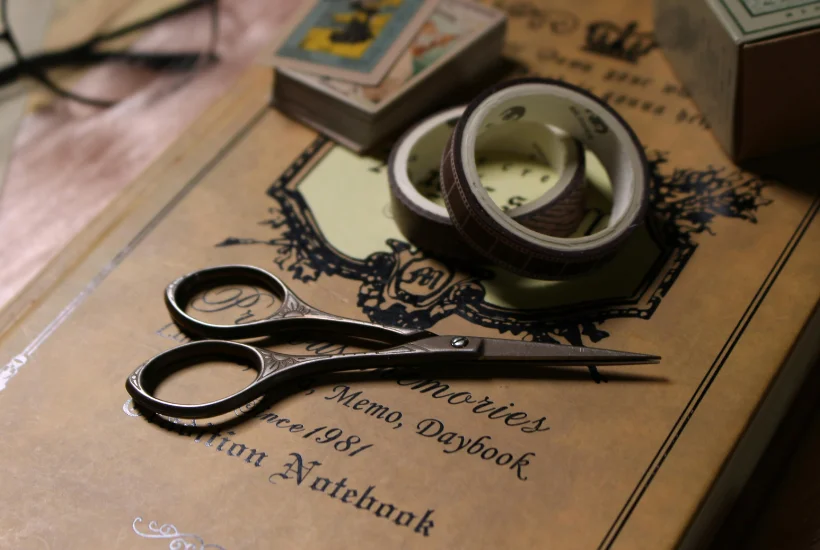
One of the quiet joys of junk journaling is its accessibility. You do not need specialty supplies to begin. A simple notebook, a glue stick, scissors, and a pen will do. Look around your home for items with personal resonance. Old envelopes, magazine clippings, wrapping paper, dried flowers, or handwritten notes all work beautifully.
For beginners, using familiar materials lowers the barrier to starting. It also ensures your journal reflects your real life, not an idealized version of it.
Optional Tools That Elevate the Experience
As your practice grows, you may want to add a few thoughtful extras. Washi tape adds color without commitment. Stamps offer repeatable motifs. A date stamp can ground entries in time. These are enhancements, not requirements. Junk journaling remains most powerful when the focus stays on reflection rather than accumulation.
Setting an Intention Before You Begin
Clarify the Purpose of Your Journal
Before gluing anything to the page, pause to consider why you are journaling. Are you seeking clarity around a life transition? Trying to cultivate gratitude? Looking for a creative outlet that also supports mental organization? Writing a simple intention on the first page can anchor the entire journal.
For beginners, this step prevents the practice from feeling scattered. It gives each entry a quiet sense of direction, even when the content varies.
Create a Gentle Framework
Some people thrive with prompts, others with complete freedom. You might decide that each page answers a single question, documents a day, or explores a recurring theme. This light structure helps junk journaling feel functional as well as expressive. It also makes it easier to return to the journal consistently.
Building a Page Step by Step
Step One: Choose a Focal Piece
Begin each page by selecting one item to anchor the layout. It could be a receipt from a memorable lunch or a quote clipped from a magazine. Place it on the page without gluing at first. Notice how it sets the tone.
For beginners, starting with a focal piece reduces overwhelm. The rest of the page naturally grows around it.
Step Two: Add Supporting Elements
Layer in smaller items that complement your focal piece. This might include scraps of paper, simple doodles, or a wash of color. Think of these as visual pauses that guide the eye. Keep the composition loose. Imperfection is part of the charm.
Step Three: Write With Purpose
Once the visual elements are in place, add your words. Reflect on why you chose the items on the page. What do they represent? How do they connect to your intention? Writing in short paragraphs or bullet points keeps the entry approachable and clear.
Junk journaling for beginners becomes transformative when the writing feels honest rather than performative.
Using Prompts to Deepen Reflection
Thoughtful Prompts That Spark Insight
Prompts can turn a decorative page into a meaningful practice. Try questions like: What am I holding onto right now? Where do I feel most at ease this week? What small moment deserves more attention? These invitations encourage depth without demanding long entries.
Translating Prompts Into Visual Choices
Let your prompt guide your material selection. A question about comfort might pair well with soft textures or warm colors. A prompt about challenge could include sharper lines or contrasting elements. This interplay between thought and design is where junk journaling truly shines.
Creating a Sustainable Routine
Consistency Over Frequency
It is tempting to believe that journaling must happen daily to be effective. In reality, consistency matters more than frequency. Decide on a rhythm that fits your life, whether that is once a week or a few times a month.
For beginners, setting a realistic schedule prevents the journal from becoming another obligation. It remains a refuge rather than a chore.
Make It a Ritual
Small rituals signal to your brain that it is time to slow down. Light a candle, make a cup of tea, or play soft music. These cues help you transition into a reflective mindset and make the practice something you look forward to.
Letting Go of Perfection
Embrace the Messy Middle
Every junk journal includes pages that feel unfinished or awkward. This is not a flaw. It is evidence of a living practice. Allow yourself to experiment without judgment. Over time, patterns and preferences will emerge naturally.
Beginners often worry about doing it wrong. The truth is that junk journaling has no wrong way. The value lies in showing up honestly.
Reflect on Progress, Not Appearance
Periodically flip back through old pages. Notice how your thoughts have shifted, how your handwriting has changed, how your material choices reflect different seasons of life. This retrospective view reinforces the journal’s role as a tool for clarity and growth.
The Quiet Power of Junk Journaling
Junk journaling for beginners offers more than a creative outlet. It provides a gentle structure for reflection, a tactile way to process experience, and a space where beauty and function coexist. By starting simply, setting clear intentions, and focusing on meaningful entries, you create a practice that supports both self awareness and creative expression.
The invitation is straightforward. Gather what you have, open a blank page, and begin. Let your journal become a trusted companion, one thoughtful entry at a time.
RELATED POSTS:
- Best Mental Health Bullet Journal Ideas
- Best Bullet Journal Travel Tracker Ideas
- Best Bullet Journal Self-care Ideas
Related posts:
25 Best Succulent & Cactus Doodle Ideas For Bujo Addicts
Bullet Journal Monthly Cover Ideas For April
Flower Doodles: Easy Step-by-Step Flower Drawing Ideas for Beginners
25+ Best Star Theme Bullet Journal Spreads In
30+ Creative November Monthly Cover Ideas For
18 Bullet Journal Mood Tracker Ideas For February 2022

- Free Printable Halloween Party Games and Coloring Pages - October 18, 2026
- Slow Cooker Fall Dinners: 14 Cozy Recipes - October 18, 2026
- Ghost Brownies and Halloween Desserts: 12 Cute Ideas - October 18, 2026
Leave a Reply