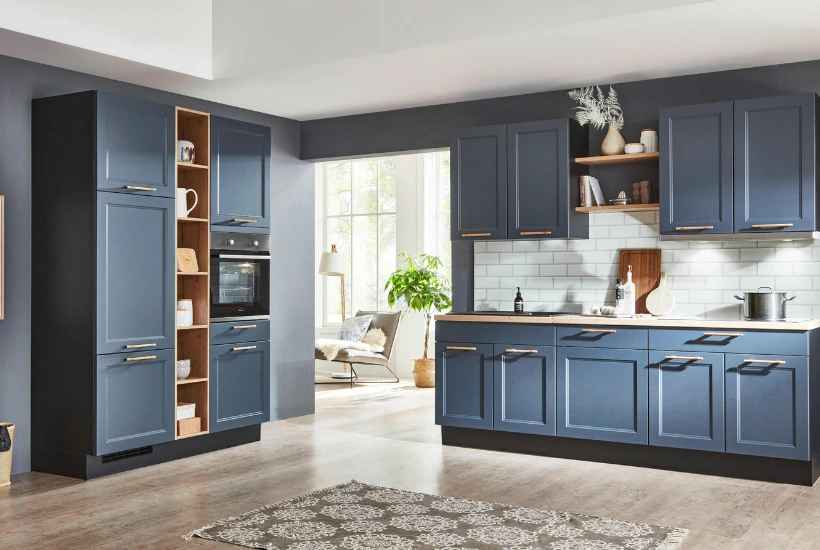
Most homeowners begin a kitchen remodel thinking about colors, cabinets, countertops, and lighting. Those visual elements matter, but they are rarely what determines whether a kitchen still feels enjoyable years later.
The kitchens people truly love using every day usually have something deeper in common: they function naturally. Movement feels easier. Storage makes sense. Cooking becomes less frustrating. The room supports real life instead of simply looking impressive in photos.
That distinction is becoming increasingly important as homeowners invest more carefully in renovations. Many families researching companies like Kitchen remodeling Springfield, MO, are now prioritizing practicality and long-term usability just as much as appearance.
A visually stunning kitchen can still create daily stress if the layout is inefficient or the design choices ignore how people actually live. The best remodels succeed because they balance aesthetics with thoughtful functionality.
Why Functionality Matters More Than Most Homeowners Expect
A kitchen is one of the hardest-working rooms in any home. Unlike formal living spaces that may only see occasional use, kitchens handle constant movement, decision-making, cooking, cleaning, gathering, and storage demands.
Small design problems become noticeable very quickly.
A poorly placed dishwasher can interrupt traffic flow every single day. Limited prep space can make cooking feel chaotic. Cabinets that looked sleek in a showroom may become frustrating when they fail to store everyday items efficiently.
Many homeowners underestimate how much these seemingly minor issues affect their routines over time.
The most successful remodels usually begin by identifying friction points rather than design trends. Instead of asking, “What style do I want?” experienced homeowners increasingly ask, “What currently makes this kitchen difficult to use?”
That shift in thinking often leads to smarter renovation decisions.
The Layout Is More Important Than the Finishes
Countertops and backsplashes tend to receive the most attention online, but layout has a far greater impact on the experience of using a kitchen.
A beautiful kitchen with an awkward layout can feel exhausting surprisingly quickly.
Spacing between appliances matters. Walkways matter. The relationship between cooking, cleaning, and storage zones matters even more.
One common mistake in older kitchens is overcrowding the center of the room. Large islands may look impressive visually, but if they reduce movement space or interrupt workflow, they can create long-term frustration.
Another issue is insufficient landing space near appliances. Without enough nearby counter space, even basic cooking tasks become less efficient.
Thoughtful kitchen design considers how people naturally move through the space throughout the day. That includes:
- unloading groceries
- preparing meals
- entertaining guests
- helping children with homework
- cleaning efficiently
- accessing storage without obstruction
The kitchens that feel effortless are usually designed around behavior rather than appearance alone.
Storage Is Often the Real Source of Kitchen Stress
Homeowners frequently believe they need a larger kitchen when the real problem is ineffective storage.
Poor cabinet planning creates visual clutter, wasted space, and unnecessary frustration. Deep shelves become difficult to access. Corner cabinets turn into dead zones. Frequently used items end up scattered across multiple areas.
Modern remodeling increasingly focuses on accessibility and organization rather than simply adding more cabinets.
Features like deep drawers for cookware, vertical tray storage, pull-out pantry systems, and hidden appliance garages can dramatically improve how a kitchen functions without increasing square footage.
Good storage also improves how a kitchen feels emotionally. Cleaner surfaces create a calmer atmosphere, and easier organization reduces everyday mental load.
This is one reason professionally planned remodels often feel significantly different from cosmetic-only upgrades. The improvement is not just visual — it changes how the room operates.
Trends Fade Faster Than Homeowners Expect
One of the biggest renovation mistakes homeowners make is designing exclusively around current trends.
Social media has accelerated trend cycles dramatically. Features that dominate inspiration boards today can begin feeling outdated much sooner than expected.
That does not mean homeowners should avoid modern design entirely. Instead, the smartest remodels typically separate permanent elements from trend-driven accents.
Timeless cabinetry styles, practical lighting placement, durable materials, and balanced layouts tend to age far better than aggressively trendy choices.
This approach also protects long-term resale value.
Neutral foundations allow homeowners to update smaller details over time without requiring another major renovation. Paint colors, hardware, décor, and lighting fixtures can evolve more affordably than structural design decisions.
A kitchen should still feel comfortable and functional years after the excitement of the renovation fades.
Remodeling Should Reflect Real Daily Life
The most effective kitchen remodels are deeply personal.
A family that cooks together nightly has different needs than homeowners who entertain frequently. Someone working remotely may need integrated seating or flexible work surfaces. Households with children often prioritize durability and visibility.
There is no universally “perfect” kitchen layout because every household uses the space differently.
That is why successful remodeling begins with lifestyle analysis rather than aesthetics alone.
Questions worth asking include:
- Where does clutter naturally accumulate?
- What tasks feel inconvenient right now?
- Which areas become crowded most often?
- What storage problems repeat constantly?
- How does the kitchen function during gatherings?
The answers often reveal design priorities more valuable than any trend forecast.
A Remodel Should Improve the Entire Feeling of the Home
Kitchen remodeling affects more than one room.
Because kitchens often serve as gathering spaces, their design influences how the entire home feels. Better layouts can improve traffic flow throughout adjoining spaces. Natural lighting changes can alter the atmosphere of surrounding rooms. More functional storage can reduce clutter across the home.
That broader impact is why homeowners increasingly view remodeling as a lifestyle investment rather than a cosmetic upgrade.
Well-designed renovations support comfort, efficiency, organization, and everyday routines in ways homeowners notice constantly after completion.
Companies like Good Life Home Renovations focus heavily on that balance between visual appeal and practical usability, which is ultimately what separates a renovation that simply looks impressive from one that genuinely improves daily living.
Final Thoughts
A beautiful kitchen may capture attention immediately, but a functional kitchen earns appreciation over time.
The most successful remodels are rarely defined by luxury finishes alone. They succeed because they solve real problems, simplify routines, and create spaces that feel intuitive to use every day.
Homeowners planning renovations often spend months choosing colors and materials while overlooking how important layout, storage, and movement patterns truly are. Yet those practical details usually determine whether a kitchen continues feeling enjoyable long after the remodel is complete.
Design matters. Style matters. But the kitchens people love most are almost always the ones that quietly make everyday life easier.
Related posts:
The Ultimate Guide to Fall Home Maintenance Checklist
15 Creative DIY Vintage Upcycle Ideas
15+ Neutral Minimalist Bedroom Decor Ideas
25+ Adorable DIY Valentine's Day Wreath Ideas to Fill Your Home with Love
Discover Insulated Garage Doors: Energy Efficiency Tips
30+ Inspirational Chalkboard Wall Quote Ideas For

- Creating a Family Emergency Plan Without Adding Stress - October 22, 2026
- How to Make the Most of Shoulder-Season Travel for Road Trips - October 22, 2026
- How to Reduce the Mental Load of Managing Your Child’s School Life - October 22, 2026

Leave a Reply