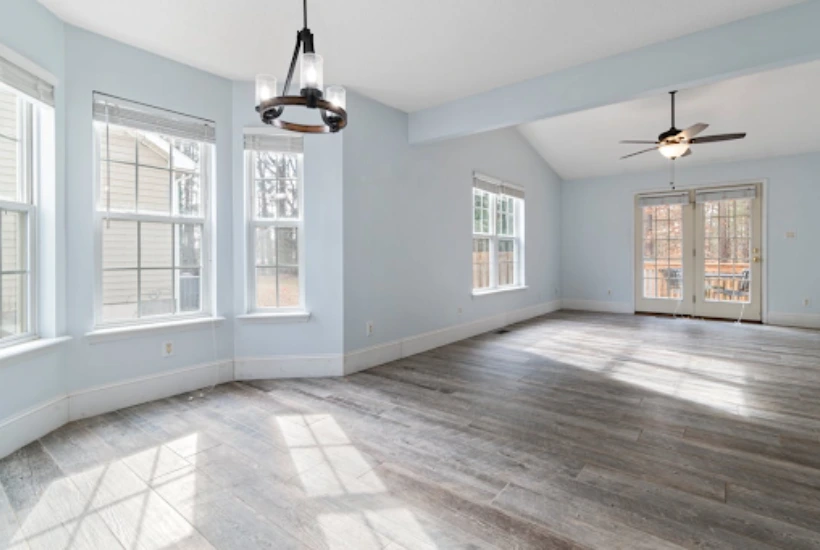
We all want our homes to be relaxing, joyful spaces that make us feel secure and content, but often, our nests harbor risks. It’s important for every homeowner to be mindful of safety, but it’s particularly beneficial to prioritize accident prevention if you have young kids or aging relatives at home. In this guide, we’ll highlight some easy steps you can take to design a safe haven.
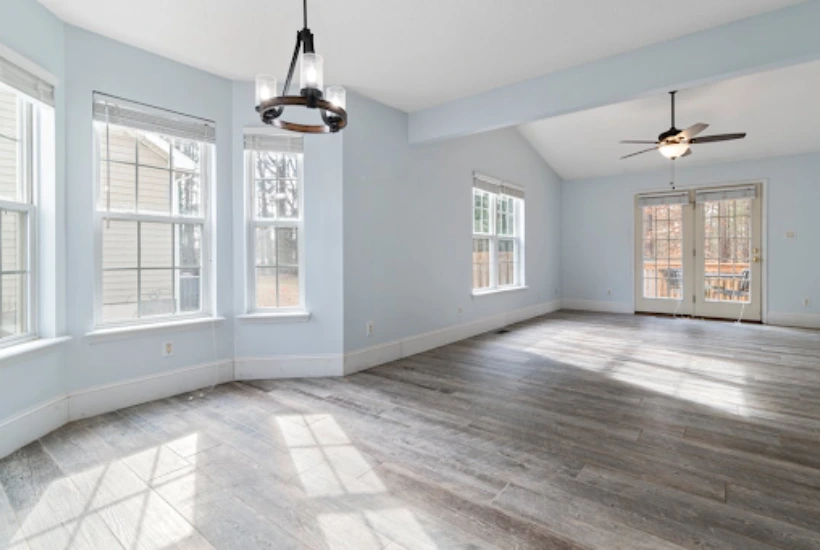
Image from https://www.pexels.com/photo/photo-of-an-empty-house-6835102/
Identify and address risks
The best way to keep everybody in your home safe is to prevent accidents. Not all incidents are preventable, but being mindful of hazards can lower risks dramatically. It’s helpful to assess risks within your home environment and address them promptly. Small things like frayed carpets, lights that don’t work, and trailing curtain ties and blind cords may seem innocuous, but they can be very dangerous. Eliminating hazards can help you reduce the risk of slips, trips, and falls and prevent injuries like fractures and broken bones, bruising, grazes, and head injuries.
Embrace modern technology
We often associate cutting-edge technology for our homes with entertainment and efficient ways to run households, but it can also boost safety. A medical alert bracelet with fall detection features is an excellent example. If your elderly parents or grandparents live with you, using systems and devices that react to falls and provide access to help is a brilliant way for both you and your relatives to enjoy peace of mind. You can also benefit from solutions, such as smart carbon monoxide and smoke detectors, contact sensors, and doorbell cameras that monitor entry and exit points. It’s wise to research different systems and products and explore options that are best suited to your family.
Store dangerous products safely
Many of us use potentially dangerous products daily without giving it too much thought. From cleaning solutions and medicines to deterrents for pests in the garden, lots of everyday items carry risks. It’s important to store anything that could pose a risk to your family members, including furry friends, in a safe place. Use lockable cupboards or drawers that are out of reach to prevent products from getting into the wrong hands.
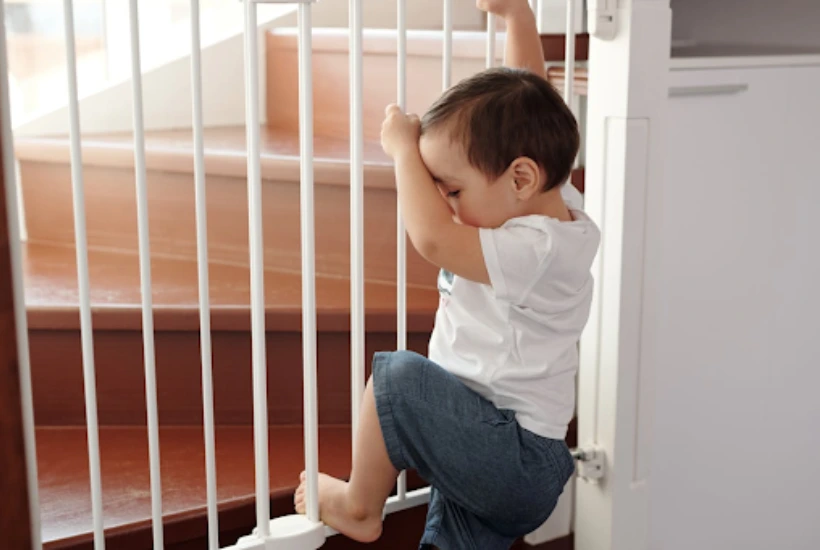
Image source: https://www.pexels.com/photo/little-boy-trying-to-climb-up-a-stair-gate-6223621/
Avoid falls on the stairs
If you have small children or family members who find it hard to get around, climbing the stairs can be a risky activity. The good news is that there are steps to avoid falls. For kids, you may want to add stair gates at the top and bottom. If you have seniors living at home, adding a chair lift is a great option. You could also install extra rails for support if your relatives would prefer to walk rather than using a lift.
Even the most pristine, homely properties can harbor risks. It’s important to prioritize safety, especially if you have young children or you live with elderly relatives. Key steps, such as identifying and addressing hazards, using modern technology to enhance safety, storing dangerous products properly, and avoiding falls on the stairs, can help you turn your home into a safe haven.
If you have space available downstairs, it may make sense to convert spare living areas into bedrooms and bathrooms. This way, family members with limited mobility can live comfortably without negotiating the stairs. You could also explore options like adding a garden room, granny flat, or annexe if you’re open to more significant or long-term changes.
Related posts:

- A Practical Indoor Air Quality Checklist for Every Season - September 15, 2026
- What Happens During a Professional Furnace Installation? - September 15, 2026
- What to Consider Before Updating Your Home’s Exterior - September 15, 2026

Leave a Reply