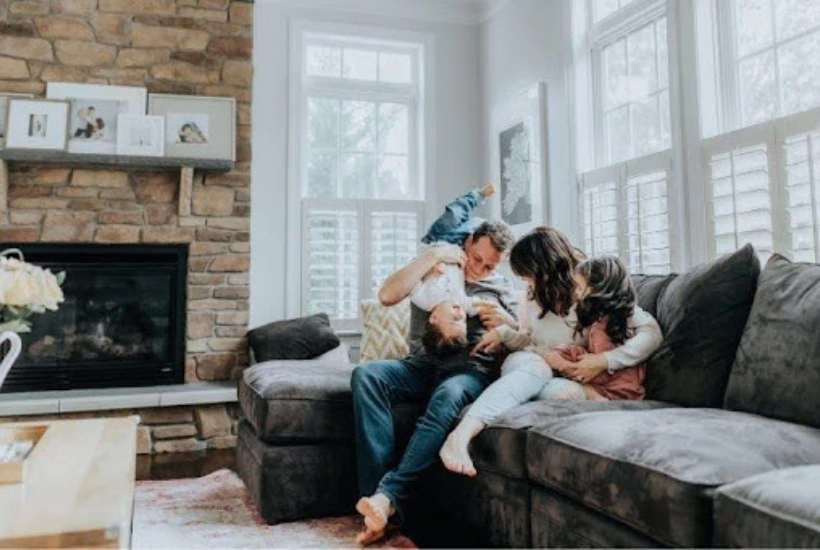
Creating a beautiful home when you have young children can feel like a balancing act. Parents often find themselves torn between maintaining a stylish space and making their home practical, safe, and comfortable for everyday family life.
The good news is that family-friendly design doesn’t have to mean sacrificing aesthetics. Thoughtful choices can help you create a home that works for everyone, from curious toddlers to busy parents, while still reflecting your personal style.
Choose Durable Materials That Can Handle Everyday Life
One of the biggest challenges for families with young children is dealing with spills, stains, and general wear and tear. From juice accidents to muddy footprints, household surfaces need to withstand plenty of activity.
When selecting furniture and soft furnishings, durability should be a priority. Performance fabrics, stain-resistant upholstery, and washable materials can significantly reduce stress while helping your home look its best.
Floor coverings deserve particular attention. Rugs often experience the most traffic in family homes, making washable options especially practical. Many homeowners are now choosing products such as those available from double, which offers the convenience of machine-washable rugs while maintaining a stylish appearance suitable for modern interiors.
Natural materials can also be an excellent choice. New Zealand wool, for example, is known for its durability, making it a popular material for family-friendly flooring and rugs.
Create Clear Zones for Different Activities
Children thrive when spaces have clear purposes. A well-designed home can support daily routines while reducing clutter and confusion.
Consider dividing rooms into activity zones, such as:
- A dedicated play area
- A reading corner
- A family relaxation space
- A homework or craft station
Even in smaller homes, rugs, shelving, and furniture placement can help define separate areas without requiring additional walls.
Interior designer and author Emily Henderson has noted that designated spaces help families maintain order because children better understand where activities and belongings belong. This can encourage greater independence as children grow.
Prioritize Safe Design Without Making It Obvious
Safety is naturally a top concern for parents of young children. However, modern child-friendly design has evolved far beyond bulky plastic products and obvious safety features.
Some subtle design choices include:
- Rounded coffee tables and furniture corners
- Soft-close drawers and cabinets
- Secured shelving units
- Cordless window coverings
- Non-slip rugs and mats
According to the American Academy of Pediatrics, falls are one of the leading causes of non-fatal injuries among young children. Simple preventative measures throughout the home can reduce risk.
The goal is to incorporate safety features seamlessly so that your home remains stylish while supporting your family’s needs.
Embrace Smart Storage Solutions
Children accumulate toys, books, clothing, and art supplies at an astonishing rate. Without effective storage, even the most thoughtfully designed home can quickly feel overwhelming.
The most successful family homes often include storage at multiple levels:
Accessible Storage for Children
Low shelves, baskets, and cubbies encourage children to tidy up independently. When toys have designated homes, clean-up becomes far more manageable.
Hidden Storage for Adults
Storage ottomans, benches with built-in compartments, and coffee tables with concealed storage help reduce visible clutter while keeping everyday items within reach.
Rotational Storage
Many child development experts recommend rotating toys rather than keeping everything available at once. Storing some toys out of sight can reduce overwhelm while keeping children engaged when items are reintroduced later.
Select Easy-to-Clean Surfaces
Young children are naturally curious and hands-on. Fingerprints, crayons, paint, and food spills are part of everyday family life.
Choosing surfaces that clean easily can save significant time and frustration.
Good options include:
- Washable paint finishes
- Quartz countertops
- Laminate or luxury vinyl flooring
- Leather or performance-fabric seating
- Washable rugs and cushion covers
Incorporate Soft Textures and Comfortable Spaces
Children spend a great deal of time on the floor. Creating comfortable environments encourages play, reading, and family interaction.
Layering soft textures can make a room feel welcoming while improving comfort:
- Area rugs
- Floor cushions
- Upholstered seating
- Throw blankets
- Fabric storage bins
Comfortable, visually appealing home environments can positively influence wellbeing and emotional comfort for household members.
Comfort doesn’t have to come at the expense of style. Neutral colour palettes paired with textured materials can create sophisticated spaces that still feel inviting to young families.
Choose Colours That Grow With Your Family
It can be tempting to decorate with heavily themed children’s designs, but many parents find these choices become outdated quickly.
Instead, consider a more flexible approach:
- Use timeless neutral wall colours
- Add personality through removable accessories
- Introduce colour with artwork, cushions, and decor
- Select furniture that can transition through different life stages
This strategy allows rooms to evolve as children grow without requiring major redesigns every few years.
Many professional designers recommend creating a strong foundational design and then layering age-appropriate elements that can easily be updated.
Make Room for Creativity
Children learn and develop through creative play. Homes that encourage creativity often feel more functional and enjoyable for the entire family.
Consider including:
- A dedicated art station
- A chalkboard or magnetic wall
- Display space for children’s artwork
- Flexible tables for crafts and projects
Providing opportunities for creativity within the home can encourage learning while giving children a sense of ownership over their space.
Don’t Forget About the Parents
Family-friendly design should support everyone in the household, not just children. Many parents benefit from having at least one area that feels calm and organised, whether that’s a reading nook, home office corner, or relaxing bedroom retreat.
A thoughtfully designed home should make life easier while still reflecting the personalities and preferences of the adults who live there.
Creating spaces that support parental wellbeing can contribute to a more harmonious home environment overall.
Conclusion
Designing a home for young children doesn’t require sacrificing style or comfort. By focusing on durability, safety, organisation, and flexibility, families can create spaces that support everyday life while remaining attractive and welcoming.
The most successful family homes strike a balance between practicality and personality. Thoughtful storage, durable materials, comfortable textures, and adaptable design choices can help your home evolve alongside your children while continuing to meet the needs of the entire family.
Related posts:
Roof Refresh Tips That Enhance Style and Functionality
Simple Decor Habits That Help Keep Pests Out
The Future of Residential Driveway Surfaces: Expert Insights
How to Turn Your Garage into a Multi-Purpose Living Area
20+ Best DIY Upcycled Furniture Ideas To Revamp Your Space
Discover Insulated Garage Doors: Energy Efficiency Tips

- Strawberry Sago with Fresh Strawberries and Nata de Coco - September 28, 2026
- Panasonic Ventilation Solutions for Apartments, Hotels, and Shared Facilities - September 28, 2026
- How to Build a Wardrobe That Works for Your Cosy Days In - September 24, 2026

Leave a Reply