Yellow rubber gloves, a bucket of hot water, and a whole house smelling of pine cleaner by noon. Somebody showed you most of what you know about cleaning a long time ago, and it worked well enough that you never had a reason to question it.
Some of it still holds up beautifully. Some of it has been quietly ruining towels, counters and pipes, and a few habits do worse than that.
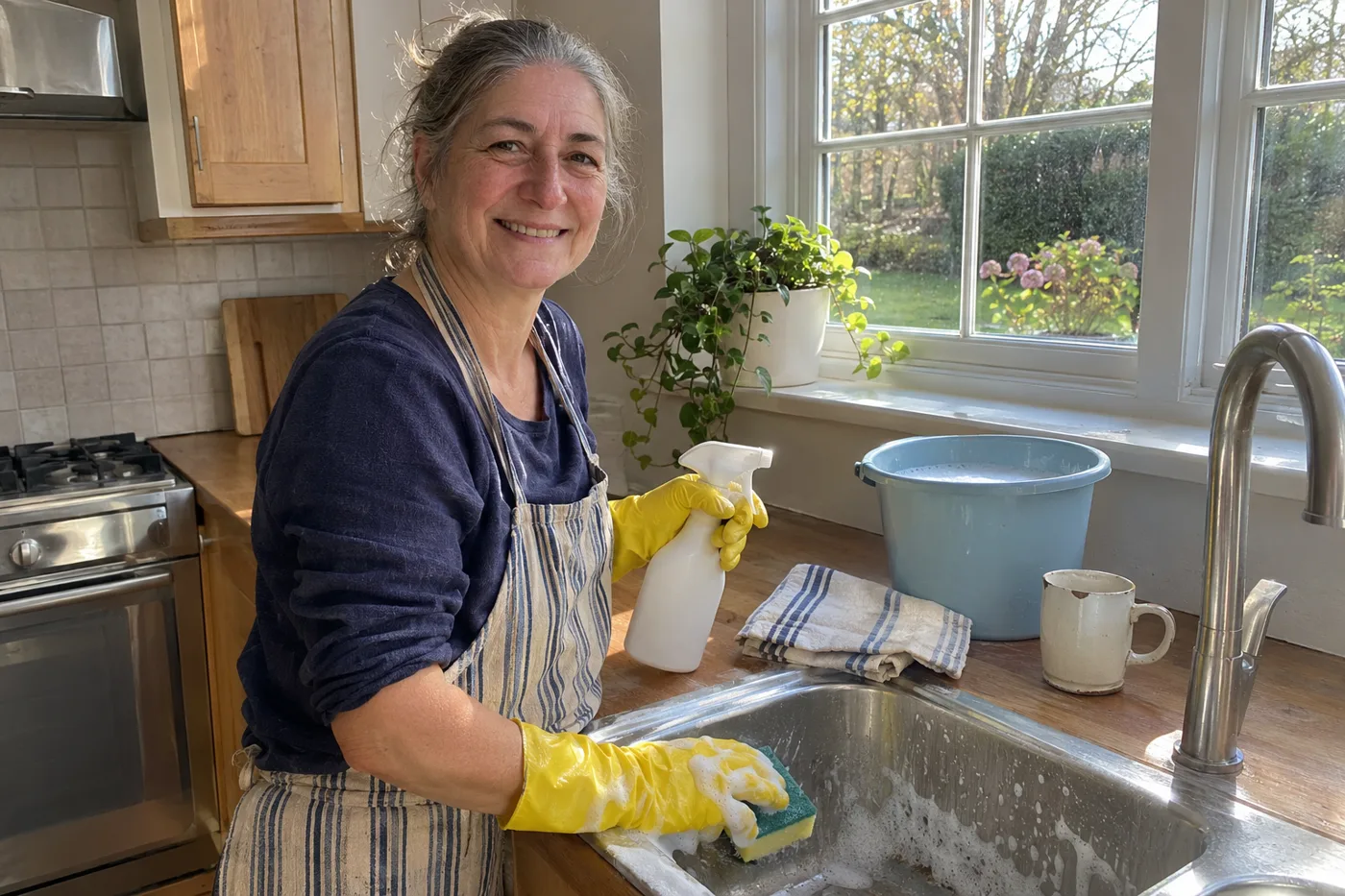
#24 Mixing bleach with vinegar or ammonia
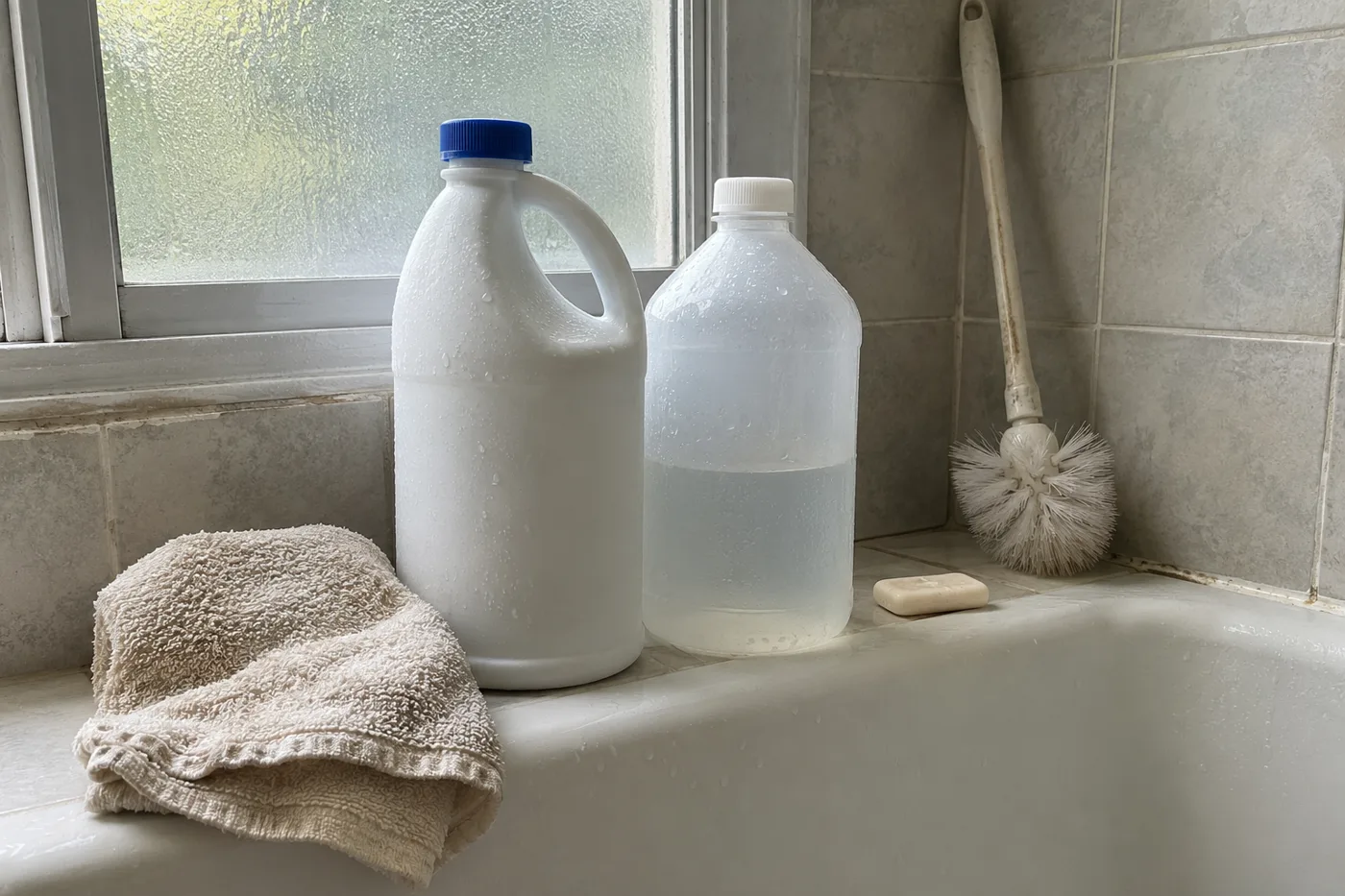
The toilet bowl is soaking in bleach and the stain won’t budge, so a splash of vinegar seems like teamwork. Then your eyes start to water.
Bleach plus an acid such as vinegar makes chlorine gas. Bleach plus ammonia makes a gas called chloramine. Poison Control warns about both, and even the milder one, chloramine, can bring on teary eyes, a sore throat and coughing.
The rule from the Centers for Disease Control and Prevention (CDC) fits on one line: “Do not mix products or chemicals with each other.”
Use one product per job. Rinse with plain water before you switch, and keep the bathroom door open while you work.
#23 Standing on a chair to dust high shelves
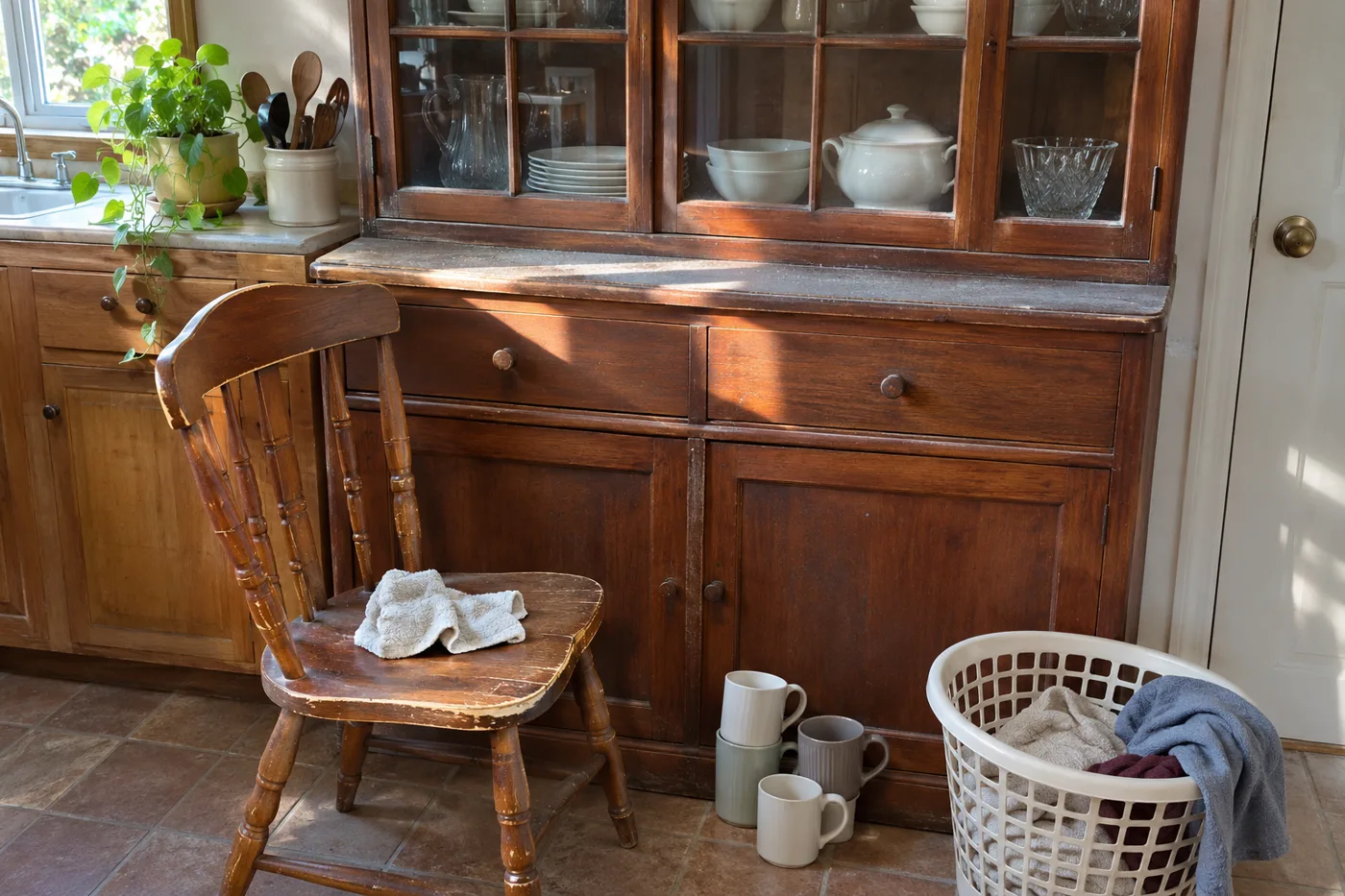
The kitchen chair is right there, the top of the hutch is gray with dust, and climbing up takes two seconds. Climbing down is where it goes wrong.
Floors, stairs and steps are among the things most often involved when older adults fall, the Consumer Product Safety Commission (CPSC) found. A chair with a cushion, a swivel or one short leg was never meant to be a step.
Keep what you use every day below shoulder height. For the top of the hutch, use something built for climbing, or get a second person. The dust will still be there.
#22 Saving all the cleaning for Saturday
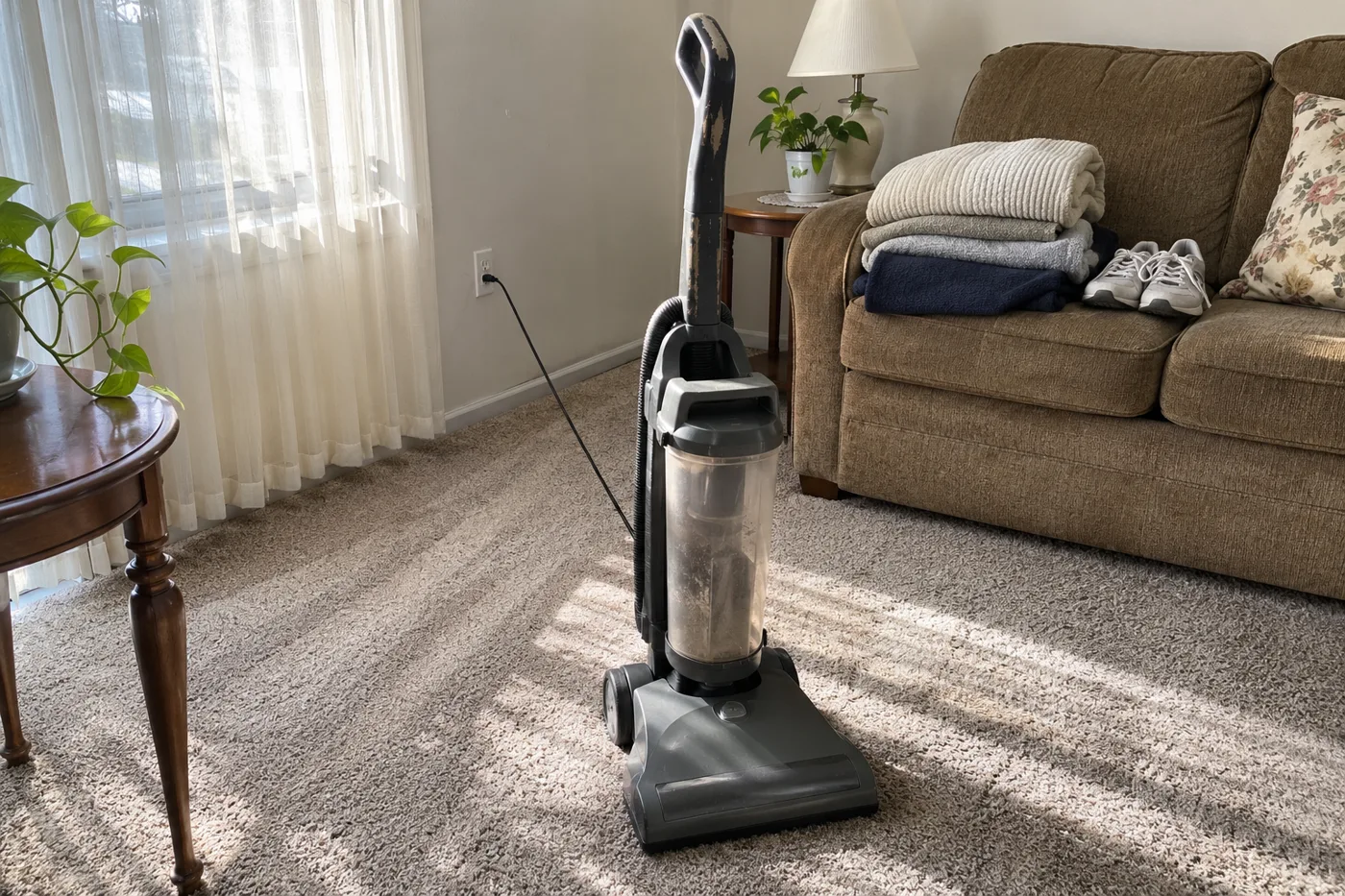
Saturday mornings used to be built around it: the radio on, the windows open, the vacuum roaring, and a job for everyone before anybody got to go outside. Plenty of houses still run on that schedule, just with fewer helpers.
In a short TikTok video posted by Zapata’s Cleaning Services, a cleaner identified as Kellsie Zapata says four hours of Saturday catch-up isn’t a cleaning problem. It’s a problem with how the week is set up.
A few small habits can replace the marathon: a ten-minute tidy in the evening and an empty sink at bedtime, when you can manage it. People who’ve made the switch say the mornings feel calmer.
Saturday gets to be Saturday again.
#21 Keeping the same kitchen sponge for weeks
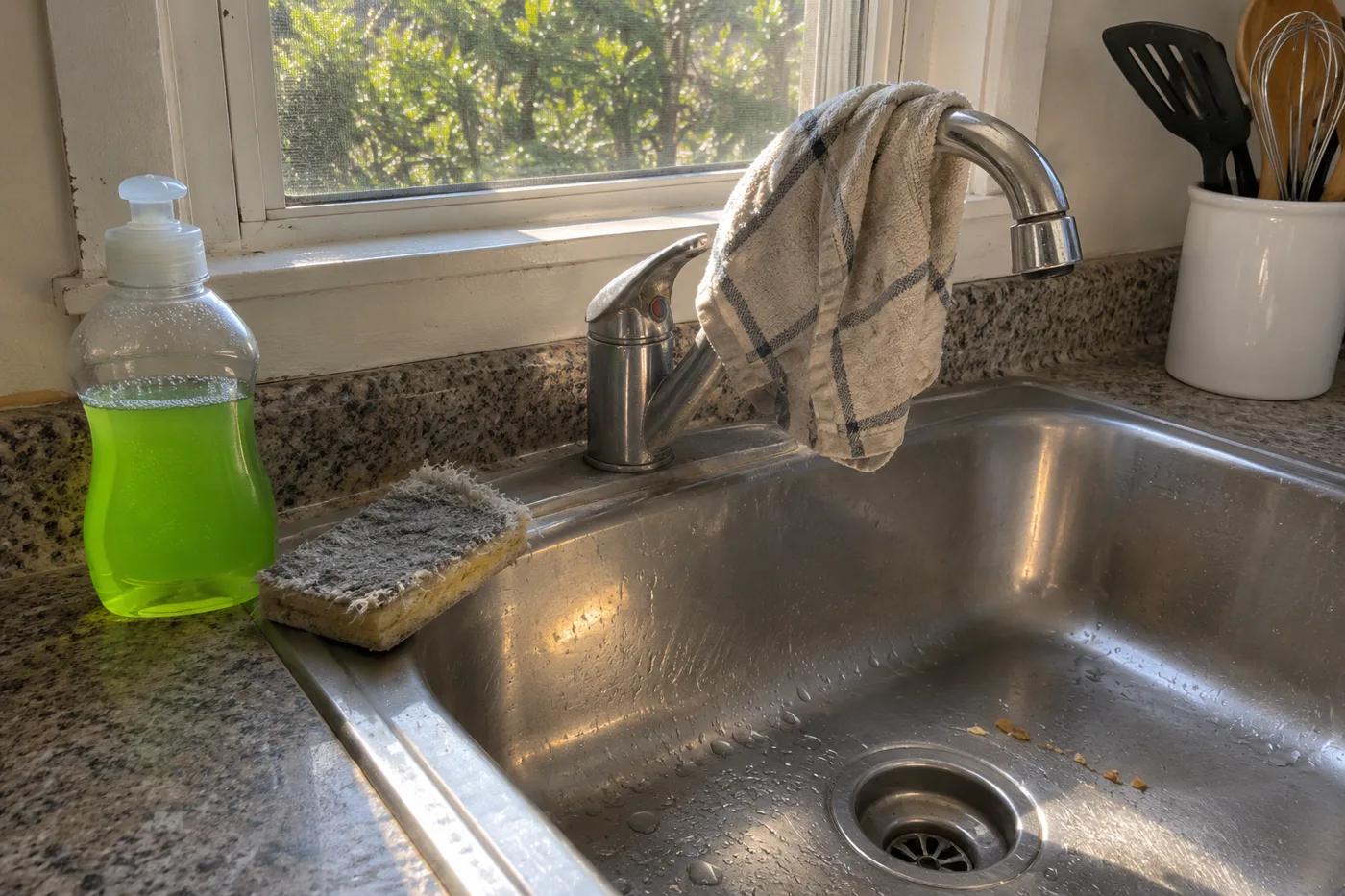
It sits on the edge of the sink, a little gray, a little stiff, and it still foams up fine. You rinse it after every use. Surely that counts.
Researchers who looked inside used kitchen sponges found up to 54 billion bacteria per cubic centimeter of sponge. Sponges their owners said they cleaned regularly had no fewer bacteria than the ones nobody cleaned at all. The researchers suggest a fresh sponge about once a week.
#20 Walking across a freshly mopped floor
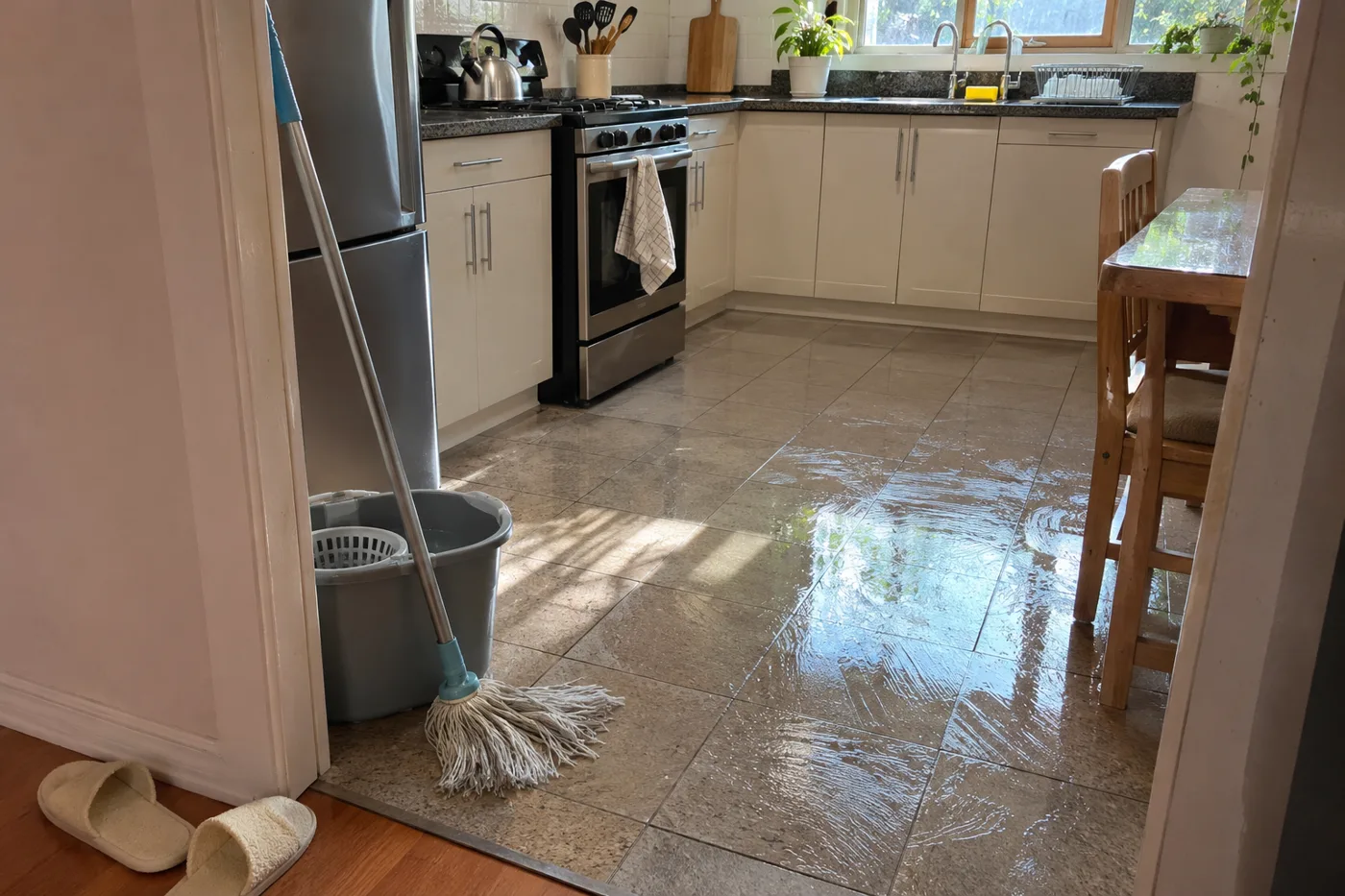
You mop the kitchen, back out toward the hall, and then the phone rings on the counter. Two quick steps across the wet floor. What could happen?
Floors are one of the places falls happen most, the CPSC found. A floor that’s still wet is about as slick as a floor gets.
Mop toward the doorway so you finish on dry ground. Keep the phone in your pocket, or let it ring. They’ll call back.
#19 Throw rugs with no grip underneath
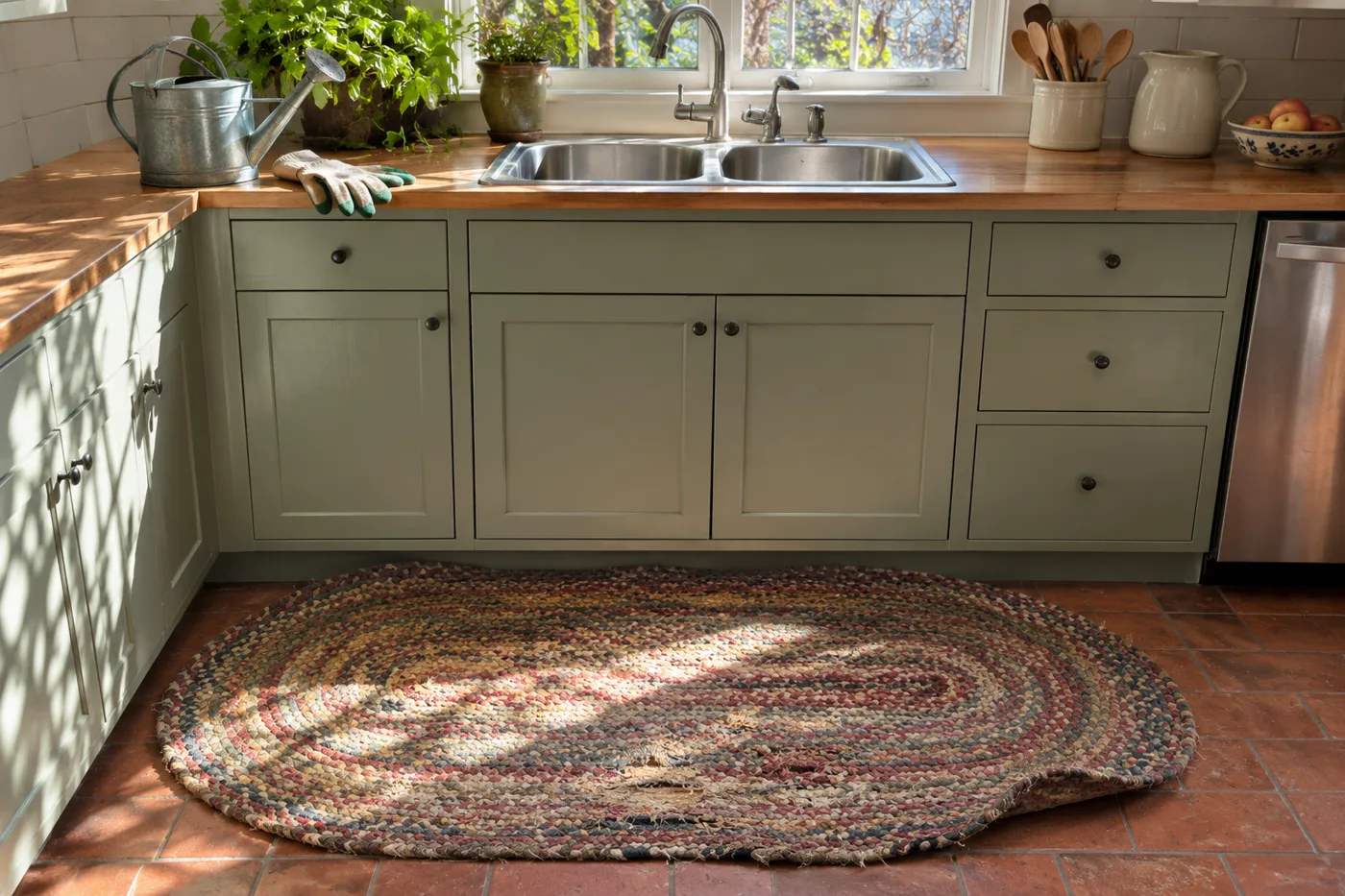
Plenty of kitchens have one: the little braided rug in front of the sink, with the corner that curls up no matter how many times you flatten it with your foot.
Loose rugs are on the CPSC’s list of tripping hazards to clear out of a home. A rug that stays put may not have to go, though. A non-slip pad underneath can help keep it from sliding.
If a rug still slides or won’t lie flat even with a pad, take it out. It has done its time.
#18 Carrying an overflowing laundry basket downstairs
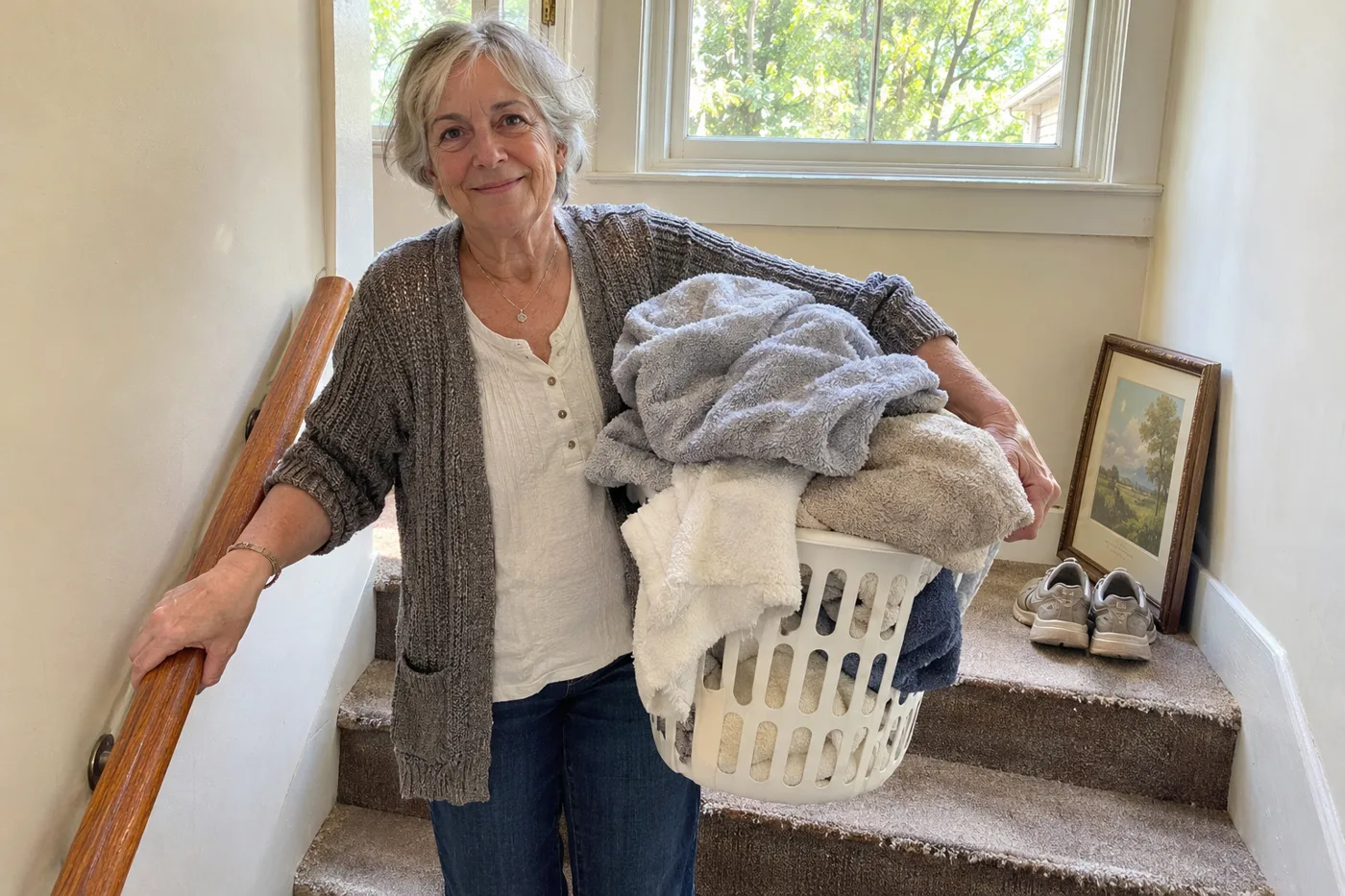
The basket is heaped so high the top towel brushes your chin, and the stairs are somewhere under it. You go by memory.
VNA Health Group, a home-health nonprofit, says to keep at least one hand free for the railing, and to ask for help when something blocks your view of the steps. The CPSC adds handrails on both sides and stairs that are well lit and clear.
Split the laundry into loads small enough that you can see the steps and keep one hand on the rail. If the basket still blocks your view or takes both hands, it’s still too full.
#17 Pouring bacon grease down the drain
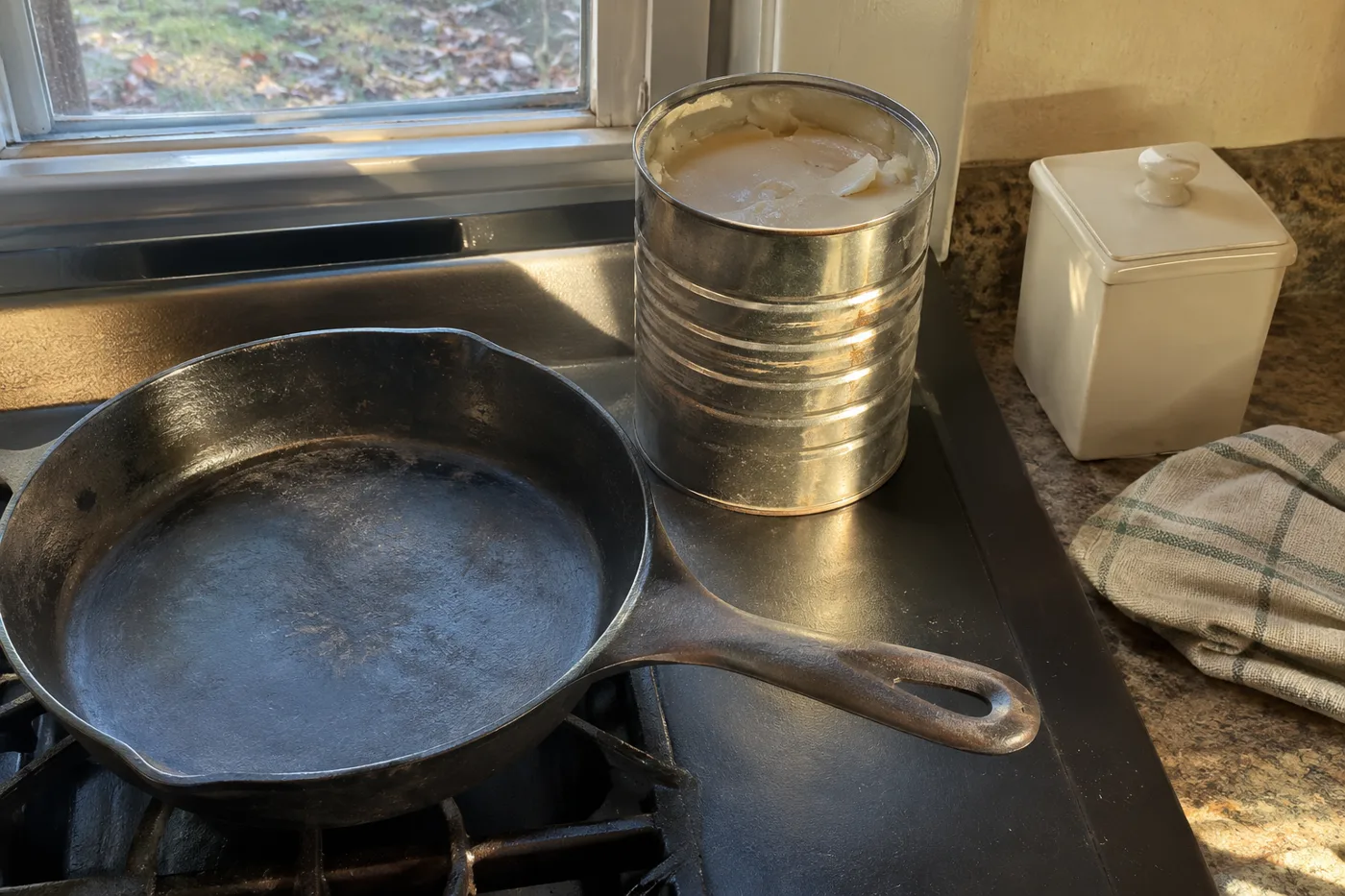
A coffee can sat on the back of the stove, slowly filling with bacon drippings. Somewhere along the way the can disappeared, and the grease started going down the sink with a long run of hot water.
Hot water and dish soap only break the grease up for a while, a California sewer district says, and then it moves further down the line. Salem, Virginia’s wastewater department calls it a myth: the water cools, and the grease hardens in your pipes.
Pour small amounts into a container you were going to throw out anyway, let it harden in the fridge, then put it in the trash.
The coffee can was right all along.
#16 Skipping the dryer lint screen
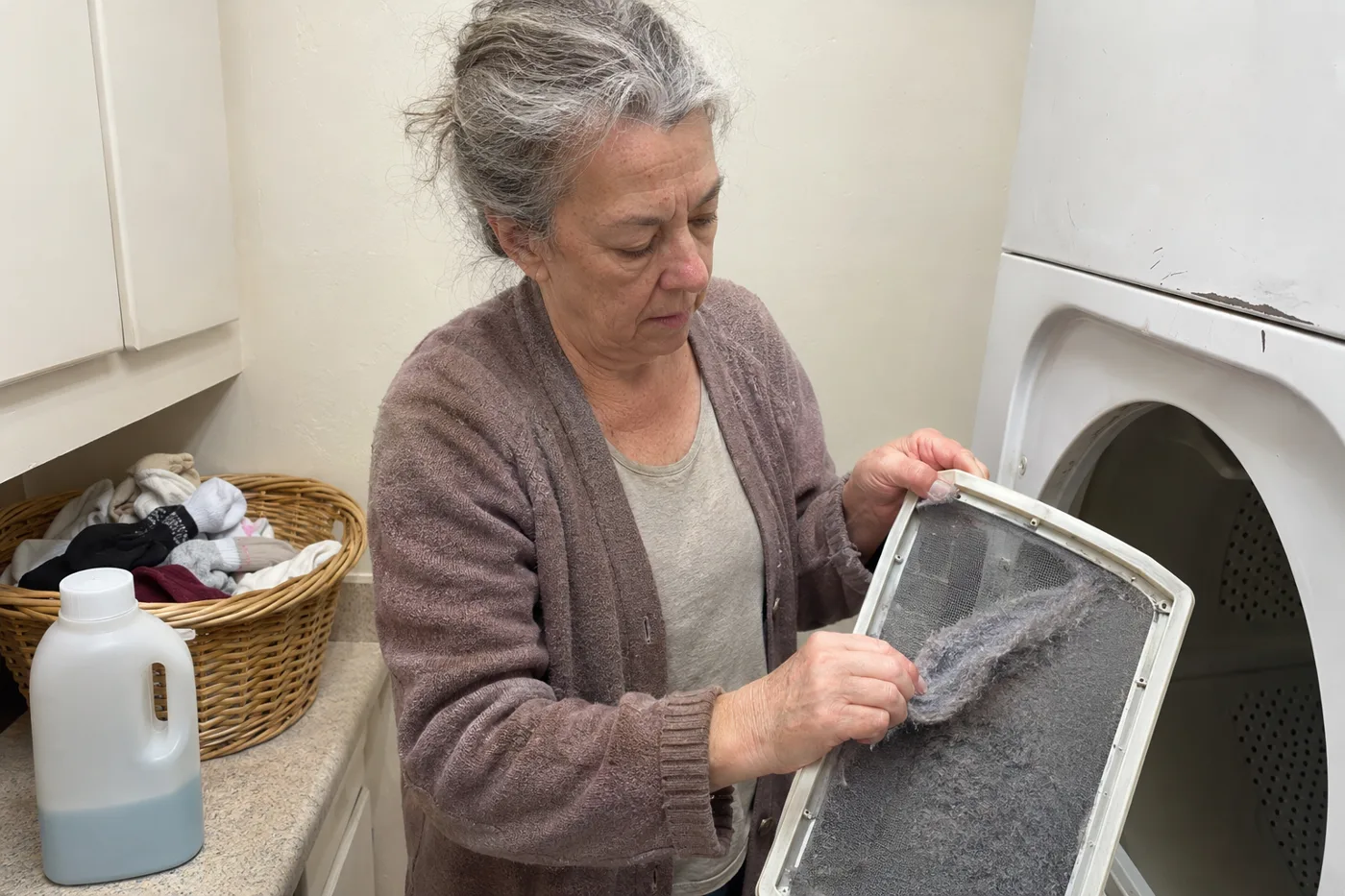
The lint screen is coated in gray fuzz, and you know you should peel it off. You’ll get it next load.
Failure to clean was the leading factor in home clothes dryer fires from 2018 to 2020, the U.S. Fire Administration reports. It was behind 31% of them.
Clear the screen every load, before you turn the dial. Every so often, check the vent hose behind the dryer and the flap outside, too. If you see lint packed in there, that’s your next job.
#15 Using fabric softener on bath towels
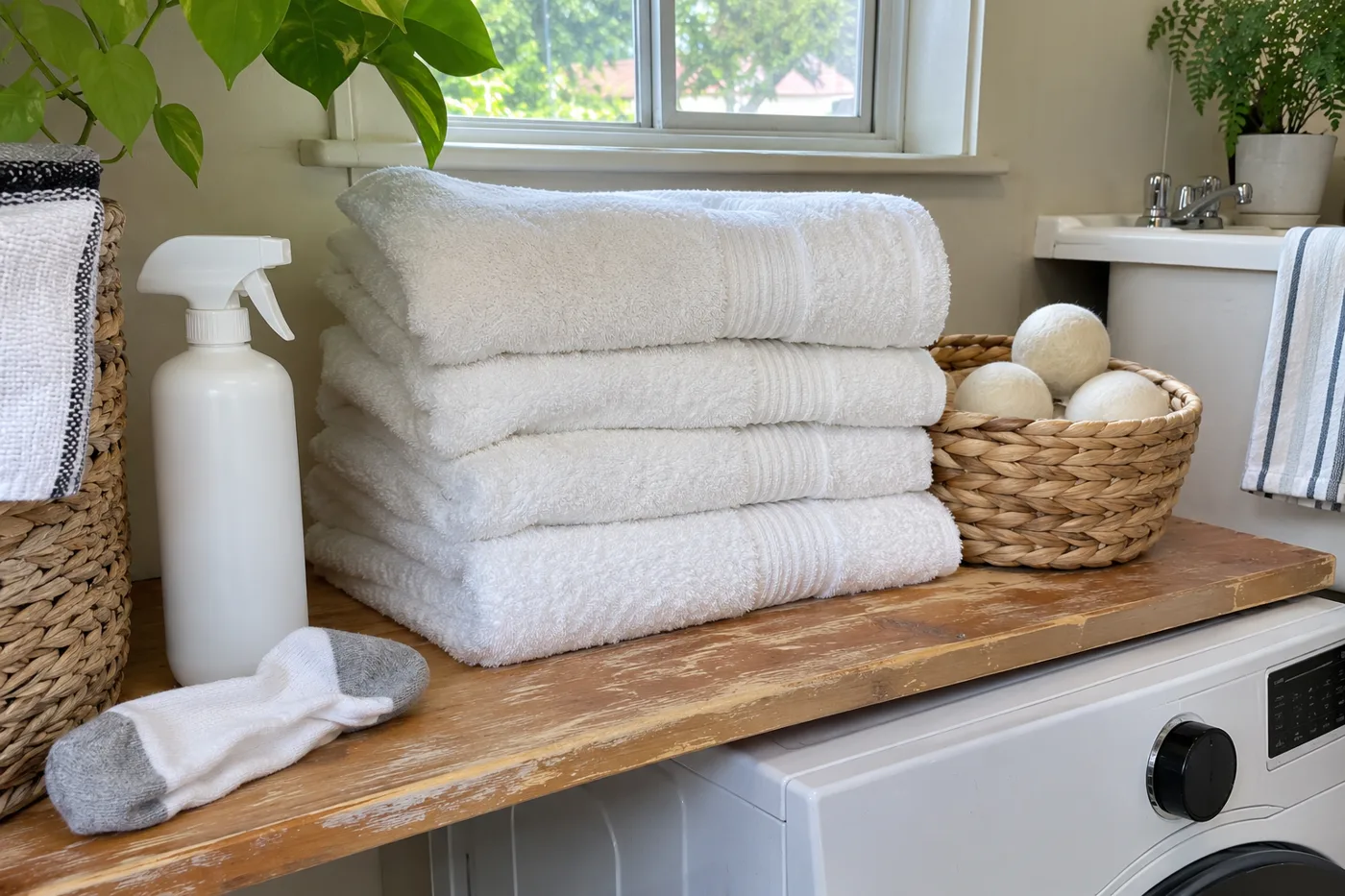
Fresh towels used to mean a capful of softener in the rinse and a stack that felt like a hotel’s. You probably also got towels that push water around your back instead of soaking it up.
Cleaning expert Jolie Kerr says softener cuts a towel’s ability to absorb water and can trap a musty smell in the fabric. A towel has one job, and softener works against it.
Leave the softener out of towel loads. Wool dryer balls can take over the softening, and they’ll knock around the dryer for years.
#14 Wiping stone counters with vinegar

Vinegar and water in a spray bottle costs pennies. Keep it off stone counters.
The Natural Stone Institute warns that lemon, vinegar and other acids can dull or etch marble, limestone and travertine. On granite, vinegar may break down the sealer, if one has been applied. Sealer only goes so far, too. The institute says it makes stone more resistant to stains, not stain proof.
If you have stone counters, the fix is already by the sink: a little mild dish soap in warm water.
#13 Spraying cleaner straight onto the TV
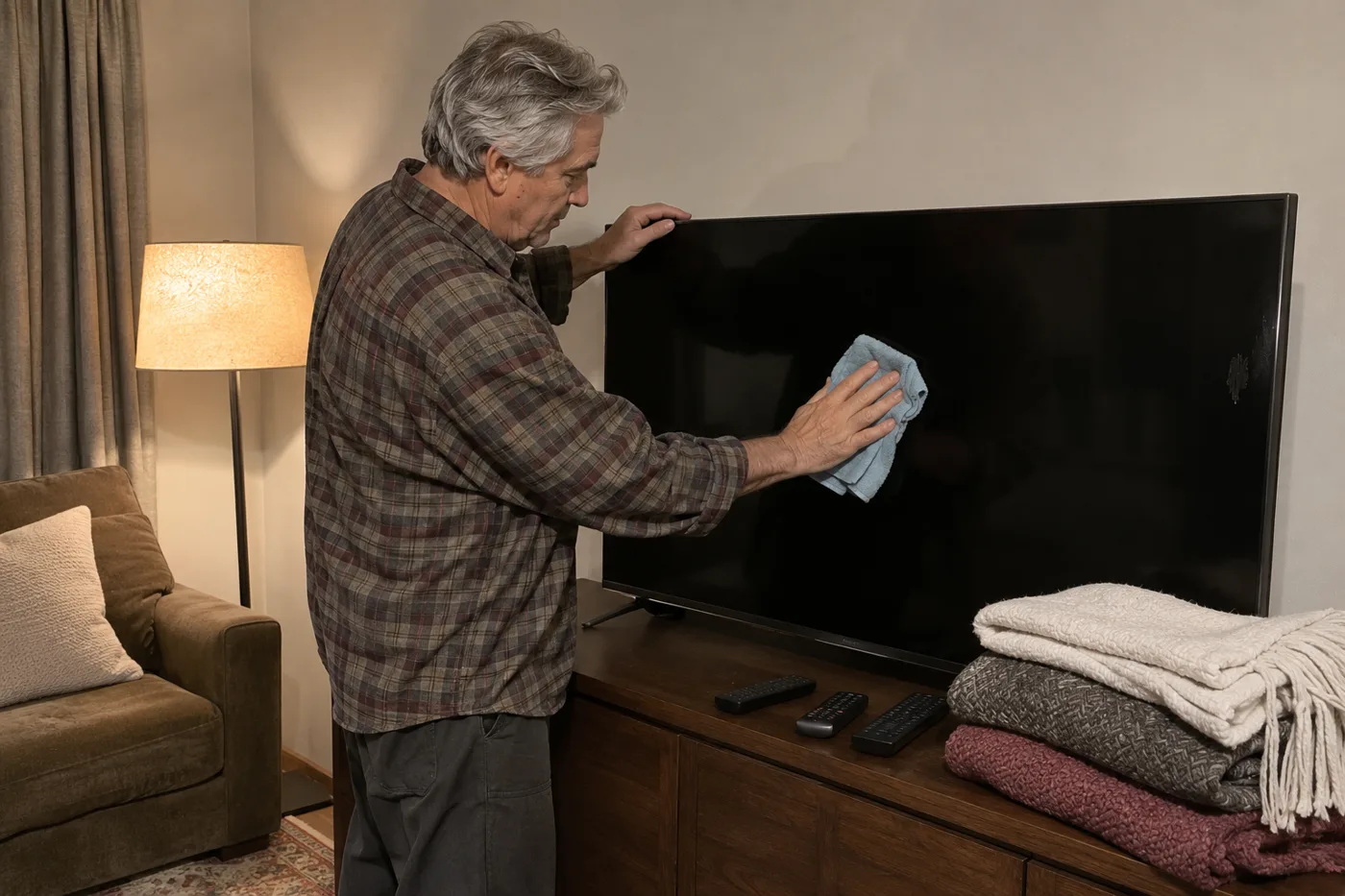
Wiping the old tube TV meant hearing the static crackle under the cloth. That glass could take a squirt of window cleaner. Today’s flat screen is a different animal.
Samsung’s own instructions say never to spray liquid straight onto the set, because liquid that gets inside can cause a failure, fire or electric shock. Window cleaner, alcohol and ammonia are on its never list too. They can scratch the screen or strip the coating that cuts glare.
Use a barely damp microfiber cloth instead. Other brands’ rules may differ, so check your TV’s manual.
#12 Dusting with a feather duster

There’s something satisfying about a feather duster: one flick across the lamp, the bookcase and the piano, and it all looks better.
Mostly, the dust just went up. Home-organization expert Anita Birges says feather dusters redistribute dust into the air instead of removing it, and it settles again later. Microfiber, she says, actually traps it.
Conservators in Britain have their own complaint. The Institute of Conservation advises keeping feather dusters off polished furniture because they can scratch the finish.
Keep the feathers if you love them. They look lovely in a tall vase.
#11 Rinsing every dish before the dishwasher
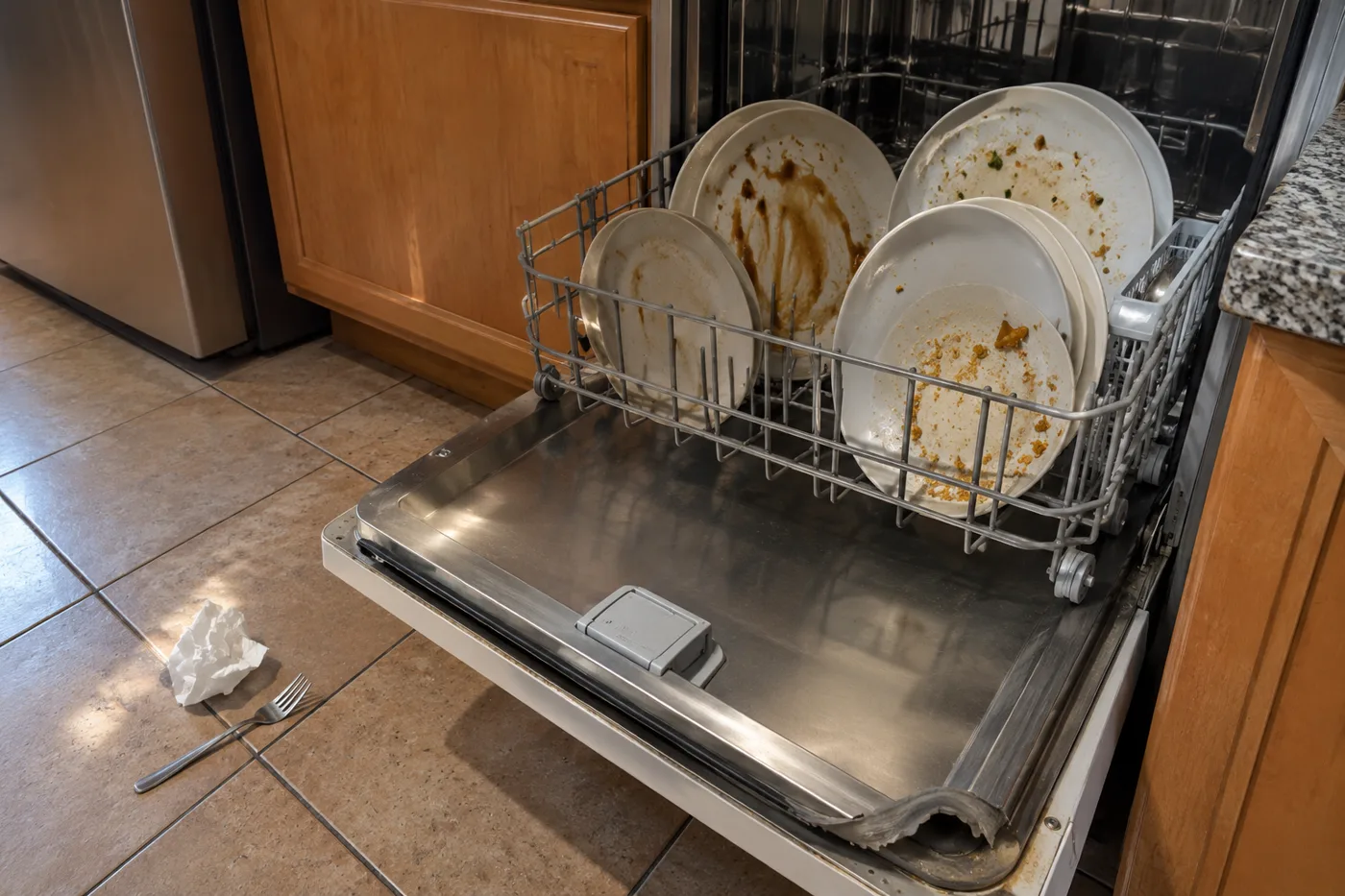
Many people were taught to rinse every plate until it was nearly clean, then load the dishwasher to finish the job. It feels responsible.
Consumer Reports says prerinsing tricks the dishwasher into thinking the dishes are already clean, so it cuts the cycle short. Modern detergents carry enzymes that eat away at food residue.
Prerinsing wastes about 20 gallons of water. A whole dishwasher cycle uses 4 to 5 gallons.
If you have a dishwasher, scrape the plates into the trash and load them as they are. The leftover gravy is what the detergent is there for.
#10 Simmering a scented cleaner on the stove

A pot of water, a capful of scented floor cleaner, low heat, and the whole house smells like spring. The idea gets passed around online, and it sounds harmless enough.
In July 2026, Starkville, Mississippi fire marshal Mark McCurdy said his department had responded to three or four fires linked to it. “Cleaning products obviously aren’t designed for boiling purposes,” he said.
Heated cleaners can also give off fumes that irritate your airways.
The fire marshal had a better idea: water, a couple of cinnamon sticks and some orange peels. Even then, stay in the room while it simmers.
#9 Disinfecting every surface every day
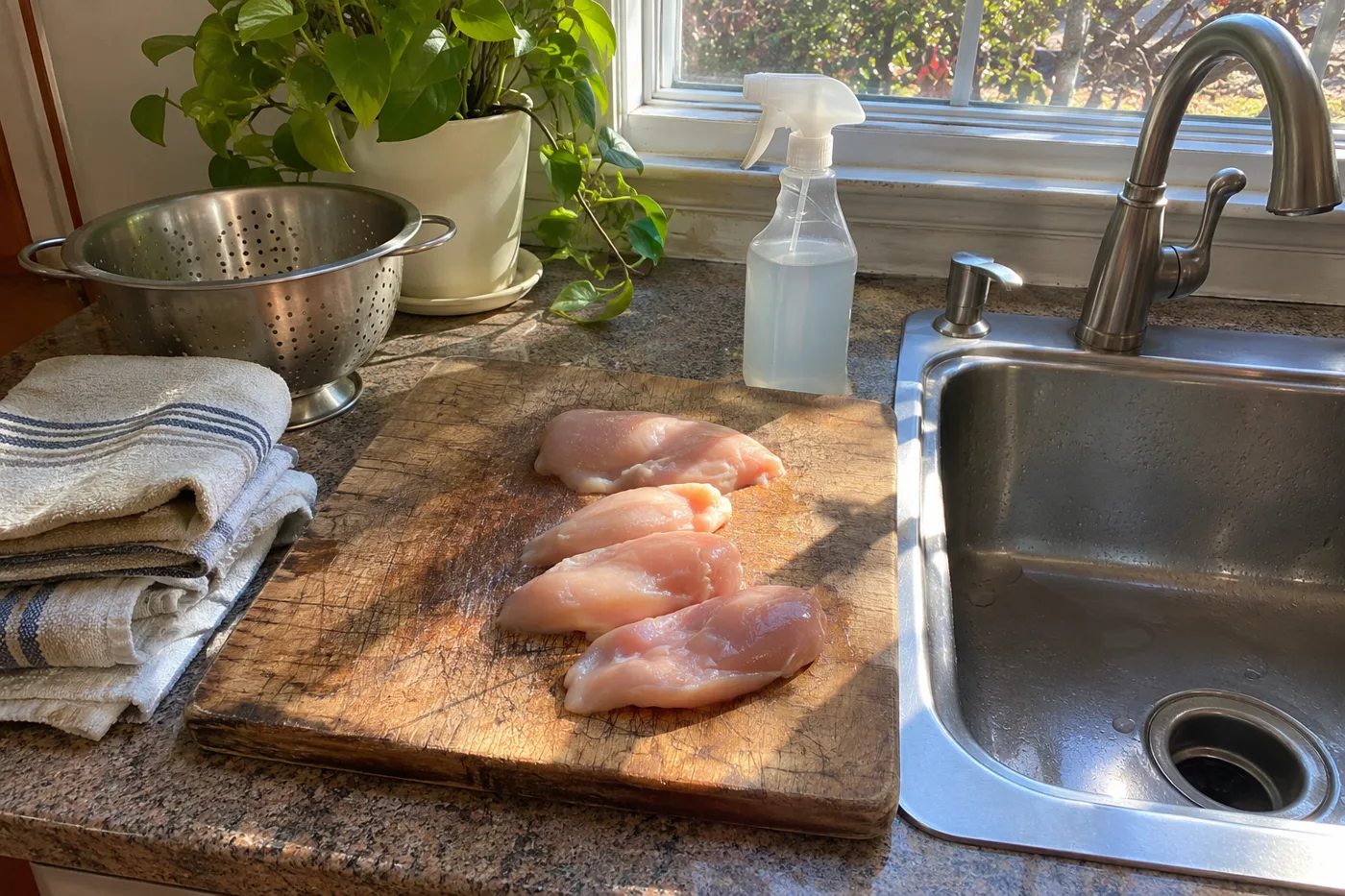
Some kitchens get a coat of disinfecting spray on every counter, every handle and every light switch, every single day. It smells clean. It feels like protection.
Cleaning and disinfecting are not the same thing. The CDC puts it simply: cleaning removes most germs, dirt and grime. Disinfecting kills most germs, and it’s needed when someone in the house is sick or has a weakened immune system.
So on most days, in a healthy house, plain cleaning is enough. The exception is raw meat: for anything raw meat, poultry or their juices have touched, including the inside of the sink, follow the CDC’s sanitizing steps.
#8 Using oven cleaner with the windows shut
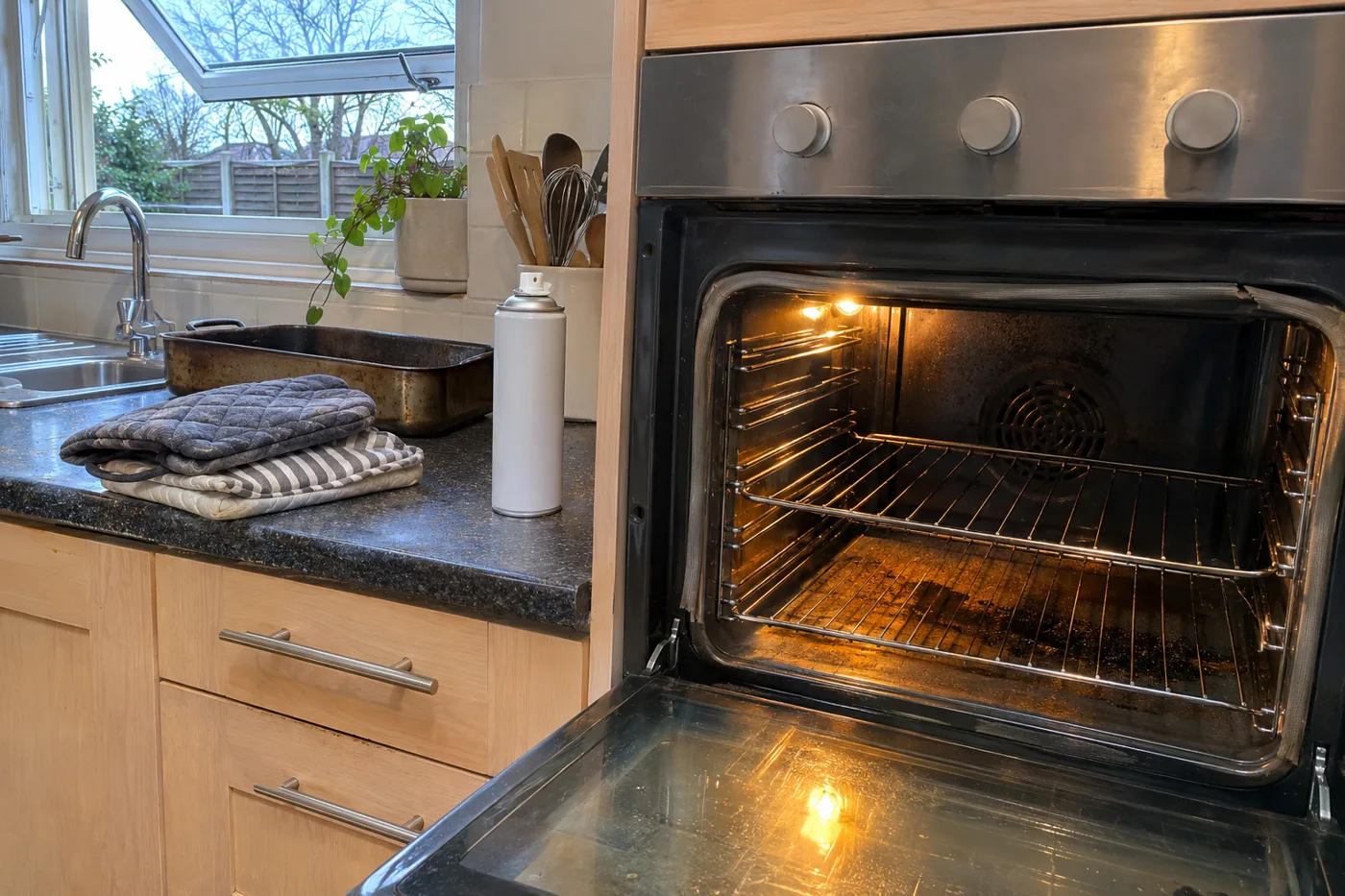
The holidays are coming, and the oven floor has a year of drips baked onto it. The door drops open, you lean in with the can, and the windows stay shut against the cold.
Oven cleaners are on MedlinePlus’s list of products made with lye, a harsh chemical also called sodium hydroxide. Breathing it in can swell your throat and make it hard to breathe.
Poison Control’s advice is to open a window or door and run an exhaust fan while you work. Crack the window even when it’s cold, and keep the aerosol can off the stovetop and away from any heat.
#7 Storing cleaner in old, unlabeled jars
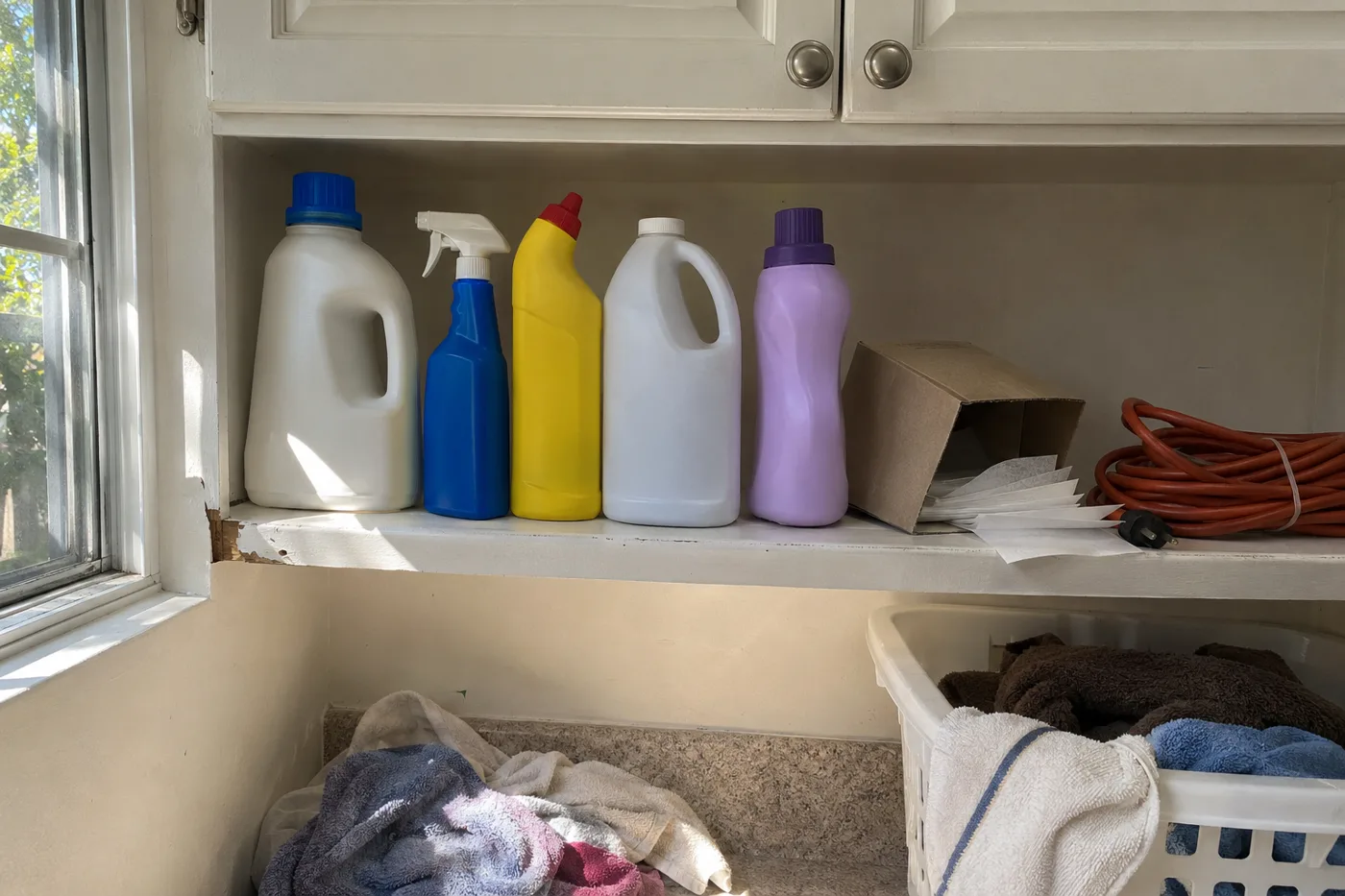
A jar of homemade cleaner under the sink. A spray bottle refilled so many times the label wore off years ago. You know exactly what’s inside. Nobody else does.
PeaceHealth says to keep cleaners in their original containers, so anyone who picks one up knows what it is. If you mix your own, label the jar.
This matters most if small children ever visit. A Nationwide Children’s Hospital study counted about 240,800 ER visits for cleaning-product injuries among kids 5 and under from 2007 to 2022, roughly one every 35 minutes.
If small children ever visit
- Keep every product in its original, labeled bottle
- Store cleaners up, away and out of sight, locked if you can
- Move drain opener and oven cleaner out from under the kitchen sink
#6 Kneeling over the tub to scrub it
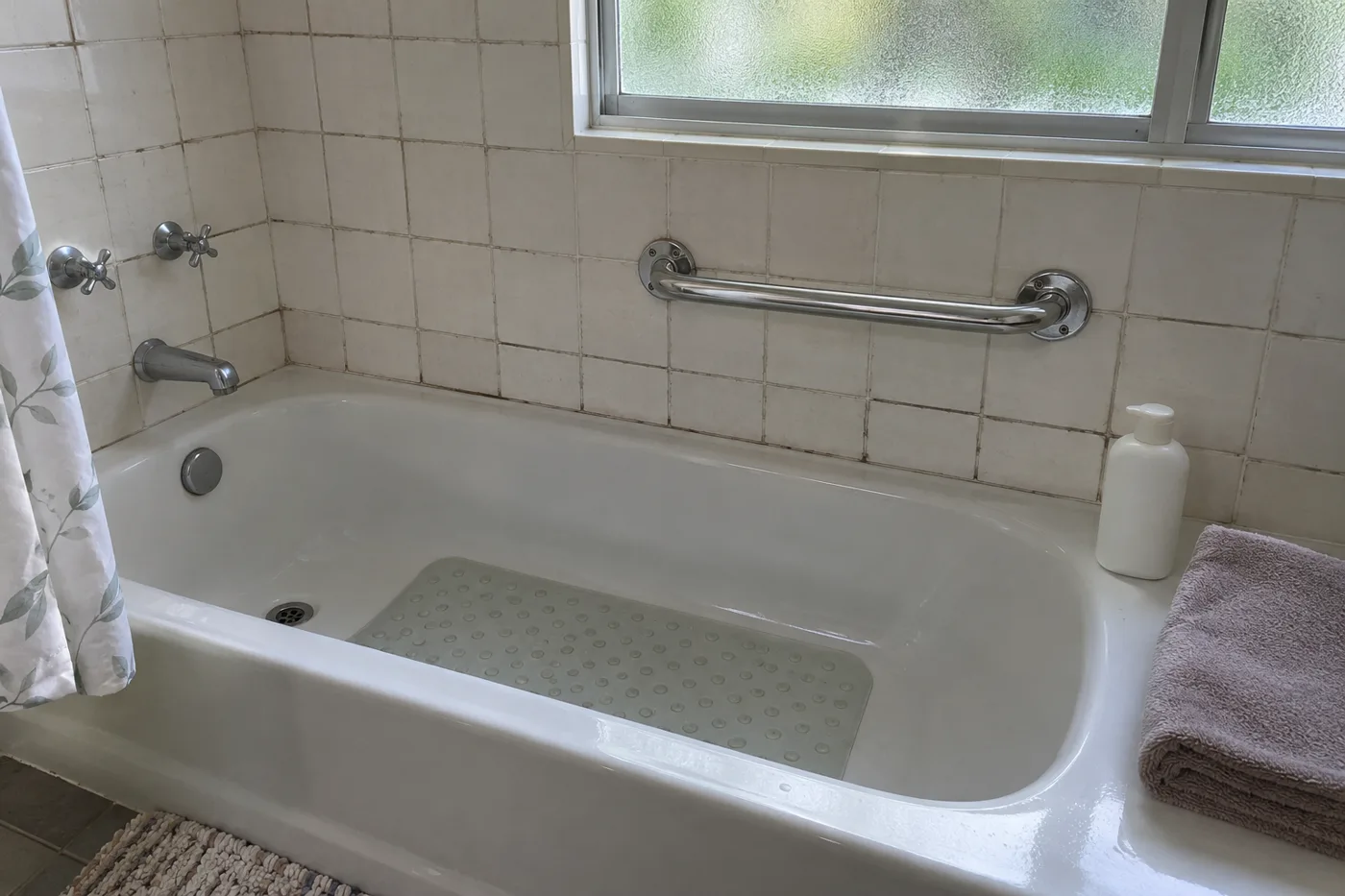
Down on your knees on the bath mat, leaning over the edge to reach the far side where the ring always settles. Then comes the getting up, one hand braced on a wet rim.
Bathrooms are hard places to keep your footing. The CDC recommends grab bars inside and outside the tub or shower, and the CPSC adds slip-resistant surfaces. A grab bar gives that hand something better than a wet rim.
Scrub less, too. Let the cleaner sit and do some of the work first, so there’s less to reach for.
#5 Pouring vinegar into the dishwasher or washer
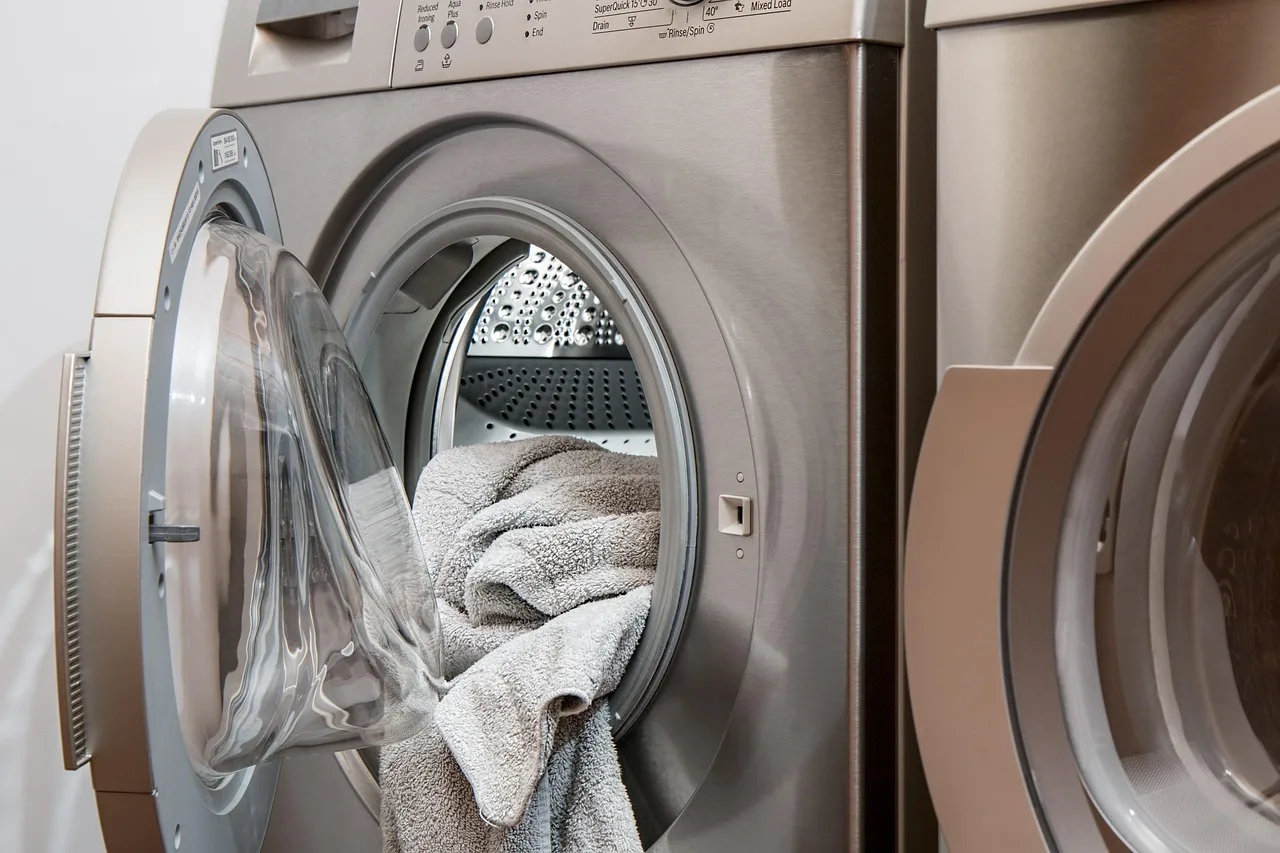
A cup of vinegar in the dishwasher, a cup in the washing machine, and everything comes out fresh. It’s a tip that gets handed down like a recipe.
Appliance repair-shop owner Steven Grayson told Consumer Reports that vinegar can damage the rubber seals and hoses in some washing machines, which can lead to leaks. Front-loaders are especially at risk.
Vinegar’s acid can eat at a dishwasher’s rubber parts too, Oregon State chemistry professor May Nyman told Consumer Reports. And in the magazine’s lab, dishwasher-testing lead Larry Ciufo found it “didn’t do a thing” as a dishwasher cleaner.
Check your machine’s manual for what its maker suggests instead. Save the vinegar for the salad.
#4 Hauling out every box at once to declutter

It starts with good intentions on a Monday morning. The closet gets emptied onto the bed, three boxes come up from the basement, and by two o’clock there’s nowhere to sit and you can’t remember what you were looking for.
Downsizing expert Matt Paxton suggests a smaller start he calls the 10-10 method: take out 10 things in 10 minutes, and stop. “It helps you start easily and end quickly, so you never get so exhausted that you quit.”
#3 Dusting shelves of collectibles for hours
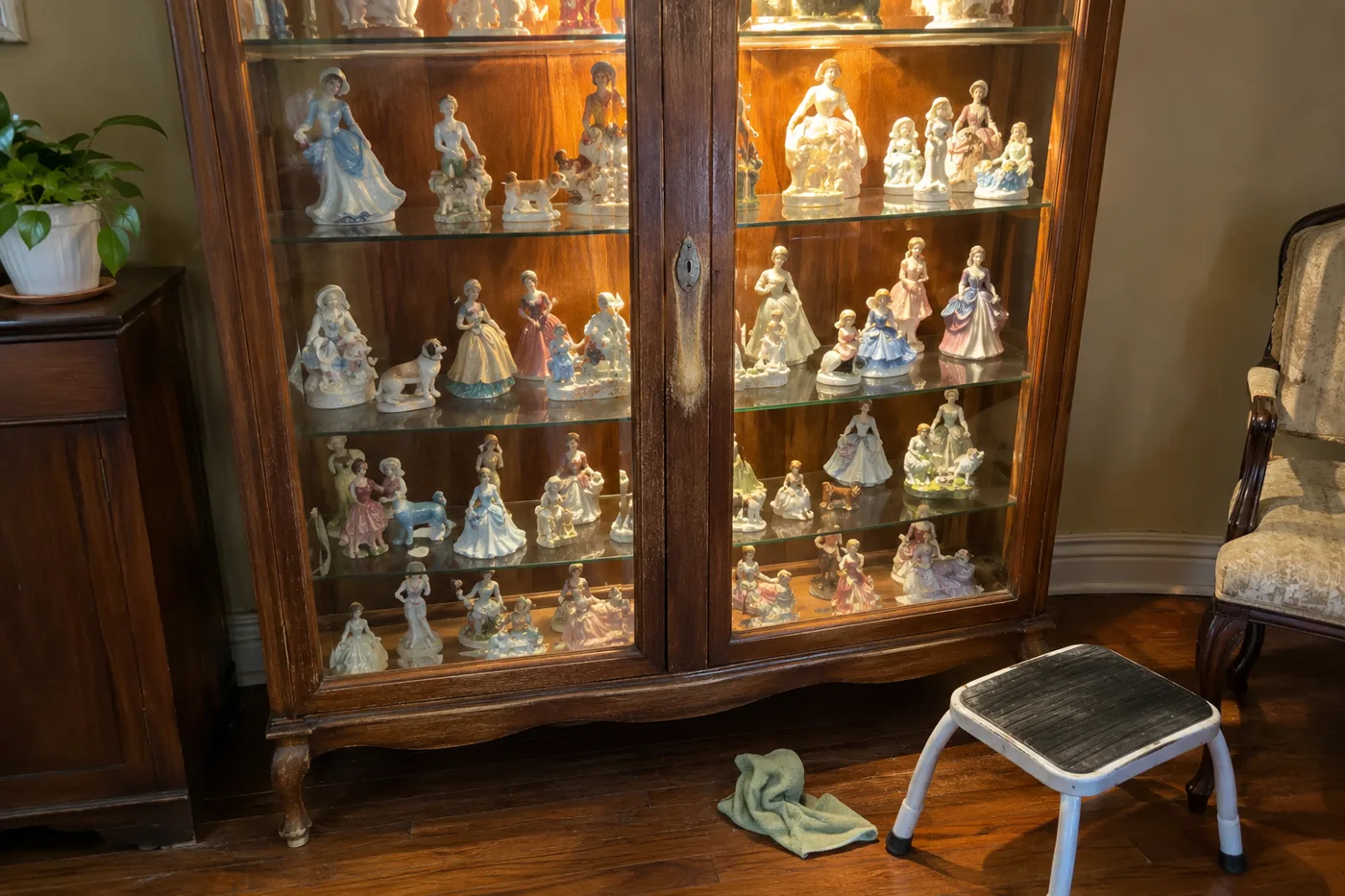
The figurines in the curio cabinet, the spoon rack, the little village that comes out every December. Each piece gets lifted, dusted and set back exactly where it was, and there goes the afternoon. If the dusting has stopped being fun, the fix may be a smaller collection, not a faster dust cloth.
Reyne Hirsch, co-owner of Dallas Auction Gallery, suggests selling the affordable pieces on Facebook Marketplace and consigning the rare ones to auction. Take a photo of each piece before it goes.
Several charities offer free pickup in many areas, so check that one serves your address and takes your pieces before you book. The Salvation Army takes pickup bookings online at satruck.org or by phone at 1-800-728-7825. No car required.
#2 Washing windows in bright sunshine

On the first bright day, out come the bucket, the squeegee and a stack of old newspapers, because that’s how it was always done. An hour later, every pane has streaks you can see from the driveway.
The sun did that. Window maker Marvin advises picking a time when the sun isn’t shining directly on the window, because it dries the cleaner before you can wipe it off. Cloudy days and shady sides work better.
Spring and fall are the best seasons for it. A gray fall afternoon is close to perfect.
#1 Re-cleaning because it never feels clean
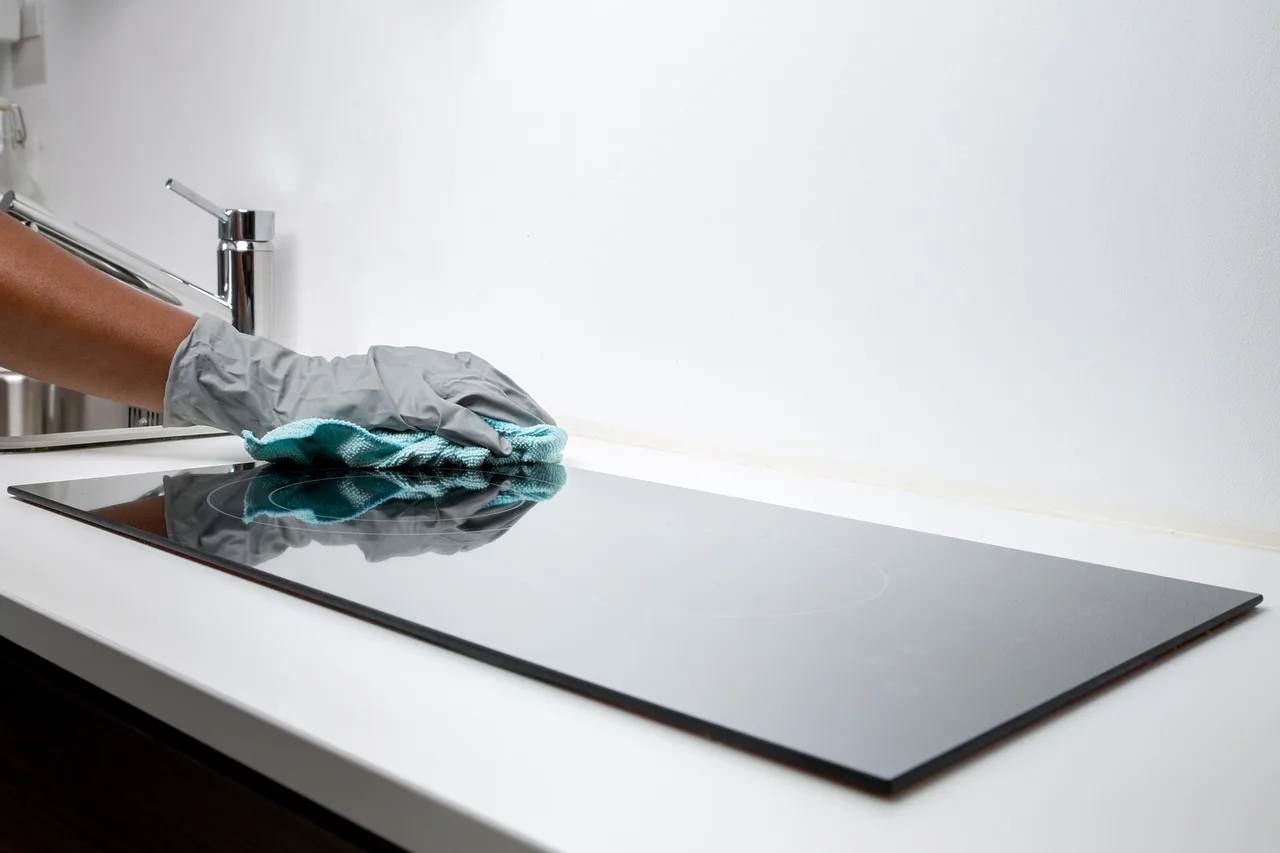
The counter is clean. You wiped it an hour ago. You wipe it again anyway, then the faucet, then the counter one more time, because it still doesn’t feel done.
For some people this goes back a long way, to someone who redid their chores right in front of them. Decades later the house is spotless and somehow still not clean enough.
Psychiatrist Dr. Jud Brewer says getting curious about what a habit actually gives you works better than forcing yourself to stop. So the next time your hand reaches for the cloth, ask what the third wipe gives you. If the answer is not much, hang the cloth over the faucet and go sit down.
The bottom line
Drop the habits that bring a fire, fume or fall risk first: the bleach mix, the chair under the hutch, the simmering pot, the full lint screen. After that, pick one of the routine changes, maybe the sponge by the sink, and try it this week.
Then ask yourself which chores you do because they need doing, and which you do because that’s how it was always done.
For an easy start today, clear the lint screen. It’s right there.
Bonus: 5 small swaps the pros make
- Dust first, then vacuum. Work from the top down so the falling dust lands on the floor, where the vacuum picks it up.
- Change the mop water as soon as it looks dirty. A cleaning-equipment maker’s hospital guidance warns that dirty bucket water spreads what you meant to clean up, and the habit works at home too. Wash the mop head after every use and let it dry completely.
- When you do disinfect, let it sit. Keep the surface visibly wet for the full time stated on the label. That time varies by product.
- Wash the shower curtain liner instead of tossing it, if its care label allows machine washing. Marla Mock, president of Molly Maid, says to wash the curtain and liner at least once a month to keep mildew away, with a towel or two in the load to balance it and scrub against the liner.
- Keep a cloth and a spray in every bathroom, the spray in its original labeled bottle and up out of sight if children visit. Many people say a trip to the garage or basement for supplies is all it takes to put a job off until next week.
Questions people also ask
Is it safe to mix bleach and vinegar?
No, it isn’t safe. Bleach mixed with an acid such as vinegar makes chlorine gas, and bleach mixed with ammonia makes chloramine gas. The CDC’s advice is never to mix cleaning products at all. Use one, rinse with water, then use the next.
How often should I replace my kitchen sponge?
About once a week. Researchers who studied used kitchen sponges found that the ones people cleaned regularly held just as many bacteria as the ones nobody cleaned.
Can I clean granite or marble counters with vinegar?
It’s best not to. Vinegar can etch marble and similar stone, and on granite it may break down the sealer, if one has been applied. The Natural Stone Institute recommends a neutral stone cleaner or mild dish soap with warm water.
Do I need to disinfect my house every day?
Usually not. Regular cleaning removes most germs, and the CDC says disinfecting is needed when someone in the home is sick or has a weakened immune system. For anything raw meat, poultry or their juices have touched, including the sink, follow the CDC’s sanitizing steps.
Is it bad to rinse dishes before loading the dishwasher?
Yes, it can work against you. Consumer Reports says prerinsing can make the machine think the dishes are clean and cut the cycle short. Scrape food into the trash and let the detergent’s enzymes handle the rest.
How do I get rid of a collection without a car?
Look for a free charity pickup, and check that the charity serves your address and takes your pieces before you book. The Salvation Army schedules pickups online at satruck.org or at 1-800-728-7825, and Habitat for Humanity ReStores schedule pickups online too. Goodwill’s policies vary by store, so check with yours first.
Related posts:
17 Things in Your Mother's Sewing Box Worth Keeping
26 Things Grandchildren Remember About Your House That You Never Notice
23 Thanksgiving Dishes From the 1970s That Faded From the Table
26 Church Cookbook Desserts That Nobody Makes Anymore
25 Church Bazaar Crafts Every Town Sold That Nobody Makes Anymore
23 Things People Over 60 Still Do When Decorating That Designers Beg Them to Stop

- 24 Things People Over 60 Still Do When Cleaning That Experts Beg Them to Stop - November 6, 2026
- 21 Handmade Gifts From the 1970s Your Grandchildren Have Never Seen - November 6, 2026
- 25 Homemade Christmas Decorations From the 1960s, and What Became of Each One - November 6, 2026
Leave a Reply