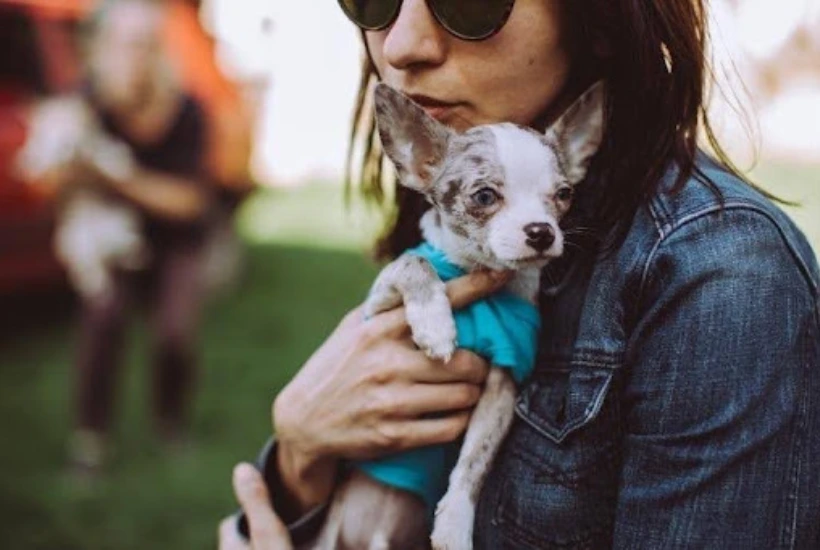
Your Chihuahua’s first year will involve more veterinary visits, dietary changes, behavioral milestones, and new-owner decisions than any other period of the dog’s life. You may forget most of the details unless you write them down. When did the puppy get its second round of vaccinations? What brand of food did the vet recommend at the four-month mark? When did the trembling during car rides stop?
A puppy care journal gives you one place to record all of it. This article walks you through what to include, how to organize it, and what Chihuahua-specific details are worth tracking from day one.
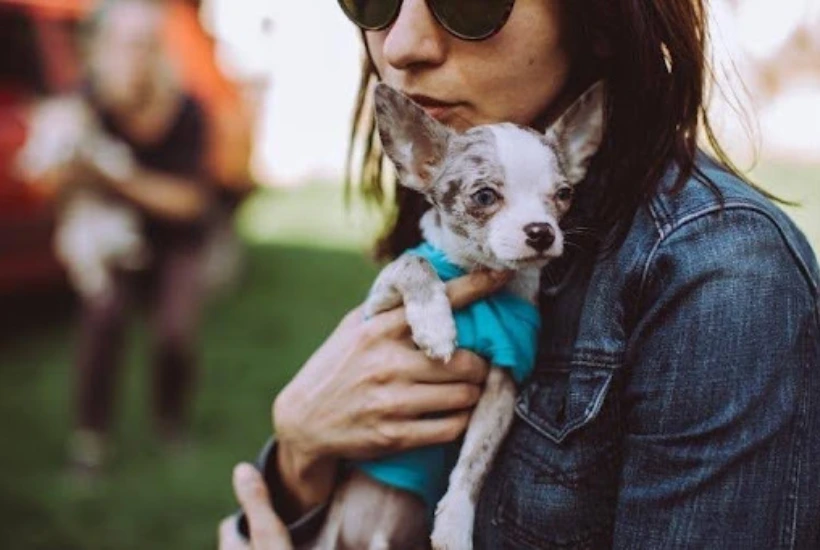
Photo by miodrag ignjatovic from Getty Images Signature on Canva.
Start With the Records You Already Have
Before you write anything new, gather the paperwork that came with your puppy. You should have vaccination records, a deworming schedule, microchip registration information, and any health notes from the breeder or seller. If your Chihuahua was purchased through a platform like HonestPet, you may have received digital health records, insurance enrollment details, and microchip information as part of the transaction. You can check out HonestPet to see what documentation is typically included with a Chihuahua listing, which gives you a sense of what records to expect and organize from the start.
Copy or paste these into the first section of your journal. If the records are digital, print them or save them in a dedicated folder on your phone. If they are handwritten, photograph them so you have a backup. This section becomes your puppy’s medical baseline, and your vet will reference it at every visit during the first year.
Track Vaccinations and Vet Visits
Chihuahua puppies typically need three to four rounds of core vaccinations between six and sixteen weeks of age, followed by a rabies vaccine and a one-year booster. Your vet will set the schedule, but you’re responsible for keeping track of it.
Create a simple timeline in your journal with the following columns: date, vaccine or treatment administered, the vet’s name, and any reactions you noticed afterward. Chihuahuas are prone to vaccine reactions because of their low body weight, so note any lethargy, swelling at the injection site, vomiting, or loss of appetite in the 24 to 48 hours after each visit. If a reaction occurs, your vet will want to know exactly what was given and when.
Add a row for each non-vaccination visit as well. Record dental checks, fecal tests, spay or neuter dates, and any bloodwork results. At the end of the first year, you will have a complete medical history in one place instead of relying on the vet’s files alone.
Log Food Changes and Feeding Reactions
Chihuahuas have fast metabolisms and sensitive stomachs. During the first year, you will likely switch from the breeder’s food to a brand your vet recommends, then transition from puppy formula to adult food around the nine- to twelve-month mark. Each switch can cause digestive upset for your puppy if done too quickly.
In your journal, record the brand and formula name every time you change its food. Note the date you started the transition, how many days you took to blend the old and new food, and how the puppy responded. Loose stools, vomiting, refusal to eat, or increased gas are all worth noting. If your pet doesn’t tolerate something, you need to know exactly what it was so you can avoid similar formulas later.
Also keep track of what treats you give it and how frequently you give it treats. Chihuahuas gain weight quickly. Write down what treats you are using for training and roughly how many per day. Your vet may ask about this if the puppy’s weight starts climbing above the expected range.
Record Behavioral Milestones and Setbacks
Chihuahuas are often anxious around strangers, reactive to loud noises, and slow to warm up to unfamiliar dogs. These tendencies usually become obvious during the first year, and tracking them helps you and your vet or trainer identify relevant patterns.
Note the dates when your puppy first met another dog, first encountered children, first rode in a car, and first stayed home alone. Write down how the puppy reacted each time. Did it tremble, bark, hide, or engage calmly? If you are working with a trainer, these notes provide specific information rather than vague descriptions like “she gets nervous sometimes.”
Also record house training progress. Write down when accidents stop happening every day and when the puppy starts letting you know it needs to go outside. These milestones are easy to forget once they pass, but they are useful if you ever need to discuss developmental progress with a vet or behaviorist.
Track Its Weight and Growth Monthly
Chihuahuas reach their adult weight between nine and twelve months, and most will weigh between two and six pounds fully grown. Because the range is wide, tracking your individual puppy’s growth curve is important.
Weigh your Chihuahua at least once a month and record the date and weight in your journal. A kitchen scale works well for puppies this size. If the puppy’s weight plateaus unexpectedly, drops, or spikes, you will have the data to show your vet rather than guessing when the change started.
Note any physical changes alongside the weight entries. When did the adult coat start coming in? When did the ears fully stand up? When did the puppy lose its baby teeth? These details round out the growth record and help you notice if anything seems delayed or unusual compared to breed norms.
Set Up an Emergency Contact Page
Dedicate one page at the front or back of the journal to emergency information. Write down your regular vet’s name, phone number, and address. Add the nearest emergency veterinary clinic and its after-hours number. Include the ASPCA Animal Poison Control Center hotline (888-426-4435) and your microchip registry’s contact information.
If your Chihuahua ever needs urgent care and someone else has to take it, they can find everything they need on this page.
Conclusion
A puppy care journal doesn’t need to be elaborate. A simple notebook, a notes app, or a spreadsheet will work. What counts is that you update it consistently during the first year, when changes happen fast, and the details are easiest to lose. At your Chihuahua’s one-year checkup, you will be able to hand your vet a complete picture of the dog’s health, diet, behavior, and growth instead of trying to reconstruct it from memory.
Related posts:

- Creating a Family Emergency Plan Without Adding Stress - October 22, 2026
- How to Make the Most of Shoulder-Season Travel for Road Trips - October 22, 2026
- How to Reduce the Mental Load of Managing Your Child’s School Life - October 22, 2026

Leave a Reply