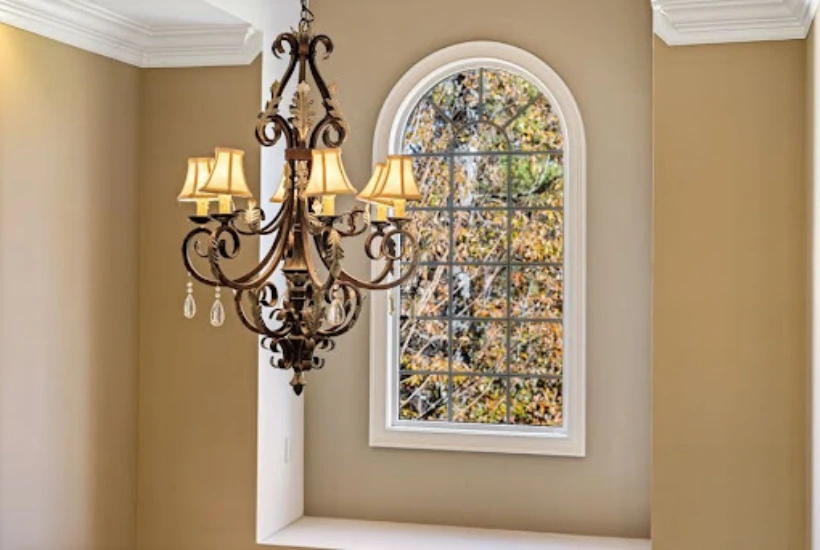
Your windows do more than let in light. They shape how your rooms feel, affect your energy bills, and can either sharpen your decor or quietly sabotage it. If you live in Denver, that balance matters even more because the city’s bright sun, dry air, hail, and dramatic temperature swings put real pressure on window choices. Picking the right style is part design decision, part performance upgrade, and a few parts avoiding expensive regrets.
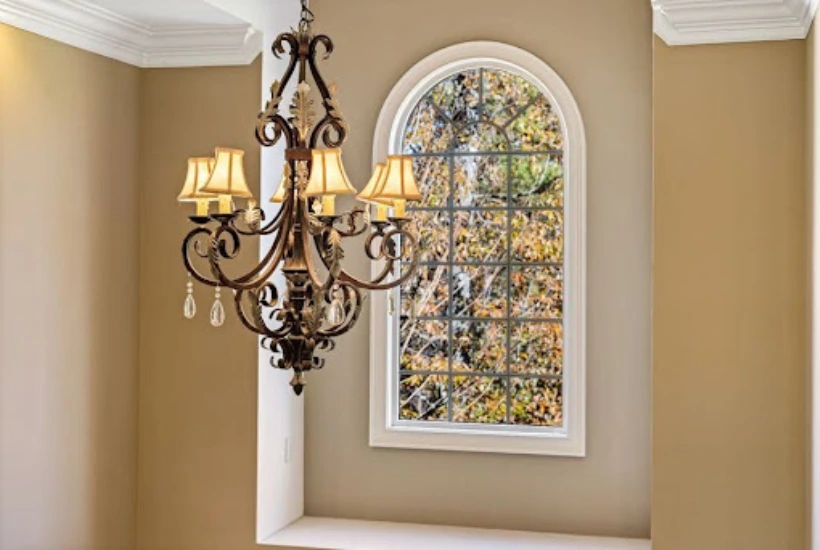
Start by looking at your room, not the catalog
It’s easy to scroll through sleek black frames and giant picture windows and assume they’ll work anywhere. Then reality walks in wearing bad proportions. Before you choose anything, study the room itself.
Look at:
– Ceiling height
– Wall color and trim
– The amount of natural light you already get
– Furniture placement
– The architectural style of your home
A modern grid window can look sharp in a minimalist living room but awkward in a cottage-style bedroom. In a room with heavy wood furniture, thin aluminum frames may feel too cold. In a bright, neutral kitchen, larger panes can make the whole space feel cleaner and more open.
Think of windows as part of the decor system, not a separate hardware purchase. If your sofa, rugs, lighting, and trim have personality, your windows need to keep up without starting a design argument.
Don’t ignore climate, especially in Denver
Pretty windows that perform badly are a classic homeowner trap. In Denver, sunshine is intense, winters can bite, and hail is not exactly subtle. Materials and glass packages matter more than many decor-focused articles admit.
When evaluating options, pay attention to:
– Low-E coatings for solar control
– Double- or triple-pane glass for insulation
– Frame materials that handle temperature swings well
– Impact resistance if storm exposure is a concern
– UV protection to help preserve flooring and fabrics
If you’re comparing options with a window contractor in Denver, ask how each product handles local weather rather than just asking what looks best. That gives you a far more useful answer.
A gorgeous window that causes drafts, fading curtains, or rising utility bills loses charm quickly. Home decor is supposed to improve daily life, not create a side quest involving space heaters and glare.
Match window style to the mood you want
Different window styles change the personality of a room faster than many people expect. A double-hung window often feels classic and flexible. Casement windows can look cleaner and a bit more contemporary. Bay windows add drama, but only when the room has enough space to support them.
If you’re trying to create a cozy reading nook, a wide window with a deeper sill can help. If your goal is a polished and airy dining room, large uninterrupted glass may work better.
A few practical pairings:
– Farmhouse interiors: grilles, warm trim, balanced symmetry
– Modern interiors: slim frames, simple lines, large glass area
– Traditional homes: double-hung designs, divided lites, detailed trim
– Small rooms: taller windows that pull the eye upward
This is where aesthetics meets common sense. A dramatic option might look great online, but if it fights your home’s scale, it turns stylish into slightly chaotic.
Use frame color and trim as design tools
Most people focus on the glass and style, then make a rushed decision on frame color. That small choice can completely change the mood of a room.
White frames tend to feel clean and familiar. Black frames add contrast and can make windows look more intentional, especially in modern or industrial spaces. Wood interiors bring warmth and can soften a room filled with painted surfaces.
Trim matters too. Thick traditional trim can make windows feel grounded and formal. Minimal trim creates a simpler, more contemporary look. If your baseboards and crown molding are detailed, plain window trim might feel disconnected.
Try to coordinate with these features:
– Interior door color
– Cabinet finish
– Flooring tone
– Hardware metals
– Existing molding profiles
Good window design often comes down to consistency. You don’t need everything to match perfectly, but it should look like the elements belong in the same house and had at least one productive meeting.
Think about function before you commit to a layout
Decor choices work best when they respect how you actually live. A fixed picture window may look amazing behind a sofa, but maybe that room needs better airflow. A casement window over a deep kitchen sink can be awkward to operate. A low window in a child’s room may need different safety considerations.
Ask yourself:
– Do you want more ventilation?
– Is the window easy to clean?
– Will curtains or shades block operation?
– Does the placement affect privacy?
– Will furniture interfere with opening or access?
Natural light is great, but glare on a TV or computer gets old fast. Large bedroom windows can feel luxurious, but if they face a close neighbor, you’ll need a plan for privacy that doesn’t kill the look.
The smartest upgrades solve practical problems while improving style. That combination usually ages better than trends.
Balance energy efficiency with the look you want
Energy-efficient windows have come a long way, but not every high-performance option fits every design goal. Some homeowners assume efficiency means bulky frames or limited styles. That used to be more true than it is now.
You can often find options that offer both:
– Strong insulation values
– Attractive frame profiles
– Custom grille patterns
– Interior finishes that suit your decor
– Glass packages tuned to sun exposure
In south-facing rooms, controlling solar heat gain can matter as much as insulation. In older homes, preserving character may be just as important as improving comfort. If your house has a distinct architectural identity, replacing windows with something generic can flatten the entire exterior and make interior decor feel less convincing too.
The best choice usually isn’t the cheapest unit or the fanciest one. It’s the option that fits your climate, your home’s style, and how you use each room day to day.
Plan the upgrade like a real project, not a weekend impulse
Window replacement affects design, comfort, budget, and resale value, so it helps to approach it methodically. Start with the rooms that need the most help. Maybe your living room feels dim, your bedroom gets drafty, or your dining space never quite looks finished.
A smart planning checklist includes:
– Measuring your priorities: style, efficiency, ventilation, cost
– Collecting photos of rooms you actually want to emulate
– Comparing materials and warranties
– Asking about installation details, not just product specs
– Considering exterior curb appeal along with interior decor
Poor installation can ruin even a quality window. Gaps, moisture issues, and uneven trim will not be disguised by a nice throw pillow. If you’re investing in your home’s look and performance, the installation needs the same level of attention as the product itself.
When you choose carefully, windows stop being background features. They become one of the strongest design moves in your home, while also making everyday life brighter, quieter, and more comfortable.
Related posts:
8 Minimalist Purple Nursery Printables
Blocked Toilet Myths That Could Be Making the Problem Worse
Fall's Finest: 20+ DIY Autumn Candle Ideas
Top 5 Premium Sofa Makers for Stylish & Functional Interiors (2025 Edition)
Metal vs. Upholstered Bed Frames: Which One Should You Choose?
Smart Ways to Keep Water From Ruining Your Yard and Foundation

- Easy DIY Shelving Projects for Beginners - October 6, 2026
- How Do You Know When Your Garage Door Needs Professional Repair in Houston? - October 6, 2026
- How to Make Healthy Habits Feel Less Like a Chore - October 6, 2026

Leave a Reply