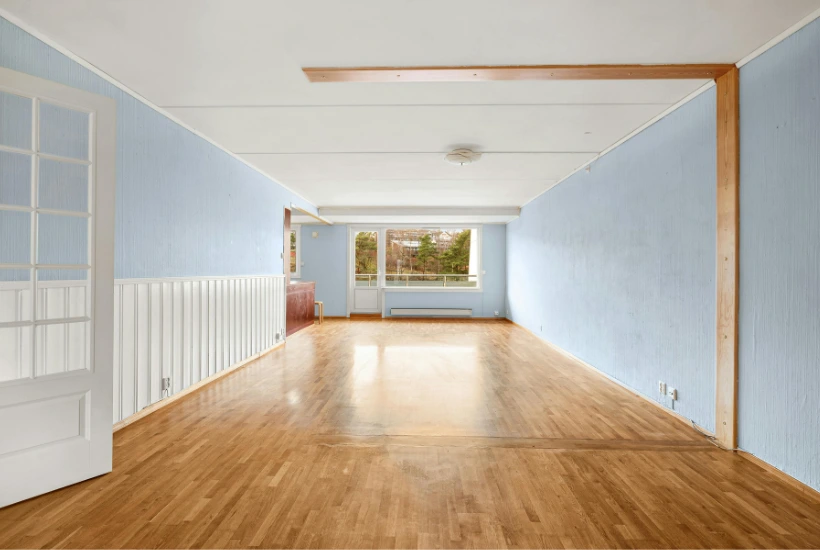
Rental properties often suffer from the same problem: plain magnolia walls that feel functional but forgettable. For landlords, that blandness can make a listing blend into the crowd, while tenants can struggle to make a space feel like home. Well-chosen interior wall panels offer a practical middle ground, adding texture, warmth and personality without the mess and expense of major building work. Below are seven creative ways to use them, along with a few practical points every landlord and tenant should consider before starting.
-
Create a Statement Feature Wall in the Living Room
The living room is usually the first space prospective tenants see, so it is the ideal place to make an impression. Panelling a single wall, such as the one behind a sofa or around a television, instantly creates a focal point. Textured finishes that replicate brick, stone, concrete or timber can give a modern flat an industrial or rustic feel without the weight and cost of the real material. Keeping the other walls neutral stops the room from feeling overwhelming and makes it easier for tenants to style with their own furniture.
-
Build a Panelled Headboard Wall in the Bedroom
Many rental bedrooms are let unfurnished or with only basic furniture, which can leave them looking sparse. A panelled section behind the bed acts as a built-in headboard, giving the room a boutique-hotel feel. Vertical slats or soft timber-effect finishes work particularly well here, as they add warmth and draw the eye upwards, which can make a room with a low ceiling feel taller. Because the feature is fixed to the wall, it also saves tenants the cost of buying a separate headboard.
-
Refresh a Tired Bathroom Without Retiling
Cracked tiles and stained grout are common complaints in older rentals, and retiling a bathroom is disruptive and costly. Waterproof wall panels, typically made from PVC or laminate-faced board, can often be fitted over existing sound tiles, cutting down on demolition and downtime between tenancies. They also have far fewer grout lines, which means fewer places for mould to take hold and less cleaning for tenants. Always choose panels specifically designed for wet areas and follow the manufacturer’s guidance on sealing joints and edges.
-
Protect and Smarten Up Hallways
Hallways take a battering in rental properties, from scuffs caused by bikes and pushchairs to knocks during move-in day. Half-height panelling, fitted from the skirting board to around a third of the way up the wall, protects the area that takes the most wear while adding a classic, tailored look. Painted or wipe-clean finishes are easy to maintain between tenancies, and a contrasting colour above the panelling can make a narrow hallway feel more welcoming.
-
Define Zones in Open-Plan Layouts
Open-plan living is popular, but without walls it can be hard to tell where the kitchen ends and the lounge begins. Using a different panel finish on one section of wall is a simple way to mark out a dining area, reading corner or workspace. This visual zoning helps tenants picture how they would use the space during viewings, which can make the property easier to let. Slatted panels are especially effective here, as their strong vertical lines naturally frame a specific area.
-
Give the Kitchen a Fresh Look
Replacing a kitchen is one of the most expensive upgrades a landlord can make, but updating the walls around it can make a dated space feel current. Easy-clean panels on the wall of a breakfast bar or dining nook add character while standing up to everyday splashes. If you want panels behind the hob or sink, choose products that are specifically rated for that use, since heat and moisture place extra demands on materials. A brick or stone-effect finish pairs well with simple white or wood-effect units for a café-style feel.
-
Create a Quieter Home Office Corner
With remote and hybrid working now common, many tenants actively look for somewhere to work from home. Acoustic slatted panels, which usually combine timber-effect slats with a sound-absorbing felt backing, can help reduce echo in a spare room or corner. While they will not soundproof a room or stop noise passing between flats, they can make video calls clearer and create a calmer working environment. Marketing a dedicated, stylish workspace can be a genuine selling point when advertising the property.
Practical Points Before You Start
Tenants should always get written permission from their landlord before fixing anything to the walls, as most tenancy agreements restrict alterations and unauthorised changes could lead to deductions from the deposit. Landlords, meanwhile, should think about durability, ease of cleaning and how easily panels can be repaired or replaced if damaged.
Fire safety also matters, particularly in communal areas such as entrance halls, corridors and stairwells in blocks of flats and HMOs. In England, Approved Document B of the Building Regulations sets fire performance classifications for wall and ceiling linings, and these are stricter for shared escape routes than for rooms inside a flat. Check that any product you choose carries the appropriate classification for where it will be installed, and ask suppliers for test evidence if you are unsure.
Related posts:
30+ Essential Diabetic Friendly Recipes To Make
Crisp to Cakes: 15+ Irresistible Rhubarb Dessert Recipes
Why End-of-Life Planning is the Ultimate Act of Self-Care
What Are The Challenges Of Sharing Your Home With A Tenant?
Here's How To Host The Best Pool Party For Your Friends This Summer
Hearty Choices: 20+ Best Healthy Filipino Recipes To Try at Home

- 5 Ways to Reduce No-Shows for Kids’ Trial Classes - October 20, 2026
- 7 Creative Ways to Use Interior Wall Panels to Add Character to a Rental Property - October 20, 2026
- What Are the Signs Your Houston Home May Need Professional Attic Cleaning? - October 20, 2026
Leave a Reply