Your roof does a lot of quiet work. It blocks rain, handles wind, and helps keep your home warm when the weather turns grumpy. The tricky part is that roof problems often start small, then grow while you’re busy decorating, cleaning, or just living life. That’s especially true in Lacey,
Washington State, where nearly 59,000 people call the city home, and the region sees around 49 inches of rainfall each year. All that moisture can gradually wear down roofing materials, making regular maintenance especially important for homeowners. If you want to avoid a surprise drip over your favorite chair, it helps to know what to watch for. A few simple checks now can save you stress, money, and a whole lot of indoor bucket placement later.
Homeowners in drier climates face a different but related challenge, since intense heat and UV exposure wear down roofing materials just as steadily as heavy rainfall does. A company like WDR Austin Roofing works with exactly that kind of climate, helping homeowners catch sun and heat-related wear before it turns into a bigger repair.
Small clues matter
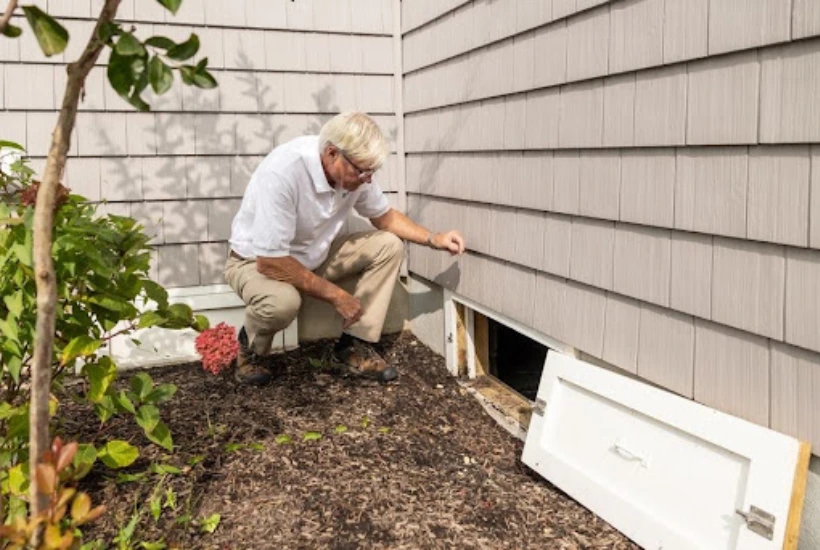
Some roof problems don’t show up with a dramatic leak and thunder soundtrack. They start with little hints that are easy to brush off. Maybe you notice a draft in one room. Maybe there’s a tiny water spot near a ceiling corner. Maybe a few shingles look a bit off when you pull into the driveway.
If those clues keep showing up, it may be time to have a local pro take a closer look. For example, if you live nearby and want someone familiar with local weather, a Lacey roofer can make sense for checking damage, wear, and weak spots before winter hits.
You should also pay attention to changes after a storm. Wind can loosen shingles without tearing half the roof away. Rain can sneak into one small gap and slowly create a bigger issue. Roof trouble loves to play hide-and-seek, which is rude, honestly.
Inside warning signs
Your house often tells you there’s a roof issue before your roof does. One of the most common signs is a brown or yellow stain on the ceiling. Even a small mark can mean moisture is getting in somewhere. It might not drip every day, but it’s still waving a tiny red flag.
You may also notice peeling paint near the top of walls, especially in rooms that stay humid. A musty smell in the attic or an upstairs closet can also point to trapped moisture. If insulation feels damp, that’s another sign something’s off.
Look around windows and upper corners too. If you spot mold, bubbling paint, or warped trim, your roof or flashing could be part of the problem. Not every stain means roof damage, but it’s worth checking. It’s much easier to deal with one suspicious patch than a full-blown indoor rain feature nobody asked for.
Outside trouble spots
A quick look from the ground can tell you a lot. Shingles should lie flat and look fairly even. If you see curled edges, cracked pieces, or missing shingles, your roof may be wearing out or reacting badly to weather.
Another clue is granule loss. If you find lots of gritty, sand-like bits in your gutters, your shingles may be aging. Those granules help protect the roof from sun and weather. Once they start disappearing fast, the roof can become more vulnerable.
Check for sagging spots too. A roofline should look straight, not droopy. Sagging can point to moisture damage underneath, and that’s not a wait-and-see kind of issue. Gutters also matter more than people think. If they’re clogged, water can back up and affect the edge of the roof.
Flashing is another trouble zone. That’s the material around chimneys, vents, and roof edges. If it loosens or rusts, water can sneak in through those seams.
Why timing matters
Putting off roof repairs can turn a manageable problem into a wallet-bruising one. A small opening may only let in a little moisture at first, but repeated rain can damage insulation, drywall, paint, and even flooring. By winter, that tiny issue may become a much bigger mess.
Cold weather doesn’t make roof problems more polite. It tends to make them worse. Water can seep in, temperatures can drop, and materials can expand and contract. That cycle puts extra stress on weak areas. If your home already has a vulnerable spot, winter may poke it like a sibling pokes a bruise.
There’s also the comfort factor. A damaged roof can affect how well your home holds heat. That may lead to colder rooms and higher energy bills. If you care about cozy blankets, warm bedrooms, and not overworking your heater, roof maintenance matters more than it seems.
A smart roof checklist
You don’t need to become a roofing expert to stay on top of basic care. A simple seasonal routine can help you spot problems early and decide when to bring in help.
Try this easy checklist:
– Walk around your home and look for missing or curled shingles
– Check ceilings for stains or fresh discoloration
– Look in gutters for heavy granule buildup
– Make sure gutters and downspouts are clear
– Peek into the attic for damp smells or wet insulation
– Watch for moss, sagging, or loose flashing
Keep safety first. Don’t climb onto the roof unless you know what you’re doing and have the right equipment. For most people, a ground-level inspection with binoculars is plenty. If something looks questionable, that’s your cue to call a professional.
Photos can help too. Take a few shots each season so you can compare changes over time. It’s like a roof scrapbook, just with fewer happy memories.
Keep your home cozy
A healthy roof supports more than the structure of your house. It helps protect your walls, your furniture, your holiday decorations, and your peace of mind. When your roof is in good shape, your home simply feels better. Drier, warmer, calmer.
The good news is that you don’t need to wait for a major leak to take action. If you notice indoor stains, outdoor wear, or anything that seems off, trust that little homeowner instinct. It’s usually onto something.
Think of roof care as part of keeping your whole home comfortable and welcoming. You fluff pillows, clean floors, and swap out seasonal decor. Giving your roof a little attention belongs on that list too. It may not be the cutest part of home care, but it’s definitely one of the hardest working. And unlike a throw blanket, it really shouldn’t have holes in it.
Related posts:
The Benefits of Investing in Durable Exterior Home Upgrades
15+ Easy DIY Macrame Christmas Decorations To Make In
Step-by-Step: How to Renovate Your House and Garage on a Budget
DIY Tile Repair: How to Repair Cracked Grout Like a Pro
15+ Fabulous DIY Galentines Party Decor Ideas
The Ultimate Guide to Fall Home Maintenance Checklist

- What to Consider Before Updating Your Home’s Exterior - September 15, 2026
- 15 Cold Pasta Salad Ideas for Easy Meal Prep - September 12, 2026
- Smart Ways to Keep Water From Ruining Your Yard and Foundation - September 10, 2026

Leave a Reply