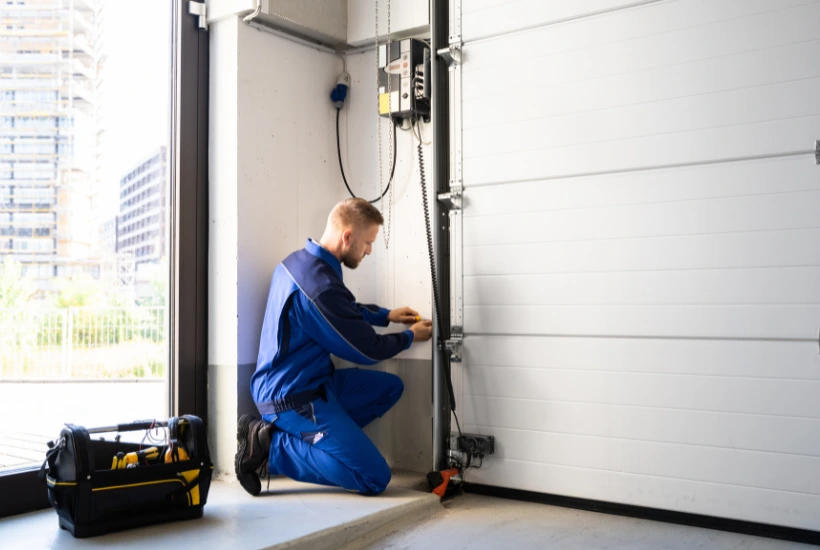
Your garage door is the largest moving part of your home, and it takes a beating – traffic, humidity, heat, and daily use all add up faster than most Houston homeowners expect. A door that groans once is easy to dismiss. But a door that shudders, stalls, reverses without reason, or refuses to close entirely is telling you something worth listening to. Knowing how to tell the difference between a minor quirk you can fix yourself and a genuine mechanical failure that calls for a licensed technician is what keeps repair bills manageable and, more importantly, keeps your household safe. The signs aren’t always loud. Sometimes it’s a cable that looks slightly frayed, a track that sits a millimeter off-center, or a spring that’s lost tension so gradually you barely noticed the door getting heavier. This article walks through the most telling warning signs and explains which ones genuinely require a professional’s hands, not because every problem does, but because the ones that do carry real consequences if you get that call wrong.
Warning Signs That Your Garage Door Needs Professional Repair in Houston
Houston’s climate is hard on mechanical systems. Garage door repair services in Houston handle a particular set of failure patterns driven by high humidity, temperature swings, and frequent storm activity – patterns that show up differently here than in drier climates. Recognizing those patterns early is what separates a $150 spring swap from a $900 panel replacement. The longer a worn component operates under load, the more stress it transfers to adjacent parts, and costs compound quickly. Most professional technicians say the same thing: the homeowners who call early walk away with smaller bills and safer doors. So what should you actually watch for?
Unusual Sounds and Sluggish Movement
A healthy garage door is relatively quiet. It moves smoothly, without hesitation, and settles into the closed or open position without bouncing or drifting. When that changes, pay attention. A loud bang during operation almost always points to a broken torsion spring; that’s not a sound you misidentify. Grinding or scraping noises suggest the rollers have worn down or the track has shifted out of alignment. A high-pitched squeal that persists after lubrication typically means the rollers or bearings need replacement, not just a spray of WD-40. Sluggish movement is another red flag. If your door takes noticeably longer to open or close than it used to, or if it hesitates mid-travel before continuing, the opener’s motor may be under excessive strain from a mechanical problem elsewhere in the system. In Houston’s summer heat, thermal expansion of metal tracks can worsen alignment problems that were borderline in cooler months. Any combination of unusual sound and slow movement deserves a professional look before the door stops working entirely during a storm or late at night.
Visible Damage to Springs, Cables, and Panels
Some warning signs don’t make noise; they just sit there and wait for you to notice them. Torsion springs run horizontally above the door on a metal shaft. A broken spring is obvious: there’s a visible gap in the coil. Extension springs, which run along the sides of the door on older systems, sometimes show wear through visible rust or stretched coils before they snap. Either way, don’t attempt to operate the door with a broken spring; the door becomes uncontrolled weight, and the opener isn’t designed to handle that load alone. Lift cables attach to the bottom brackets of the door and wind around drum pulleys at the top. Frayed cables, even a few broken wire strands, are a serious failure risk. A cable that snaps under tension can cause the door to drop or swing. Panel damage matters too. A single dented panel might seem cosmetic, but major panel warping affects how the door seals, how sections align as they roll up the tracks, and whether the structural integrity of the door is compromised. A technician can tell you within minutes whether a panel needs a cosmetic fix or a full replacement.
When DIY Is Not Safe, and a Pro Is the Right Call
Not every garage door problem needs a professional. Lubricating hinges, tightening loose bolts, clearing debris from the track, and swapping a dead battery in a remote are all manageable tasks for a careful homeowner. The line gets drawn the moment high-tension components enter the picture. Torsion springs and lift cables store enormous mechanical energy, enough to cause severe injury if released the wrong way. Opener motor and circuit board issues also fall outside safe DIY territory for most homeowners, not because they’re intellectually difficult, but because improper wiring or a miscalibrated safety system can create hazards that don’t show up until something fails. In Houston, where power outages and storm damage sometimes coincide with opener failures, it’s smart to know in advance which problems you can handle and which ones you shouldn’t touch.
Torsion Spring and Cable Work Carries Real Risk
Torsion spring replacement ranks among the most mishandled DIY garage door jobs, and the injury statistics back that up. Springs on a standard double garage door hold roughly 150 to 300 foot-pounds of torque when wound. Without the correct winding bars and the right sequence, that tension can release violently and without any warning. Most hardware stores don’t stock the right springs either; matching wire diameter, inside diameter, and length to your door’s weight requires precise measurements and parts sourcing that most homeowners can’t replicate without supplier access. The same reasoning applies to lift cables. Replacing a cable means releasing spring tension first, which brings you straight back to that same risk. A professional technician arrives with correctly matched springs, knows the winding procedure cold, and wraps the job in roughly 45 to 90 minutes. That’s not a repair where saving a service fee justifies the risk to your hands, your face, or anyone nearby if things go wrong.
Opener and Sensor Failures Require Technical Diagnosis
Opener problems range from simple to genuinely complex. A door that reverses immediately after touching the floor almost always has a misaligned close-limit switch or a dirty safety sensor lens; cleaning the sensors or adjusting the limit dial takes five minutes. But a door that reverses mid-travel, runs intermittently, or responds to the wall button but not the remote involves the logic board, the antenna, or the radio receiver, and those components require proper diagnosis before replacement. Replacing a logic board on a LiftMaster or Chamberlain opener costs between $80 and $150 for parts alone; replacing the wrong component because the diagnostic was rushed wastes money and leaves the actual problem unsolved. Safety sensor issues carry their own risk: a sensor that’s been bypassed or wired incorrectly disables the auto-reverse function, which is the main protection against the door closing on a person or pet. Don’t bypass sensors as a temporary fix. Have a technician calibrate or replace them properly, and confirm the auto-reverse function works correctly before considering the job done.
Conclusion
Your garage door signals trouble – you just have to recognize the signs. Unusual sounds, visible spring or cable damage, sluggish movement, and persistent reversal problems all point to professional repair rather than a weekend DIY attempt. In Houston’s climate, those issues tend to surface faster and escalate more quickly than most homeowners expect. The rule is simple: if the repair involves spring tension, cable replacement, or electrical components tied to the safety system, call a technician. Everything else – lubrication, sensor cleaning, battery swaps, minor adjustments, stays firmly in DIY territory. Getting that distinction right protects both your budget and your household.
Related posts:
Common Kitchen Appliance Problems Suwanee Families Face (And How to Prevent Them)
20+ DIY Washi Tape Wall Decoration Ideas & Tutorials
10+ DIY Above-Ground Pool Decks To Make a Splash This Summer
Essential Exterior Home Maintenance Tasks Every Homeowner Should Know
Embrace Imperfection: 14+ Wabi Sabi Home Decor Ideas
Essential Garage Door Safety Tips Every Family Should Know

- Easy DIY Shelving Projects for Beginners - October 6, 2026
- How Do You Know When Your Garage Door Needs Professional Repair in Houston? - October 6, 2026
- How to Make Healthy Habits Feel Less Like a Chore - October 6, 2026

Leave a Reply