
There is something quietly magical about watching greenery climb a wall. A once blank corner becomes alive, textured, and personal. For many modern homes, space is precious, yet the desire to nurture plants keeps growing. That is where Vertical Gardening at Home steps in, offering a beautiful solution that feels both practical and indulgent. Whether you live in a compact apartment or simply want to elevate your interiors, vertical gardening invites nature upward and transforms how you experience your space.
Why Vertical Gardening at Home Is Having a Moment
Vertical Gardening at Home is more than a design trend. It reflects a lifestyle shift toward mindful living, sustainability, and creativity. By growing plants vertically, you maximize limited square footage while introducing visual interest and a calming, organic presence.
Beyond aesthetics, vertical gardens can improve air quality, reduce noise, and even help regulate indoor temperatures. They also encourage a more intentional relationship with your home, turning daily care into a soothing ritual rather than a chore.
Choosing the Right Spot for Your Vertical Garden
Assessing Light Conditions
Light is the foundation of any successful garden. Observe how sunlight moves through your home throughout the day. South facing windows offer the brightest exposure, while east and west facing spaces provide softer light that suits many leafy plants.
If natural light is limited, do not let that stop you. Grow lights have become sleek and efficient, making Vertical Gardening at Home accessible even in low light apartments.
Indoor vs Outdoor Vertical Gardens
Indoor vertical gardens bring freshness to kitchens, living rooms, and home offices. Outdoor versions thrive on balconies, patios, and exterior walls. The key difference lies in plant selection and durability. Outdoor gardens must withstand weather changes, while indoor gardens benefit from controlled conditions.
Popular Vertical Gardening Systems Explained
Wall Mounted Planters
Wall mounted planters are ideal for beginners. They are easy to install, flexible, and available in countless styles. From ceramic pockets to modular panels, these systems allow you to experiment without major commitment.
Freestanding Vertical Frames
Freestanding frames are perfect for renters or anyone hesitant to drill into walls. These structures can act as living room dividers or statement pieces while offering ample planting space.
Pocket and Fabric Gardens
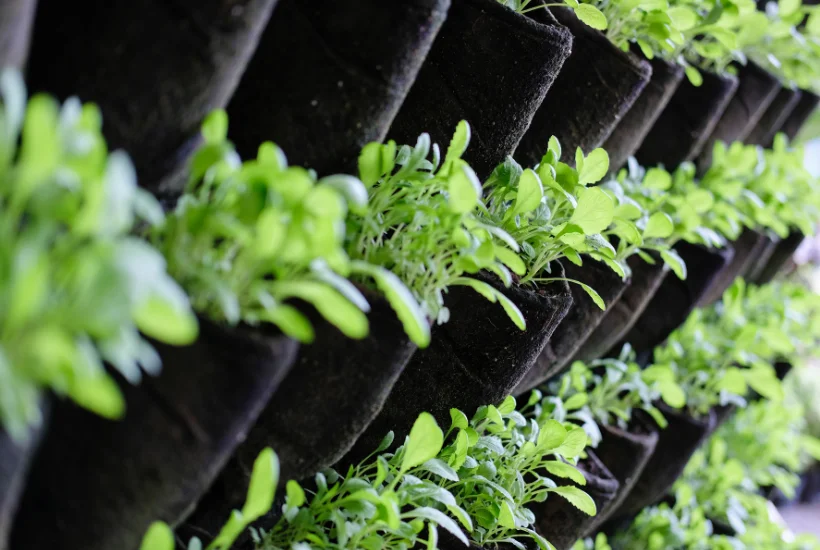
Fabric pocket gardens are lightweight and breathable, making them excellent for herbs and shallow rooted plants. They also lend a relaxed, casual aesthetic that suits modern lifestyle spaces.
Hydroponic Vertical Systems
For those seeking efficiency and minimal mess, hydroponic systems eliminate soil altogether. Plants grow in nutrient rich water, making maintenance simpler and growth faster. This approach works especially well for edible gardens indoors.
Best Plants for Vertical Gardening at Home
Low Maintenance Favorites
If you are new to Vertical Gardening at Home, start with forgiving plants. Pothos, philodendron, snake plants, and ferns adapt well to vertical environments and varying light conditions.
Herbs and Edibles
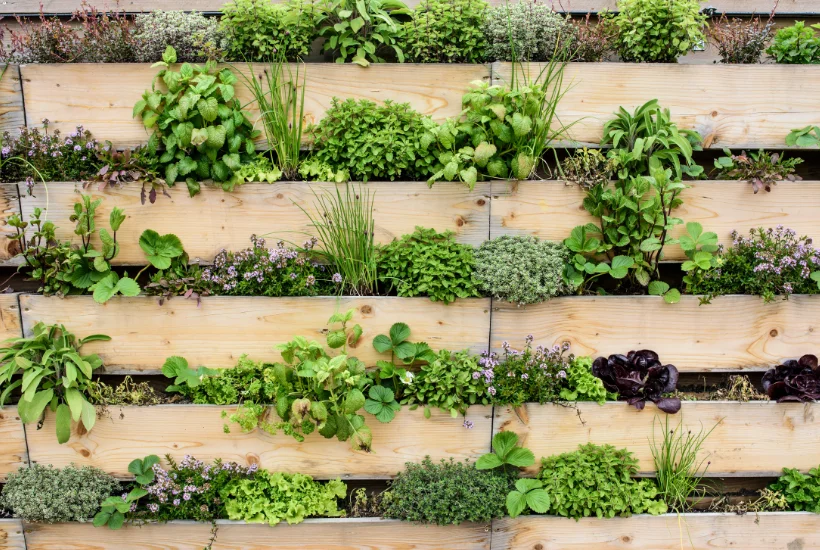
Vertical herb gardens bring flavor and fragrance into your kitchen. Basil, mint, thyme, parsley, and chives thrive in vertical setups. Leafy greens like lettuce and arugula also perform beautifully with proper light and watering.
Flowering Plants for Visual Impact
For those craving color, consider begonias, petunias, and peace lilies. These plants add softness and seasonal interest while still fitting comfortably into vertical arrangements.
Designing a Vertical Garden That Feels Intentional
Think in Layers and Textures
Successful vertical gardens feel curated rather than crowded. Mix trailing plants with upright growers. Combine different leaf shapes, sizes, and tones of green for a rich, layered effect.
Color Coordination Matters
Consider the surrounding decor when selecting plants and planters. Neutral walls pair well with lush greenery, while darker spaces benefit from lighter leaves and reflective containers.
Balance Beauty and Function
A vertical garden can be both decorative and useful. Blend ornamental plants with herbs or air purifying varieties to create a garden that works as hard as it looks good.
Watering and Maintenance Made Simple
Smart Watering Strategies
Overwatering is one of the most common mistakes in Vertical Gardening at Home. Vertical systems often drain differently than traditional pots. Always check moisture levels before watering and ensure proper drainage to prevent root rot.
Self watering planters and drip irrigation systems are excellent tools for maintaining consistency, especially for larger installations.
Feeding Your Plants
Vertical gardens require regular nutrients. Use a balanced liquid fertilizer every few weeks, adjusting based on plant type and growth patterns.
Pruning and Care
Regular pruning keeps your garden healthy and visually appealing. Trim dead leaves, manage growth, and rotate plants occasionally to ensure even light exposure.
Common Mistakes to Avoid
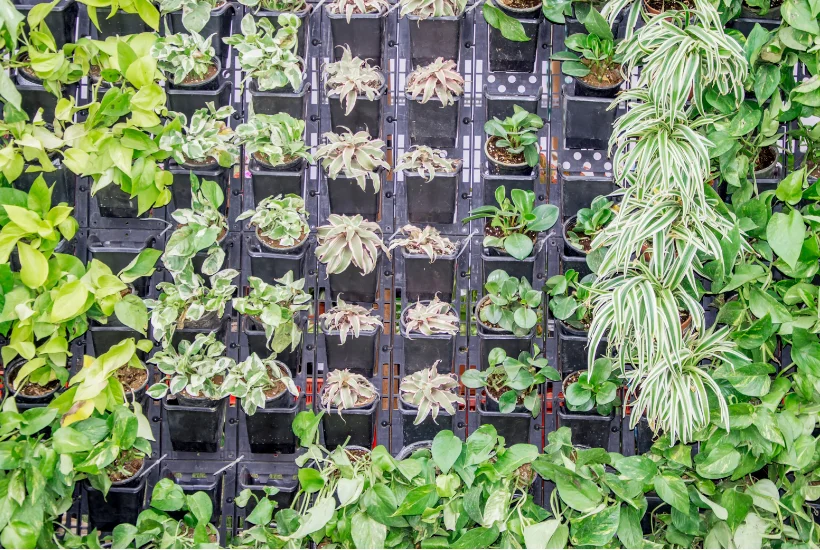
One frequent misstep is overcrowding. While it may be tempting to fill every pocket, plants need space to breathe and grow. Another mistake is ignoring weight limits. Always confirm that walls and mounting systems can support the fully watered garden.
Finally, do not underestimate planning. Thoughtful preparation makes Vertical Gardening at Home far more enjoyable and sustainable over time.
Styling Vertical Gardens for Lifestyle Spaces
Living Rooms and Entryways
A vertical garden in the living room becomes an instant focal point. Position it where it complements natural light and anchors the space visually. Entryways benefit from smaller installations that create a welcoming first impression.
Kitchens and Dining Areas
Herb walls are especially popular in kitchens, offering convenience and charm. Keep edible plants within reach and away from excessive heat sources.
Home Offices and Creative Studios
Plants boost mood and productivity. A vertical garden near your workspace can provide a calming backdrop that inspires creativity without overwhelming the room.
Sustainability Benefits Worth Noting
Vertical Gardening at Home supports sustainable living by encouraging local food production, reducing the need for decorative plastics, and improving indoor air quality. Many systems also promote efficient water use, making them eco conscious choices for modern homes.
By growing upward, you make smarter use of resources while cultivating a greener lifestyle that feels intentional and rewarding.
Let Your Home Grow Upward
Vertical Gardening at Home is a powerful way to bring life, beauty, and purpose into your living spaces. With thoughtful planning, the right plants, and a touch of creativity, even the smallest home can feel lush and expansive. Start small, stay curious, and allow your garden to evolve alongside your lifestyle. The first step is simple. Choose a wall, select a few plants you love, and begin building a vertical garden that reflects the way you want to live every day.
Related Posts:

- The Joy of Adding Personality to the Spaces and Things You Own - February 23, 2026
- How to Build a DIY Raised Garden Bed That Will Last - February 20, 2026
- Free Fun Heated Rivalry Word Search Printables - February 20, 2026

Leave a Reply