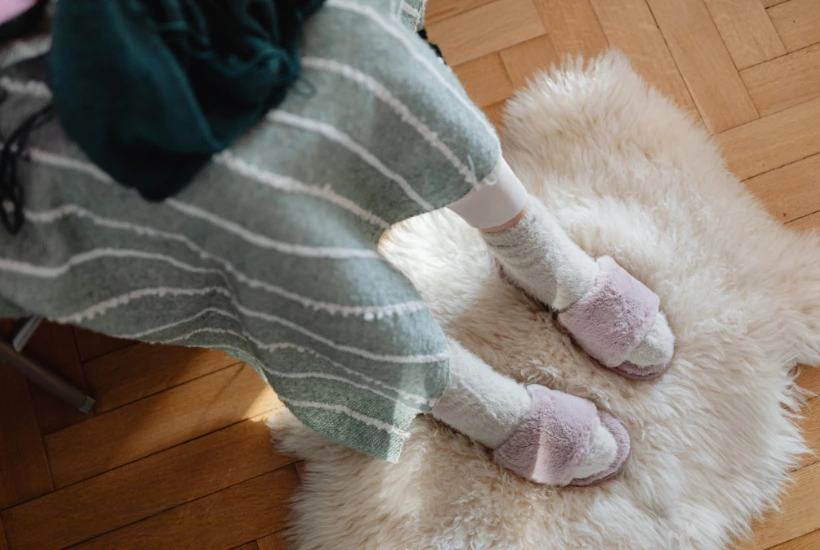
Home decor choices carry environmental weight that often goes unnoticed. The rugs, furniture, and textiles that fill a living space come from supply chains with vastly different impacts on the planet. As more buyers consider where their products come from and what happens to them at the end of their useful life, natural materials have become an increasingly thoughtful choice.
Sheepskin stands out in this conversation for various reasons. The material is renewable, biodegradable, and produced as part of a centuries-old agricultural cycle that does not require petrochemical inputs. Sheepskin rugs offer a practical example of how traditional materials can address modern concerns about waste, longevity, and resource use.
A Renewable Resource
Sheep produce wool every year, regardless of whether it is harvested. Shearing is a routine part of sheep husbandry, and in most cases the animal’s health depends on it. Without regular shearing, fleece becomes heavy, traps parasites, and can cause heat stress.
This means wool, and by extension sheepskin, comes from an ongoing biological process. Synthetic rug fibers like nylon, polyester, and polypropylene are derived from petroleum, a non-renewable resource whose extraction and processing carry significant environmental costs. Sheepskin is part of a renewable cycle that continues as long as sheep are raised.
Biodegradable at the End of Life
What happens to a rug when it eventually wears out is one of the most overlooked aspects of home decor. Synthetic rugs typically end up in landfills, where they can persist for centuries. Many also shed microplastic fibers throughout their lifespan, contributing to a form of pollution that has spread to oceans, soil, and drinking water worldwide.
Sheepskin behaves very differently. Wool is made of keratin, the same protein found in human hair, and it breaks down naturally in soil and marine environments. Recent research confirms that wool biodegrades readily in composting conditions without contributing to microplastic pollution. A discarded sheepskin rug eventually returns to the earth as nutrients.
Long Lifespan Reduces Replacement
Sustainability is not only about what a product is made from but also how long it lasts. A rug that needs replacement every three or four years generates more waste, shipping emissions, and resource use than one that lasts for decades.
Quality sheepskin rugs are remarkably durable. With basic care, they can remain in excellent condition and retain their softness and appearance for 20 years or more. This longevity translates directly into reduced consumption over the course of a household’s lifetime.
Low-Impact Care Requirements
Maintaining a sheepskin rug requires far less energy and chemical input than caring for synthetic options. The natural lanolin in wool resists dirt and odors, meaning the rug needs cleaning less frequently. Most maintenance involves shaking, gentle brushing, or spot cleaning with cool water.
By contrast, many synthetic rugs require chemical treatments, professional cleaning, or frequent vacuuming to maintain their appearance. The cumulative environmental cost of these care routines, when multiplied across a product’s lifespan, adds to its overall footprint.
Natural Insulation and Energy Savings
Wool has natural thermal regulating properties that contribute to home energy efficiency. The fibers trap pockets of air, providing insulation underfoot that reduces heat loss through floors during colder months. In warmer weather, wool wicks moisture and stays cool to the touch.
While a single rug will not transform a home’s energy consumption, the cumulative effect of natural insulating materials across multiple textiles and surfaces can reduce reliance on heating and cooling systems. This kind of passive efficiency is one of the quieter benefits of choosing natural fibers throughout a living space.
Supporting Traditional Agriculture
Sheepskin production supports pastoral farming systems that have existed for thousands of years. Sheep graze on land that is often unsuitable for crop cultivation, converting grass and brush into wool, milk, and meat. When managed responsibly, sheep farming maintains grasslands, supports rural economies, and preserves agricultural traditions.
Choosing sheepskin from responsibly raised flocks helps sustain this kind of agriculture. It also supports a supply chain that involves far fewer industrial processes than synthetic alternatives, which depend on petrochemical refining, polymer production, and energy-intensive manufacturing.
A Considered Choice
Sheepskin rugs represent a category of home decor where natural origins, durability, and end-of-life biodegradability align with the practical qualities buyers want from a floor covering. For households looking to reduce their environmental footprint without sacrificing comfort or quality, sheepskin offers a long-established option that continues to make sense in a market crowded with synthetic alternatives.
Related posts:
Design Choices That Make a Home Feel Easier to Live In
5 things I wish I’d known before moving into a new home
Smart Home Improvements That Boost Comfort and Energy Efficiency
12 DIY Dream Catcher Projects for Kids and Adults
25+ Best DIY Hat Wall Ideas and Tutorials in
30 Best Wood Wall Ideas To Transform Any Room

- Why Dispensary Location Matters More Than You Think in Sarasota - October 8, 2026
- Slow-Living Weekend Build: The Sideboard I Made for Our Dining Nook - October 8, 2026
- Creative Projects for Journal Lovers Who Say They Can’t Draw - October 7, 2026

Leave a Reply