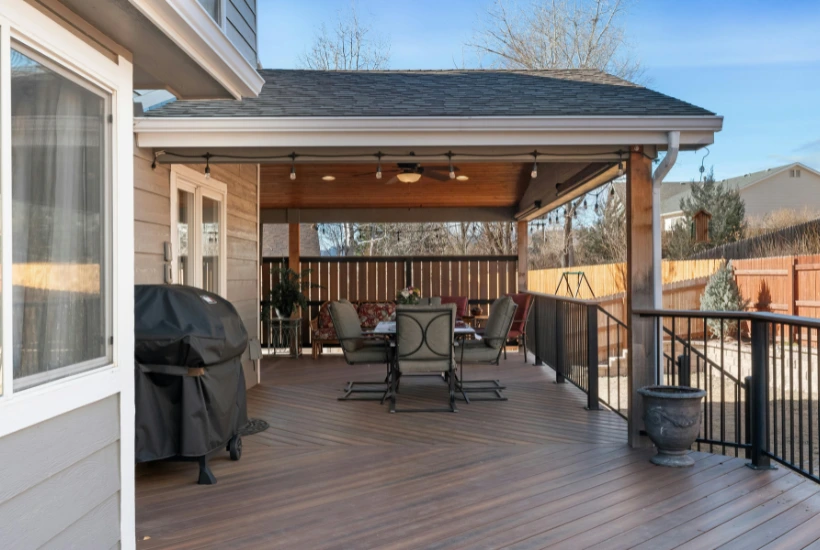
If you have ever stepped onto your covered patio expecting relief from the sun and instead felt like you walked into an oven, you are not imagining things. A lot of homeowners assume that adding a roof or a pergola automatically makes an outdoor space cooler. But sometimes it does the opposite.
I learned this the hard way after spending a small fortune on a beautiful covered patio, only to find myself avoiding it every afternoon in July. Once I figured out why, fixing it turned out to be simpler than I expected.
Why Shade Alone Isn’t Enough
Here is the part most people miss. A patio cover blocks direct sunlight, which helps. But it also blocks the natural breeze that would normally pass through an open yard. Warm air rises and gets trapped under that roof, and without anywhere to go, it just sits there getting hotter. This is called a heat pocket, and it explains why a covered patio can sometimes feel stickier than the open lawn right next to it.
The fix is not more shade. It is moving air. This is exactly why so many homeowners with covered porches, gazebos, and screened patios end up installing a fan overhead. I finally added one of the outdoor ceiling fans from Hunter Fan to my own patio, and honestly, it made a bigger difference than I expected.
A good fan does not lower the actual temperature, but it moves that trapped air and helps sweat evaporate off your skin, which makes the space feel several degrees cooler. Look for a fan rated for wet or damp outdoor locations, since a regular indoor fan will not hold up against humidity and rain.
For even better results, keep the fan running before guests arrive to prevent heat from building up. Pairing steady airflow with plenty of shade creates a noticeably more comfortable outdoor space throughout the warmer months.
Rethink Where You Put Your Furniture
Once you have airflow moving, the next step is making sure nothing is blocking it. This part surprises people. I used to have a tall wicker sectional and a stack of potted plants right in the middle of my patio, and without realizing it, I had created a wall that stopped the breeze from reaching the seating area. Moving furniture closer to the edges and leaving the center open let air actually flow through the space instead of stopping at the first obstacle.
This is also a great time to think about how your outdoor seating area is arranged overall, not just for airflow but for comfort and flow too. When I redid mine, I focused on keeping pathways open between the grill, the seating, and the door, which naturally kept air circulating instead of pooling in one corner.
It’s the same open-layout thinking that works when you’re bringing natural, outdoor-inspired textures into your indoor family spaces — leaving room for a space to breathe just makes it more comfortable, inside or out. Small changes like this cost nothing, and they make a real difference on a hot afternoon.
Leave a little space between furniture and walls or railings whenever possible. That extra clearance allows air to circulate more freely, helping the entire patio feel cooler and making the seating area more comfortable during warm weather.
Add a Second Layer of Cooling if You Need It
If you live somewhere with real summer heat, a fan alone might not be enough, and that is okay. This is where pairing airflow with a bit of moisture can help. Fine mist systems work by cooling the air as the water evaporates, which pairs nicely with the breeze your fan is already creating. It is worth noting that this trick works best in dry climates.
In humid areas, misting has a smaller effect, but running it alongside your fan still helps take the edge off. If you want a closer look at how shade, airflow, and a light misting system work together, HGTV put together a solid breakdown of the topic that is worth a quick read.
A Few More Small Fixes
Beyond fans and furniture, a couple of tiny habits go a long way. Move your grill and any other heat source away from your seating area, since they quietly raise the temperature more than people expect.
Swap dark cushions and rugs for lighter colors, since dark fabric soaks up heat just like a black t-shirt does on a sunny day. And if your patio faces west, try shifting your outdoor time earlier in the day when the sun is not blasting directly onto it.
Final Thoughts
A covered patio should feel like a retreat, not a reason to stay indoors all summer. Once you understand that trapped heat, not just sunlight, is usually the real problem, the solutions become a lot clearer. Start with airflow, clear the path for it to move, and add a bit of moisture if your climate calls for it.
These small changes turned my own patio from a space I avoided into one I actually look forward to using every evening. Give it a try, and you might be surprised how much of a difference it makes.
Related posts:
15 Stylish Christmas Outdoor Decoration Ideas
Installing Better Living: Thoughtful Upgrades for a More Comfortable Home
Holiday Magic: 15 Christmas Centerpiece Ideas
17+ Mesmerizing Moroccan Home Decor That Are Exquisite
How a Debt Relief Program Can Help Families Finally Afford Their Dream Space
The Family Decluttering Habits That Make Everyday Life Easier

- Why Dispensary Location Matters More Than You Think in Sarasota - October 8, 2026
- Slow-Living Weekend Build: The Sideboard I Made for Our Dining Nook - October 8, 2026
- Creative Projects for Journal Lovers Who Say They Can’t Draw - October 7, 2026

Leave a Reply