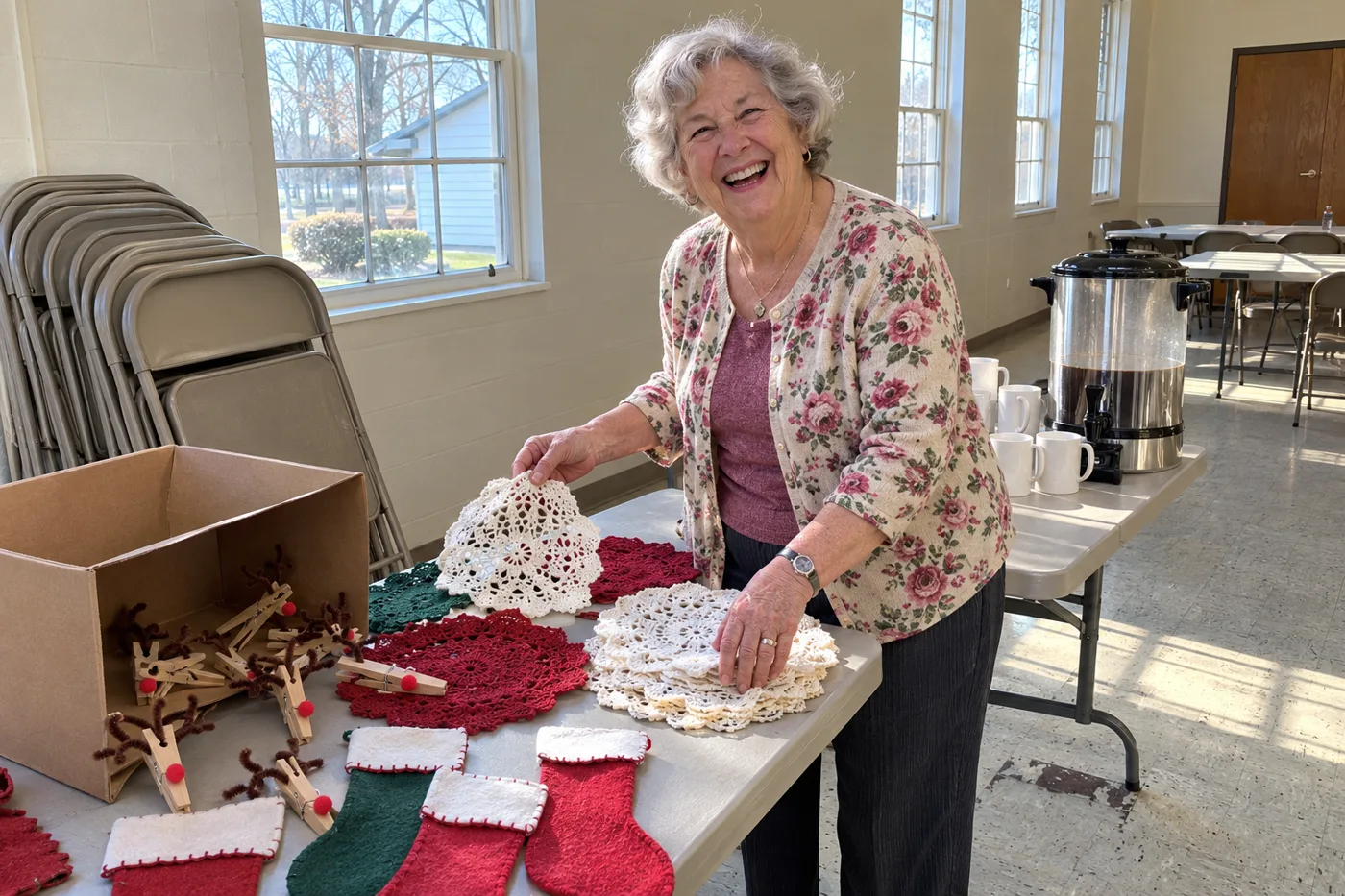
Masking-tape price tags. A coffee urn gurgling by the kitchen pass-through. Folding tables in the church basement or fellowship hall, covered edge to edge with things somebody made at a kitchen table.
For a dollar or two you could go home with a potholder, a doily and a reindeer made of clothespins. Most of those things are gone now, and you probably didn’t notice them leave.
#25 The crocheted doll guarding the spare roll
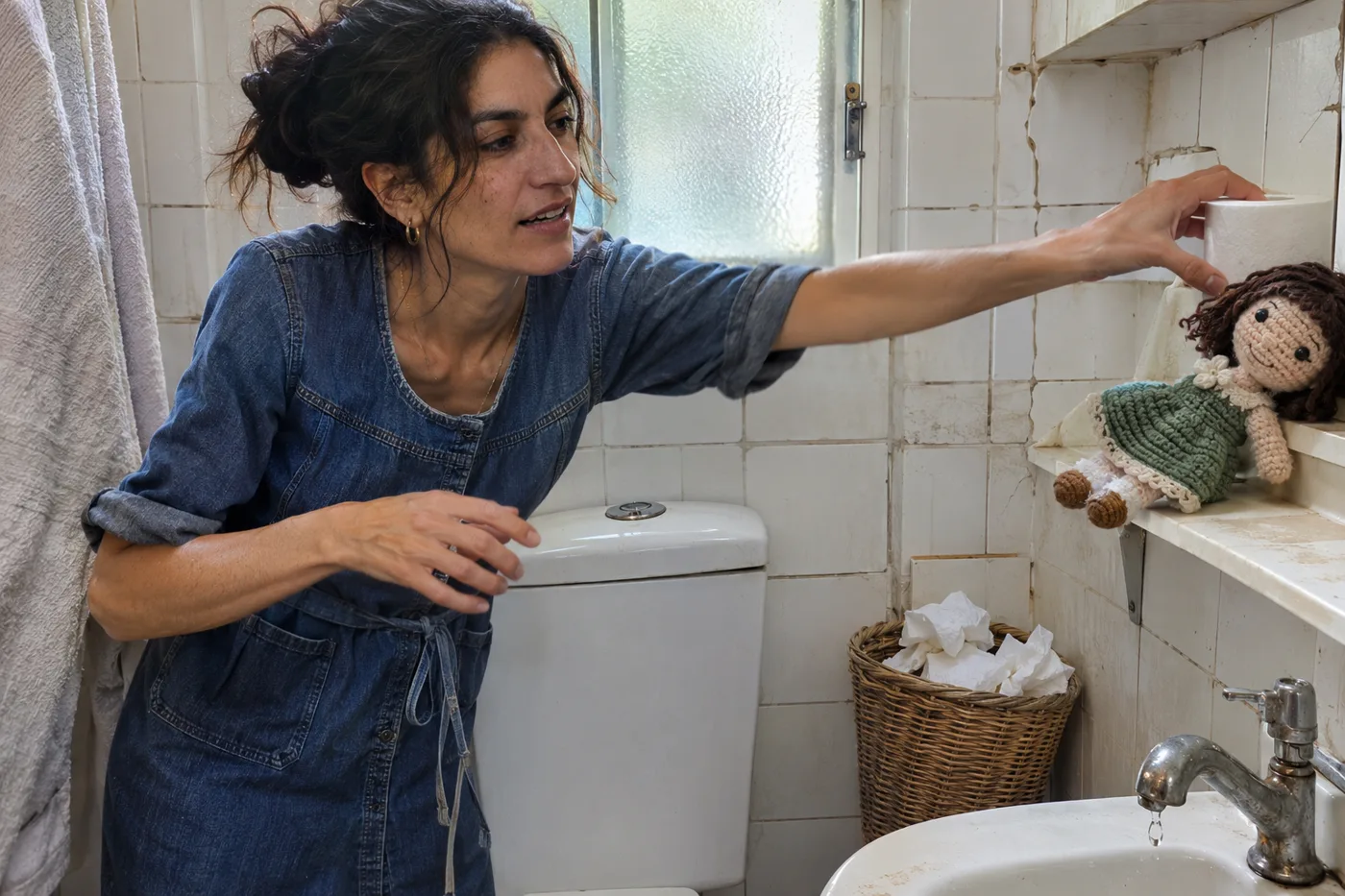
She sat on the back of the toilet in a ruffled skirt of pink, lavender or mint green, with a little plastic doll poking out of the top and her arms stuck out stiff. Lift the skirt and there was the spare roll. Some had matching hats. A few carried parasols.
Every bazaar seemed to have a basket of them, and you could spot the same doll in bathrooms two towns over.
No one knows exactly where she came from. Writing in The American Scholar, Josie Glausiusz places the dolls “sometime in the 1960s or 1970s,” in bathrooms across the US, England and Australia, and says the exact timing and origin are still unclear.
She does have one theory. Charmin’s 1928 ads showed an elegant woman’s head, and a soft, pretty lady became a polite way to avoid saying “toilet paper” out loud.
#24 Granny square afghans in gold and orange
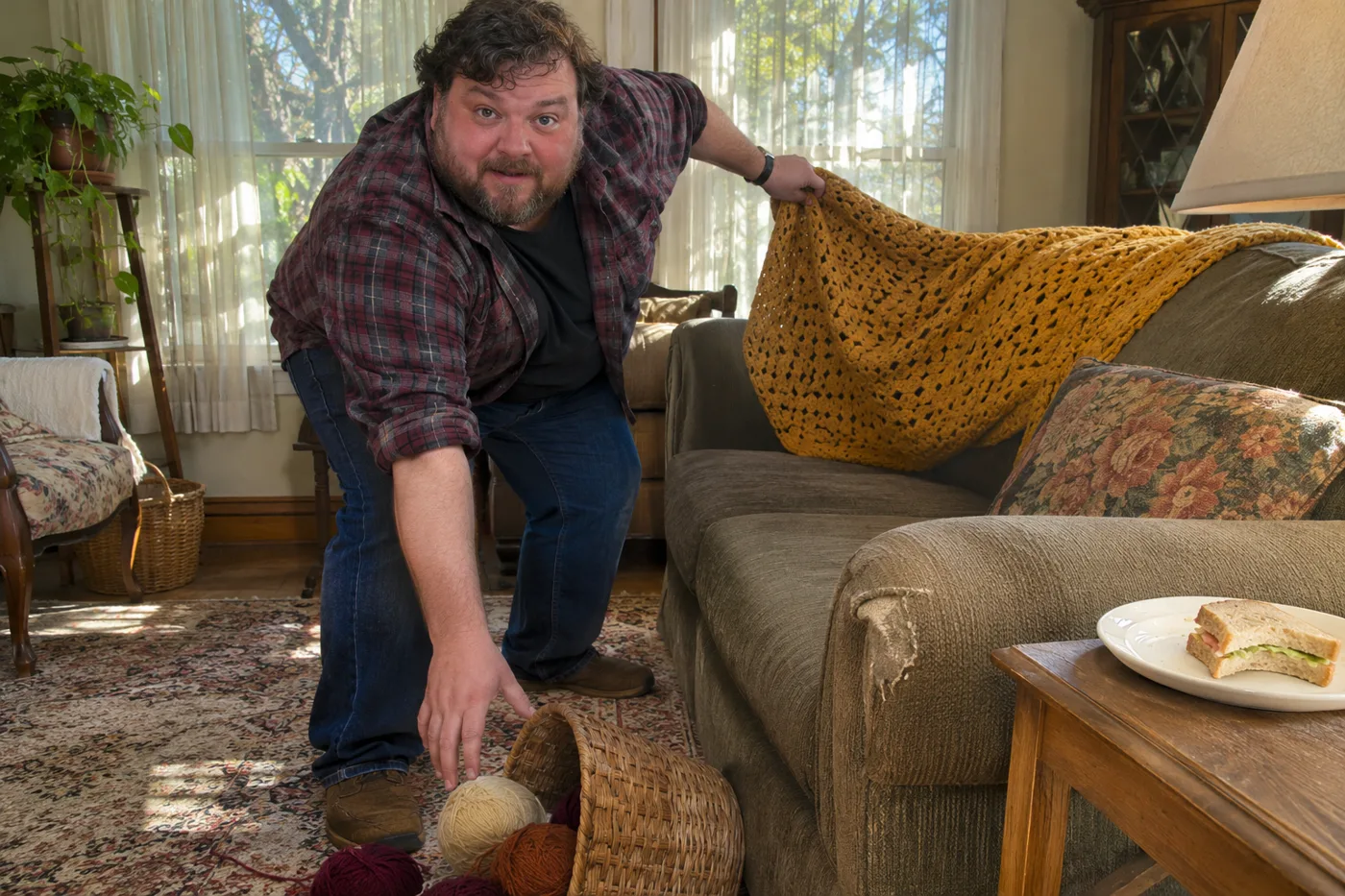
Picture the back of the couch. Folded over it is a granny square afghan in harvest gold, burnt orange and brown, maybe with a stripe of avocado, every square outlined in black. It weighed about as much as a small dog and kept you warmer than the furnace did.
At a lot of bazaars, the afghan was the big prize, often raffled off, since it was hard to put a fair price on a whole winter of evenings.
The pattern is much older than those colors. The earliest known granny square design came from a Mrs. Phelps, published in Prairie Farmer in April 1885. She took the idea from crazy quilting, and those black borders were borrowed from crazy quilts too.
The motif came back in the 1930s, and granny square clothing hit its peak in the 1970s.
#23 Crocheted potholders stacked by the dozen
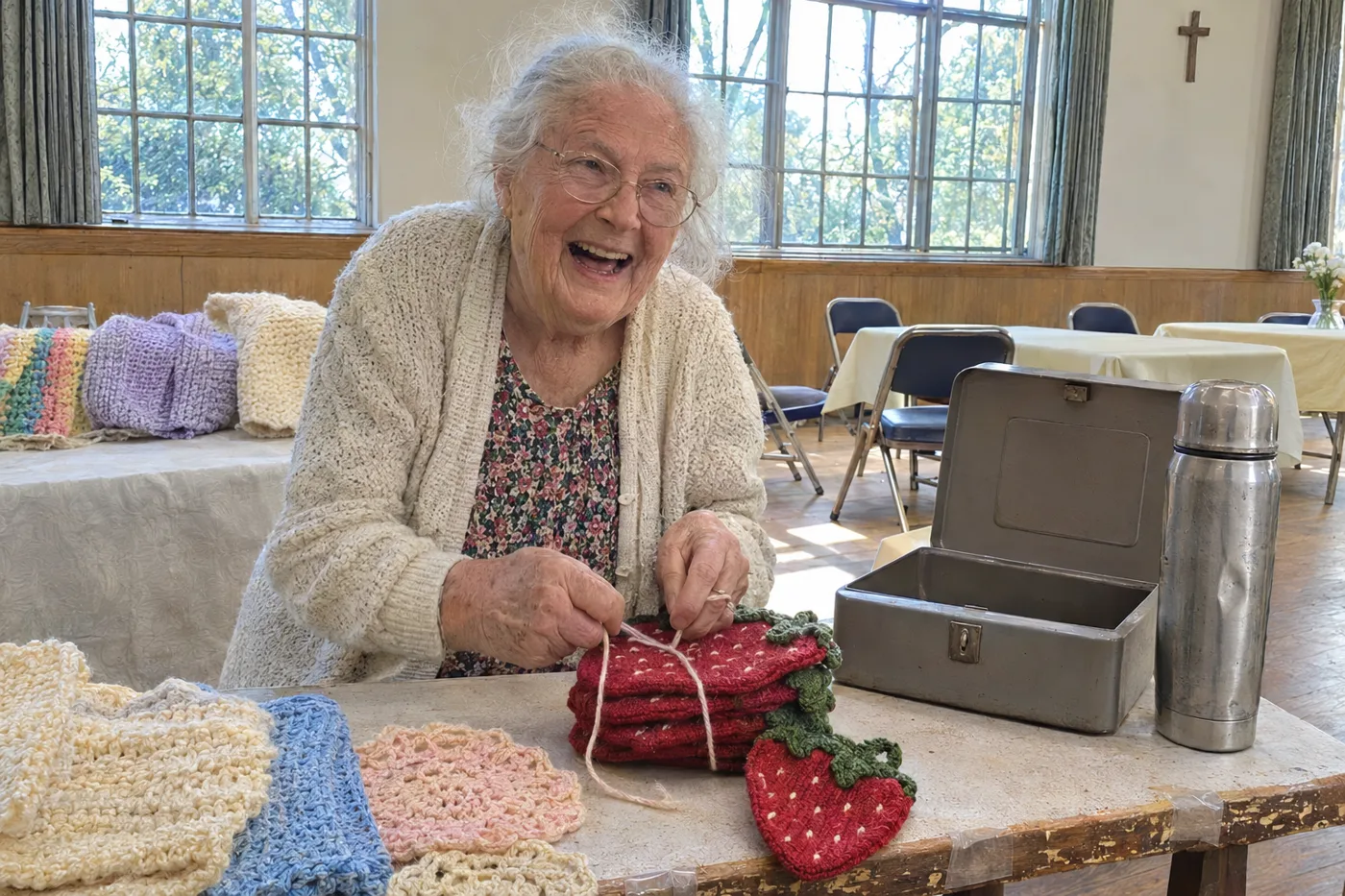
Nobody ever bought just one. Potholders came in stacks at the end of the table, tied in pairs with yarn, and the strawberry ones went first. Red body, green top, a little loop to hang it by. Some had a pocket in back so your hand slid right in.
That strawberry was a published pattern. It first appeared in the 1950s in Pocket Potholders, Book 69 from the American Thread Company, and women kept making it from that booklet for years.
Most were crocheted in cotton thread, which comes in sizes from 3 to 100. The higher the number, the finer the thread. Size 10 is called “bedspread weight,” a name that tells you how much crocheting people once did.
The strawberry pattern is still posted online if you want to try one. It still looks right hanging next to a stove.
#22 Loop-loom potholders from a metal kit
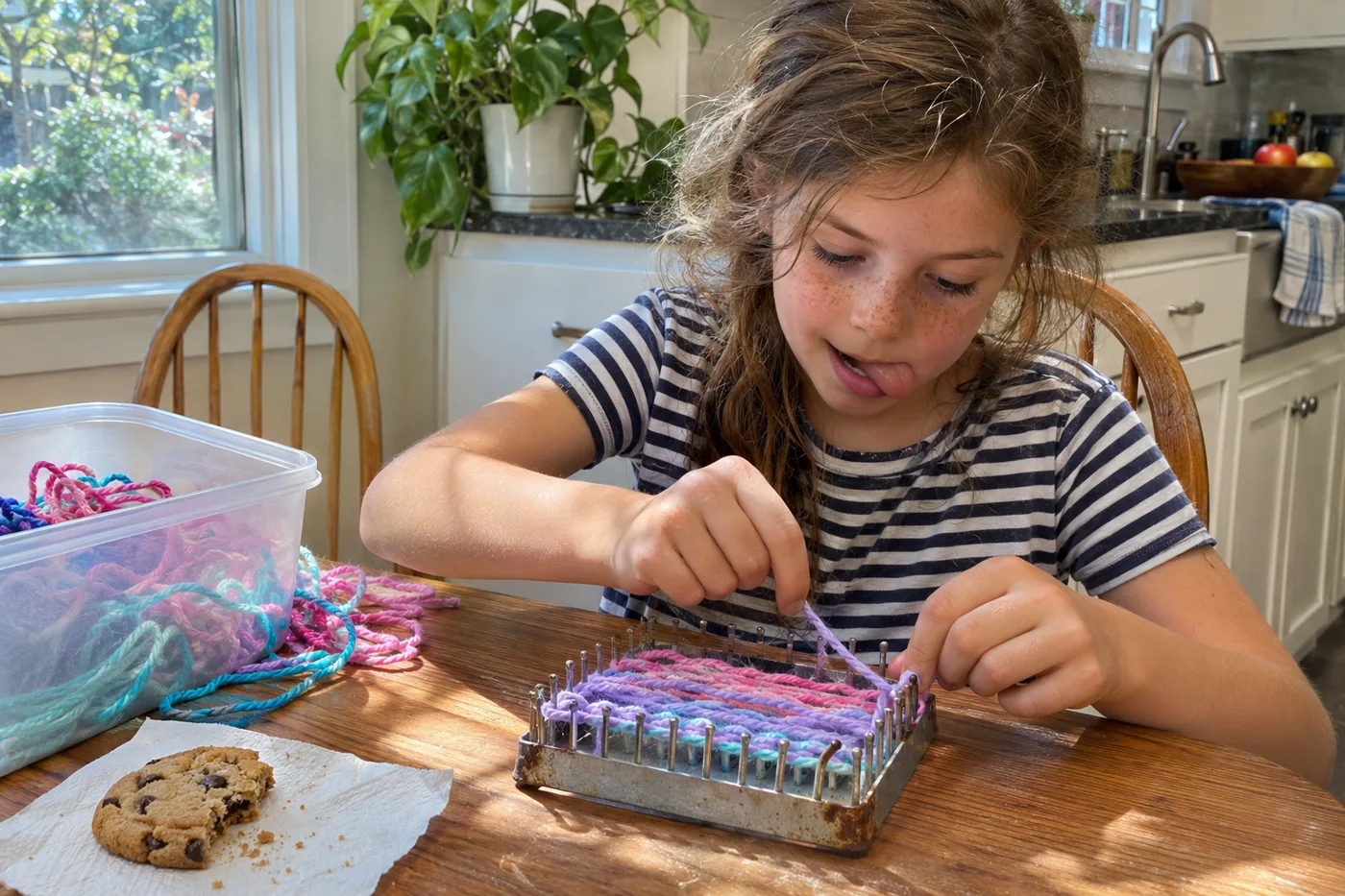
Remember the little metal square with teeth on every side, a bag of stretchy loops in every color, and a hooked tool for weaving over and under? Kids turned these out by the dozen. Plenty of them landed on the children’s table at the bazaar, lumpy edges and all.
The loom started out as a factory trick. It was invented so sock factories could use up the waste cut from socks and hosiery.
During the Depression it was sold to housewives with the loops included. By the 1950s, it was seen mostly as a toy.
So that bag of loops was, more or less, sock trimmings.
Harrisville Designs in New Hampshire came along in the 1980s with its Friendly Loom. Its standard 7-inch metal loom makes potholders about 6 inches square. Loops are still the whole point.
#21 Crocheted doilies under every lamp
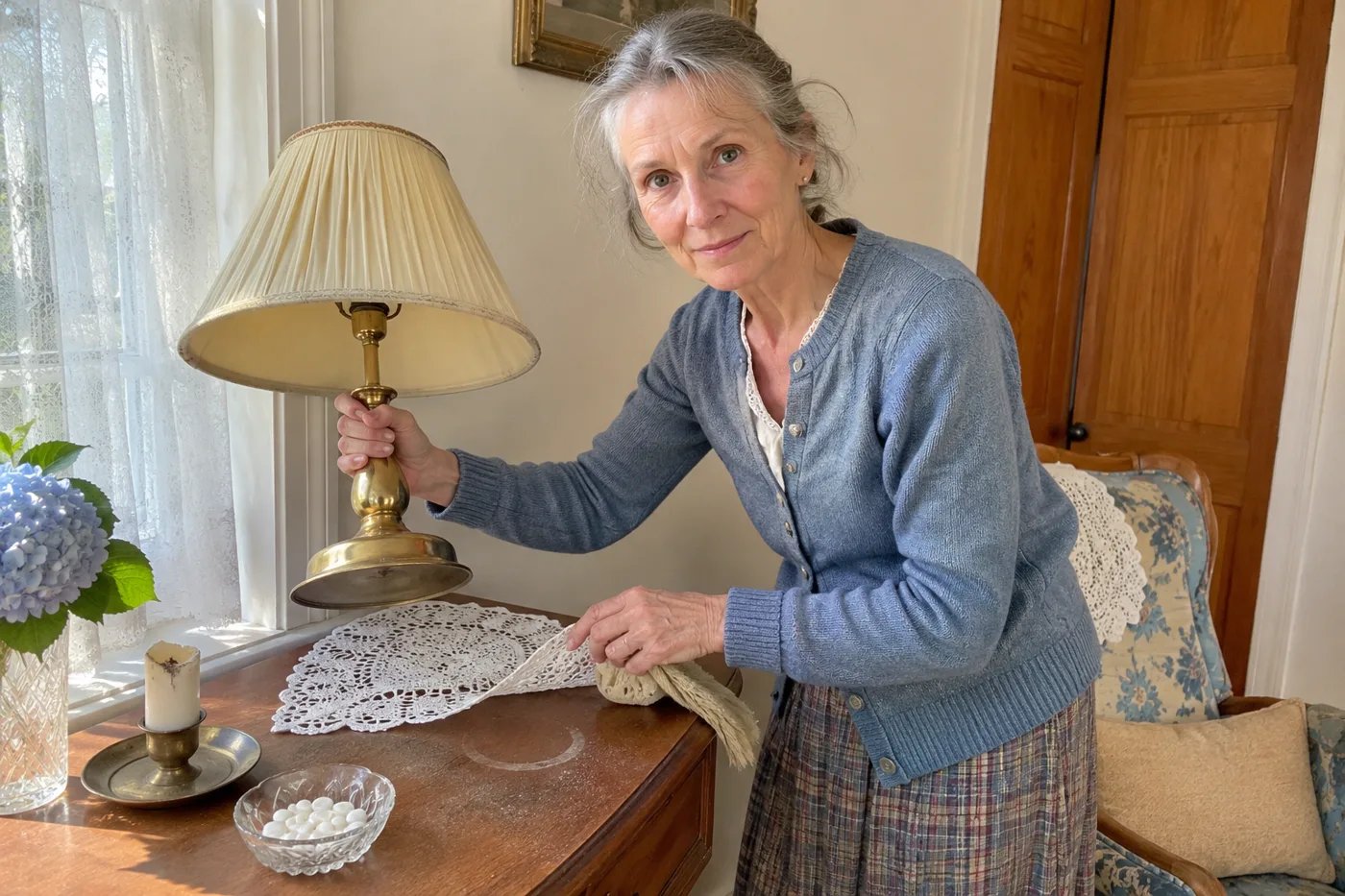
Bazaar doilies were starched so stiff they crackled when you picked them up. Pineapple patterns, ruffled edges, sometimes a ring of pink around the rim. You bought one for yourself and one for the person who had everything.
The word doily comes from a man named Doiley, a London draper in the 1600s who sold a light woolen cloth. He’d be surprised where his name ended up: under every lamp, candy dish and African violet in America.
They started out with a job to do. In the 1800s, doilies kept furniture safe from hot teapots, wet glasses and a hair oil called Macassar.
Paper doilies were made later as a cheaper but respectable stand-in for the crocheted kind.
A design magazine says doilies have been “all but exorcised from the modern interior,” pushed out by smaller rooms, gadgets and furniture nobody expects to keep for long. That’s funny, since the doilies tend to outlast the furniture.
#20 Embroidered pillowcases with crocheted lace edges
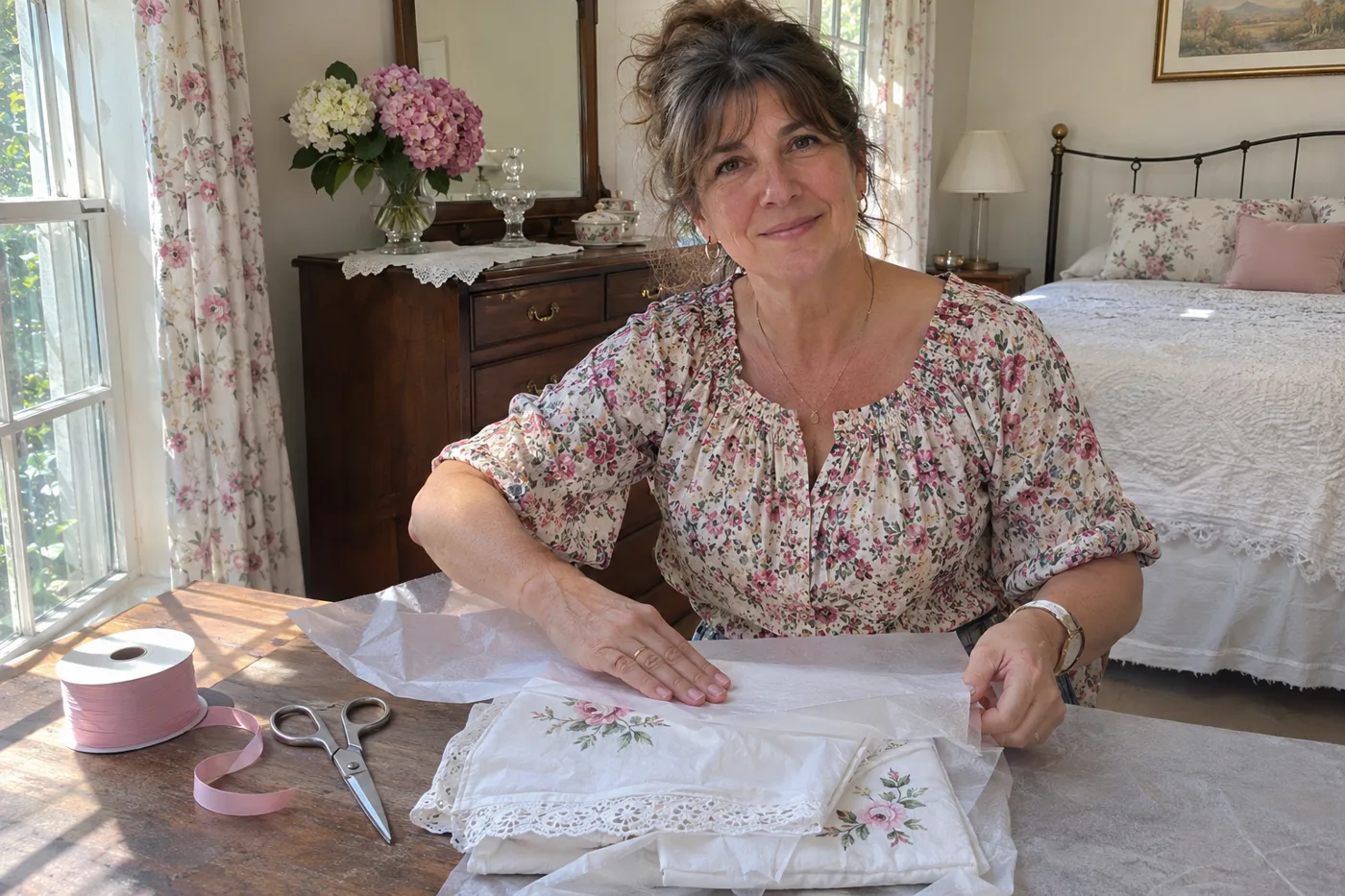
A pair of white cotton pillowcases, a spray of flowers or two bluebirds stitched near the hem, and a band of crocheted lace along the open end. They came folded in tissue paper. They were almost too pretty to sleep on, and in a lot of houses, nobody did.
Pillowcases like these were classic hope chest goods. A hope chest was where young unmarried women gathered linens and clothes for married life, and filling one was a common coming-of-age ritual until about the 1950s.
The stitching usually began with a hot-iron transfer: you ironed a printed design onto the cloth and embroidered over the lines. Aunt Martha’s was one of the big names.
Aunt Martha’s still runs today as Colonial Patterns, Inc. The pillowcases mostly live in linen closets, still folded in thirds.
#19 Days-of-the-week embroidered dish towels
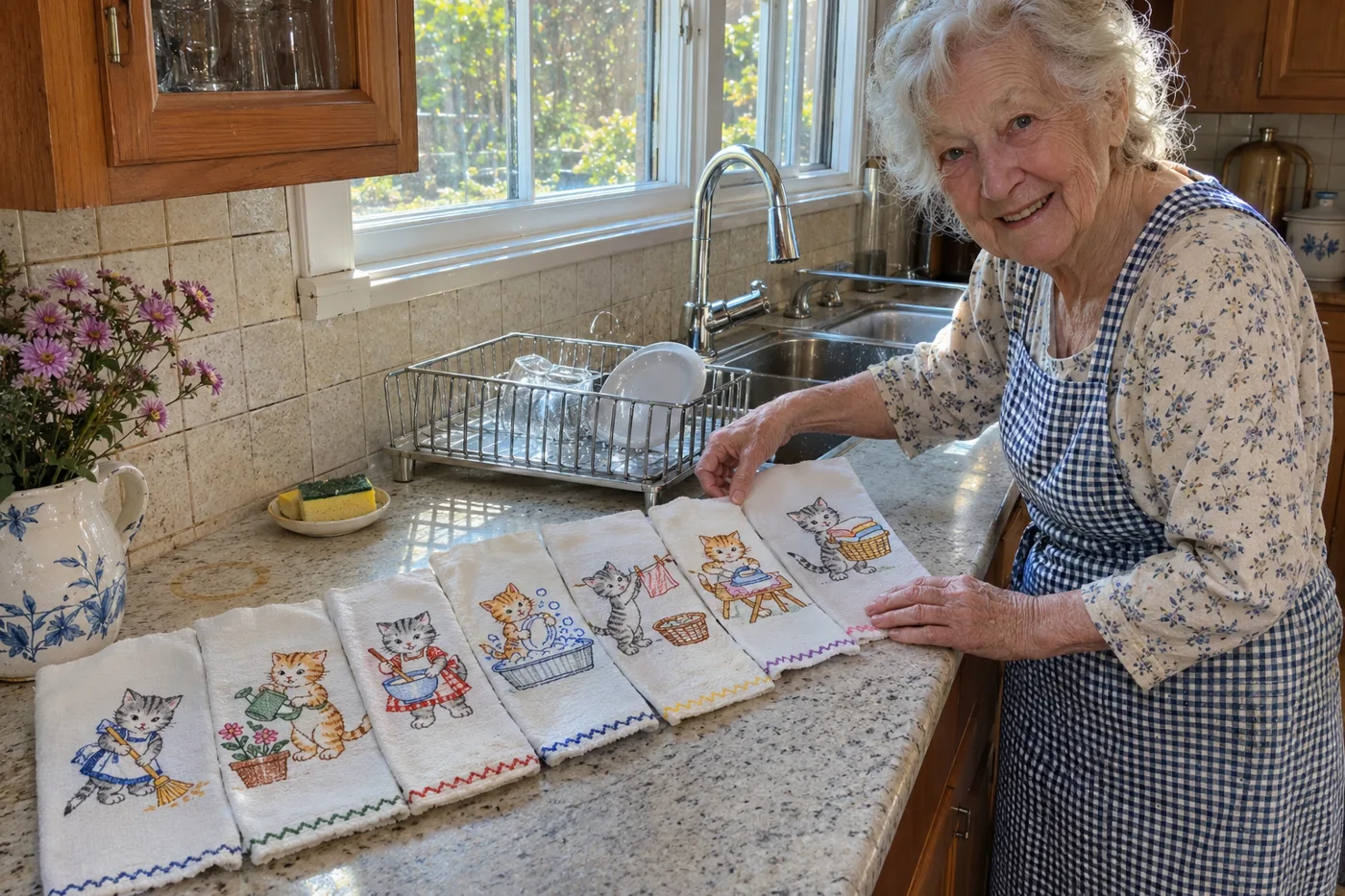
Monday’s towel had a kitten at the washtub. Tuesday’s had a kitten with an iron. By Wednesday she was pulling a pie out of the oven, and she never once looked tired.
The towels came in a stack of seven, tied with ribbon, and they were a favorite shower gift. Many people remember a Sunday towel that stayed crisp and unused, since Sunday wasn’t a work day.
One common version of the old rhyme runs: “Wash on Monday, Iron on Tuesday, Bake on Wednesday, Brew on Thursday, Churn on Friday, Mend on Saturday, Go to meeting on Sunday.”
There’s even a story, best taken as folklore, that the Mayflower women did laundry on Monday, November 13, 1620, right after landing.
Plenty of those towels started life as flour sacks. A 100-pound sack gave you fabric up to 37 by 43 inches. Flour-sack towels disappeared by the late 1960s, when paper bags replaced cloth.
The Thursday towel never did say what you were brewing.
#18 Half aprons trimmed in rickrack
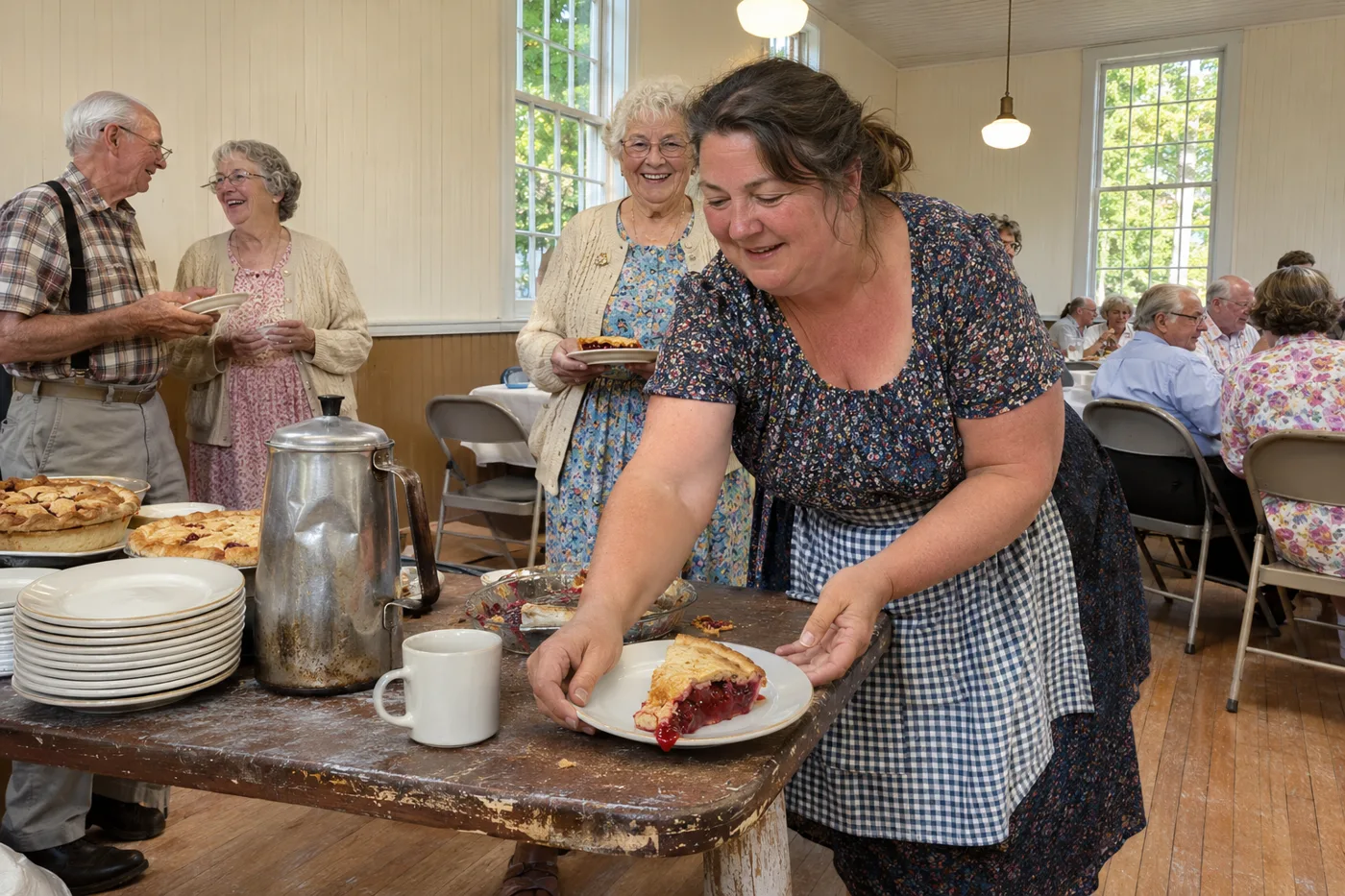
At the bazaar, half aprons hung from a rod at the end of the sewing table, gingham or calico, with a pocket in front and two rows of rickrack, the wavy trim, along the bottom. You wore one to serve at the church supper and forgot to take it off before you went home.
Rickrack has been around since the 1860s, when it went by the fussier name “waved crochet braid.” It took its modern name around 1880, and it’s been wiggling along hemlines ever since.
Rural Americans sewed rickrack onto feed sack dresses from the 1930s to the 1950s. Feed sack cloth was a world of its own. An adult dress took about four bags.
Feed sack cloth mostly disappeared by the early 1960s, once paper took over.
Rickrack’s last big moment came in the 1970s, when it got tied to Little House on the Prairie, a show where the aprons never came off.
#17 Clothespin reindeer with wiggly eyes
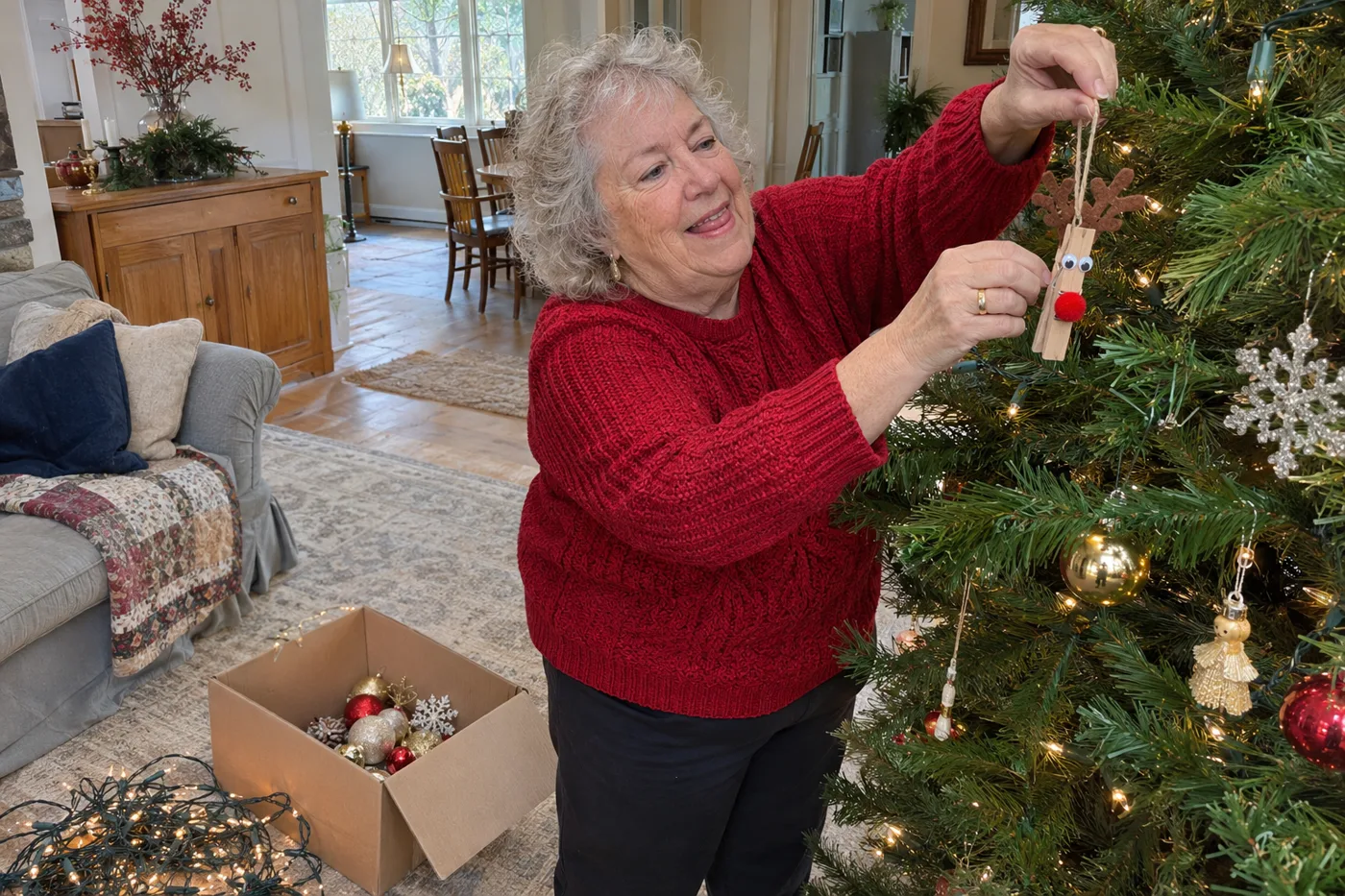
Glue three wooden clothespins together, paint them brown, add a red pom-pom nose and two googly eyes, and you had a reindeer. Tie on a loop of ribbon and he went on the tree. Bazaars sold them by the bagful, since the glue gun was already hot.
The eyes have a story of their own. The name “googly eyes” likely comes from the Barney Google comic strip and a 1923 song. Weepuls, the little pom-poms with eyes invented in the 1970s, made googly eyes a craft staple.
#16 Salt-dough ornaments baked and painted
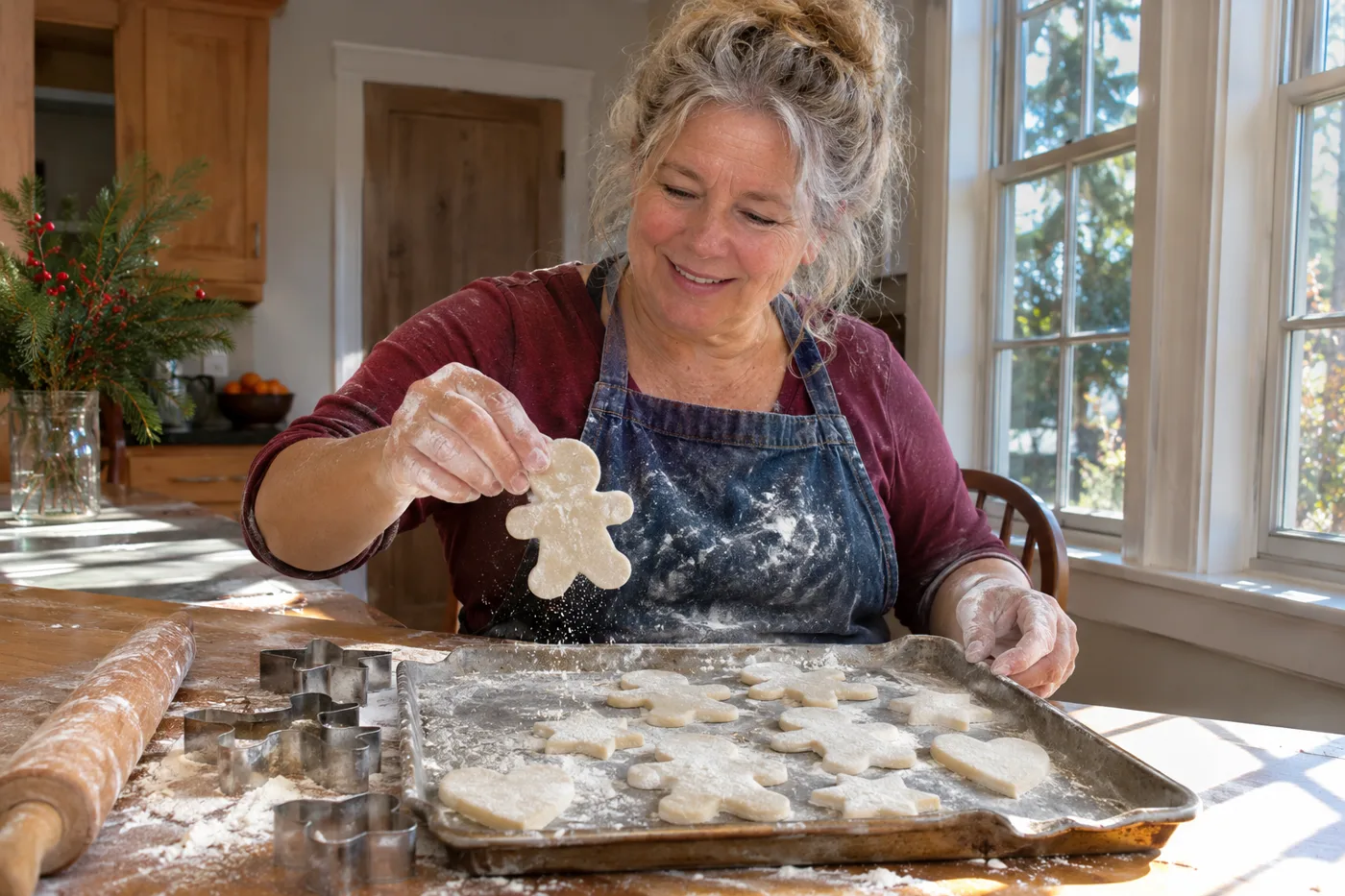
Hearts, stars, gingerbread men, little wreaths with painted holly berries. Salt-dough ornaments were cut with cookie cutters, baked hard, painted bright and given a shiny coat, with a ribbon threaded through a hole poked before they went in the oven. They looked good enough to eat, which they were not.
The Germans call it Salzteig, and they use it for everything from cookie-cutter ornaments to wreaths of dough leaves and fruit.
#15 Burned-out light bulbs painted as ornaments
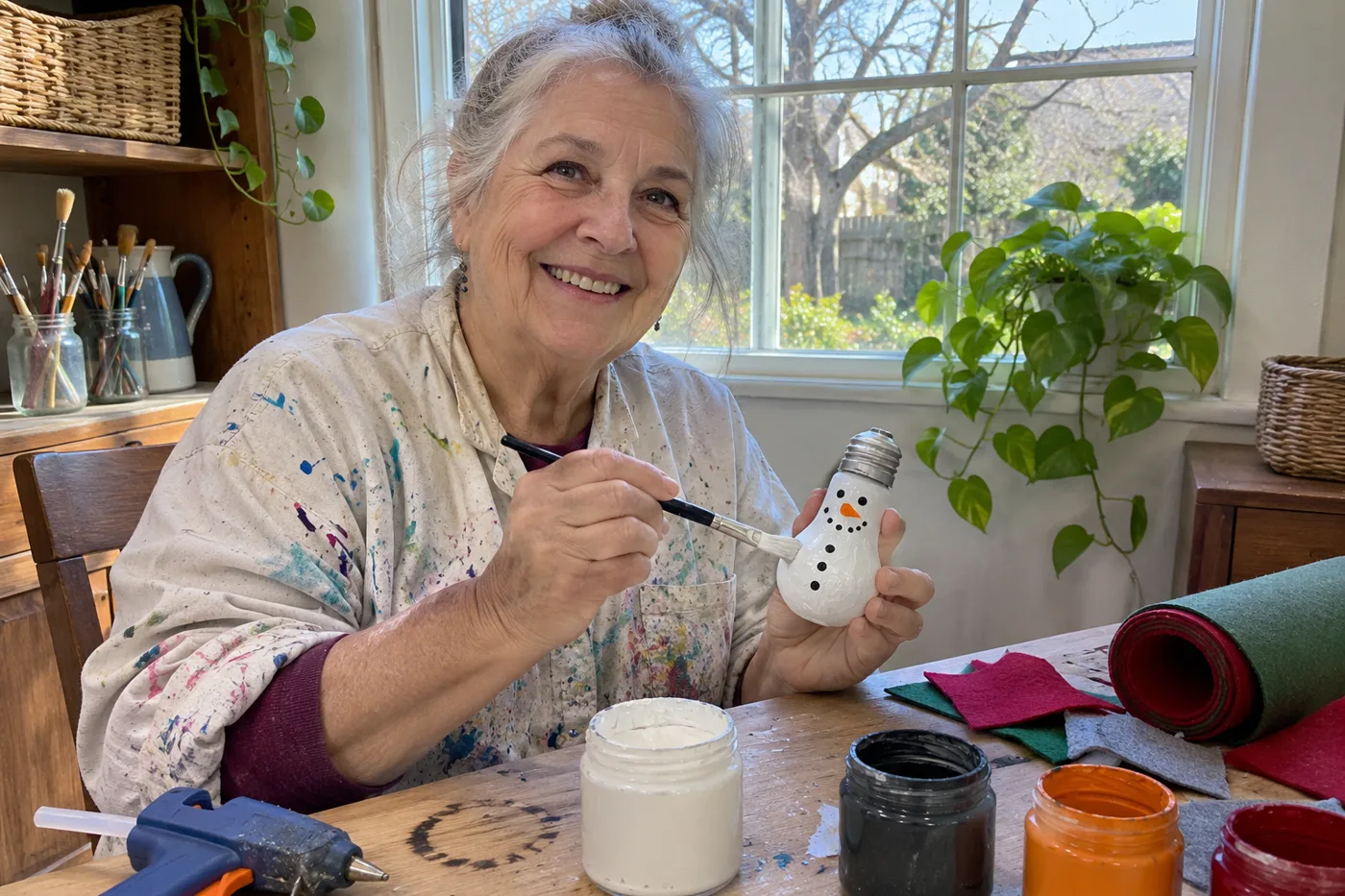
Nothing went to waste in a craft room, not even a dead light bulb. Painted white with a carrot nose, it became a snowman. Turned upside down with pipe-cleaner antlers and a red nose, it became a reindeer. Some got a felt Santa hat glued over the metal end.
Finding a plain bulb to paint got a lot harder. A 2022 federal rule effectively banned standard incandescent and halogen bulbs.
A bulb painted red makes a pretty good Rudolph.
#14 Clove-studded orange pomanders
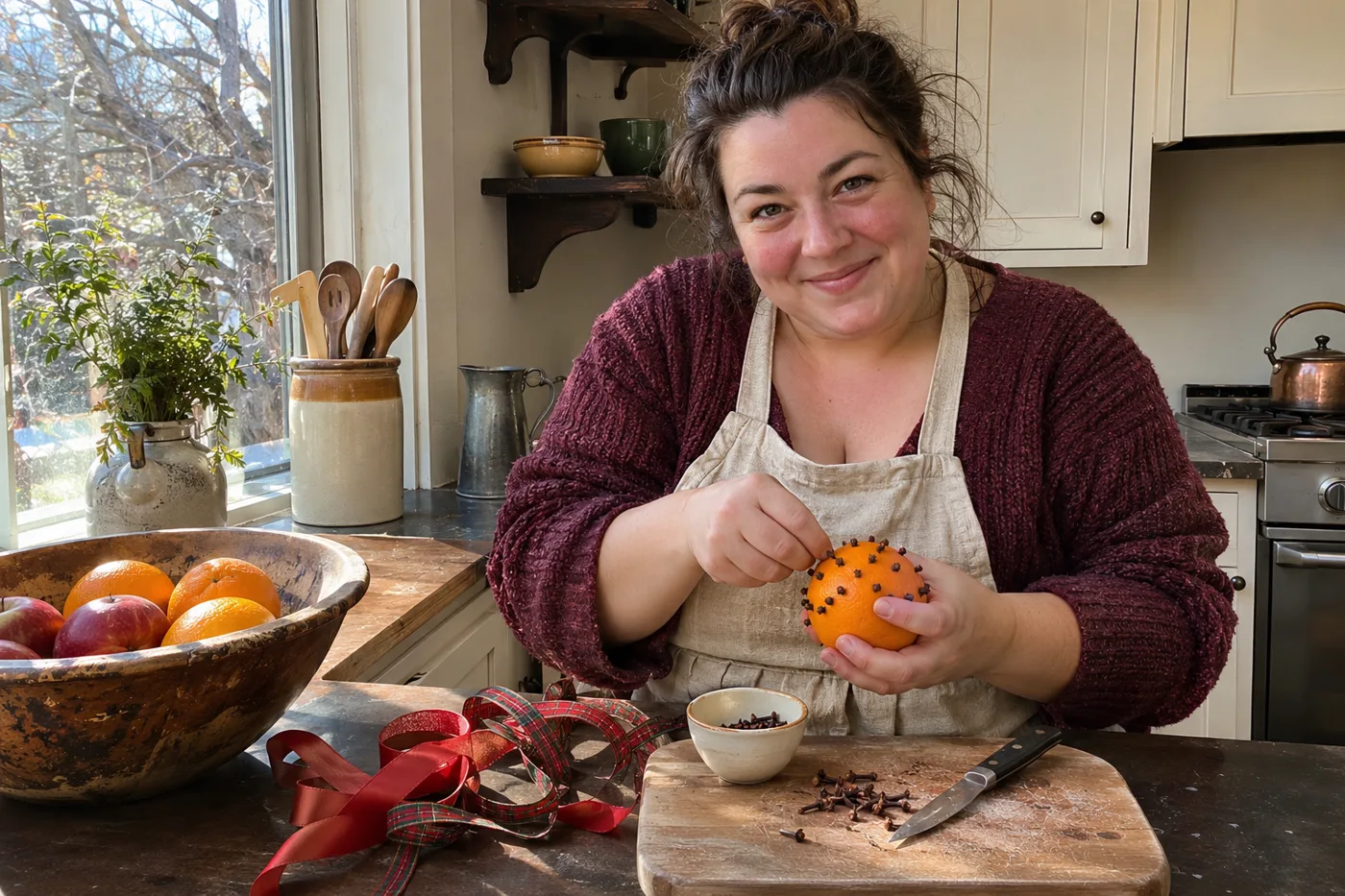
At the bazaar, clove-studded oranges sat in a bowl or hung from a loop of red ribbon, every inch covered in cloves pushed in by hand. Making one meant a sore thumb.
They look like something straight out of Colonial Williamsburg, and that’s exactly where the mix-up started.
The Greenwich Historical Society says pomanders began in medieval times as perfume you wore. The name comes from the French pomme d’ambre, “apple of amber.”
The clove orange is a Victorian idea. Most colonists, the society says, “would have eaten the orange rather than decorated it.” The colonial confusion goes back to Colonial Williamsburg’s holiday decorating in the 1930s.
Hang one in a closet and the whole closet smells like December.
#13 Lavender and potpourri drawer sachets
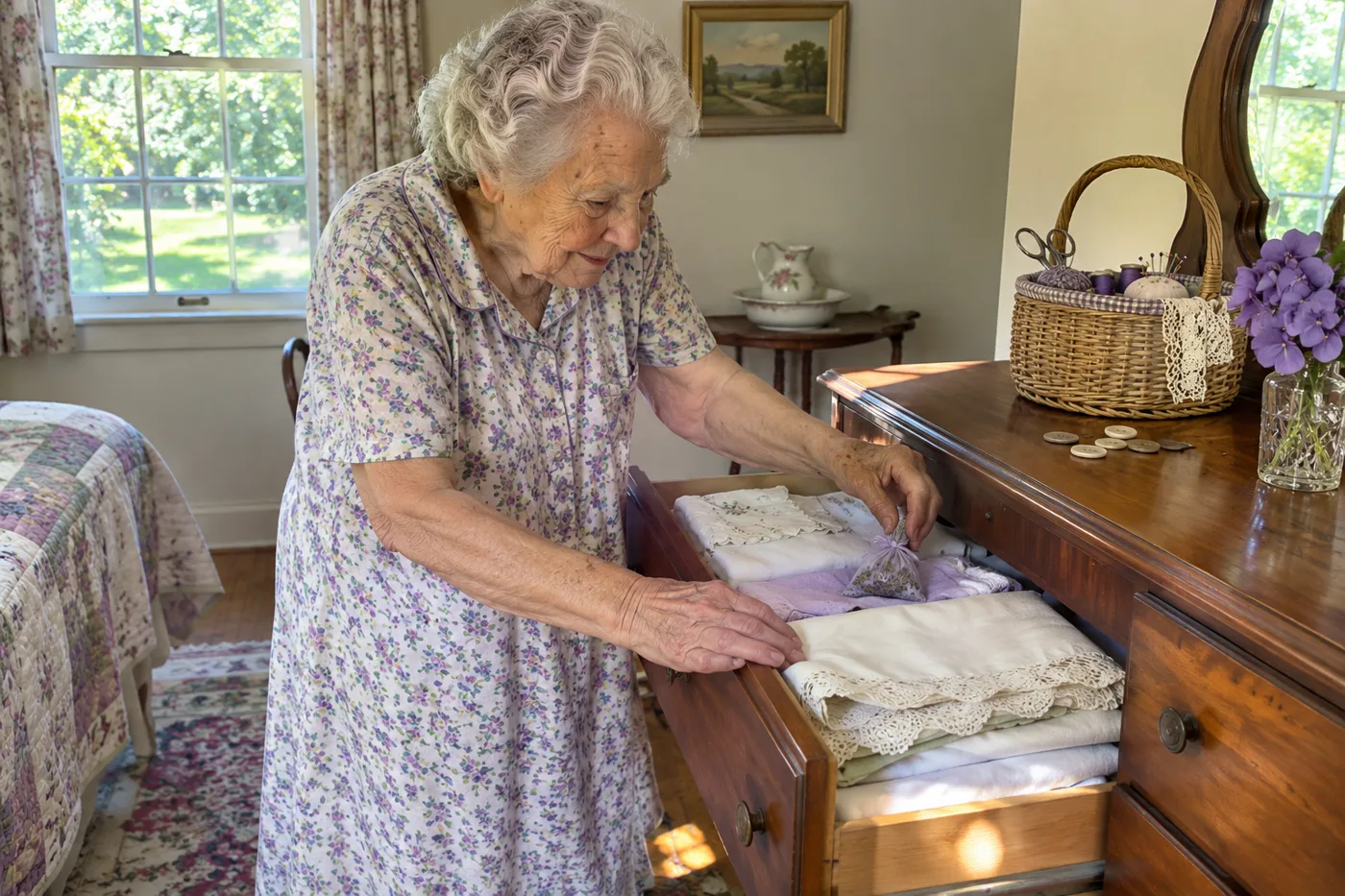
Some dresser drawers still smell like lavender when you open them. In plenty of houses that was thanks to a little pouch of lace or calico, tied with satin ribbon, tucked in among the slips and nightgowns. Bazaars kept them in a basket by the cash box.
The old-fashioned filling was lavender. The Old Farmer’s Almanac still fills sachets with dried lavender buds, sometimes mixed with dried rice or rosemary, for drawers, linen closets and under pillows. It says they help keep moths away too.
Potpourri was a different story. It was everywhere in the 1980s and 90s, and as demand grew, makers swapped real flowers for nearly scentless imported pods and dyed plant bits sprayed with perfume oils.
The market shrank in the 2000s, with a small comeback starting around 2016.
If you still have a lavender one, don’t toss it when the scent fades. Give it a gentle squeeze.
#12 Tole-painted saw blades and milk cans

Somebody found a rusty crosscut saw in the barn, and somebody else painted a whole winter scene along the blade: red barn, snowy hills, a split-rail fence, maybe a cardinal. Milk cans got roses. Old coffeepots got tulips and hearts. At the bazaar, the heavy pieces sat on the floor under the tables.
That style is called tole. The word once meant decorative painting on tin, especially in New England and among the Pennsylvania Germans.
It had a big revival in the 1960s, when teachers opened studios across the country. Priscilla Hauser opened hers in Tulsa in 1968.
In 1972, a group of 22 painters founded the National Society of Tole and Decorative Painters, with Hauser as its first president.
Before long, it seemed every town had a tole class meeting somewhere on a weeknight. Plenty of those saws still hang on kitchen walls, teeth and all.
#11 Porch goose outfits for every season
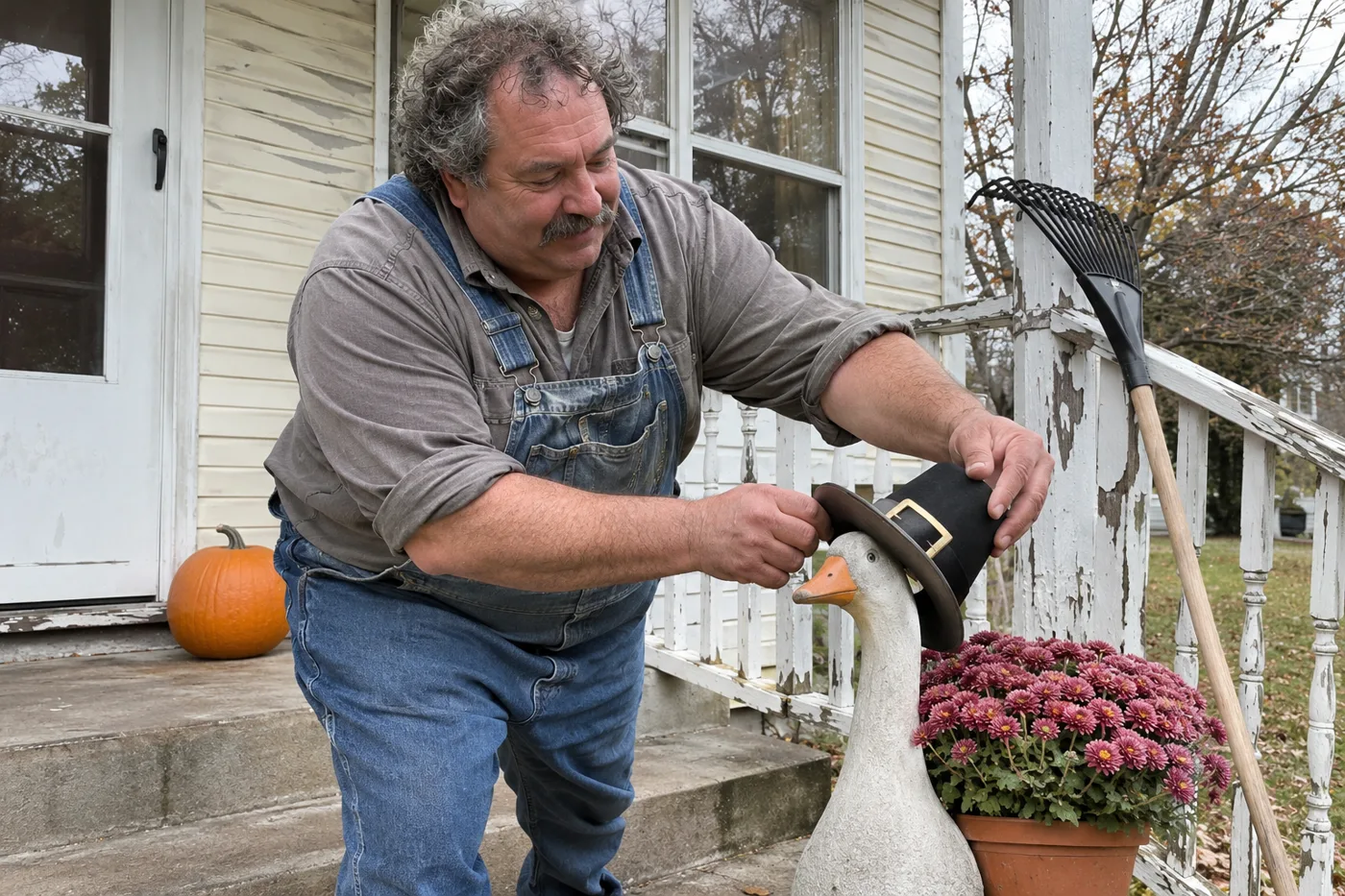
If you lived in the Midwest, you already know about the goose.
She sat on the front porch in gray concrete, and she never wore the same thing for long. A yellow rain slicker and hat in April. A bonnet at Easter. A pilgrim collar in November, a Santa suit by December. Bazaar sewing tables sold the outfits in plastic bags, sized to fit.
Concrete geese hit their peak in the 1980s, and they’re still especially common in the Midwest. Owners dress them for holidays and for the weather, which explains the tiny raincoats. The geese had a revival in the 2020s.
Elsewhere, a dressed goose was more of a sighting than a habit, the kind of thing you spotted from the car and talked about at dinner.
#10 Cross-stitched bookmarks for Sunday school
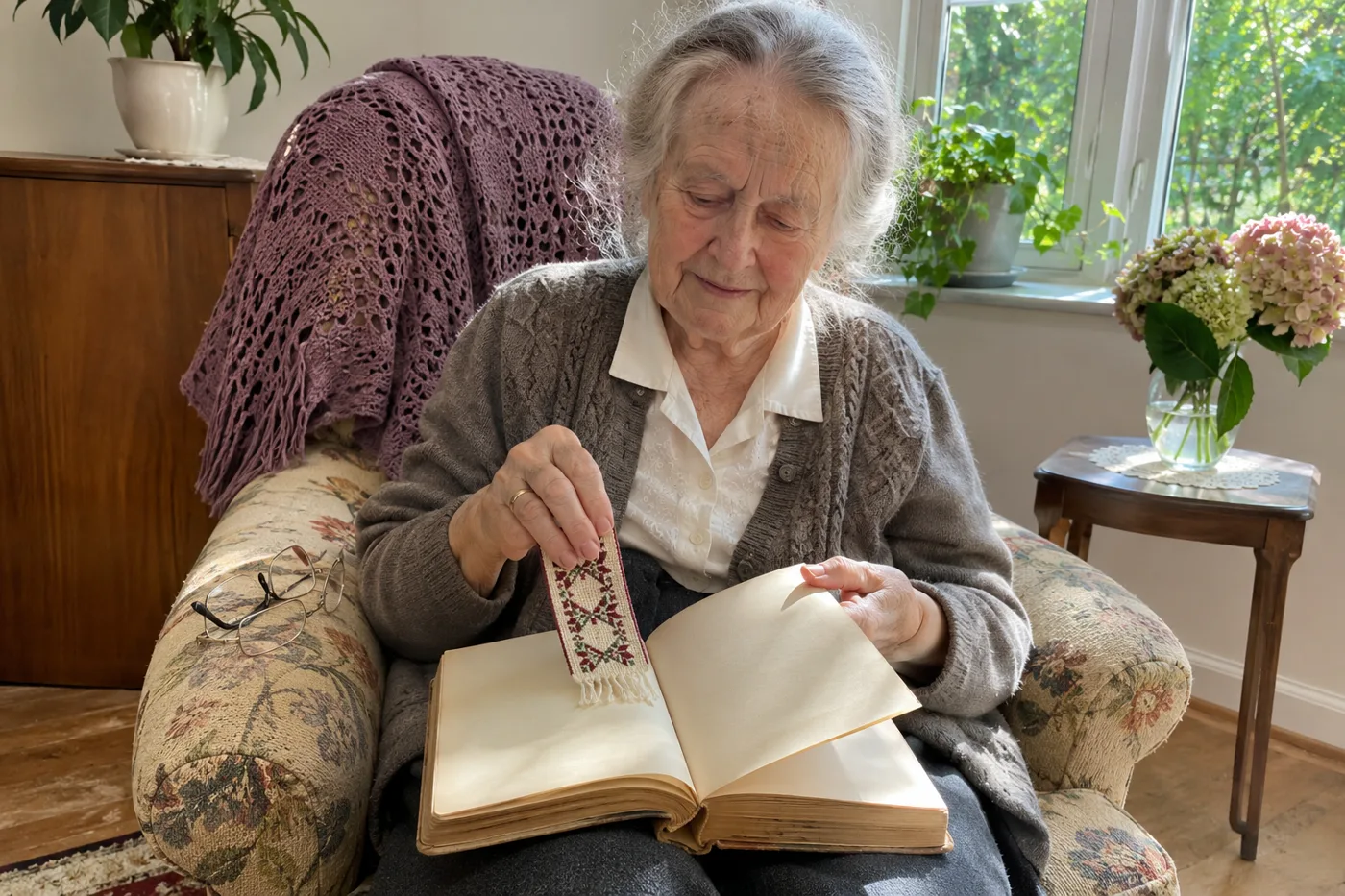
They were the right size and the right price for every Sunday school class. A strip of stiff white cloth held a small cross stitched in purple or red, sometimes a child’s name, with the bottom edge pulled into fringe. Bazaars sold them by the handful to anyone shopping for a teacher.
The cloth was aida, woven for cross-stitch with clearly defined holes, so every little x lands where it should. DMC, the embroidery thread maker, says aida was developed in 1890.
Cross-stitch came back starting in the 1960s. By the 1980s and 90s it was everywhere, with new fabrics, guilds, magazines on the shelves, stores devoted to cross stitch and cheap pattern books.
A bookmark used up leftover embroidery floss. A lot of them are still holding the same page in the same Bible.
#9 Framed cross-stitch samplers and sayings
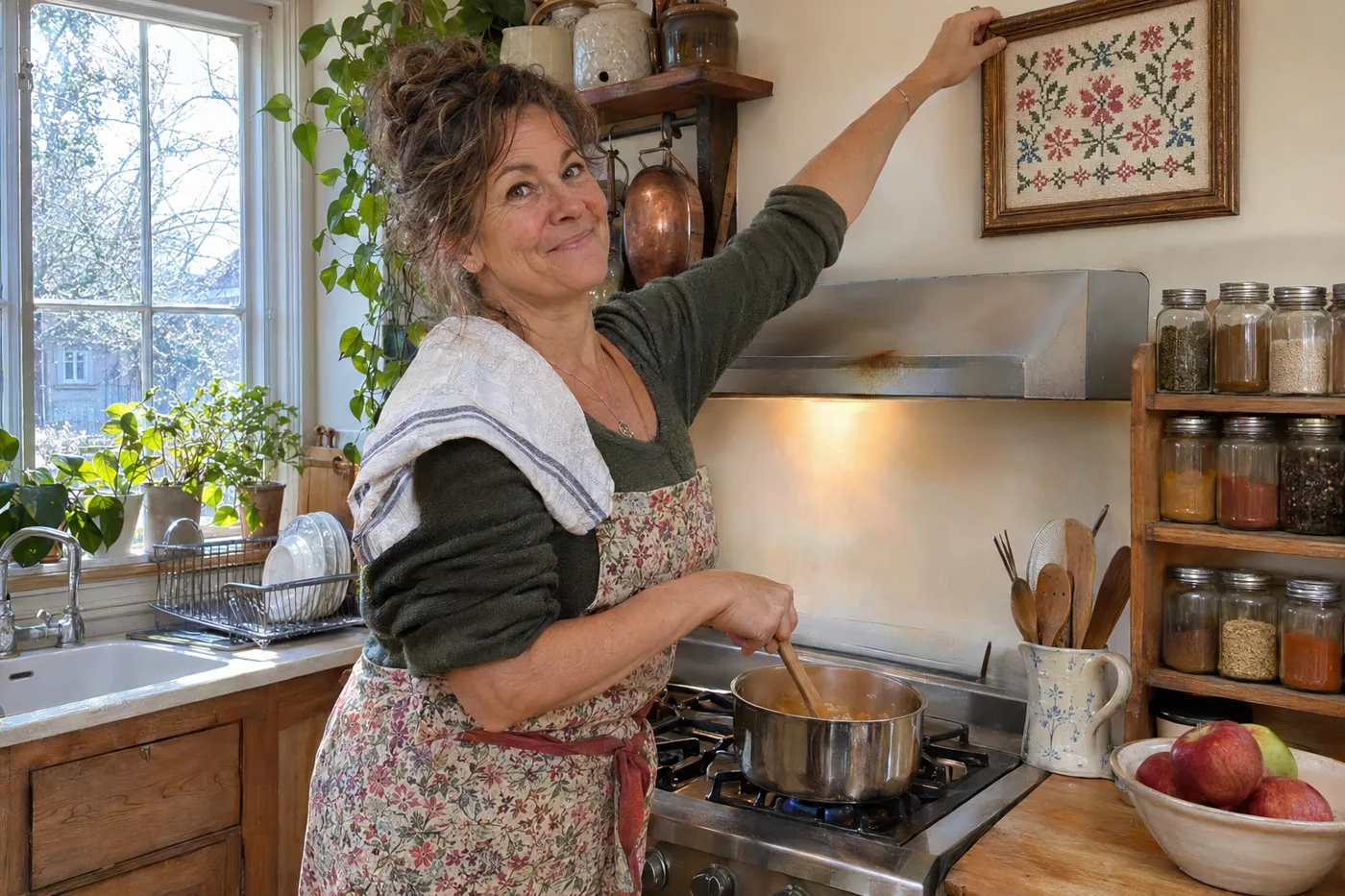
Bless This House. Home Sweet Home. A Messy Kitchen Is a Happy Kitchen. Every bazaar had a row of framed sayings in neat little x’s, set in wooden frames from the craft store with a sawtooth hanger already nailed on the back.
They descend from the sampler, and the original samplers had a serious job. The National Archives says samplers were practice and proof of a girl’s needle skill, usually stitched with alphabets, numbers and moral verses.
The girls who made them ranged from about six to seventeen. American sampler-making flourished until about 1825, and the finest work is often dated before 1785.
So the “Bless This House” over somebody’s stove has a long line behind it.
#8 Crocheted slippers in variegated yarn
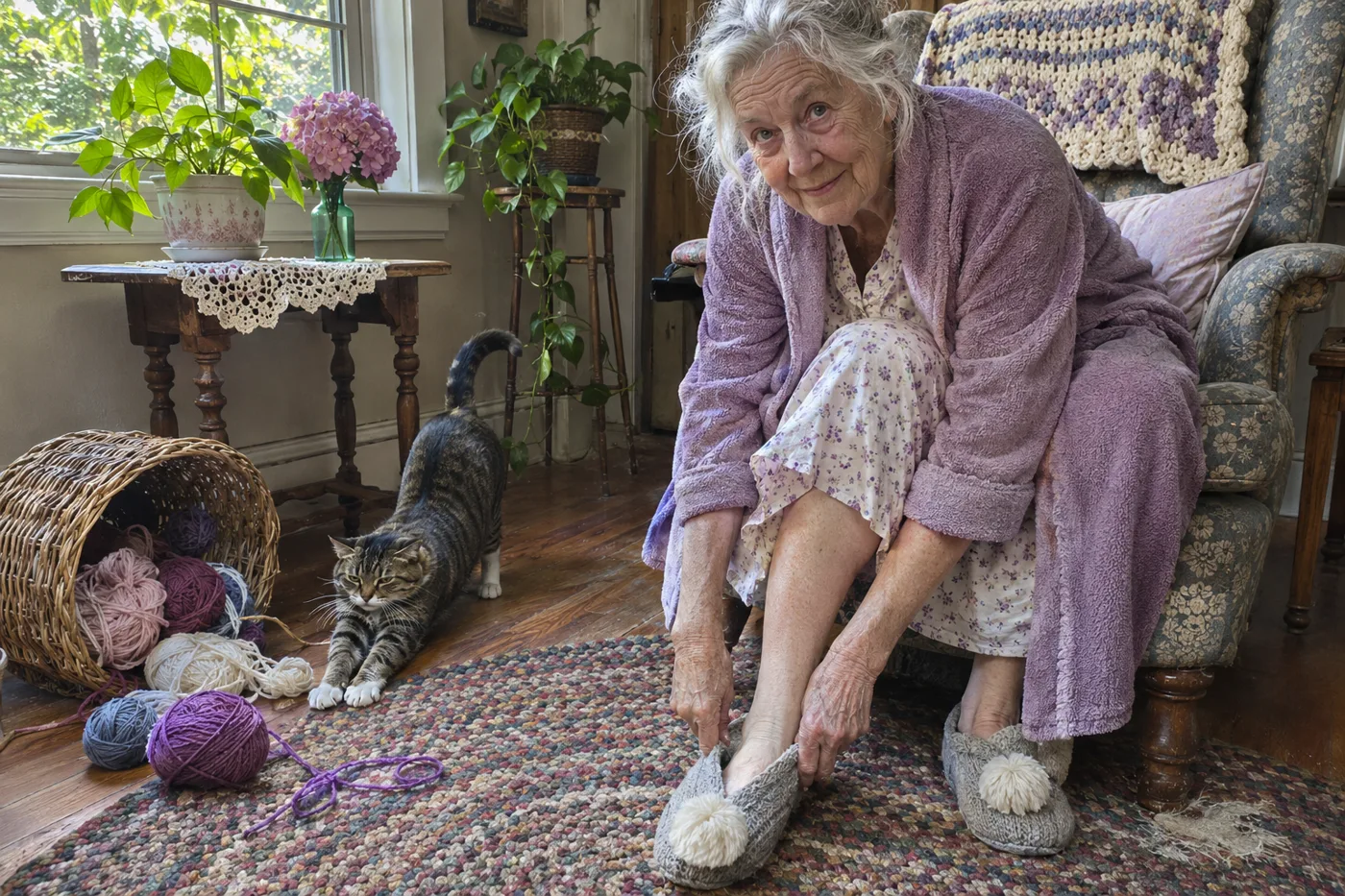
Variegated yarn is dyed so the color changes along the strand: pink to purple to blue, or brown to orange to gold, every few stitches. It made even a simple pattern look busy, which is why bazaar slippers almost always came in it.
They were sold in plastic bags, one size fits most, usually with a pom-pom on each toe and sometimes a cuff that folded down.
The yarn was nearly always acrylic, which is newer than it seems. DuPont made the first acrylic fiber, Orlon, in 1941, but it wasn’t produced in large quantities until the 1950s.
It caught on as a cheaper stand-in for wool and went into sweaters, hats and mountains of hand-knitting yarn.
The slippers lasted for years. The pom-poms usually didn’t.
#7 Macramé owls with wooden-bead eyes
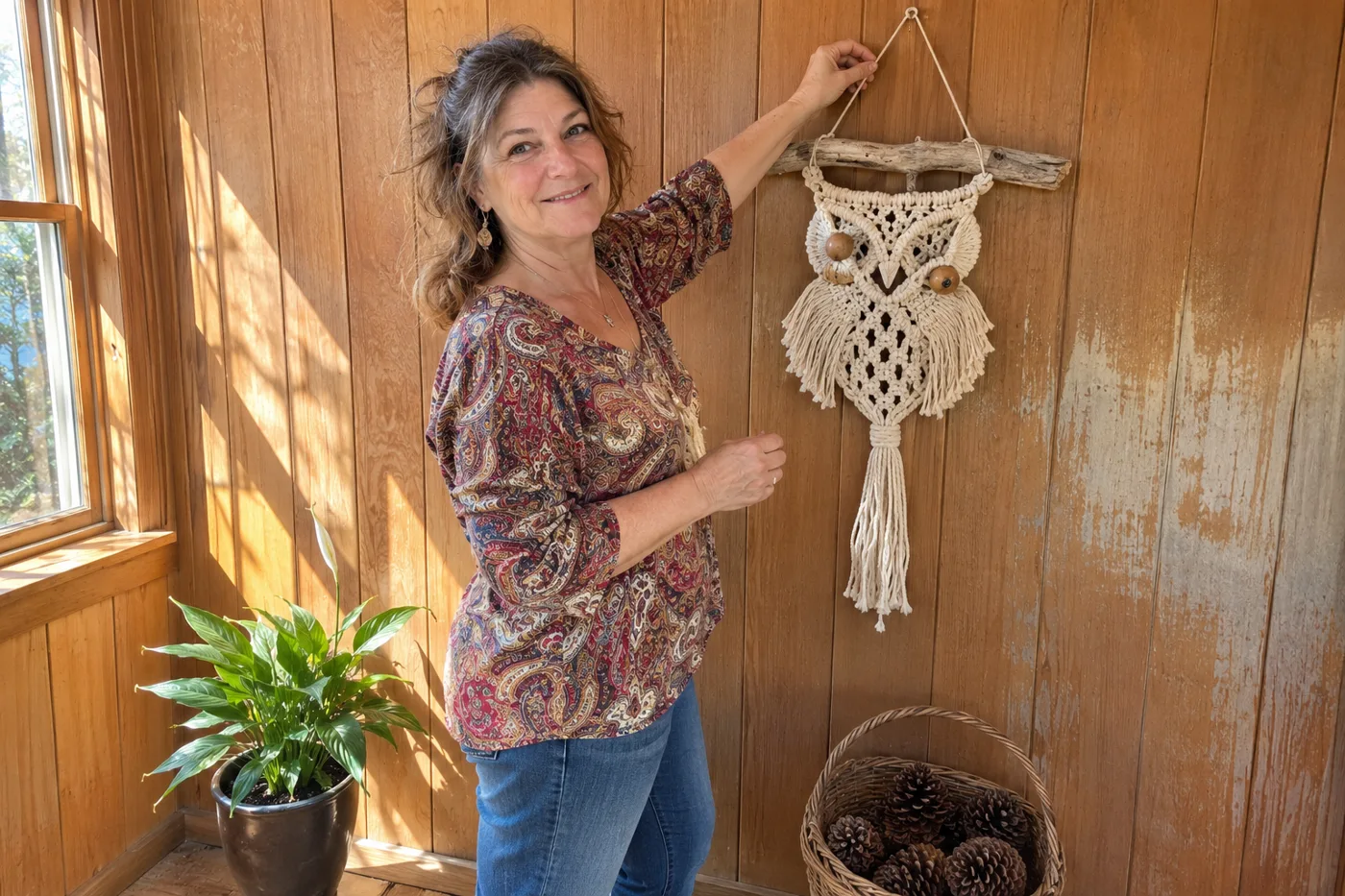
The owl hung from a piece of driftwood, knotted from brown jute, with two big wooden beads for eyes and long fringe for a tail. Next to him on the bazaar table sat a stack of macramé plant hangers, ready for a spider plant.
Macramé is far older than the 1970s. Arab weavers called it miqrama and used it for fringe on towels and shawls. Sailors in the 1800s knotted it at sea and called it “square knotting” or “McNamara’s lace.”
It boomed in the 1970s and faded by the early 1980s. Then millennials revived it in the late 2010s.
So the owl’s descendants are probably hanging in a coffee shop near you, holding a pothos.
#6 Pinecone wreaths and pinecone turkeys
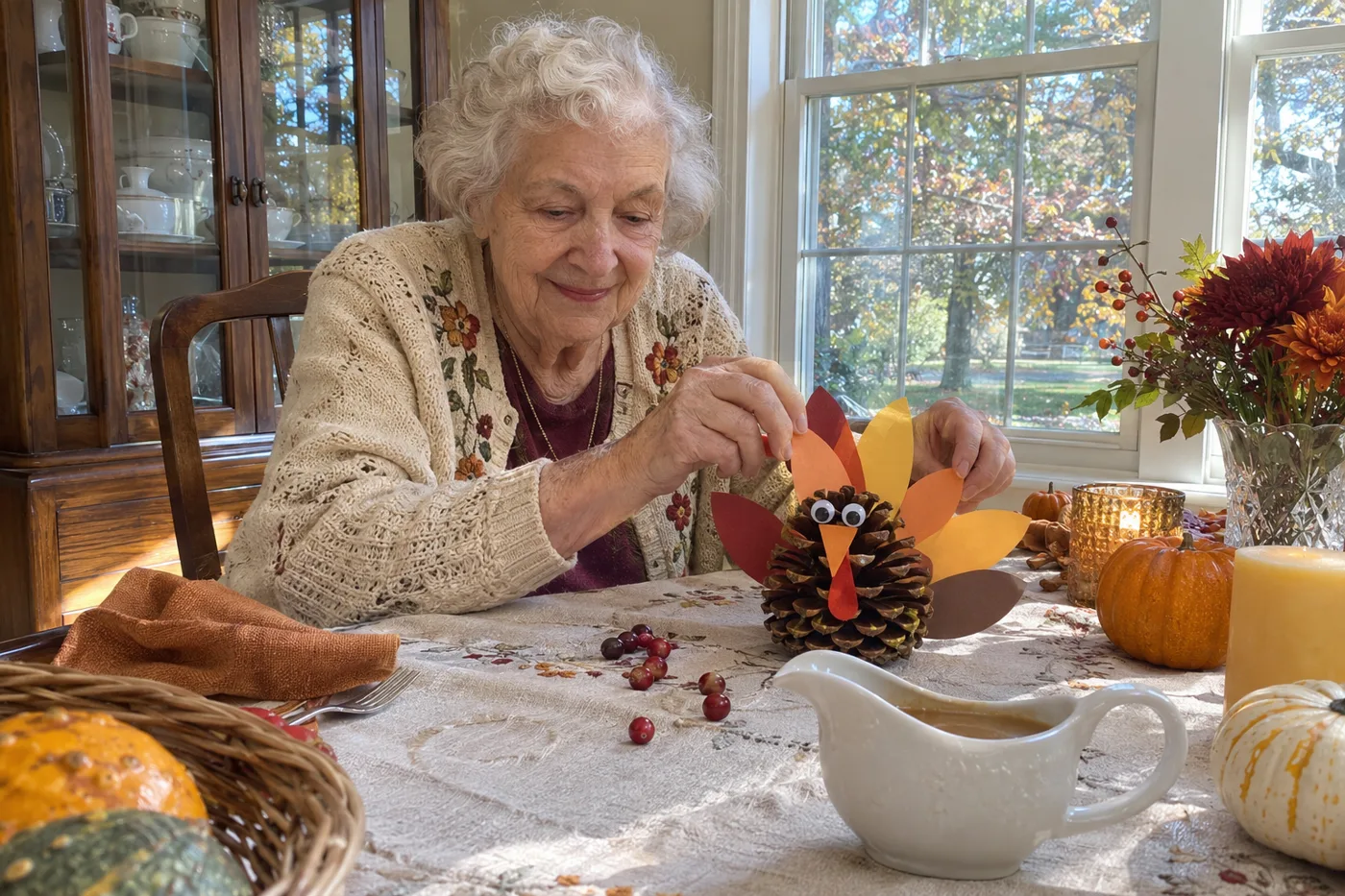
November meant pinecones. Turned on its side, a pinecone became a turkey’s body, with a felt head glued to the narrow end and a fan of paper feathers behind. Bazaars sold them as centerpieces, next to pinecone wreaths packed onto wire rings with acorns and a plaid bow.
The cones came from somebody’s yard, and once in a while a few bugs came inside with them, since insects can hide in pinecones over winter, according to Ask Extension, the question service run by university extension programs.
#5 Yo-yo quilts and yo-yo clowns from scraps
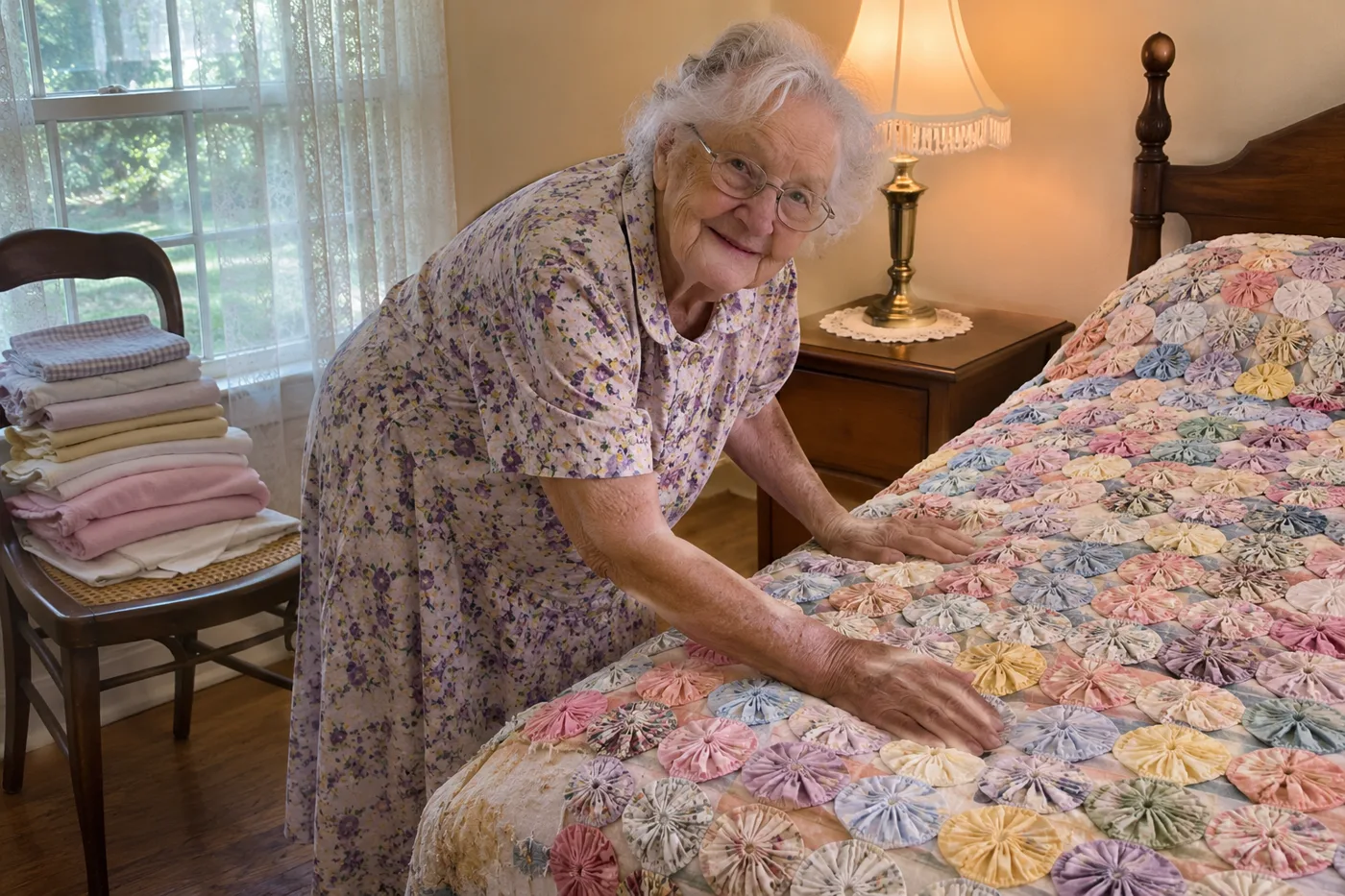
A yo-yo is a circle of fabric with its edge turned in, gathered tight with a running stitch and flattened into a puckered little rosette. Stitch a few hundred together and you have a yo-yo quilt, with tiny gaps all over that look almost like lace.
Bazaars sold the quilts as bedspreads and table toppers. They also sold yo-yo clowns: stacks of yo-yos strung together for arms, legs and body, topped with a stuffed head and a pointed hat, flopping like a puppet when you picked one up.
PieceWork magazine says yo-yos, also called Suffolk Puffs, were a popular quilting technique in the 1930s. Each one needed only a circle of cloth, so the scrap bag never ran dry.
Nobody has proven where the name came from. The clown always looked like he’d been out too late.
#4 Corn husk dolls with no face
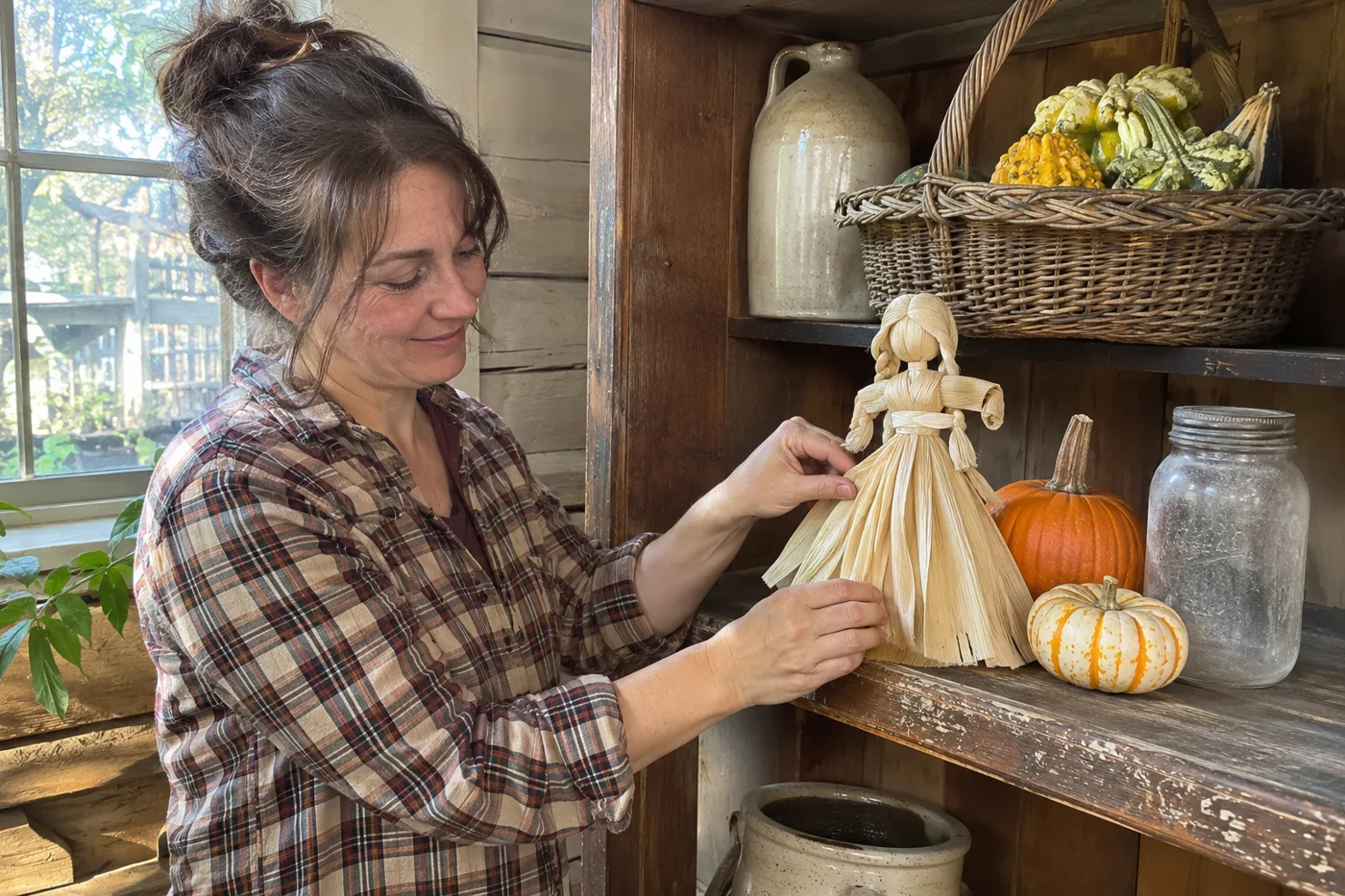
In the fall, the table by the door often held a row of corn husk dolls, pale gold, with full skirts and arms tied at the wrist. Some had husk wings and became angels. Many had no face at all, and plenty of shoppers figured the maker just ran out of time.
The blank face is the oldest part. The Cayuga Museum says northeastern Native Americans make corn husk dolls, soaking the husks in water to make them soft before twisting and shaping them. Traditional dolls have no face.
A Seneca telling explains why. In the 1981 book Our Mother Corn, craftswoman Mrs. Snow tells of a beautiful husk doll who grew vain about her looks.
Her punishment was that she would “have no face” and would “roam the earth forever.”
#3 Handmade rag dolls in calico dresses
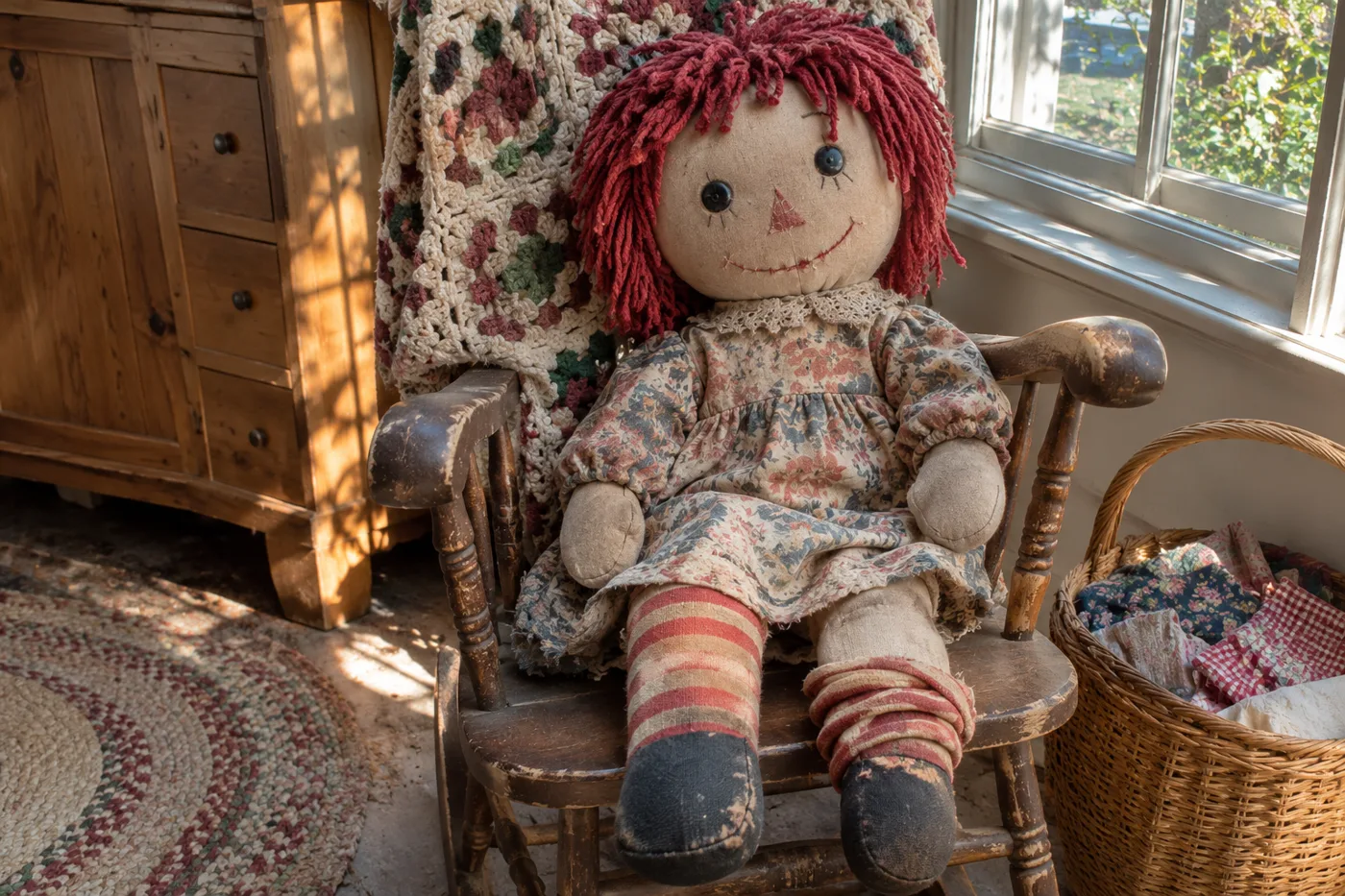
Red yarn hair. A calico dress and a white pinafore. Striped stockings and a stitched smile. Handmade rag dolls sat in a row at the edge of the table with their legs dangling over, and they rarely lasted until noon.
Many were homemade Raggedy Anns or close cousins. Johnny Gruelle patented Raggedy Ann on September 7, 1915, and Raggedy Ann Stories came out in 1918.
From 1940 on, McCall’s sold home-sewing patterns for her. One 1970 version, pattern #2531, came in three sizes, which helps explain why bazaar Raggedys never quite matched.
The ones still around are usually missing a shoe, with a face gone a little flat from years of being slept on.
#2 Hand-painted ceramic Christmas trees that glow
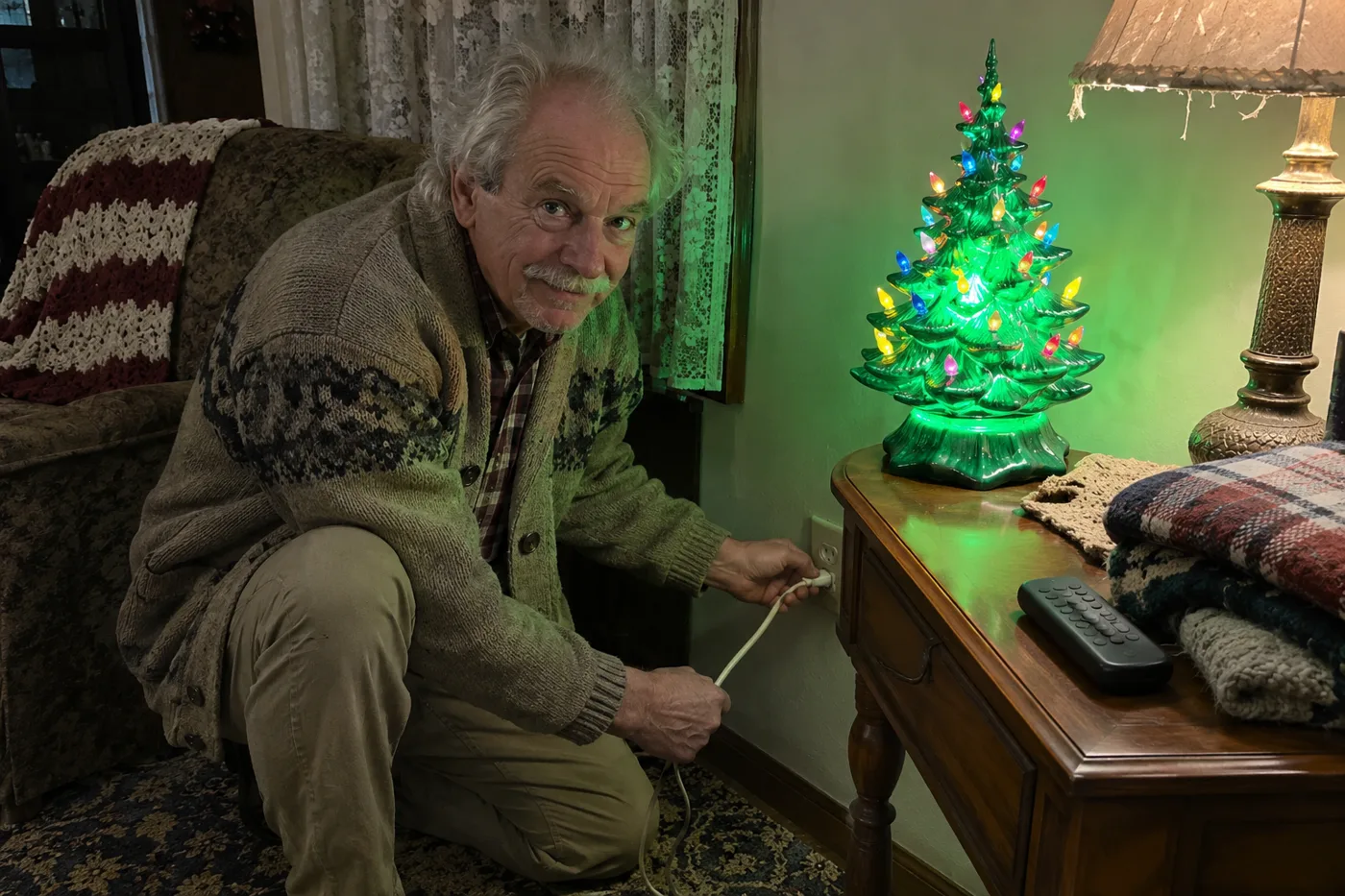
It sat on an end table or the top of the TV, about a foot and a half tall, glazed deep green, with tiny plastic bulbs poked into holes all over it. A light inside made every little bulb glow. Turn off the lamps and the whole room went soft and colored.
A vintage collectors’ blog says these trees usually stand 17 to 24 inches tall. Atlantic Mold copyrighted the first ceramic Christmas tree in 1958.
If you have one, turn it over. There’s often a date on the base, but it may be the mold’s copyright date, not the year the tree was made. A tree stamped 1958 could easily have been painted in 1979.
#1 Felt Christmas stockings the church ladies sewed

Even stockings sewn from the same kit came out one of a kind. Felt pieces, thread and a little bag of sequins, each sequin sewn on by hand and held down with a tiny bead.
Santa’s beard was a puff of white felt. The name went across the cuff, in felt letters or glitter.
Many of those kits were Bucilla’s. Bernhard Ulmann founded the company in 1867, and Bucilla is squeezed out of its full name: Bernhard Ulmann Company, Incorporated (Lace, Linen, and Accessories).
Church sewing groups made them all fall and sold them at the bazaar, often taking orders with the name pinned on a slip of paper. If one came into your house that way, it’s probably still in the Christmas box.
The bottom line
The skills never fully left. In 2012, 13 percent of American adults said they’d done weaving, crocheting, quilting, needlepoint, knitting or sewing that year. That’s about one in eight.
What goes missing first is the maker’s name. If there’s a doily, an afghan or a stocking in your house that someone made by hand, find out who, and write it down. A strip of masking tape on the back will do, same as the old price tags.
Bonus: Four bazaar table tricks you can still use
- Bring back a limp doily. One crochet site lists four ways to stiffen one: spray starch, liquid starch, a boiled and cooled mix of equal parts sugar and water, or equal parts glue and water. The glue version, it warns, “cannot be washed out like other methods.”
- Clean yard pinecones before they come inside. Ask Extension says to soak them in equal parts water and white vinegar for at least 30 minutes, rinse and dry them, then bake at 200°F for about an hour so they open again.
- Mix a batch of salt dough. The basic German recipe is 2 cups flour, 1 cup salt and about 1 cup water, kneaded for 10 minutes.
- Make a sequin ball. One tutorial uses a 2-inch Styrofoam ball and 1-inch straight pins, each carrying beads and a sequin, overlapped until no foam shows. Figure on about an hour per ornament.
Questions people also ask
Why did crocheted toilet-paper doll covers disappear?
Nobody knows for sure. Josie Glausiusz, who wrote about the dolls in The American Scholar, places them sometime in the 1960s or 1970s but says “no one seems to know why or exactly when they arose or where they have gone.” She calls them a phenomenon little studied by academia.
What happened to old-fashioned light bulb Christmas ornaments?
The plain incandescent bulbs crafters painted into snowmen and reindeer were pushed off store shelves. Federal rules issued in April 2022 required everyday bulbs to give at least 45 lumens per watt, and full enforcement began August 1, 2023. As of 2023, appliance, bug and colored specialty bulbs were exempt.
How many people still do needlework crafts like these?
The firmest figure is from 2012: about one in eight American adults. In 2012, 13 percent of adults told the National Endowment for the Arts they had done weaving, crocheting, quilting, needlepoint, knitting or sewing that year. A later report said textile crafts dipped in 2020 and were back to 2017 levels by 2022.

- 26 Things Grandchildren Remember About Your House That You Never Notice - November 5, 2026
- 25 Church Bazaar Crafts Every Town Sold That Nobody Makes Anymore - November 5, 2026
- 23 Things People Over 60 Still Do When Decorating That Designers Beg Them to Stop - November 5, 2026

Leave a Reply