Stay for #1. It’s the room designers most want you to give up, and there’s a better answer than giving it up.
In a lot of houses there’s a chair with a folded afghan on it, a stack of mail on the afghan, and a cat on the mail. Nobody planned it.
It just happened, the way most of a home happens. Designers love to call habits like that mistakes. Some of them have a point. Some of them have clearly never lived anywhere with a cat.

#23 Keeping the formal living room nobody sits in
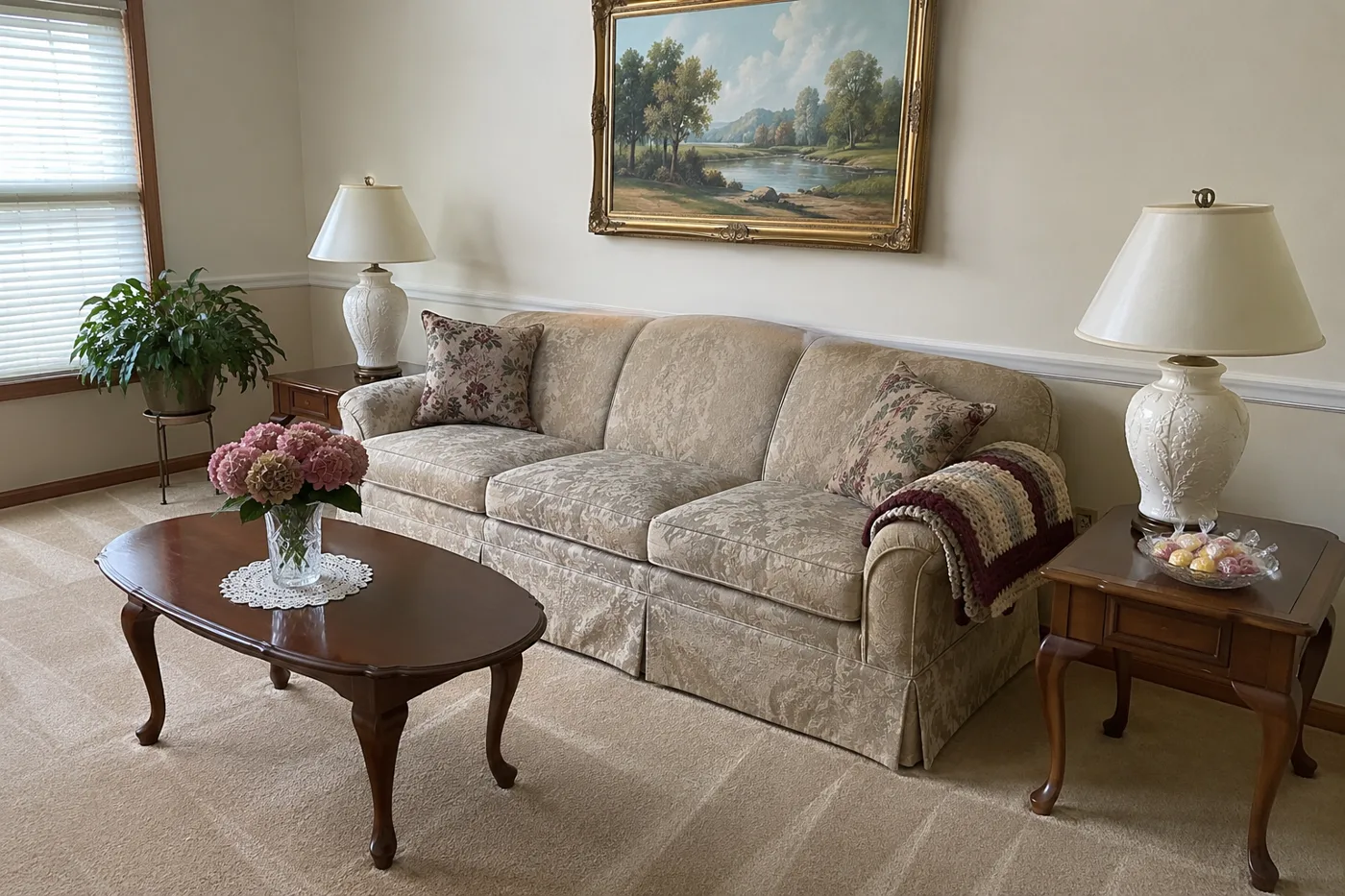
You know the room. The vacuum lines are still in the carpet from Tuesday. Two lamps get switched on only for company. The sofa has held its shape for twenty years, because everyone ends up crowded around the kitchen table instead.
What bothers designers is the closed-door feeling. A room you only walk past is a room you’re heating and dusting for nobody.
You don’t need a contractor to change that. Move your reading chair in there. Put the good lamp on a timer. Leave a half-done jigsaw puzzle on the coffee table and see who wanders in.
#22 Wall-to-wall carpet, even in kitchens and baths
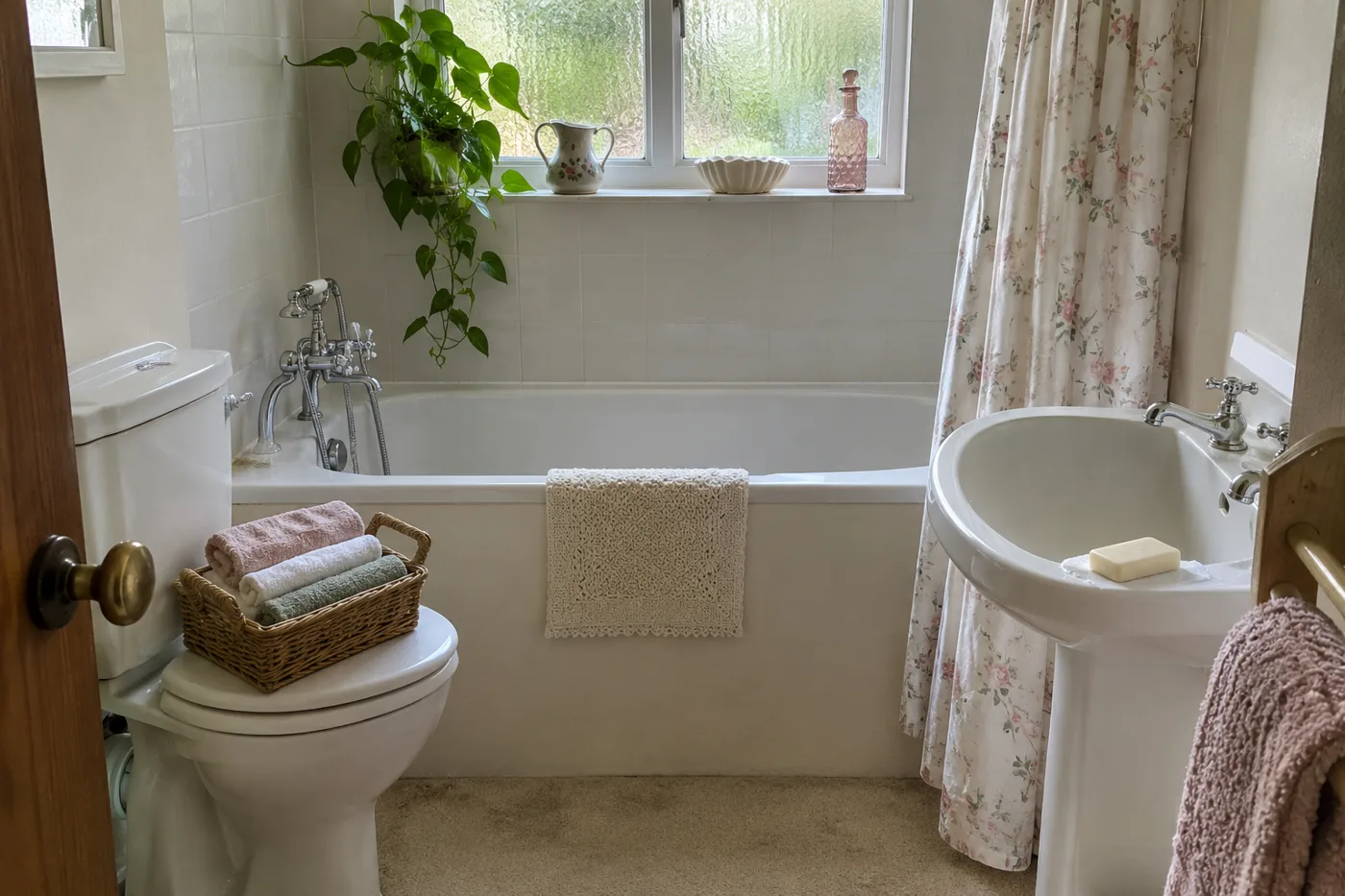
Plenty of people remember kitchens with carpet. Real carpet, under the table and right up to the dishwasher. And then there was the bathroom version, snug around the base of the toilet, which nobody likes to think about for long.
A lot of it is gone now. Wall-to-wall carpet went from about 60% of floor-covering sales around 2000 to roughly one-third by 2019, as buyers switched to hardwood and tile.
Spill one glass of juice on a kitchen carpet and you understand the appeal of a floor you can wipe clean.
So the designers win half of this one. In a kitchen or bathroom, carpet is in a fight with water that it will eventually lose. In a bedroom, where bare feet hit the floor on a January morning, it’s still a perfectly good idea.
Pull up the bathroom carpet first. Leave the bedroom alone.
#21 Good china and towels saved for no one
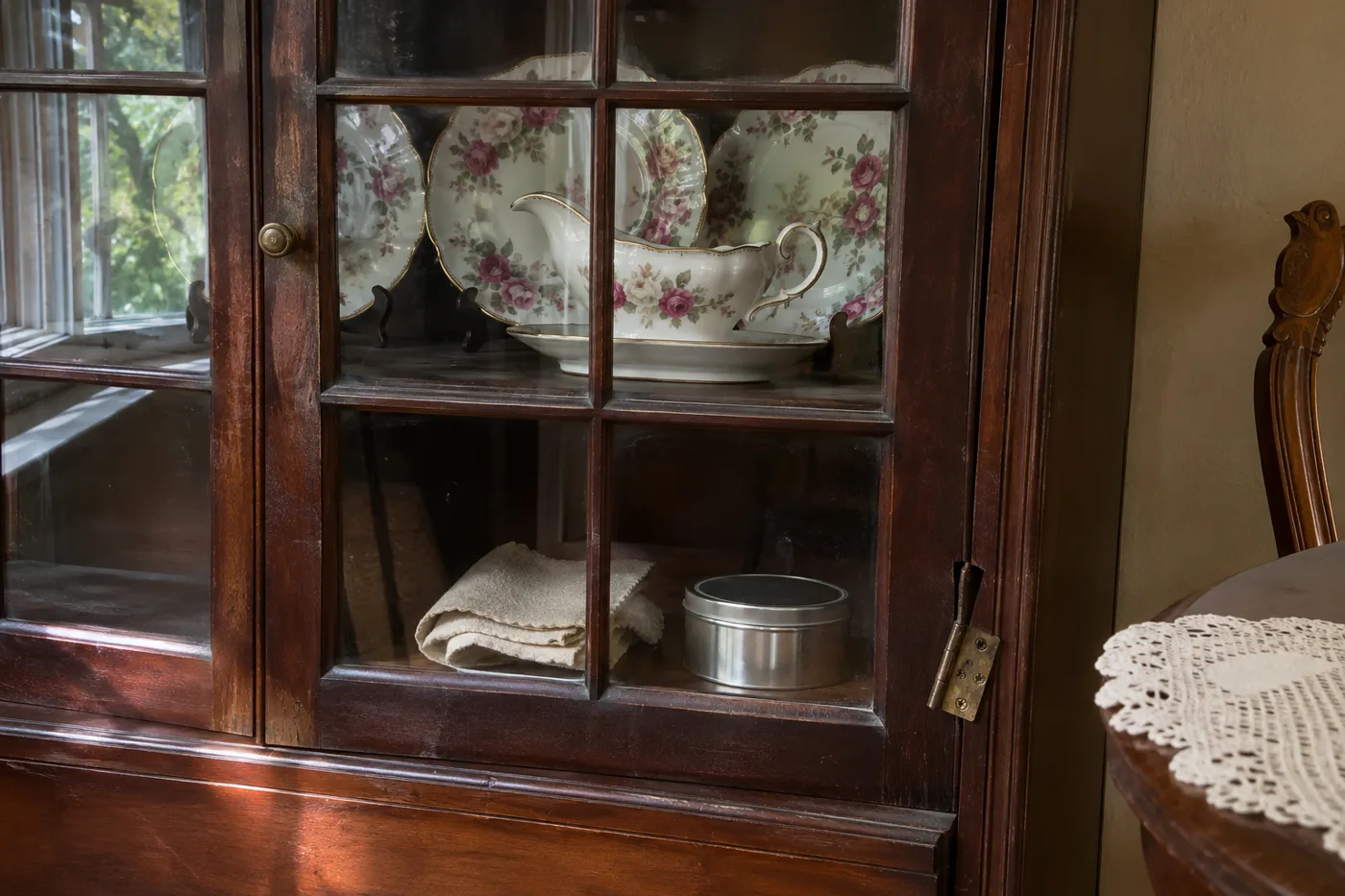
Lots of people grew up with the glass-front cabinet. The rose-pattern plates stood on their edges behind the glass, a gravy boat sat out front, and a tiny key lived in the lock that nobody ever turned. In the linen closet, the thick towels still had their store fold.
Vancouver architect Daniel Titchener has argued in a YouTube video that display cabinets mostly suit people with space to spare. They tend to fill up, he says, with old tableware, souvenirs and trinkets nobody uses.
Before you save it for the next generation, ask whether anyone wants it. In 2017, the head of the National Association of Senior Move Managers said young couples are “not picking out formal china patterns anymore.”
Interior designer Rita Wilkins, after 40 years in the business, says it plainly: “Someday is never promised.”
Hang the good towels tonight. Eat Thursday’s leftovers off the rose plates. If one chips, it chipped doing its job.
#20 Plastic covers on the “good” sofa
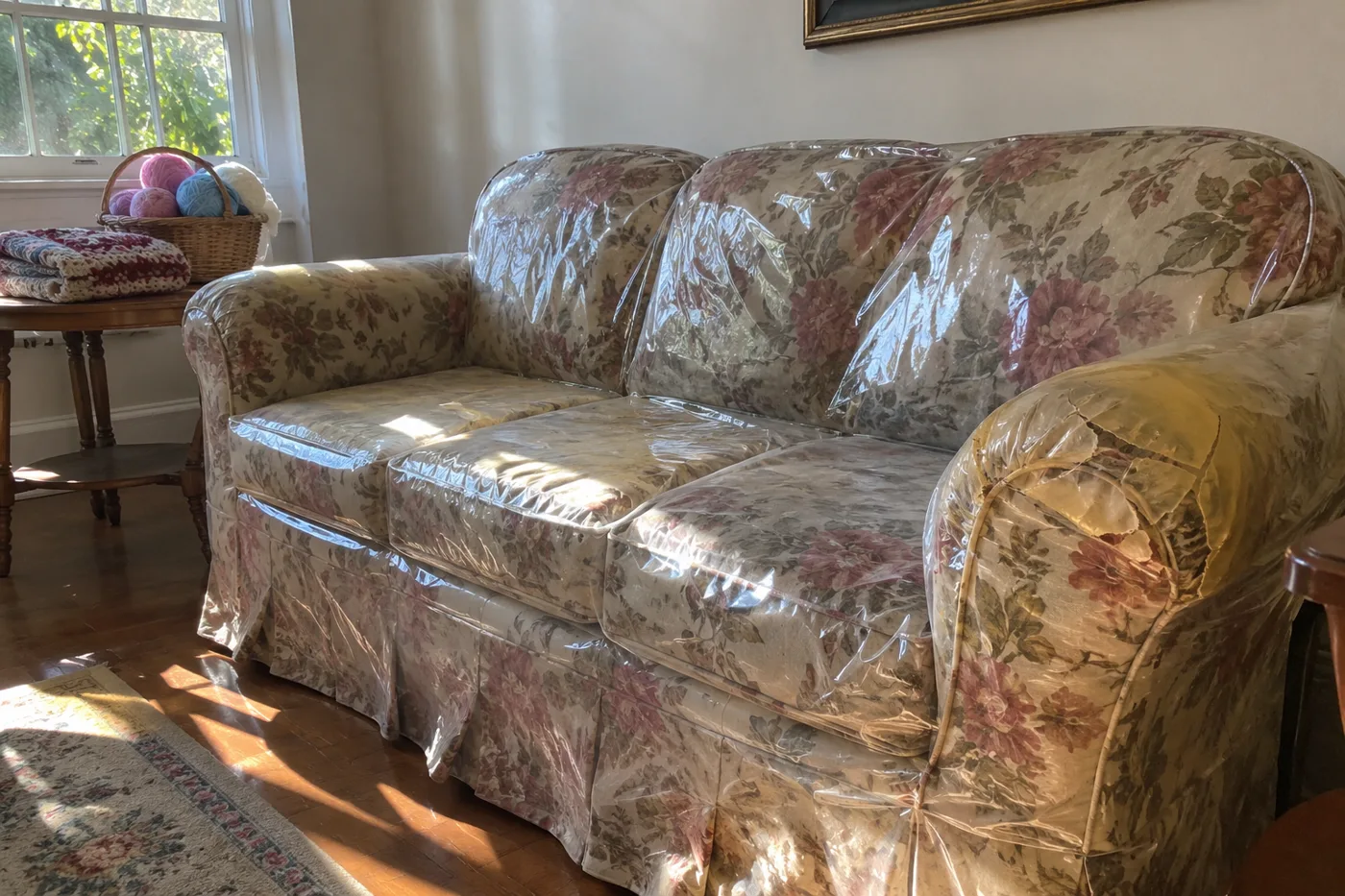
Summer, shorts, and a sofa wrapped in clear plastic. Everyone who sat on one remembers peeling their legs off it, and the little crackle when somebody shifted at the other end.
There was a reason for it. Clear vinyl covers were sold in big department stores like Jordan Marsh, or made to order, and they kept sweat off the fabric before most homes had air conditioning. A sofa was a serious purchase. You protected it.
One explanation, from a commenter on a nostalgia newsletter, is that stain-resistant fabrics came along, sofas got cheaper, and the plastic quietly went away. Today, clear vinyl covers are almost impossible to get unless you have them custom-made.
If a set is still on at your house, the designers’ complaint is easy to guess. A sofa kept perfect for company is a sofa nobody gets to enjoy. If you want a cover you can take off and wash, try a cotton slipcover. It doesn’t squeak.
#19 Small throw rugs scattered across the floor
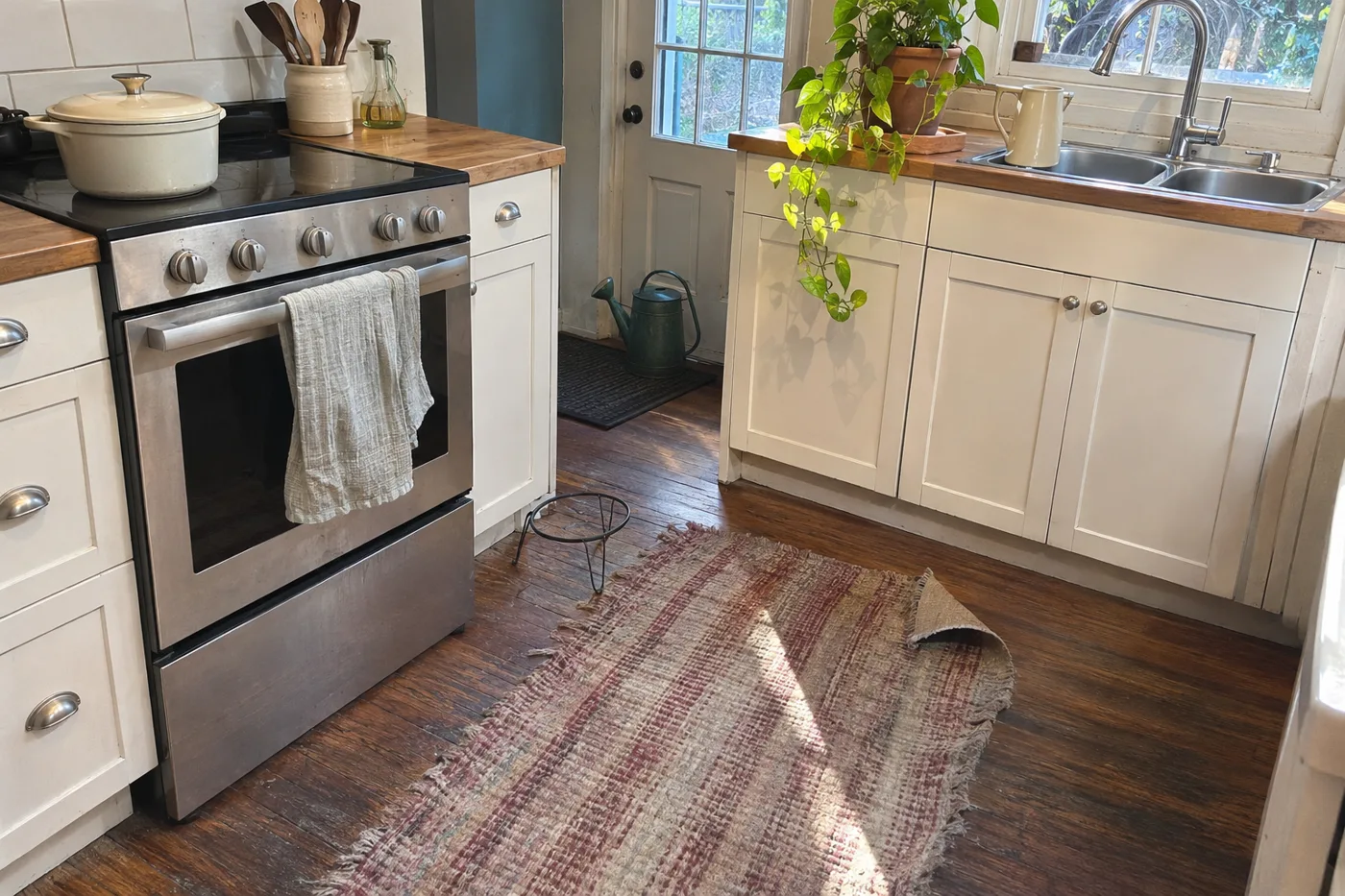
There’s one at the kitchen sink. One at the back door. One beside the bed, one in front of the tub, and one by the stove with a corner that has curled up and won’t lie flat no matter what you set on it.
The designers’ objection starts with looks. A floor dotted with little rugs looks chopped into pieces, and the room looks smaller.
For a living room, the usual advice is one rug big enough that the front legs of your furniture sit on it, with a cheerful rule to go with it: “When in doubt, GO BIG!”
Keep the one you love at the sink and give it a grippy pad underneath. Roll up the curled one by the stove and see if you miss it.
#18 Pushing every piece of furniture against the walls
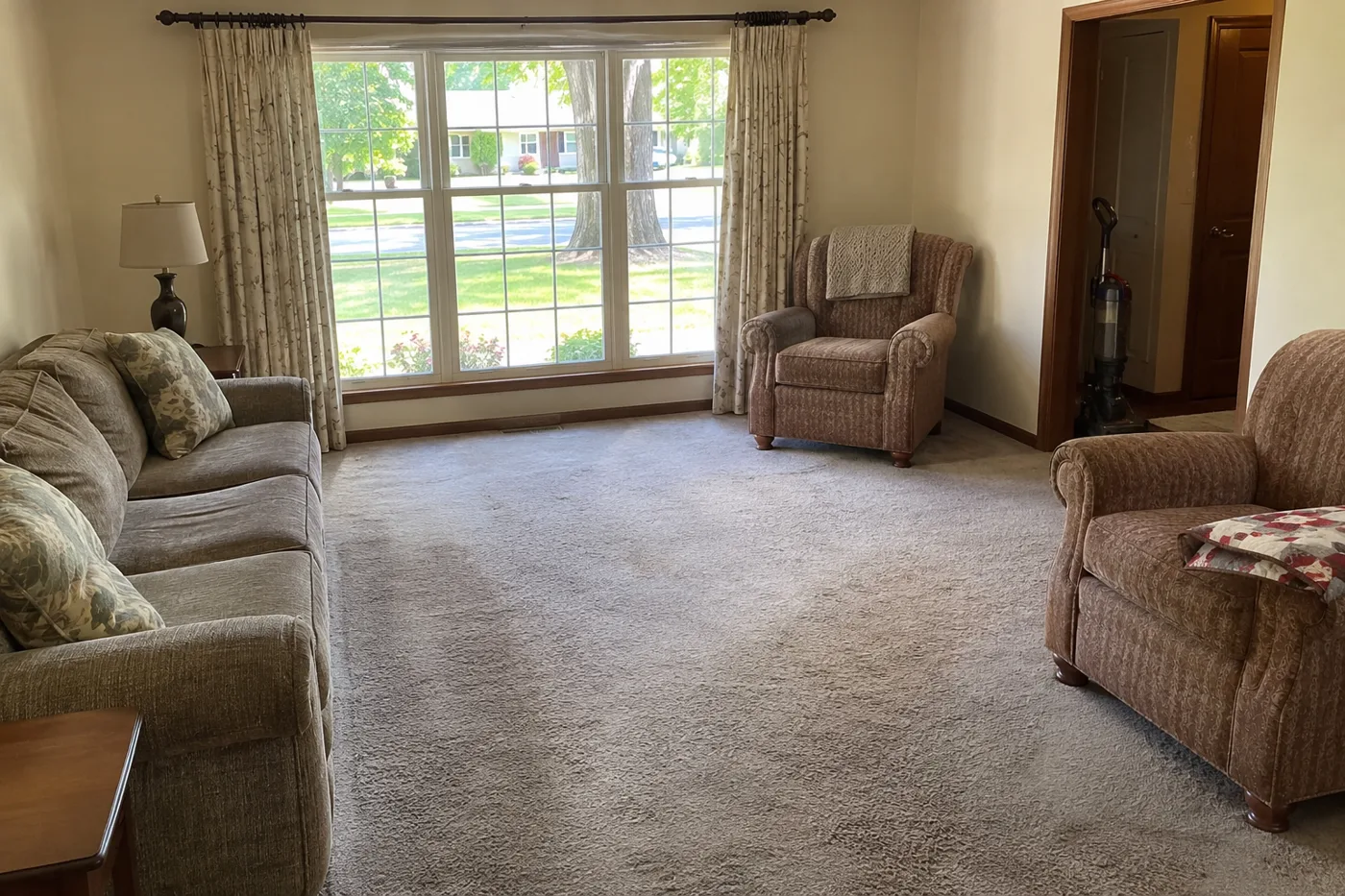
Push everything to the walls and you get a lovely open middle, perfect for vacuuming, a Christmas tree, or a square dance. What you don’t get is conversation.
In plenty of living rooms, the sofa and the armchair face each other from opposite ends of the room, and everybody talks a little louder than they need to.
Houzz puts a number on it: chairs should be no more than 8 feet apart if you want people to actually talk. For main walking paths, leave 30 to 48 inches.
That means pulling the sofa off the wall, even a foot, and angling a chair toward it. A slim table or a lamp behind the sofa fills the gap and makes it look like you meant it.
If your favorite chair sits 12 feet from the sofa, you’ve basically been having a long-distance conversation.
#17 Heavy drapes and valances blocking the light
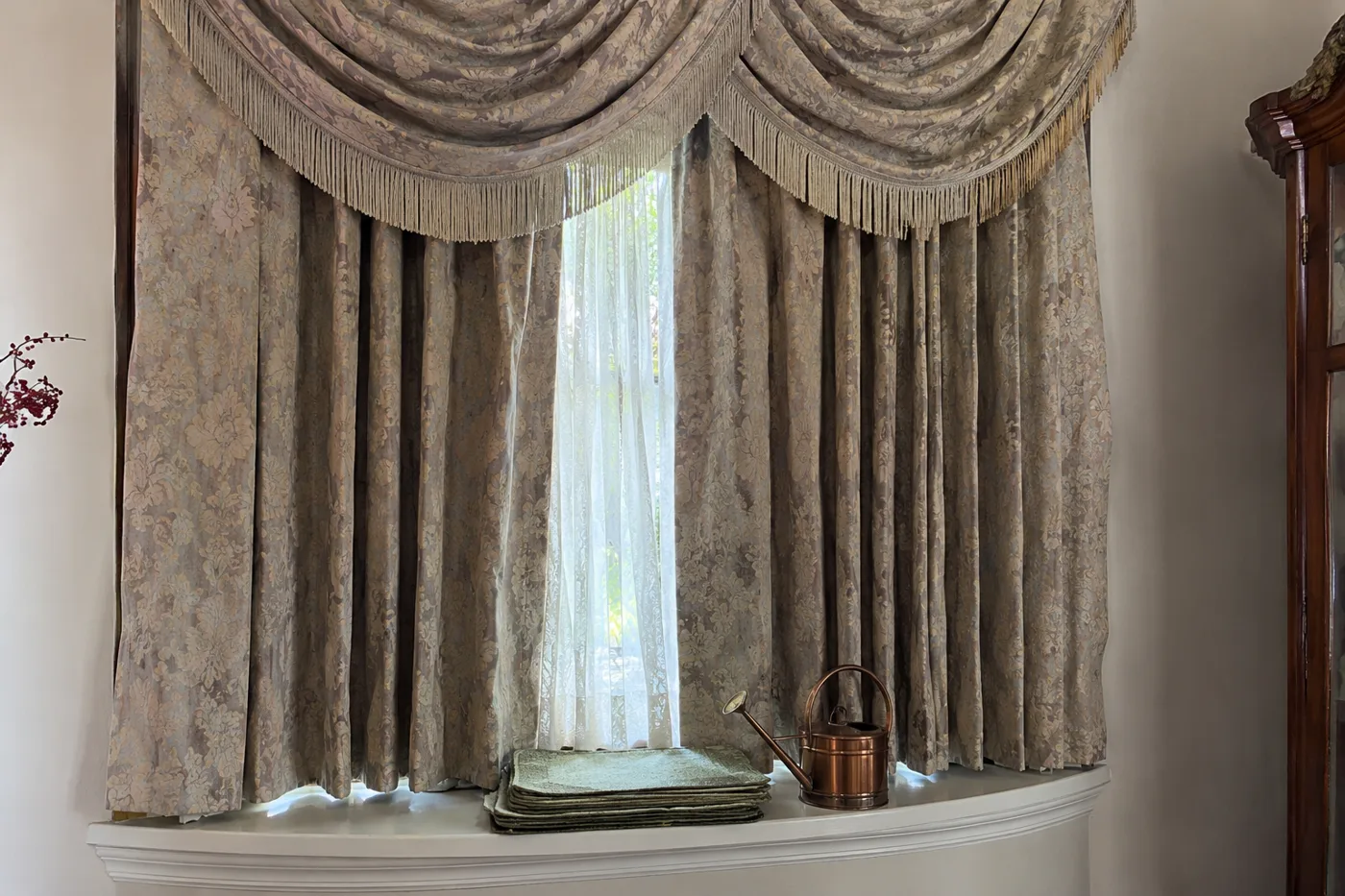
Pinch-pleat drapes in a heavy brocade. A swag valance with fringe across the top. Sheers behind all of it, and a pull cord on the side that only works if you tug it just so. For years, that was what a finished window looked like.
Heavy valances and layered drapes look dated now, says designer Jen Baxter of Baxter Hill Interiors. She’d rather see “simple, tailored window treatments like linen panels, Roman shades, or woven wood.”
You can test her point without spending a dime. Run a finger along the top of the valance. Then take it down for a week and watch how much more sun lands on the breakfast table.
#16 One overhead fixture as the room’s only light
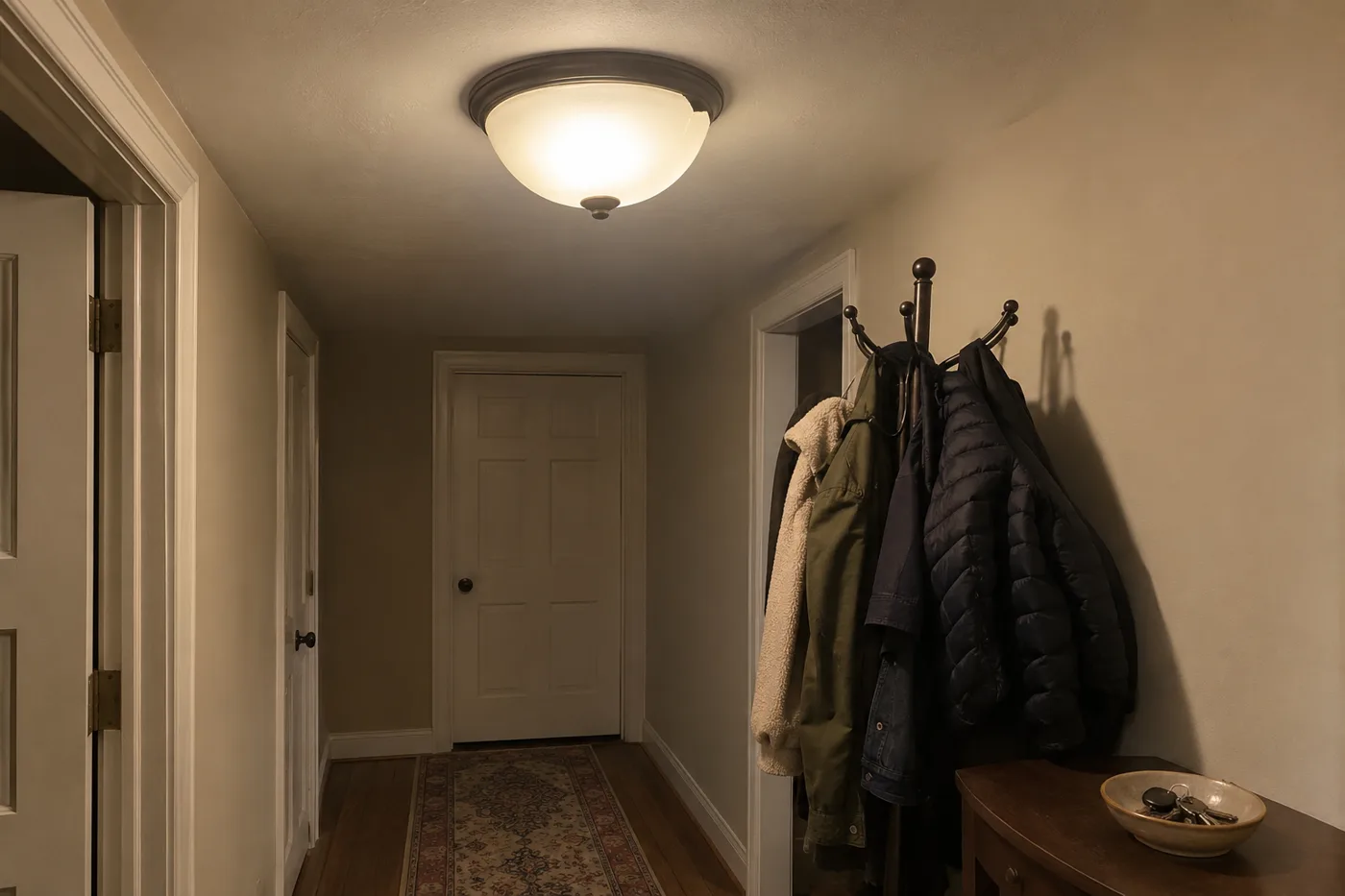
Look up in a lot of hallways and kitchens and there it is: a frosted glass dome on the ceiling, with the dark little shapes of every bug that ever found its way inside. Flip the switch and the whole room lights up the same flat way, like a waiting room at the dentist.
Design writer Amy Seder doesn’t leave much wiggle room: “Never use one overhead light to try and light a whole space.” Her rule is three layers of light.
The first is general light for the whole room. The second is task light, right where you do things, like read or chop onions. The third is accent light, a small lamp that makes a shelf or a painting glow.
You probably own all three already, scattered around the house. Move a table lamp beside your reading chair. Put a little lamp on the bookcase.
Turn the dome off for one evening and see how the room feels.
#15 Pictures hung too high or scattered

The wedding portrait way up near the ceiling. A row of frames marching down the hall at slightly different heights. One small print floating alone over a big sofa, like it got lost on the way to another room.
Pictures hung too high are something designers notice from the doorway, and the fix is one number. Art should hang so its center sits 57 inches from the floor, which is about the eye height of an average person. That’s lower than most people guess.
For a group of frames, treat the whole cluster as one big picture. Keep the gap between frames the same everywhere, and center the whole group at eye height.
Before a single nail goes in, trace each frame on paper, cut out the shapes and tape them up. Moving tape is a lot easier than patching holes.
The picture-hanging numbers
- Center of a single piece: 57 inches from the floor
- Center of a gallery wall: 57 to 60 inches from the floor
- Space between frames: 2 to 3 inches, the same all the way across
- Bottom of the frame over a sofa: 6 to 8 inches above the sofa back
#14 Knickknacks and collections on every surface
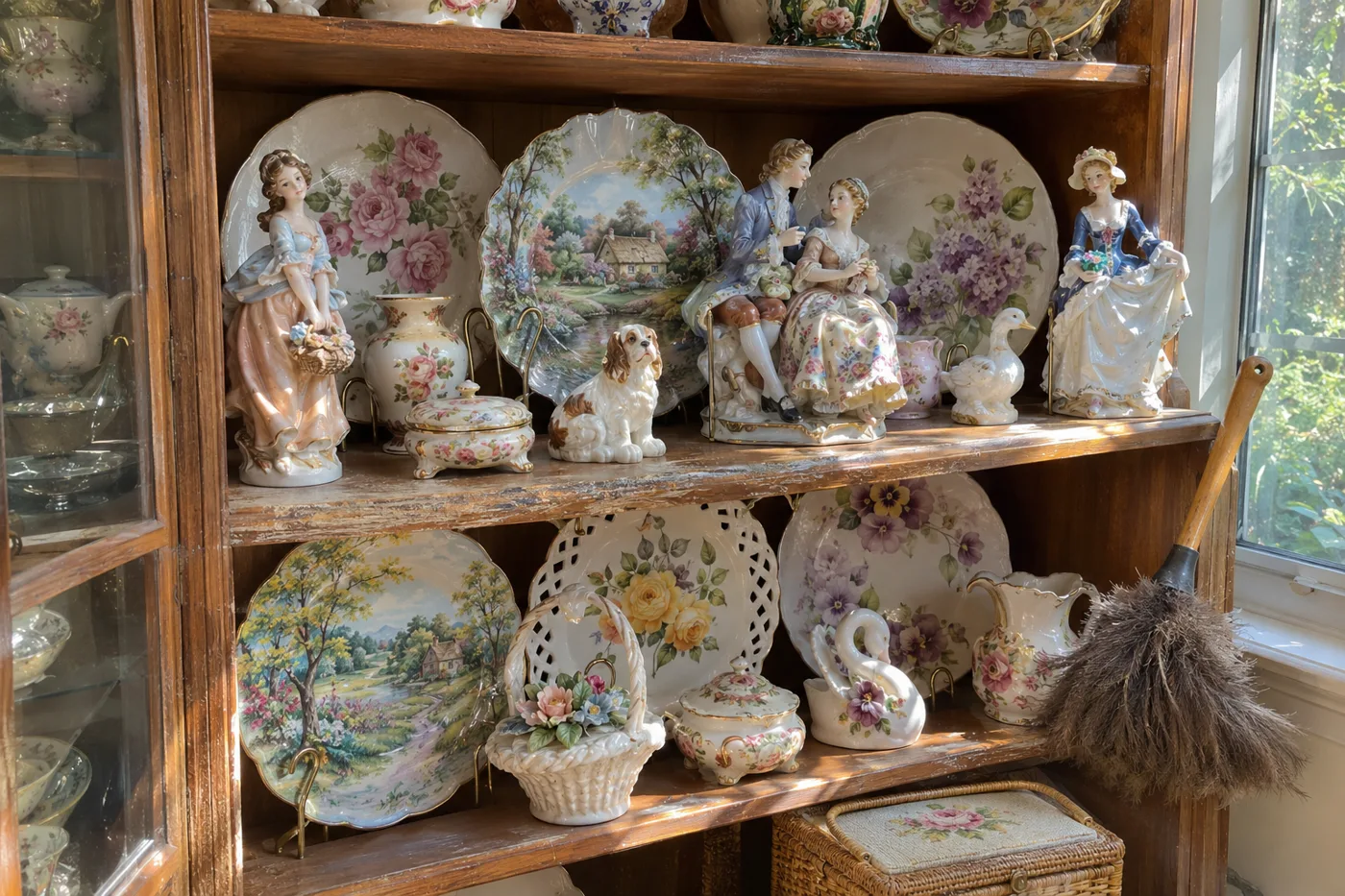
Dusting day used to mean lifting each piece, one by one: the Hummel shepherd boy, the Lladró ballerina, the commemorative plate on its little wire stand. Twenty pieces on the curio shelf meant twenty careful lifts.
Designers have no quarrel with a collection. What bothers them is one spread across every flat surface, so that no single piece stands out.
“A grouping of three is the most pleasing of all,” says Yvonne Pratt of the StoneGable blog, who swears by odd numbers. Set them on a tray or in a basket, she adds, and the tray makes them read as one group, not one more thing.
One thing to know before you wrap everything carefully for the future. Back in 2010, antiques expert Terry Kovel said Hummel prices “have gone to hell,” because so many were made that collectors already have what they want. Norman Rockwell plates and Lladró limited editions were flooding eBay.
So enjoy them now. Pick your three favorites, put them on a tray by the window, and rotate the rest in with the seasons.
#13 Wallpaper borders around the top of the room
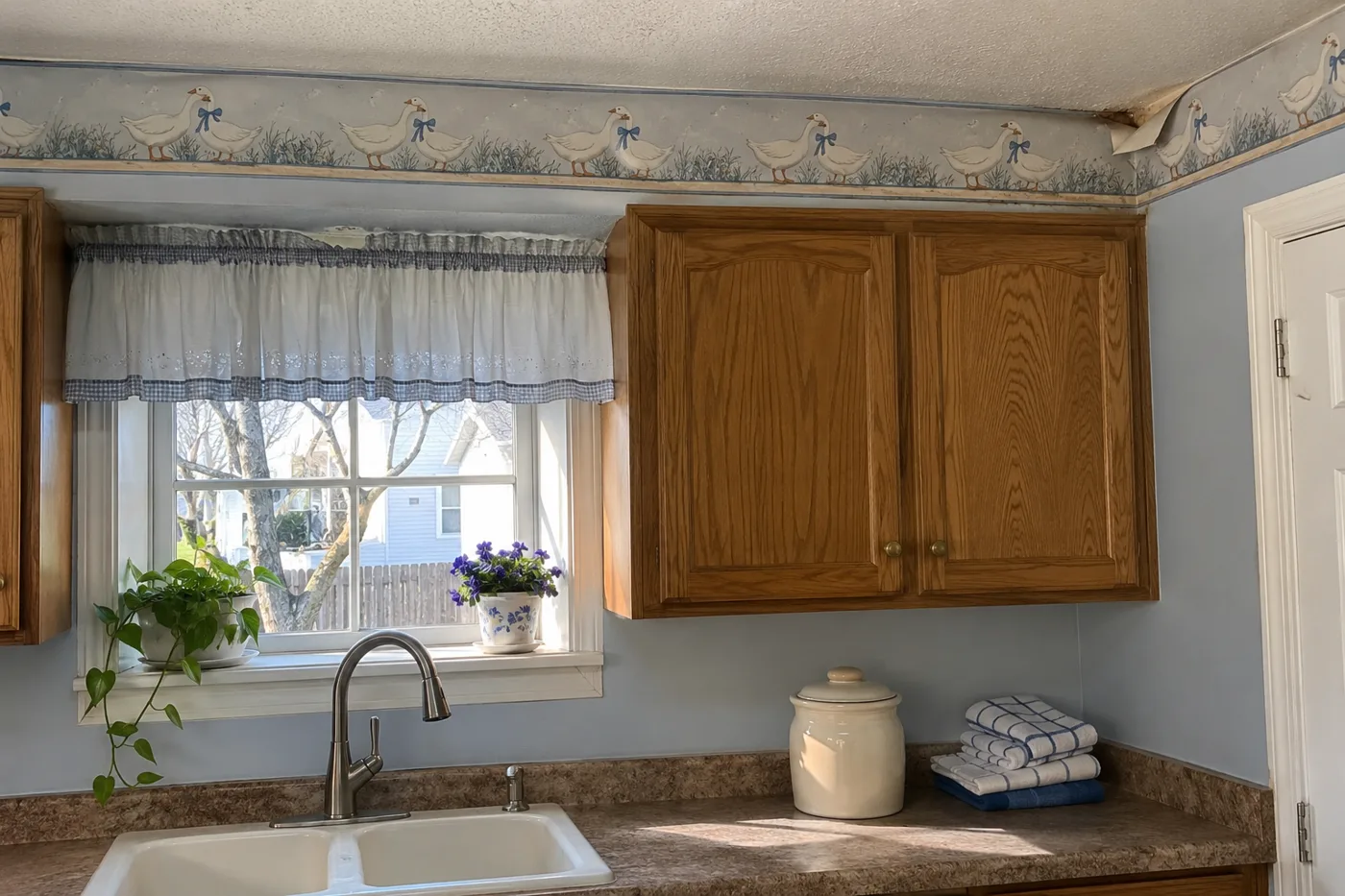
Up near the ceiling, a lot of kitchens still have a goose. White, plump, wearing a blue ribbon, marching around the top of the wall on a strip of border, with matching geese on the cookie jar and the dish towels.
Hunker calls wallpaper borders “a 1980s remnant” and admits “there was no escaping the mighty white goose.”
Borders linger for a simple reason. They’re a chore to get off. This Old House warns that removing one can be “tricky,” whether it’s stuck to paint or to more wallpaper. Their order of attack is to try peeling it dry first, and only move to wet methods if that fails.
Pick a corner, get a fingernail under the edge, and pull slowly. Sometimes the goose comes off in one long, glorious strip.
#12 Painting a room from a tiny paint chip

The chip looked perfect in the store. Two inches square, under those bright lights, it was a soft white with a hint of blue. On four bedroom walls, it was just blue.
Paint stories like that come up again and again. A brown that felt cozy on the card and heavy on the bedroom walls. A Tuscan gold that came out harsh in the kitchen. A dark red, left over from an accent wall, that made a windowless bathroom feel like a closet.
In more than one of those stories, the painter stopped halfway and asked, very politely, whether this was really the color. Several people repainted within weeks.
Benjamin Moore’s advice is to brush a sample onto foam poster board so you can carry it around the room. Look at it through the day and evening, in daylight and lamplight.
Even the season changes things. Winter light looks cooler and sharper, and summer light warms the same color up.
Tape the board on a different wall each day for a week. And if the painter stops and asks whether you’re sure, put the roller down and listen.
#11 All-gray “safe” rooms

Around 2010, gray took over. Gray walls, gray sofas, gray floors made to look like weathered barn wood, gray cabinets. It felt modern and safe, and a lot of houses went gray from top to bottom, especially ones headed for the market.
Not everyone loved living in it. In 2017, Philadelphia writer Cynthia Henry called gray “cold, industrial, and a bit depressing.” She and her husband thought about repainting gray to sell, then decided to stay put instead.
Now look at the 2026 colors of the year. Benjamin Moore picked Silhouette, a deep burnt umber, which is a rich brown. Sherwin-Williams picked Universal Khaki, a warm tan. Pantone chose Cloud Dancer, a white. Not one of the three is a gray.
So if your living room is still the warm beige it has always been, it’s in good company with the warm 2026 picks. If it went gray and you’d like a warmer room, test a sample of warm white or soft tan before committing to a repaint.
#10 Oversized TV armoire or entertainment center
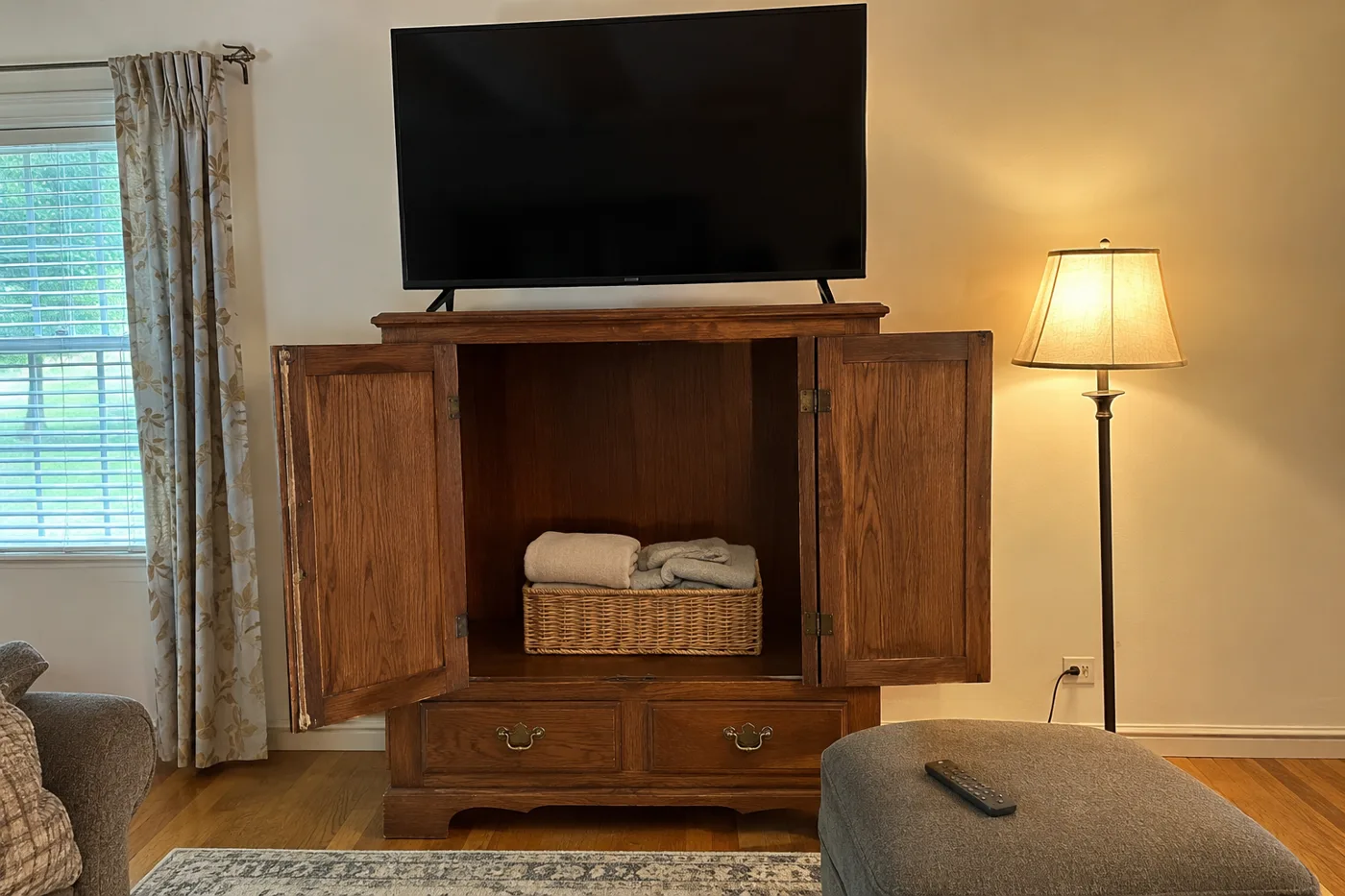
For a while, every nice living room had one: a big wooden armoire with doors that slid back into pockets, built to hide a tube TV that took two people to carry in. Close the doors and the television vanished. It felt very civilized.
Then TVs went flat.
Today’s flat screens can be mounted or set on “sleeker, more minimalist consoles,” says designer Carmen Henriquez of BoConcept. A flat screen perched on top of an old armoire is exactly the look designers wince at.
The armoire is often a lovely piece of furniture that just needs a new job. Add a few shelves and it becomes a linen closet, or a craft cabinet with the yarn behind one door and the ribbon behind the other.
#9 Velvet or tufted upholstery in daily-use rooms
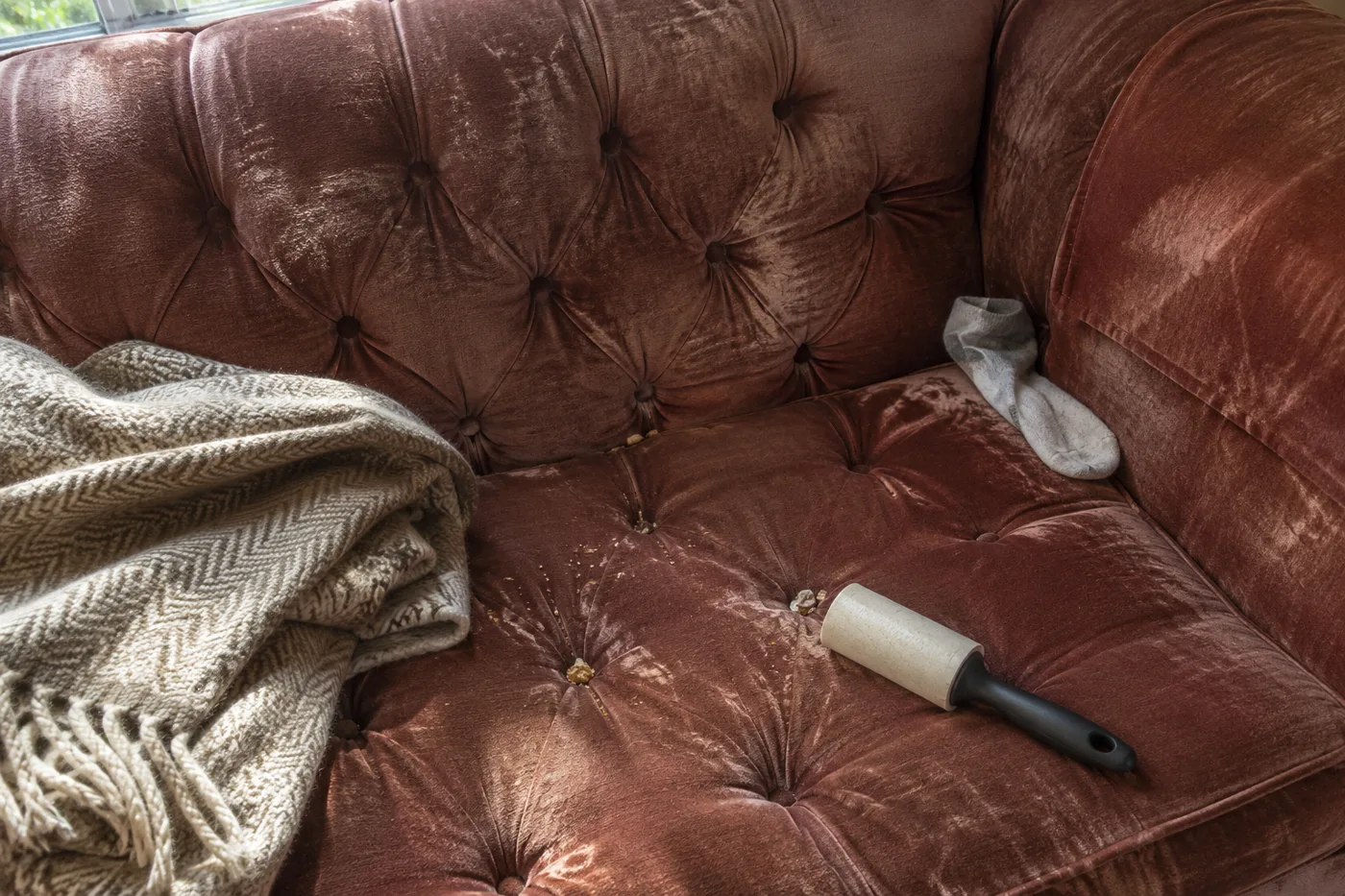
A tufted velvet sofa looks wonderful in a photograph. Then you live with it. Crumbs settle into the button dimples. Pet hair, if you have a pet, weaves itself into the fabric.
A couple of people who bought one say the same thing afterward: it was gorgeous, and it turned into a cleaning job nobody signed up for.
For wear, the number to ask about is the fabric’s toughness rating, measured in “double rubs,” the number of times a machine can rub the fabric back and forth before it wears out. That’s a separate question from how easily crumbs and pet hair come off.
Ask for the number before you fall for the color. And here’s a homemade trick worth borrowing: leave a few fabric swatches on the floor for a week and see which ones collect lint and fuzz. The one that stays clean wins.
The number on the fabric tag
- Under 3,000 double rubs: decorative use only
- 3,000 to 9,000: light duty, for formal or now-and-then rooms
- 15,000 or more: heavy duty, fine for the family room
#8 Deep, low sofas that are hard to leave
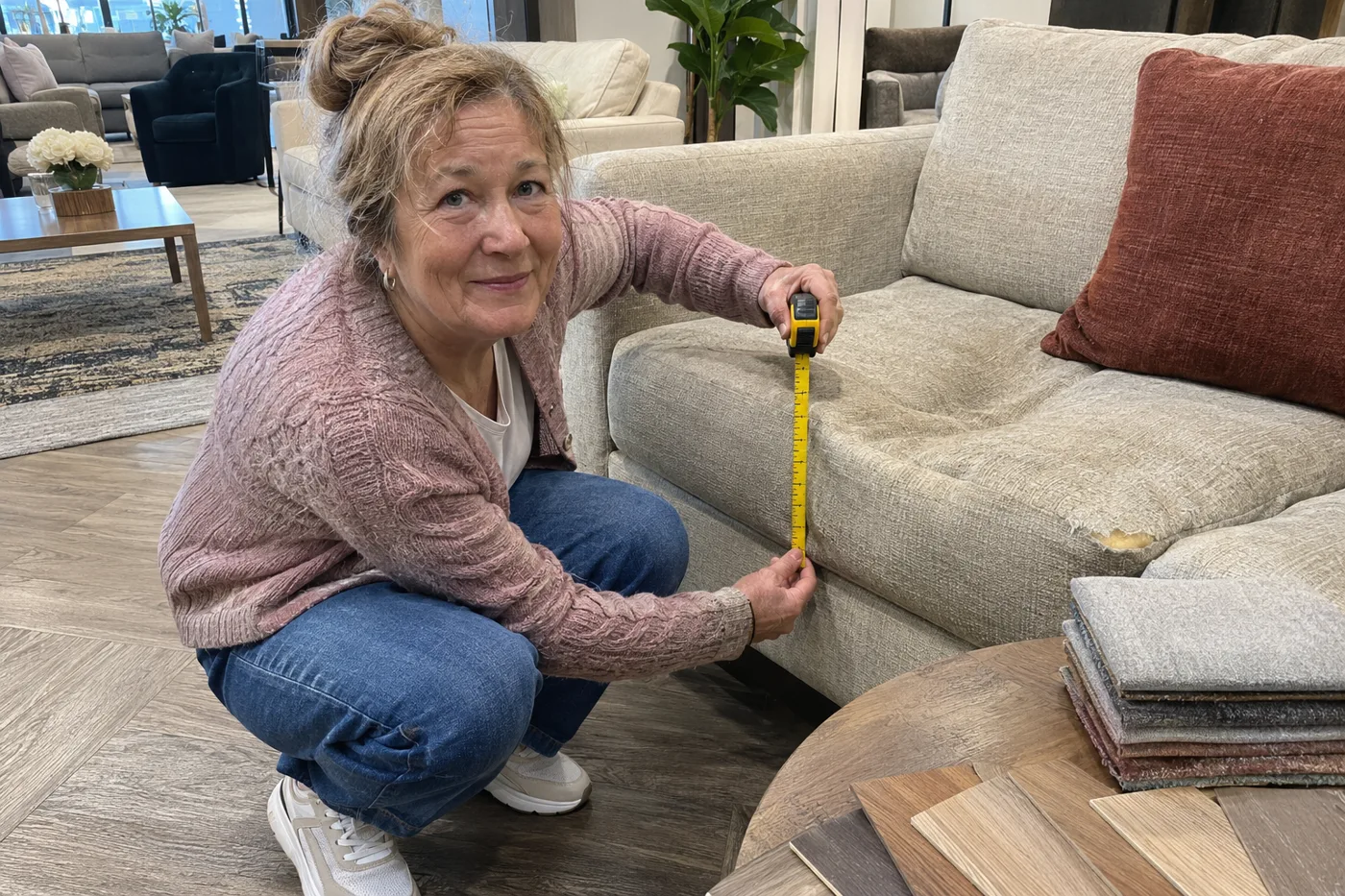
Everyone has sat on one. A deep, low sofa at somebody’s house, with cushions so soft you sink until your knees are higher than your hips.
They sell because they look relaxed and modern in the showroom. Designer Malka Helft says many modern sofas sit at just 16 to 17 inches, measured from the floor to the top of the seat. She suggests a firmer, taller seat of 18 to 19 inches.
Two inches doesn’t sound like much until you’ve watched a whole dinner party struggle out of the same sectional.
Bring a tape measure when you shop, and sit in it for a full minute before you decide. A couch you have to rock twice to leave isn’t the bargain it looked like in the showroom.
#7 Ceiling fans with light kits in every room
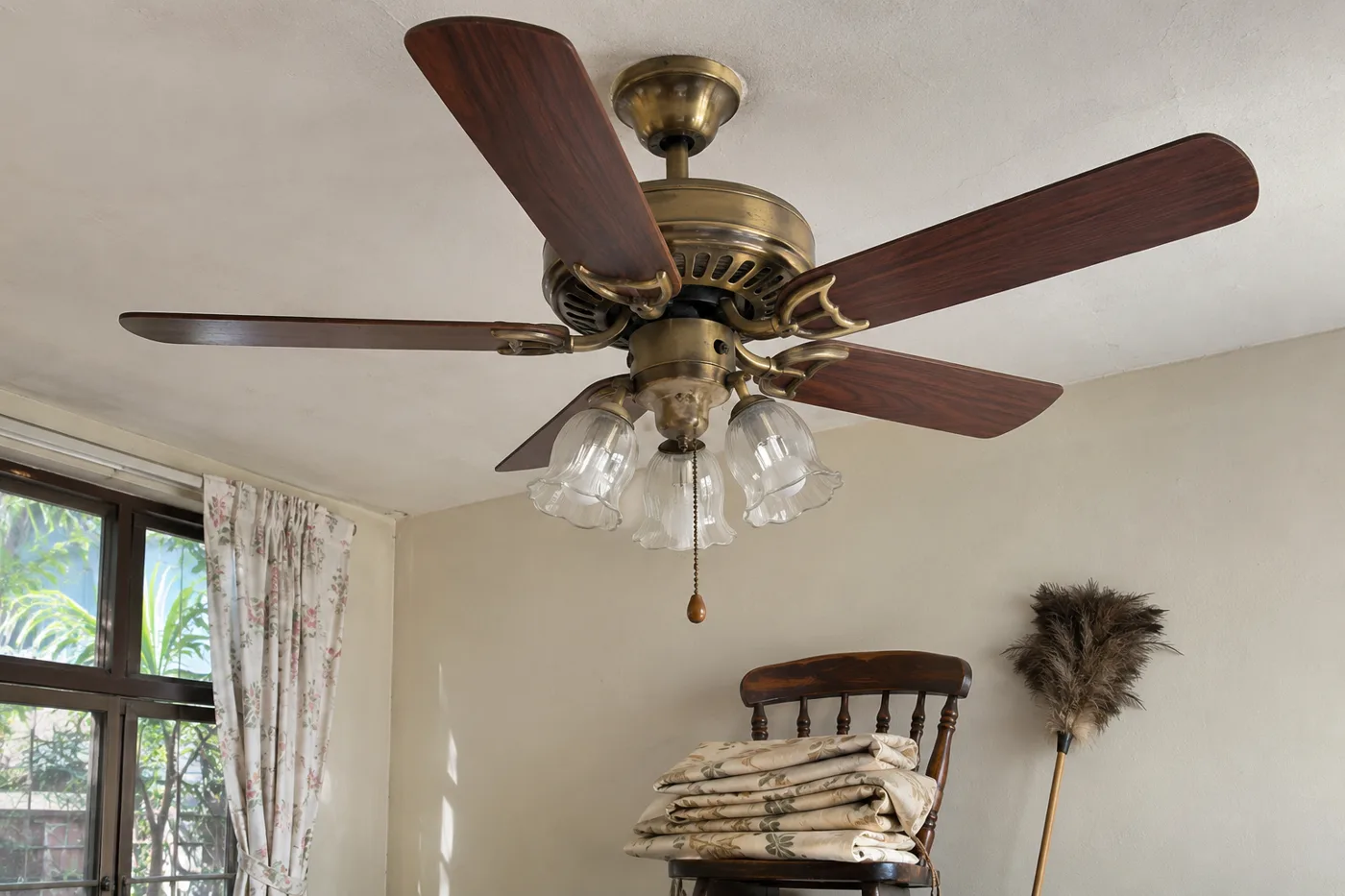
Five blades with cane inserts, dark wood and shiny brass, three tulip-shaped glass shades hanging underneath, and a pull chain ending in a little wooden bead. Now picture one in nearly every room: the kitchen, the bedroom, the den, the sunporch.
Designers have rolled their eyes at those fans for a long time. The Globe and Mail traces the grudge back to early-2000s shows like Trading Spaces, which loved mocking dark-wood-and-brass fans on camera.
Today’s complaint is fans with more than three blades and clusters of lights, which designers say “look busy.” They’d suggest a sleek three-blade fan, or a flush ceiling light or chandelier where you don’t need the breeze.
Here’s where you win the argument, though. In a 2024 builders’ survey, 81% of home buyers rated ceiling fans essential or desirable. Even designer Christopher Spraggett admits, “Fans have come a long way.”
If you like the fan and use the breeze, keep it. When it needs replacing, consider a simpler style.
#6 Toilet seat covers and matching bath rug sets
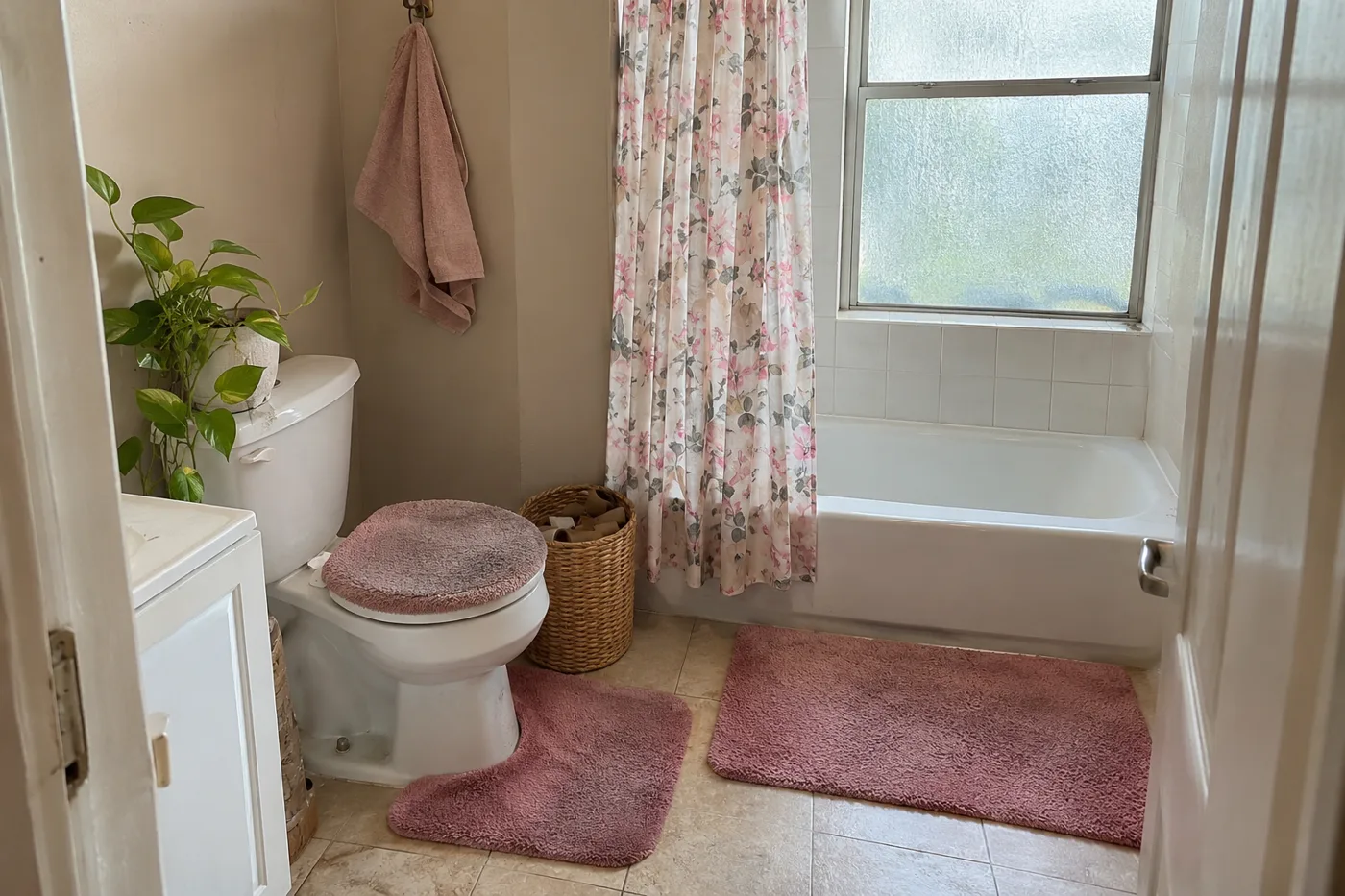
The set came in one bag: a contour rug that hugged the base of the toilet, a fuzzy cover for the lid and seat, and a matching mat for in front of the tub. Mauve, seafoam, or a dusty blue to match the towels nobody was allowed to use.
Designer James Pearse Connelly says fuzzy toilet seat covers “were iconic in the ’70s” and faded out by the 1990s. They were meant to give the seat a washable surface, but bacteria still build up on them.
If you’re ready to retire the matching set, keep one good bath mat that goes in the wash every week, and put the soft color you love in the towels instead.
#5 Brass and copper that need constant polishing

Copper pots hanging over the stove look like a French farmhouse kitchen. They also turn brown and spotty the minute you look away. So does the brass: the candlesticks, the fireplace tools, the door knocker that got a rubdown every Saturday with a rag and a can of polish.
Brass in the ’80s and ’90s had a very shiny finish. Designers at an HGTV webinar said today’s version is brushed gold or antique brass that’s more smudge-proof, treated as “the jewelry of a space.”
Copper tarnishes as it meets the air, and even Martha Stewart polishes hers several times a year.
If Saturday polishing is the part of the week you like, keep every piece. If it isn’t, keep the three you love best.
#4 Popcorn ceilings left in place
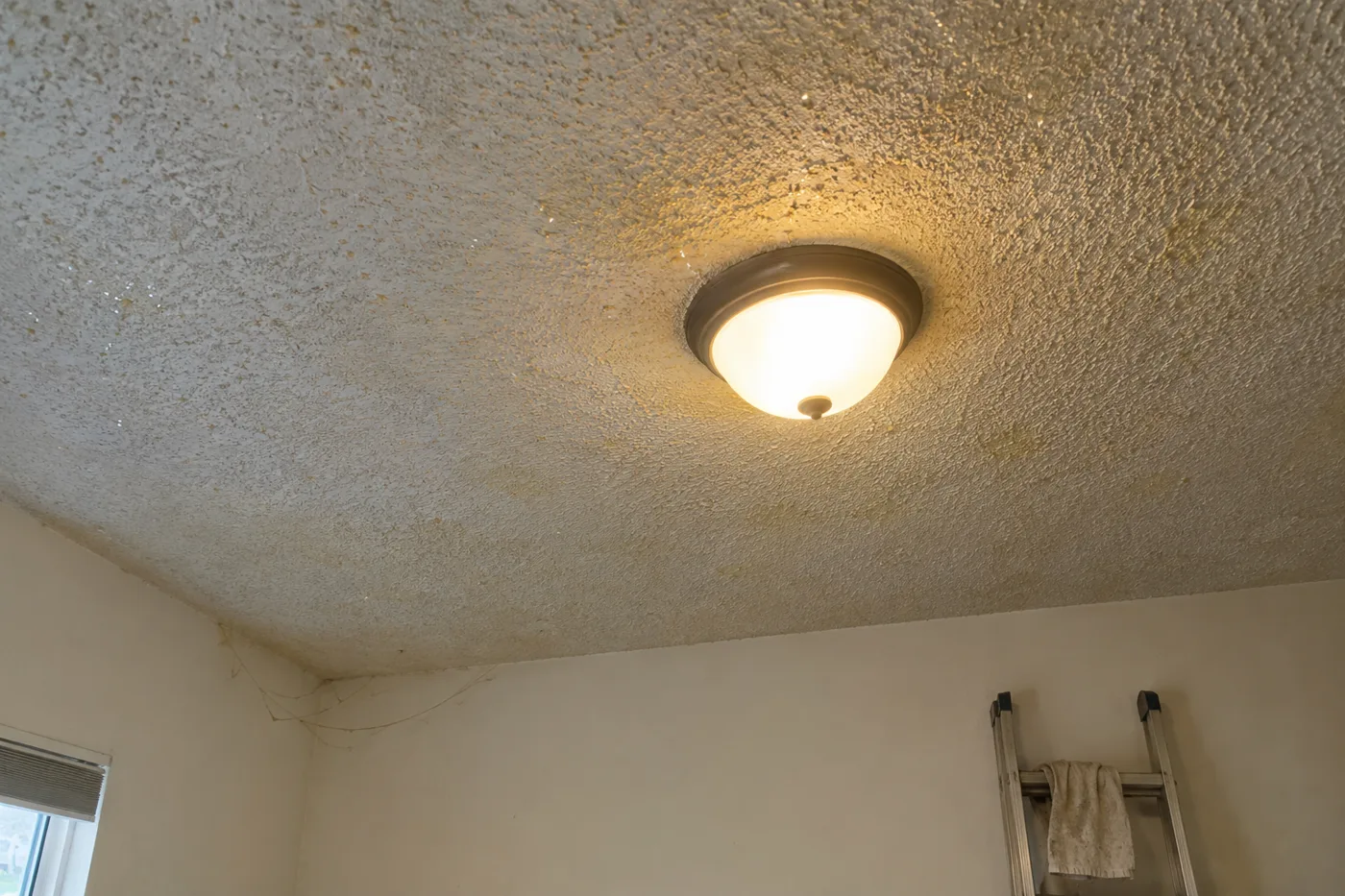
Lie back in bed in plenty of older houses and you’ll stare up at it: the bumpy white texture everybody calls cottage cheese, sometimes flecked with glitter that sparkles when the lamp hits it. Cobwebs hide in it. Paint rollers hate it. Designers want it gone.
This is the one place where waiting is the official advice. Asbestos-containing textured paints and patching compounds were banned in 1977, and some older sprayed-on ceiling textures may contain asbestos too.
The Consumer Product Safety Commission says material in good shape is best left alone, and the EPA says to have a trained professional inspect it before any remodeling, and not to take samples yourself.
So if the ceiling is intact and the bumps don’t bother you, you have official permission to ignore the designers on this one. If a remodel is coming anyway, get it tested first.
Until then, the glitter stays.
#3 Buying more storage bins to fix clutter
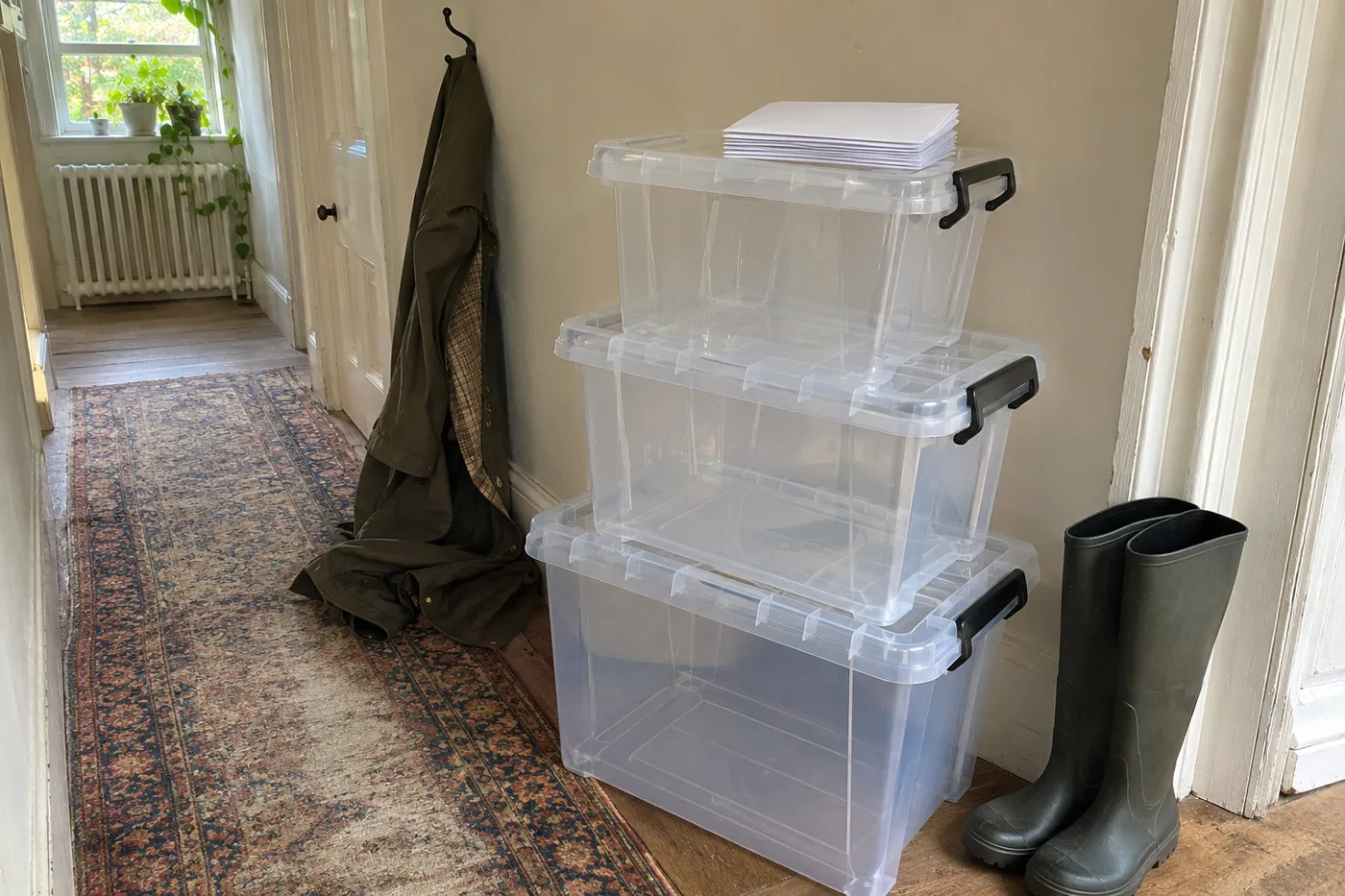
The clear bins come home from the store in a tall stack. Labels get made. Everything goes in. Three weeks later the bins are full, the lids are under something, and a fresh pile is forming on top of the whole system.
Interior designer Caroline Winkler says more containers won’t solve it. In her view, a good system bends to the habits people already have, instead of asking people to bend to the system.
In plain terms, watch where things actually land, and put their home right there. Her favorite example is the keys: “If the keys are always going on that table put a freaking bowl on that table.”
So before you buy a single bin, spend a few days just noticing. Where does the mail pile up? Where do the scissors end up? Where does the tape measure go to hide?
Then put the bins, baskets or bowls you already own right in those spots.
#2 Keeping the guest bed for rare visitors
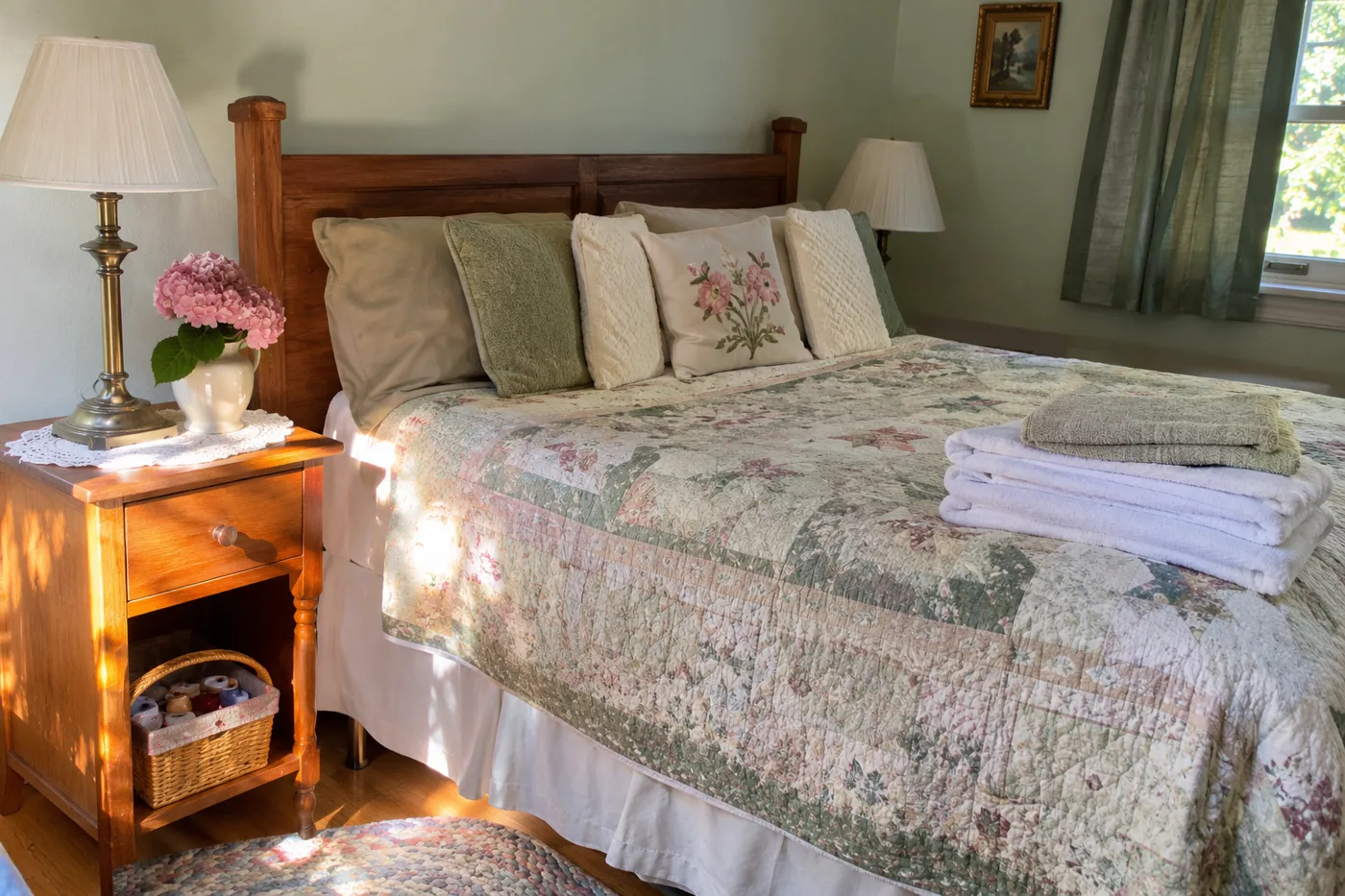
The guest room is the best-dressed room in a lot of houses. The quilt is pulled tight, six decorative pillows stand in a careful row, and a fresh towel waits folded at the foot of the bed. It’s ready for company. Company comes for three nights in July.
Architect Daniel Titchener is among the designers who question keeping a guest bed that hardly ever gets slept in. Why hand the room over to a few nights a year?
You don’t have to choose. If there’s room beside the bed, give the guest room a second use: the sewing room, the gift-wrapping room, the place the puzzle table lives. If you’re replacing the bed anyway, a daybed or a good sleeper sofa still gives guests a soft place to land.
Your guests will manage.
#1 Keeping a dining room for twice-a-year holidays

Thanksgiving morning. The leaf comes out of the hall closet, the table stretches long, chairs get borrowed from the kitchen and the bedroom, and the tablecloth goes on with last year’s cranberry stain tucked toward the wall. Then it all gets put away, and the room goes quiet until the next holiday.
A formal dining room that rarely gets used is “a waste of valuable space,” says Carmen Henriquez of BoConcept, who suggests turning it into a library, a studio or a lounge. Home buyers lean her way. In a 2024 survey, 52% of buyers willing to take a smaller home said they’d shrink the dining room.
There’s an answer that beats giving it up. The dining table is usually the best work surface in the house: big, flat, a comfortable height and steps from the coffee pot. You already own the craft table you’ve always wanted.
So keep the table and give the room a weekday job. Put a good lamp at one end and the sewing basket or paint box on the sideboard. Let a 1,000-piece puzzle live on half of it in February. Wrap every present there in December.
Then, twice a year, clear it off, pull out the leaf, and set it for everyone who’s coming. The room doesn’t lose a single holiday. It just stops sitting empty in between.
The bottom line
Alexander Dahlgren-Jawad, the Dallas designer, once showed off his own bathroom full of so-called mistakes, from recessed lights to brushed gold fixtures, each chosen for how he and his husband actually live. His verdict: “So this is our bathroom. And for us, it’s perfection.”
So walk through your house this week with one question: when did anyone last sit here, use this, or turn this on? Wherever the answer is “I honestly can’t remember,” start there.
Wherever the answer is “this morning,” leave it exactly as it is, whatever the designers say.
Bonus: Five small facts for the next time someone critiques your house
- A coffee table belongs 14 to 18 inches from the sofa, close enough to reach your cup without leaning.
- A kitchen island needs at least 42 inches of clearance around it, says real estate broker Mac Rogers, who also warns that open shelves show dust, grease and fingerprints.
- Caroline Winkler agrees about open shelving: in her view, it looks great in an Instagram photo but usually isn’t great for storing things.
- Doilies protected furniture from Macassar oil, a greasy hair product men wore in the 19th century. They also muffled clinking glasses and cushioned hot teapots.
- The cloths draped over chair backs, called antimacassars, showed up around 1850 and still ride along on airplane and train headrests.
Questions people also ask
How high should you hang pictures on a wall?
Center each picture about 57 inches from the floor, about eye height, as Chairish’s guide notes. For a cluster of frames, keep that same 57 to 60 inch center line, with 2 to 3 inches between frames, and leave 6 to 8 inches of space above a sofa.
Should you get rid of small throw rugs?
Often, yes, at least for looks. Designers usually prefer one larger rug that sits under the front legs of the furniture. If you keep a small one at the sink, give it a grippy pad underneath.
Is it safe to scrape a popcorn ceiling myself?
Get it tested first, then follow what the professional advises. Textured ceiling materials and patching compounds can contain asbestos, and the EPA says to have a trained professional inspect them before any remodeling, and not to take samples yourself. If the ceiling is in good condition, the Consumer Product Safety Commission says it’s best left alone.
What is the best seat height for a sofa?
Look for a seat around 18 to 19 inches from the floor to the top of the cushion. Many modern sofas run lower, at 16 to 17 inches, so sit down and get up again before you decide.
Is it OK to still have a formal dining room?
Yes, especially if it gets used. Many people are rethinking them, and in a 2024 survey, 52% of buyers willing to take a smaller home said they’d shrink the dining room. Designer Carmen Henriquez suggests giving a rarely used one a second job as a library, studio or lounge, and the table can still host the holidays.

- 26 Things Grandchildren Remember About Your House That You Never Notice - November 5, 2026
- 25 Church Bazaar Crafts Every Town Sold That Nobody Makes Anymore - November 5, 2026
- 23 Things People Over 60 Still Do When Decorating That Designers Beg Them to Stop - November 5, 2026

Leave a Reply