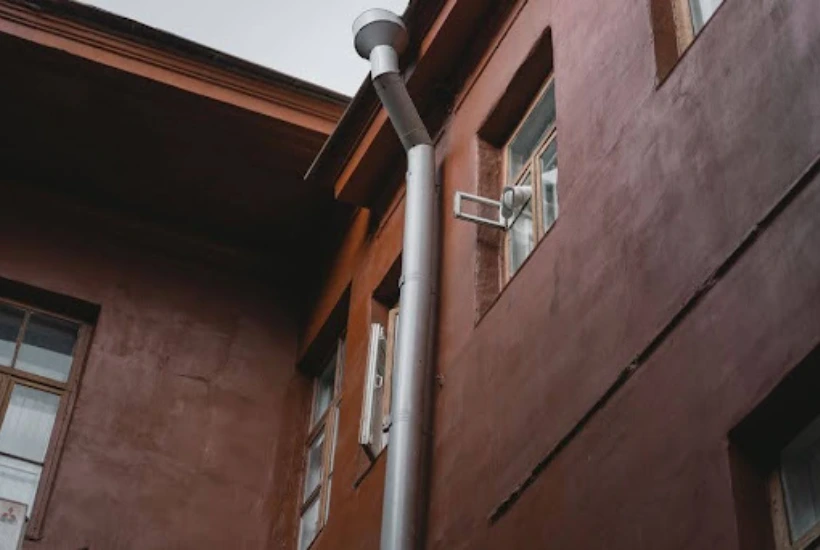
Water around your home can look harmless until it starts pooling near the foundation, turning your yard into a muddy mess, or sneaking into the basement after a heavy storm. If you care about curb appeal, home value, and not paying for avoidable repairs, drainage deserves more attention than it usually gets. A few smart fixes can protect your landscaping, your structure, and your sanity when the weather decides to act dramatic.
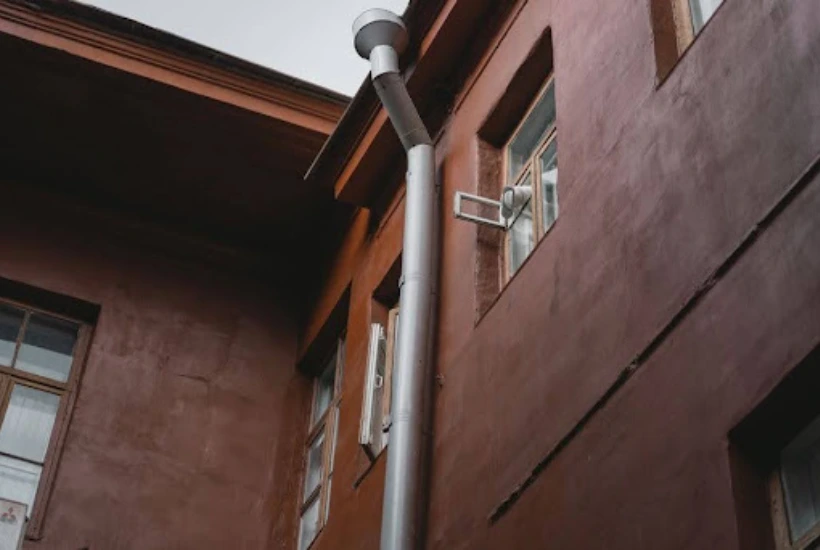
Spot the Early Signs of a Drainage Problem
You don’t need standing water that looks like a mini pond to have a drainage issue. Often, the warning signs show up in quieter, more annoying ways. Your grass may stay soggy long after rain ends. Mulch may drift into walkways. You might notice soil erosion near flower beds or water stains along your basement wall.
Keep an eye out for these common clues:
– Puddles that stick around for more than a day
– Cracks in the foundation or driveway
– Water collecting near downspouts
– A musty smell in the basement or crawl space
– Dead patches of grass in low areas
If your yard slopes toward your house, that’s a red flag. Water follows gravity, not your weekend landscaping plans. Catching the issue early gives you more affordable options and helps you avoid bigger structural damage later.
Choose Solutions That Match Your Yard Layout
Once you know what’s happening, you can match the solution to the problem. Some homes need simple grading adjustments. Others need buried drainage that handles recurring runoff more effectively. The right fix depends on your slope, soil, landscaping, and how much water your property deals with during storms.
One of the most effective options for chronic pooling is a French drain system. It redirects groundwater and surface water through a gravel-filled trench with a perforated pipe, moving water away from trouble areas before it can soak your foundation or drown your lawn.
Other useful drainage upgrades include:
– Downspout extensions
– Catch basins in low spots
– Dry creek beds for runoff control
– Regrading around the foundation
– Sump pump support for basement-prone homes
Good drainage design should work quietly in the background. If you only notice it during storms, that usually means it’s doing its job.
Understand Where the Water Is Coming From
Before you fix anything, you need to figure out the source. Not all drainage problems come from the same place, and treating every wet spot the same way can waste time and money. Roof runoff, poor grading, compacted soil, and neighboring properties can all push water where you don’t want it.
Start with a simple inspection after rainfall. Watch how water moves across your yard. Check whether gutters overflow or downspouts dump water too close to the house. Notice whether one section of the lawn always gets saturated first.
A few common causes include:
– Short downspouts that release water beside the foundation
– Soil that drains slowly because it’s dense or clay-heavy
– Hardscaping that blocks natural runoff
– Low spots that trap water instead of moving it away
Think like a detective, not a decorator. A pretty yard won’t stay pretty if the water management behind it is a mess.
Protect Your Landscaping While Solving the Problem
Drainage fixes don’t have to make your yard look like a construction site with commitment issues. In fact, good water control often improves the appearance of your outdoor space because plants, mulch, and lawn areas perform better when they’re not being flooded or washed away.
You can blend function and style by planning around your landscape design. Gravel borders, decorative river rock, and strategically placed plants can soften the look of drainage features. Native plants with deeper roots can also help absorb excess moisture in wet areas.
Try these practical landscaping moves:
– Use mulch that resists washing away on slopes
– Plant water-tolerant varieties in low zones
– Add edging to keep soil and mulch in place
– Avoid placing delicate flowers where runoff naturally flows
A yard that handles water well usually looks healthier overall. Brown patches, root rot, and erosion have a way of making even expensive landscaping look tired.
Know When Professional Help Makes Sense
Some drainage issues are manageable as DIY projects, especially if the fix is as simple as extending a downspout or reshaping a small garden bed. Others need more planning, equipment, and technical know-how. If water keeps returning no matter what you try, it’s time to stop guessing.
Professional drainage contractors can assess grading, identify hidden water paths, and recommend systems that fit your property instead of offering a one-size-fits-all patch job. That matters a lot when the issue affects your foundation, basement, or large sections of the yard.
Call in help when:
– Water enters your basement or crawl space
– Pooling happens after every major storm
– Erosion is exposing roots or hardscape edges
– You suspect underground drainage failure
– The fix requires trenching near utilities or structures
A rushed drainage fix can create fresh problems somewhere else. Water is efficient like that.
Make Drainage Part of Long-Term Home Maintenance
Drainage is not a one-time project you can ignore forever. Gutters clog, soil settles, roots shift, and renovations can change how water moves across a property. A yard that handled rainfall well a few years ago may begin developing new problem areas over time.
The best approach is to make drainage part of routine home maintenance. Inspect the yard seasonally and after major storms, clean gutters, check downspouts, and watch for places where water starts lingering longer than it should. The U.S. Environmental Protection Agency offers guidance on managing stormwater around homes and reducing runoff through better drainage and infiltration practices.
It is also worth keeping an eye on erosion, soil movement, and moisture near the foundation. The USDA Natural Resources Conservation Service provides useful information on how water contributes to soil erosion and why protecting soil structure matters over time.
Simple habits such as keeping gutters clear, confirming that downspouts discharge properly, and correcting small low spots can prevent larger issues from developing. Small fixes made early are usually far less disruptive and expensive than major repairs later.
When your home manages water properly, the landscape, foundation, walkways, and other outdoor features are better protected. That makes drainage less of a one-time improvement and more of an ongoing part of keeping the property in good shape.
Related posts:
The Zero-Waste Home Decor Challenge for Modern Living
12 DIY Dream Catcher Projects for Kids and Adults
Simple Ways to Make Your Garage Door Stand Out Today
20+ Best Seashell Mobile Ideas for
15 Unique Wall Art Ideas That Transform Any Room Into a Personal Gallery
18 Best Christmas DIY Candle Holders For

- Best house cleaning services in Phoenix - October 23, 2026
- 12 Best Gifts for Plant Lovers (Including One They Can’t Overwater) - October 23, 2026
- Creating a Family Emergency Plan Without Adding Stress - October 22, 2026
Leave a Reply