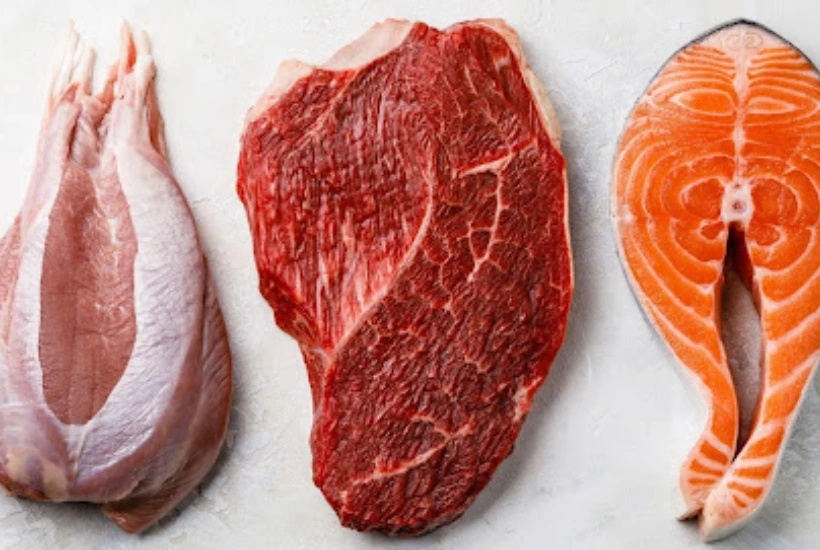
For many people, red meat means beef or lamb. Yet game meat has long been part of British food culture, offering a different flavour, texture, and eating experience. As more shoppers become interested in seasonal food and varied sources of protein, game is finding its way onto everyday menus rather than appearing only on special occasions.
Understanding what makes game meat different from traditional red meat can help you decide when to use it, how to cook it, and what to expect from each option.
Wild Living Creates a Different Kind of Meat
One of the biggest differences between game meat and conventional red meat lies in how the animals live. While beef and lamb usually come from farmed animals raised under managed conditions, game animals spend their lives roaming freely and feeding naturally in the wild.
That active lifestyle influences the meat they produce. Animals that move across woodland, moorland, and open countryside develop leaner muscles and a firmer texture than livestock raised for farming.
If you’re curious about trying game at home, start with versatile cuts that suit familiar recipes. For example, organicbutchery.co.uk offers wild venison mince that works well in dishes such as Bolognese, burgers, meatballs, and cottage pie, making it an approachable introduction to game meat.
Flavour That Reflects the Landscape
Game meat is often described as having a richer, deeper flavour than traditional red meat. However, not all game tastes the same. Venison tends to have an earthy, slightly sweet flavour that reflects the animal’s natural diet of grasses, leaves, herbs, and woodland vegetation. It’s distinctive without being overpowering, especially when prepared simply.
Beef generally has a milder, more familiar taste because farming methods, feed, and breeding create greater consistency. Lamb has its own characteristic flavour, but it’s still quite different from venison, pheasant, or other game species.
Rather than being “strong,” well-prepared game usually offers more complexity. The flavour often pairs naturally with seasonal ingredients such as mushrooms, root vegetables, blackberries, juniper, rosemary, and red wine.
Texture Depends on Lifestyle
The way an animal lives also affects the texture of its meat. Wild animals are constantly active. They cover large distances in search of food and shelter, developing muscles through natural movement. As a result, many game meats have a firmer texture than conventional beef or lamb.
This doesn’t mean game is tough. Instead, it needs cooking methods that suit the cut. Mince adapts easily to everyday recipes, while larger joints often reward slower cooking or careful roasting. Like many lean meats, overcooking can dry the meat, so pay attention to cooking times to help preserve tenderness.
A Leaner Choice for Everyday Cooking
Many people choose game because it is naturally lean. Venison, in particular, contains less visible fat than many popular cuts of beef. That can make it appealing for home cooks looking to prepare hearty meals without relying on heavily marbled meat.
The lower fat content also changes the cooking process slightly. Lean meat generally cooks more quickly and benefits from ingredients that add moisture, such as tomatoes, stock, onions, or mushrooms in slow-cooked recipes.
Wild venison mince is a good example. It behaves much like beef mince in familiar dishes while bringing a different depth of flavour to recipes many families already enjoy.
Seasonal Food with a Long British Tradition
Unlike most supermarket meats, many game species have defined seasons that support responsible wildlife management and sustainable harvesting.
This seasonality has shaped British cooking for centuries. Autumn and winter have traditionally been associated with game dishes, although frozen products now allow many people to enjoy certain varieties throughout the year.
Choosing seasonal ingredients can also encourage more varied cooking. Instead of relying on the same proteins every week, game introduces new flavours while remaining suitable for many classic British recipes.
Game meat is an option for cooks who want to broaden their repertoire without learning entirely new techniques. Simple swaps, such as replacing beef mince with venison mince in a favourite family recipe, can provide a straightforward introduction.
Cooking Game Doesn’t Have to Be Complicated
Some people avoid game because they assume it requires specialist skills. In reality, many cuts prepare much like the meats people already cook every week.
A few simple principles make a difference:
- Avoid overcooking lean cuts.
- Match the cooking method to the cut.
- Use herbs and seasonal vegetables that complement the meat rather than overpower it.
- Treat minced game as you would quality beef mince in everyday recipes.
Game also adapts well to comforting British favourites, including chilli, lasagne, shepherd’s pie, burgers, and slow-cooked casseroles. Starting with familiar meals often helps build confidence before experimenting with larger roasting joints or less common game species.
Choosing Between Game and Traditional Red Meat
Neither game meat nor traditional red meat is inherently better. They simply offer different characteristics.
Beef remains popular because of its consistency, versatility, and familiar flavour. Lamb brings its own distinctive qualities to countless traditional dishes. Game, meanwhile, provides an alternative that reflects the natural environment in which the animals have lived, resulting in meat with its own flavour, texture, and culinary appeal.
If you want to experiment with your cooking techniques, game offers an opportunity to experience something different without abandoning familiar recipes. Start with accessible ingredients such as wild venison mince and prepare meals you already know and enjoy.
Related posts:
20+ Healthy Ripe Banana Recipes That Are Easy To Make
30+ Delicious Christmas Pie Recipes You Must Make This Year
35+ Mouthwatering Weight Watchers Recipes to Shed Pounds
Nature's Medicine: 15+ Deliciously Healing Vegan Soups
23 Healthy Rhubarb Recipes To Try In
30+ Delicious Summer Dessert Recipes To Try

- How to Design a Timber Frame Interior That Feels Modern: 5 Fixes for Too Much Wood - September 17, 2026
- The Best Omegle Alternatives in 2026 - September 15, 2026
- A Practical Indoor Air Quality Checklist for Every Season - September 15, 2026

Leave a Reply