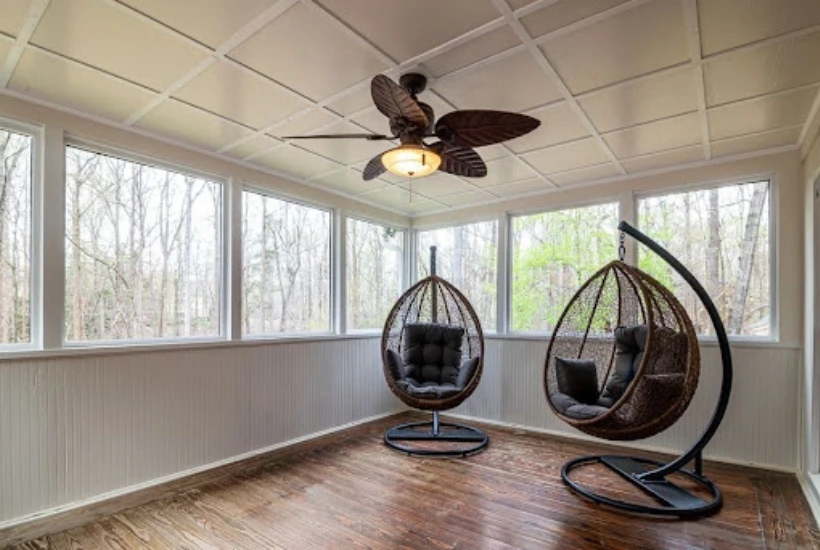
A screened porch can become one of the most relaxing spots in your home, but the floor does more work than most people realize. It has to handle weather, foot traffic, furniture, and the occasional muddy surprise without becoming a headache. If you choose well, your porch feels comfortable, looks polished, and stays easier to maintain. If you choose poorly, you may end up with stains, slippery spots, or repair bills that sneak up on you. That is why it helps to think through your options before you commit.
Start With Flooring Goals
Before you compare samples or colors, it helps to decide what you want your porch floor to do. Some homeowners care most about easy cleaning. Others want a warm, natural look that blends with the yard. You may also want a surface that feels comfortable under bare feet and does not become a maintenance magnet.
If you are sifting through some of the best screen porch floor ideas, start by asking a few simple questions. Will this porch be used every day or only on weekends? Do you want a polished finish or something more casual? Are you trying to minimize upkeep over the next several years?
A clear goal makes every later choice easier. Without one, it is easy to fall for a flooring option that looks great in a photo but does not fit your home. Good porch flooring is not just about looks. It should support how you actually live.
If concrete is on your shortlist, it helps to talk to a specialist early, since finish options like stamping, staining, and polishing all affect how the material performs on a porch. Decorative Concrete of Austin – Polished & Stained Concrete is the kind of resource homeowners turn to when weighing those finish choices against durability and upkeep.”
Match Your Climate
Your local climate plays a major role in how porch flooring performs over time. A material that works beautifully in a dry area may struggle in a humid region where moisture lingers. That is why weather should be one of your first filters.
If you live in a rainy or humid climate, moisture resistance matters a lot. Composite and certain tile options often hold up better than untreated wood. Humid Southern cities are a good example. Homeowners booking flooring installation Raleigh NC side often want the same material on the porch that they have indoors, but a screened porch there sits in months of sticky summer air, so it is worth asking the installer which products are actually rated for covered outdoor use before falling for a sample. In areas with harsh winters, you also need a surface that can handle temperature swings without cracking or becoming damaged.
Hot climates raise a different issue. Some materials can become uncomfortable under direct sunlight, especially darker finishes. In that case, a lighter color or a cooler surface may be a smarter move. Your feet will thank you, and they are usually honest critics.
When you match the floor to your environment, you reduce the risk of warping, mold, and premature wear. It is one of the simplest ways to make a better long-term decision.
Compare Popular Materials
Several flooring materials work well for screened porches, but each has its own strengths. Composite decking is popular because it resists moisture, needs less upkeep, and comes in many finishes. It often works well for homeowners who want a clean look without constant staining or sealing.
Wood remains a favorite for its natural warmth and classic appearance. It can be beautiful, but it usually asks for more attention over time. Depending on the wood type, you may need regular sealing, cleaning, and occasional repairs. It is charming, but it does not believe in being ignored.
Tile offers a polished look and can be very durable, especially in mild climates. Slip resistance matters here, so texture is important. Concrete is practical and strong, and it can be stained or finished in attractive ways. Vinyl can also be useful when you want affordability and easy cleaning.
The right choice depends on what matters most to you. No material is perfect in every category, so it helps to weigh appearance, durability, and upkeep together.
Think About Daily Use
A porch floor should suit your real life, not an imaginary version where nobody spills drinks or tracks in dirt. If your porch is a busy family space, durability and easy cleaning should move higher on your priority list. High style is nice, but not if every chair scrape becomes a dramatic event.
Homes with kids and pets often benefit from materials that resist scratches, moisture, and stains. Composite, sealed concrete, and some vinyl options can be easier to manage when daily life gets messy. If you host friends often, think about how the floor handles heavy foot traffic and moving furniture.
You should also consider comfort. Some surfaces feel harder or colder than others, which matters if you use the porch for morning coffee, reading, or long evening chats. If your floor will see muddy shoes after gardening, choose something that cleans up without a struggle.
A practical floor often feels more enjoyable because you are not constantly worrying about every small mark. That peace of mind is part of good design too.
Balance Style And Safety
Your porch floor should look good, but it also needs to feel safe and comfortable. A smooth glossy finish may seem appealing at first, yet it can become slippery when humidity or rain enters the picture. That is why texture matters just as much as color.
Look for finishes that offer grip without feeling rough. This is especially important if children, older adults, or pets use the porch often. A slightly textured composite board or slip-resistant tile can help you avoid the kind of surprise nobody enjoys.
Style still matters, of course. The floor should connect visually with the rest of your home. A rustic house may suit wood tones or warm composite shades, while a more modern home might look better with large-format tile or a smooth concrete finish. Neutral colors are usually easier to decorate around.
Try to think of flooring as part of the whole room. It should support the furniture, lighting, and view outside. The best porch floors are attractive without asking for constant attention.
Plan Your Budget Wisely
It is tempting to focus only on the purchase price, but porch flooring costs do not stop on installation day. A cheaper material can become expensive if it needs frequent maintenance, refinishing, or repairs. That is why long-term value matters more than the first number on the estimate.
Wood, for example, may cost less upfront in some cases, but ongoing care can add up over the years. Composite often costs more at the start, yet many homeowners appreciate the lower maintenance. Tile and concrete vary depending on style and labor, so installation costs deserve careful review.
You should also budget for the details around the floor. Trim, subfloor preparation, moisture protection, and furniture pads may all affect the final total. These smaller items can sneak into the budget like uninvited guests at a backyard dinner.
A wise approach is to decide what you can spend, then compare which material gives you the best mix of durability, appearance, and upkeep within that range. Saving money now should not create stress later.
Make The Final Choice
Once you narrow your options, the final decision becomes much easier. Start with the basics. Which materials work well in your climate. Which ones fit how you use the porch every week. Which option offers a look you will still like a few years from now.
If two choices seem close, think about maintenance. A floor that requires less work often becomes the better investment for busy households. You should also ask how comfortable the surface feels, how safe it is when damp, and whether it supports the style of your home.
It can help to gather a few samples and view them in natural light on your porch. Indoor lighting can be misleading, and outdoor spaces have a way of revealing the truth. A sample that looked perfect in the store may suddenly seem too dark, too slick, or too formal.
The best porch flooring is the one that meets your needs in everyday life. When you balance climate, lifestyle, budget, and appearance, you are far more likely to make a choice that feels right for years.
Related posts:
23 Best DIY Boho Christmas Decor Ideas for
A Beginner’s Guide to Keeping Your Outdoor Spaces Clean Without the Stress
Why More Homeowners Are Choosing to Remodel Instead of Move
25+ DIY St. Patrick's Day Decorations in
Creating a High-End Kitchen Appearance Without Custom Cabinetry
22+ Creative Plant Shelf Ideas for

- Best house cleaning services in Phoenix - October 23, 2026
- 12 Best Gifts for Plant Lovers (Including One They Can’t Overwater) - October 23, 2026
- Creating a Family Emergency Plan Without Adding Stress - October 22, 2026
Leave a Reply