Your home decor does more than make a room look pretty. It also affects how clean, calm, and pest-resistant your space feels. That’s especially true in Lynnwood, where the Pacific Northwest’s damp climate can create conditions that attract pests looking for food, moisture, and shelter.
As one of Washington’s growing communities with more than 42,000 residents, many homeowners are finding that small maintenance habits go a long way toward protecting their homes. A cozy house can still have sneaky trouble spots if fabric, baskets, and cute little accents start collecting dust, crumbs, or moisture.
The good news is that you don’t need to turn your home into a boring box. A few smart decor habits can help you keep your style and make your space less welcoming to bugs and rodents.
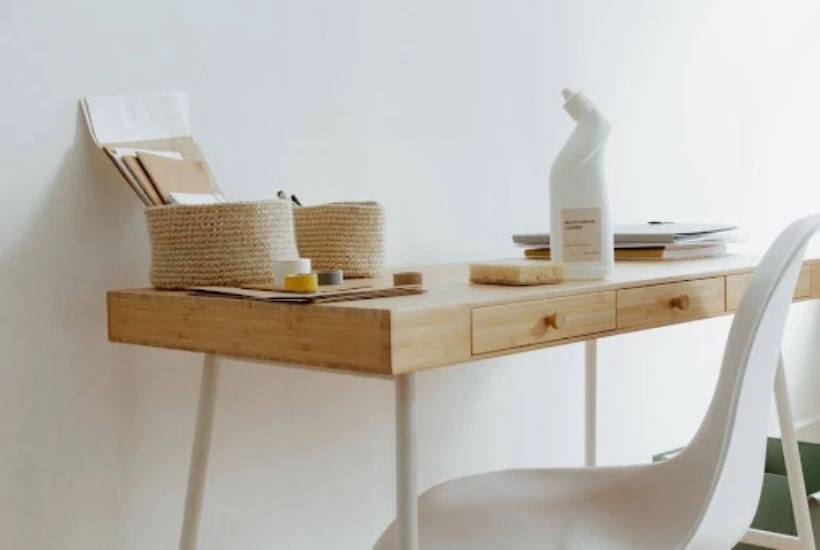
Decor Can Invite Pests
You probably think of pests as a kitchen or garage problem, but decor plays a part too. Piles of blankets, baskets tucked into dark corners, and furniture pushed tight against walls can create cozy hiding spots. To you, it’s farmhouse charm. To a pest, it’s a five-star hotel with no checkout time.
That doesn’t mean you should panic every time you buy a throw pillow. It just helps to notice where clutter builds up and where air stops moving. If you’re seeing droppings, chewed items, or repeat bug sightings, you may need more than a cleaning spree. If you’re looking for pest control Lynnwood has plenty of experienced professionals who can identify the source of the problem, treat the infestation, and help prevent pests from coming back.
A good rule is simple. If decor makes a spot harder to clean or inspect, it may also make it easier for pests to settle in.
Watch Soft Furnishings
Soft items make a room feel warm, but they also collect dust, pet hair, and sometimes crumbs. Rugs under dining tables, long curtains near damp windows, and piles of decorative pillows can quietly become trouble zones if they’re never cleaned. It’s not dramatic, just realistic.
Try to vacuum rugs often, especially around edges and under furniture. Shake out washable pillow covers and wash them on a routine that fits your home. Curtains that touch the floor can trap dust and hide insect activity near baseboards, so it helps to check behind them once in a while.
If you store extra linens in baskets, choose breathable ones that stay dry and clean. Don’t overstuff them. Packed fabric gives pests more dark spaces to hide. You don’t need a perfect magazine home. You just want fewer mystery corners where things rustle when they definitely should not.
Tidy Up Entry Points
A cute bench by the front door or a plant stand near a window can look great, but decor placed too tightly around entry points can hide cracks, gaps, and tiny pest highways. If you can’t see along the edges of a window or door frame, you may miss signs of trouble.
Give doors and windows a little breathing room. That doesn’t mean empty walls and zero personality. It just means avoiding bulky decor that blocks your view of trim, corners, and baseboards. If you have floor-length drapes, pull them back now and then and check for dust buildup or insect activity.
Furniture can cause the same issue. A bookshelf shoved tightly against the wall might hide droppings, moisture marks, or small openings. Leave a bit of space where you can. It makes cleaning easier and gives you a chance to spot problems early, before pests decide your home has excellent amenities.
Rethink Kitchen Styling
The kitchen is where decor and function need to get along. Open shelving looks airy and inviting, but it also needs regular wiping. Grease, crumbs, and food dust can build up fast, especially around baking supplies, snack jars, and pretty containers that are more decorative than sealed.
Fruit bowls are another common example. Fresh fruit looks cheerful on the counter, but overripe produce can attract flies before you know it. If your household doesn’t eat fruit quickly, keep part of it in the fridge instead. The same goes for bread boxes, pet treat jars, and any container that closes loosely.
Try these simple styling swaps:
– Use sealed containers for dry goods
– Keep counters mostly clear
– Wipe under small appliances weekly
– Move pet bowls away from hidden corners
A styled kitchen should still be easy to clean. If decor turns cleanup into a scavenger hunt, it’s probably doing too much.
Mind Damp Corners
Moisture is a big deal when it comes to pests. Bathrooms, laundry spaces, and under-sink cabinets often look tidy on the surface while quietly trapping damp air underneath mats, baskets, and storage bins. That’s where problems can start.
Choose decor that can handle humidity. Washable bath mats, plastic-lined baskets, and shelves with some airflow are usually better than heavy fabric bins sitting on the floor. If you keep decorative storage under a sink, check it often for leaks, mildew smells, or warped materials.
Laundry rooms deserve attention too. A basket full of damp towels is not just a chore waiting to happen. It can also create a humid little shelter. Let items dry before tossing them into storage. In bathrooms, hang towels so they fully air out instead of bunching them on hooks.
A room can smell clean and still hold hidden moisture. That’s the sneaky part, so regular checks matter.
Store Decor Smarter
Seasonal decor has a funny way of becoming forgotten decor. Boxes go into closets, crawl spaces, or garages and sit there for months. If those boxes are cardboard, they can attract pests looking for shelter. Add fabric, paper, and low traffic, and you’ve built a tiny vacation cabin for unwanted guests.
Plastic bins with secure lids are a better choice for most decorations. Label them clearly so you don’t have to open everything just to find one string of lights or that one pumpkin you swear you bought last year. Keeping storage off the floor helps too, especially in garages and utility areas.
Closets need a little space to work well. If they’re packed wall to wall, you won’t notice dust, droppings, or signs of chewing. Leave some room for airflow and quick checks. Organized storage is not only satisfying. It also makes pests easier to spot before they turn your holiday bins into year-round roommates.
Create An Easy Routine
You do not need a giant checklist or a dramatic deep-clean marathon every weekend. A simple rhythm works better. Spend a few minutes each week vacuuming under easy-to-miss spots, wiping kitchen shelves, and checking around doors, windows, and sinks. Small habits beat big excuses.
Once a month, do a slightly closer look. Move a basket, check behind a curtain, peek under the sink, and inspect stored decor. If something smells musty, feels damp, or looks chewed, don’t ignore it and hope for the best. Hope is nice, but it’s not a cleaning product.
The main goal is balance. You want a home that looks welcoming without becoming welcoming to pests. Thoughtful decor, regular cleaning, and a little curiosity go a long way. When your home is easy to inspect and easy to maintain, it stays more comfortable for the people who actually pay to live there.
Related posts:
17+ Best Wooden Crate Shelf Ideas for
How Changing Cities Can Transform Personal Style and Daily Habits
Transform Your Garage Into a Climate-Controlled Extension
Holiday Magic: 15 Christmas Centerpiece Ideas
Essential Garage Door Safety Tips Every Family Should Know
The Overlooked Parts of Your Home That Deserve More Attention

- Best house cleaning services in Phoenix - October 23, 2026
- 12 Best Gifts for Plant Lovers (Including One They Can’t Overwater) - October 23, 2026
- Creating a Family Emergency Plan Without Adding Stress - October 22, 2026
Leave a Reply