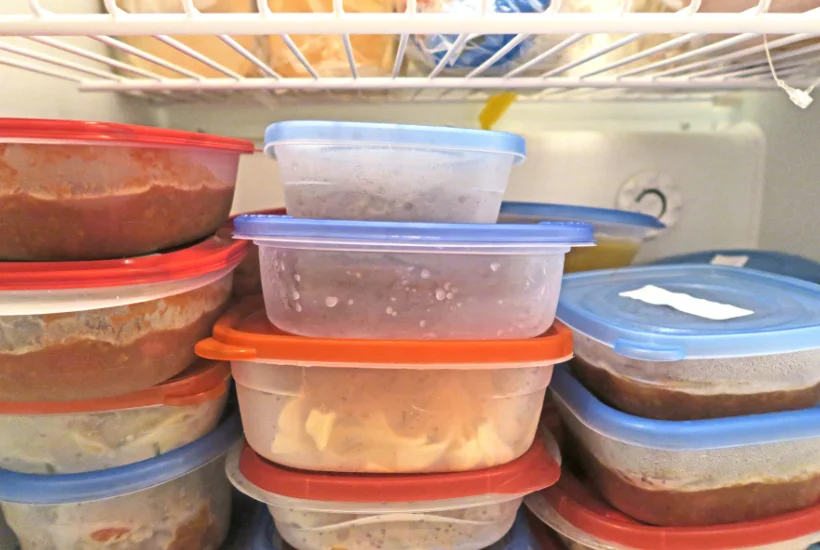
The holiday season is often synonymous with delicious meals, festive treats, and the inevitable mountain of leftovers. While it’s tempting to let everything sit in the fridge until you eventually give up and toss some of it, freezing your leftovers is a smarter solution. Not only does freezing help reduce food waste, but it also preserves the flavor and quality of your meals, giving you ready-to-eat options for weeks after the celebration. In this guide, we’ll walk you through everything you need to know about freezing holiday leftovers safely, from what freezes well to proper storage, thawing, and reheating.
Why Freezing Leftovers Matters
Freezing holiday leftovers isn’t just a convenience—it’s a way to extend the life of your meals while keeping your family safe from foodborne illness. When handled correctly, freezing slows down bacterial growth, keeping food fresh for longer. It also gives you a time-saving advantage: instead of cooking every meal from scratch in the busy days following the holidays, you can simply thaw and enjoy.
Additionally, freezing leftovers is a smart financial move. Holidays can be expensive, and letting perfectly good food go to waste is essentially throwing money away. By freezing what you don’t immediately eat, you maximize the value of every dish on your table.
Foods That Freeze Well
Not all holiday dishes freeze equally well. Understanding which foods maintain quality after freezing will save you frustration later.
Meats: Turkey, chicken, and ham freeze beautifully. Slice or shred meat before freezing to make reheating faster and more convenient. For added moisture, consider wrapping meat in foil or freezer-safe wrap to prevent it from drying out.
Potatoes: Mashed potatoes, sweet potatoes, and even roasted potatoes freeze well. Keep in mind that creamy additions like heavy cream or milk can slightly change texture after thawing. You can add a bit of milk or butter when reheating to restore creaminess.
Casseroles and Stuffing: Most casseroles and baked side dishes freeze well. It’s best to freeze them before baking if possible, but baked dishes can also be frozen in individual portions. For stuffing, avoid adding overly crunchy toppings until reheating, so it doesn’t become soggy.
Sauces and Gravies: These can be frozen separately in small portions. Leave a little room at the top of the container, as liquids expand when frozen.
Vegetables: Lightly cooked or blanched vegetables retain color and texture better in the freezer. Avoid freezing raw leafy salads or dishes with high water content—they’ll become mushy once thawed.
Desserts: Pies, cookies, and cakes generally freeze well. Cream-based desserts or those with gelatin may not hold up as well, so consider refrigerating those instead.
How to Freeze Leftovers Safely
Freezing leftovers safely requires a few simple steps. Following these will maintain food quality and prevent potential foodborne illnesses.
- Cool Quickly: Let hot food cool at room temperature for no more than two hours. The faster food cools, the less opportunity bacteria have to grow.
- Portion Wisely: Freeze in meal-sized portions. Not only does this make reheating easier, but it also reduces the need to thaw the entire batch at once.
- Use Proper Containers: Airtight containers or freezer bags help prevent freezer burn. Squeeze out as much air as possible from freezer bags before sealing.
- Label and Date: Always write the contents and freezing date on your containers. This keeps you organized and prevents food from staying frozen too long.
- Freeze Promptly: Don’t wait too long to freeze leftovers. Ideally, foods should be frozen within three to four days of cooking.
Tips to Prevent Freezer Burn
Freezer burn happens when moisture escapes from food, leaving it dry and tasteless. To prevent it:
- Wrap foods tightly in foil or plastic wrap before placing them in freezer-safe containers.
- Remove as much air as possible from freezer bags.
- Keep your freezer at or below 0°F (-18°C).
A little preparation now ensures that your holiday meals taste just as good weeks later as they did on the day they were cooked.
Reheating Frozen Leftovers
Reheating frozen leftovers safely is just as important as freezing them. Here’s how to do it right:
- Thaw in the Fridge: Overnight thawing is safest, allowing food to come up to a safe temperature gradually.
- Reheat Thoroughly: Ensure leftovers reach an internal temperature of 165°F (74°C) to kill any bacteria. Use a food thermometer if needed.
- Avoid Refreezing: Only refreeze thawed leftovers if they haven’t been sitting at room temperature. Refreezing can affect both safety and quality.
For convenience, some meals can be reheated directly from frozen, like casseroles or baked dishes, though it may take longer than reheating thawed food.
How Long Can Holiday Leftovers Stay Frozen?
Knowing the safe freezer times helps you plan meals and reduce waste. Here’s a quick guide:
| Food Type | Freezer Life |
|---|---|
| Cooked turkey or chicken. | 4 months |
| Gravy or sauces | 2–3 months. |
| Mashed potatoes | 2 months |
| Stuffing or casseroles | 3 months |
| Cooked vegetables | 10–12 months |
| Pies and baked desserts | 2–4 months |
Always check food for signs of freezer burn or off odors before reheating, even if it’s within the recommended time.
Final Thoughts
Freezing holiday leftovers is a simple way to save time, money, and reduce waste. With the right techniques—cooling quickly, portioning wisely, using proper containers, and labeling everything—you can enjoy your favorite holiday dishes well beyond the celebration.
Keeping a running list of frozen meals is a helpful tip to stay organized and ensure nothing gets forgotten at the back of the freezer. By planning ahead and following these safety guidelines, you can make your holiday cooking go further, one delicious leftover at a time.

- Free Printable Halloween Party Games and Coloring Pages - October 18, 2026
- Slow Cooker Fall Dinners: 14 Cozy Recipes - October 18, 2026
- Ghost Brownies and Halloween Desserts: 12 Cute Ideas - October 18, 2026
Leave a Reply