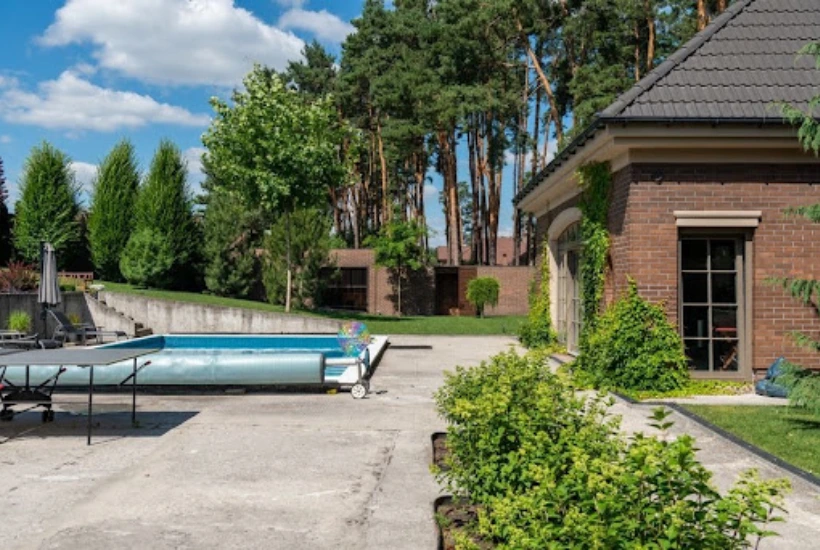
If you want your patio, walkway, or pool deck to look upgraded without drifting into overdesigned territory, stamped concrete deserves a serious look. It sits in that sweet spot between practical and polished.
You get durability, a wide range of patterns, and a finish that can mimic pricier materials without the maintenance drama. In places like Northeast Georgia, where outdoor living matters for a good chunk of the year, the right surface choice can shape how your whole home feels and functions.
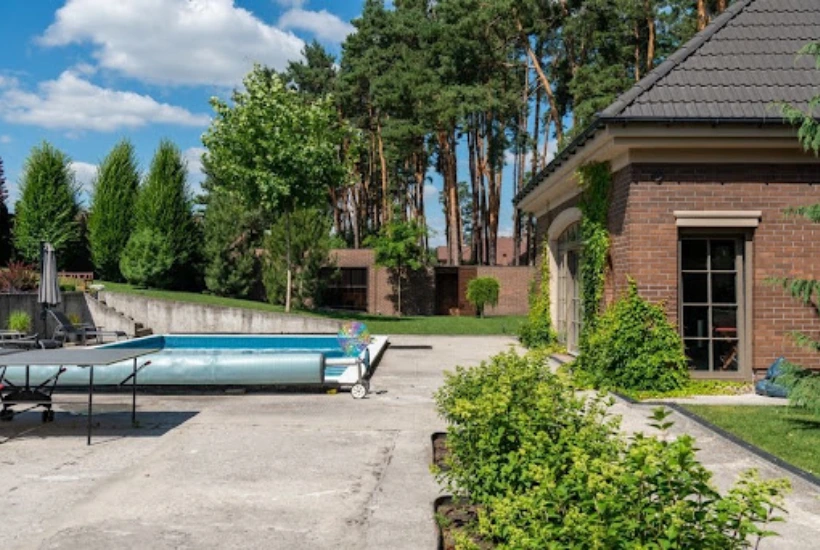
Why Climate and Installation Quality Matter More Than Trendiness
Outdoor surfaces don’t live in a showroom. They deal with sun, rain, dirt, foot traffic, furniture scraping, and the occasional dropped burger tray. In northeast Georgia, moisture, heat, and seasonal shifts can all affect how concrete performs over time.
That makes installation quality non-negotiable. Proper site prep, grading, reinforcement, coloring, stamping, and sealing all influence the final result. If one step gets rushed, the problems can show up later as cracking, uneven texture, drainage issues, or fading.
When evaluating stamped concrete services in Northeast Georgia, pay attention to whether the contractor discusses:
– Drainage and slope planning
– Concrete thickness for the intended use
– Expansion joints and crack control
– Sealer type and maintenance schedule
– Past projects with similar patterns or finishes
That conversation tells you a lot. Good contractors talk about performance, not just appearance. Pretty is great. Pretty that puddles near your back door after every storm is less impressive.
It also helps to ask how the finish will hold up in shaded versus sunny areas. A patio under trees has different needs than a pool deck baking all afternoon.
What Stamped Concrete Actually Brings to Your Home
Stamped concrete starts as standard poured concrete, but it’s patterned and tinted while still curing. This process allows it to mimic the appearance of materials like natural stone, brick, slate, tile, or even wood.
Materials such as wood, tile, and slate can each create a very different look, from warm and rustic to clean and contemporary. Brick is another strong option, especially when you want to add texture, structure, and a more traditional architectural feel. Those comparing different brick styles can explore options from sources such as https://ixlbuild.com/
It may be an imitation, but when it comes to practical home design, achieving the look without the extra maintenance is often the smarter choice.
For you as a homeowner, the appeal usually comes down to three things:
– Lower cost than many natural materials
– More design flexibility than plain concrete
– Easier upkeep than pavers with lots of joints
It works especially well when you want a high-end look without creating a maintenance side quest for your weekends. A patio can take on the texture of flagstone, while a driveway can get a cleaner, more tailored appearance than basic gray concrete.
You also have room to customize color. Warm earth tones tend to blend nicely with brick homes, while charcoal and slate shades can give newer homes a sharper edge. The best stamped concrete doesn’t scream for attention. It quietly makes everything around it look more intentional.
How to Choose a Pattern That Won’t Date Your Space
Design choices can go sideways fast when too many textures compete. Stamped concrete gives you options, but more options don’t always equal better outcomes.
If you want a look that lasts, start with your home’s architecture. A rustic stone pattern tends to suit traditional or farmhouse-style homes. Cleaner slate or ashlar patterns often fit contemporary exteriors better. Brick patterns can work nicely on cottage-style homes or properties with established gardens.
Keep these selection tips in mind:
– Match the pattern scale to the size of the area
– Choose colors that connect with your exterior finishes
– Avoid overly busy textures in small spaces
– Ask to see large samples, not tiny color chips
Large patterns in a tiny courtyard can look awkward. On the flip side, a pattern that’s too small on a wide driveway may feel visually cluttered.
Color deserves equal attention. In most cases, subtle variation looks richer than a single flat tone. Think layered browns, soft grays, sandy taupes, and weathered charcoal. Those shades tend to age better and hide dirt more gracefully. Bright reds or heavy orange undertones can get old fast, and not in a charming vintage way.
What Maintenance Looks Like in Real Life
Stamped concrete is fairly low-maintenance, but low-maintenance doesn’t mean no-maintenance. If you ignore it for years, the surface can lose color depth, the sealer can wear down, and the finish may start looking tired.
The usual care routine is simple:
– Sweep away debris regularly
– Rinse off dirt and pollen buildup
– Clean spills before they stain
– Reseal every few years as needed
That’s manageable for most homeowners, especially compared with weeding between pavers or dealing with shifting stones. Resealing is the big one. It helps protect the color and surface from water intrusion, stains, and wear.
You’ll also want to be careful with metal furniture feet and heavy planters. Dragging them across the surface can leave marks or scuffs. Use protective pads if you tend to rearrange your outdoor setup every other weekend.
For winter care, skip harsh de-icing chemicals when possible. Even in milder southern climates, chemical exposure can wear on decorative finishes over time. A gentle cleaning routine and periodic resealing usually keep the surface looking sharp without demanding much from you.
How It Fits Into a More Stylish Outdoor Design Plan
Stamped concrete works best when it’s part of a bigger visual plan. You don’t need a magazine-worthy yard or an outdoor kitchen with a fridge that costs more than your first car. You just need cohesion.
Start by looking at the materials already around your home:
– Brick or stone on the exterior
– Fence color and style
– Landscaping tone and density
– Outdoor furniture materials
– Lighting finishes and accents
Your concrete surface should support those elements, not compete with them. A slate-style patio in a soft gray can make black planters and warm wood furniture stand out beautifully. A sand-toned pool deck can soften the look of bright water and lush greenery.
Stamped concrete also helps define zones. A patterned patio can visually mark the dining area, while a simpler brushed border creates separation without adding clutter. That kind of subtle structure makes outdoor spaces feel designed rather than randomly assembled.
If you’re updating your home decor style inside and out, outdoor surfaces deserve the same attention as paint, textiles, and lighting. They cover a lot of visual ground, and they affect how welcoming your home feels before anyone even steps through the door.
A well-chosen stamped concrete design gives you something every great home feature should offer: looks, usefulness, and enough durability to survive actual life.
Related posts:
Wavy Wonders: 12 DIY Squiggly Decor
Illuminate Your Space: 15+ DIY Lamp and Light Ideas That Shine
25+ Easy Geometric Wall Art Projects To Jazz Up Your Space
10+ DIY Above-Ground Pool Decks To Make a Splash This Summer
30+ Beautiful DIY Christmas Wreath Ideas For
The Family Decluttering Habits That Make Everyday Life Easier

- Strawberry Sago with Fresh Strawberries and Nata de Coco - September 28, 2026
- Panasonic Ventilation Solutions for Apartments, Hotels, and Shared Facilities - September 28, 2026
- How to Build a Wardrobe That Works for Your Cosy Days In - September 24, 2026
Leave a Reply