
The school day may finish at three o’clock, but for children, the busiest part of the day is often only just beginning. There might be a walk home, a snack at the kitchen table, homework that needs finishing, a quick trip to the park and an evening spent building dens or playing with siblings. Somewhere between all these activities, school clothes need to come off and something more comfortable needs to go on.
That is why a reliable after-school outfit can make family life a little easier. A comfortable pair of fleece lined joggers for kids and a soft hoodie can work together for the hours between the school bell and bedtime. The aim is not to create a complicated wardrobe for every activity. It is to find clothes that allow children to move freely, feel comfortable as the temperature changes and get on with being children.
Four hours may not sound like much, but those hours can include several different environments and activities. Looking at the afternoon one stage at a time helps explain why simple, versatile clothing often works best.
Three O’Clock: Getting Out of School Clothes and Into Play Mode
The first job after school is usually to get comfortable. Uniforms may have been worn for six or seven hours, and children can be ready to change into something that feels less structured. Waistbands, collars and stiff fabrics that seemed fine in the morning may feel restrictive by the time they get home.
A useful after-school outfit should be easy to put on without much help. Joggers with a comfortable waistband allow children to change quickly, while a hoodie provides an extra layer for a chilly house, a draughty hallway or a walk outside. Simple clothing choices can also reduce the daily struggle over what to wear, particularly when children are tired and hungry.
Why the First Change of Clothes Matters
Comfort is not only about softness. Children need trousers that stay in place when they bend, sit on the floor or climb onto the sofa. They also need enough room around the knees and hips to move naturally. If joggers pull when a child crouches or twist around during play, they may spend the afternoon adjusting their clothes instead of enjoying themselves.
It helps to choose an outfit that suits the child rather than relying on age labels alone. Check the waist, leg length and overall fit, and allow enough room for movement without choosing trousers so loose that they become awkward. A child who can dress independently may also appreciate a simple design without complicated fastenings.
The same goes for hoodies. Sleeves should not cover the hands excessively, and the body should feel comfortable when the child reaches forward or raises their arms. A good fit makes the transition from school to home feel effortless.
Half Past Three: The Snack Break and Homework Hour
Once the school bag is dropped and the uniform is changed, most children need a chance to recharge. A snack, a drink and a little time to talk about the day can help them settle before homework or reading begins. Comfortable clothes make this period easier because children can sit at a table, curl up with a book or move between activities without feeling restricted.
This is also when practical clothing becomes especially useful. After-school outfits may encounter crumbs, paint, garden soil or the occasional spilled drink. Parents do not necessarily need to keep children dressed in their best clothes until dinner. Everyday joggers and a hoodie can provide a sensible balance between comfort and a presentable appearance.
Four O’Clock: When the Afternoon Moves Outdoors
For many families, the afternoon does not stay indoors for long. Children may head into the garden, walk to a nearby playground or meet friends outside. The weather can make a noticeable difference at this point, especially during autumn and winter when the air becomes cooler as daylight fades.
Joggers and a hoodie may be suitable for dry conditions and ordinary play, but they should not automatically be treated as outdoor-weather protection. Fleece can provide warmth, yet most fleece garments are not waterproof, and ordinary hoodies may allow wind and rain to pass through. If the ground is wet or the temperature is low, children may need an additional jacket or a more protective outer layer.
Let the Activity Decide How Many Layers to Wear
A child running around the garden may quickly become warmer than one sitting on a swing or watching a football practice. The right number of layers depends on movement, weather and how long the child will stay outside.
For a quick trip into the garden on a dry day, joggers and a hoodie may be enough. For a longer walk in chilly or windy conditions, add an appropriate outer layer. If rain is expected, choose a waterproof jacket rather than assuming a thick sweatshirt will keep the child dry.
Parents can make the routine easier by keeping an outdoor jacket and suitable shoes near the door. Children can then add the necessary protection without changing their whole outfit. This is particularly helpful when a short outdoor break turns into an hour of playing with friends.
Five O’Clock: The Outfit Has to Keep Up With Active Play
By late afternoon, children may have moved from homework to football in the garden, dancing in the living room or inventing games with their siblings. Clothes that felt comfortable while sitting down now need to handle bending, stretching, running and climbing.
This is where the construction of joggers matters. A flexible fabric, a secure waistband and enough space through the legs can support everyday movement. Cuffs may help keep trouser hems away from the feet, while pockets can be useful for carrying small objects during play. The most useful details are those that make the clothing easier to wear rather than features that look impressive but serve little purpose.
A Hoodie Should Feel Comfortable Through Movement
A hoodie can be a useful everyday layer because it is easy to pull on when the house feels cool or the child wants to head outdoors. The fabric, cut and weight all affect how it feels during activity. A heavy hoodie may be cosy when sitting down but too warm during energetic play, while a lighter design may suit children who are constantly moving.
Parents should also consider practical details such as the hood, cuffs and fastening. Sleeves should allow free movement, and the garment should not ride up excessively when the child reaches overhead. For activities involving playground equipment or sports, make sure loose drawstrings or other details do not create a snagging hazard.
The aim is to let children concentrate on the game rather than their clothing. If they are continually pulling down the sleeves or adjusting the waistband, the outfit probably needs a better fit.
Choosing Fleece Pieces That Work Together
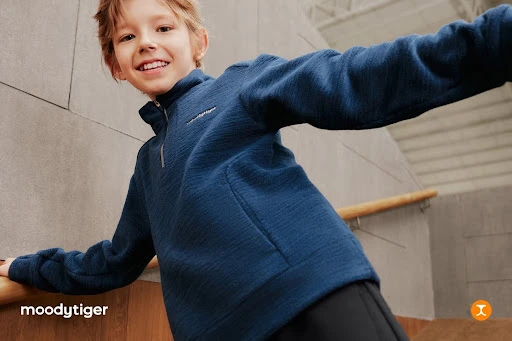
The best after-school combinations are not necessarily matching sets. They are pieces that can be worn together comfortably and separately when the weather or activity changes. Fleece-lined joggers may provide extra warmth on cooler afternoons, while a hoodie can be removed when the child starts running around or added again once they cool down.
The Double-Faced Polar Fleece Hoodie is one option for this type of everyday layering. Before choosing it, check the current product details for its fabric composition, fit, care instructions and design features. A fleece hoodie can be useful for relaxed afternoons, homework and casual outings, but the amount of warmth it provides depends on its construction and what it is worn over.
When considering a hoodie from moodytiger, think about the child’s typical afternoon rather than buying solely for one particular activity. A versatile layer should work with the trousers already in the wardrobe and feel comfortable across several everyday situations. If children often move between indoor and outdoor spaces, removable layers can be more practical than relying on one thick garment all afternoon.
Six O’Clock: A Quick Reset Before Dinner
By early evening, the outfit may have been through homework, snacks, outdoor play and a few unexpected adventures. It is worth taking a moment to check whether the clothes are still comfortable and suitable for the rest of the night. Damp cuffs, muddy knees or a sweaty base layer may mean the child needs to change before sitting down for dinner.
This does not mean changing clothes every hour. It simply means responding to what the afternoon has involved. If the joggers are clean and comfortable, there may be no reason to replace them. If they are wet from the garden or dirty from a playground, a fresh pair can help the child feel comfortable for the evening.
Make Laundry Easier by Choosing Everyday Fabrics Carefully
After-school clothing often needs frequent washing, so care instructions matter. Check the garment label before washing and drying, particularly if the fabric contains a blend of fibres or has a brushed lining. Following the recommended temperature and drying method can help maintain the garment’s shape and feel.
It can also help to keep a small rotation of everyday pieces available. Two or three suitable pairs of joggers and a few tops may cover the week more comfortably than relying on a single favourite outfit. This gives parents time to wash and dry clothes without creating a last-minute problem when the preferred pair is unavailable.
Children can take part in the routine by putting worn clothes in the laundry basket and returning clean items to their drawers. These small habits make the transition from the busy afternoon to a calmer evening easier for the whole household.
Build a Routine Around Comfort, Not a Perfect Outfit
An after-school uniform does not need to be an actual uniform. It is simply a dependable combination of clothes that helps children move from school responsibilities to the activities they enjoy. A comfortable pair of joggers, a practical top and a hoodie can cover much of the afternoon, provided the clothing suits the temperature and the child has suitable protection for outdoor conditions.
Think about the four hours as a series of changing needs. At three o’clock, children want to get out of school clothes. Later, they need to sit comfortably for homework, move freely during play and adjust to cooler weather when they go outside. By dinner time, they may need nothing more than a quick check for damp or dirty clothing.
Related posts:
How to Build a Wardrobe That Works for Your Cosy Days In
At-Home Light Therapy: Skincare, Recovery and Wellness
Creating a Family Emergency Plan Without Adding Stress
5 Baby Girl Clothing Essentials for a Newborn's First Wardrobe
How to Protect Your Inheritance During a Probate Dispute
10 Things to Do in Chesapeake This Fall

- The After-School Uniform: Four Hours, One Pair of Fleece Joggers and a Hoodie - November 16, 2026
- 15 Unique Coffee Drink Ideas to Make at Home - November 10, 2026
- 7 Easy Ways to Send Flowers Across the Country (Without the Guesswork) - November 10, 2026

Leave a Reply