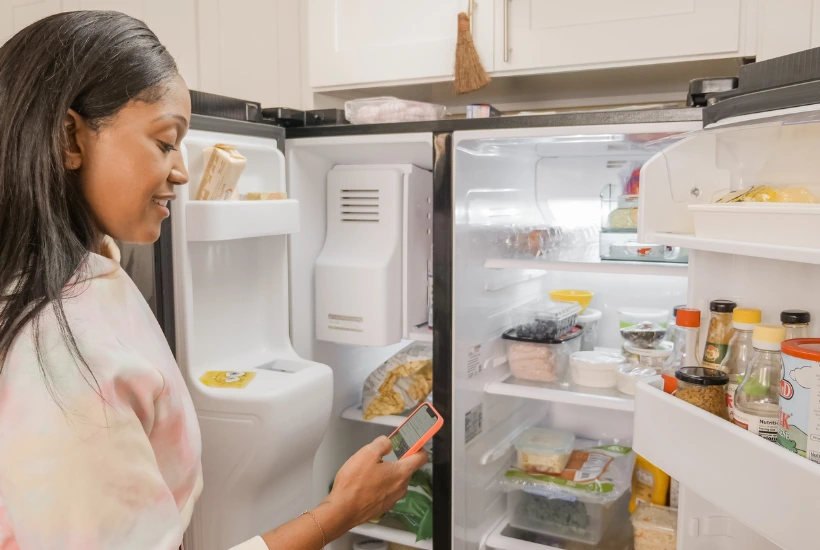
A food recall can be scary, especially when you’ve bought or maybe even consumed the recalled product. But it’s important to remember that recalls happen for many reasons. Some, like possible contamination, undeclared allergens, or foreign materials, can be concerning. Others, like labeling errors, are of less immediate worry for consumers. However, while some recalled foods may look and smell perfectly normal, they can still pose a health risk, so it is important to respond quickly and carefully. So, here’s what to do when a food recall affects something in your fridge:
Verify The Details
The first step is to stay calm and verify the details before handling the food. If the recall involves produce, ready-to-eat meals, dairy, meat, or seafood, look for official updates and details. For example, during the recent Cyclospora outbreak, consumers could get Cyclospora information from affected brands, the U.S. Food and Drug Administration, the U.S. Department of Agriculture, and the Centers for Disease Control and Prevention. Reliable sources will list the brand, product name, package size, lot number, use-by date, and where the product was sold.
Check the Product Carefully
Compare the recall notice with the item in your fridge. Do not rely only on the brand name, because recalls often apply only to specific batches or dates. Look at the label, package code, establishment number, UPC, or expiration date. If any detail matches the recall, treat the item as affected.
If you threw away the outer packaging but still have the food, it is usually safest to assume it may be part of the recall if the timing and product description match. When in doubt, do not taste it to check whether it seems safe. Harmful bacteria, parasites, or allergens cannot always be detected by sight, smell, or flavor.
Stop Using the Food Immediately
Once you identify a recalled product, stop eating, cooking, or serving it. Place it in a sealed plastic bag or container so it does not leak or touch other foods. This is especially important with raw meat, poultry, seafood, cut fruit, leafy greens, and foods stored in liquid.
Follow the recall instructions. Some notices advise consumers to throw the product away, while others recommend returning it to the store for a refund. If you return it, keep it sealed and separate from groceries. If you discard it, place it in a closed trash bag where children, pets, or wildlife cannot reach it.
Clean Your Refrigerator and Kitchen Surfaces
After removing the recalled food, clean any area it touched. Take out nearby items, then wipe shelves, drawers, bins, and refrigerator walls with hot, soapy water. Rinse and dry the surfaces. For extra caution, you can sanitize hard surfaces with a solution of one tablespoon of unscented liquid bleach in one gallon of water. Let the surface air-dry after sanitizing.
Wash your hands thoroughly with soap and warm water for at least 20 seconds after handling the recalled item, trash, or cleaning materials. Also wash cutting boards, utensils, countertops, reusable bags, and containers that may have come into contact with the food.
Watch for Symptoms
If you or someone in your household ate the recalled product, monitor for symptoms. Depending on the reason for the recall, signs of illness may include nausea, vomiting, diarrhea, stomach cramps, fever, fatigue, dehydration, rash, swelling, trouble breathing, or allergic reactions. Symptoms can appear within hours, but some illnesses may take days to develop.
Call a health care provider if symptoms are severe, persistent, or involve a young child, older adult, pregnant person, or someone with a weakened immune system. Seek emergency care for difficulty breathing, signs of severe dehydration, bloody diarrhea, confusion, or a high fever. Tell the provider what product was eaten and when.
Keep Records and Report Problems
Save the recall notice, photos of the package, receipts, and any communication from the store or manufacturer. These details can help if you need a refund, medical advice, or documentation. Many companies provide a phone number, website, or email address for questions.
If you believe you became ill from a recalled food, report it to your local health department. Reporting helps investigators identify patterns, trace contaminated products, and prevent more people from getting sick.
Reduce Future Recall Risks
You cannot prevent every recall, but you can make your kitchen safer. Register for recall alerts from federal agencies, check notices regularly, and read grocery store emails or app notifications. Store foods at the correct temperatures, keep raw and ready-to-eat foods separate, and label leftovers with dates.
A recall does not always mean someone will get sick, but it does mean you should act. By confirming the notice, removing the food, cleaning carefully, and watching for symptoms, you can protect your household and handle the situation with confidence.
Related posts:

- How to Build a Wardrobe That Works for Your Cosy Days In - September 24, 2026
- What to Do When a Food Recall Affects Something in Your Fridge - September 24, 2026
- Which Water Pump Hose Is Best for Farm and Property Use in AU? - September 22, 2026
Leave a Reply