Every dog parent knows the feeling. One minute, your pup is happily playing, and the next, they’re refusing dinner, looking uncomfortable, or making frequent trips outside. An upset stomach can quickly turn an ordinary day into a stressful one.
Dogs can experience digestive problems for several reasons, including sudden diet changes, food sensitivities, stress, or eating something they shouldn’t. While occasional stomach troubles aren’t unusual, repeated episodes of diarrhea, vomiting, or digestive discomfort deserve attention.
The good news? A few thoughtful changes to your dog’s daily routine can make a real difference to their digestive health.
From choosing suitable food to recognizing early warning signs, here are five practical tips to help care for your pup’s sensitive tummy and keep them feeling comfortable.
1. Choose Gentle, Easily Digestible Food
What goes into your dog’s bowl matters, especially when they have a sensitive stomach.
Some dogs struggle to digest certain ingredients, while others develop digestive problems after eating rich foods or unfamiliar treats. Finding a diet that agrees with your pup can help reduce unnecessary stomach irritation.
Start by choosing a high-quality dog food appropriate for their age, size, and nutritional needs. Choose a complete and balanced formula rather than relying on homemade meals that may lack important nutrients.
If your dog regularly experiences digestive discomfort, ask your veterinarian whether a sensitive-stomach diet could help.
A few additional feeding habits are worth considering:
- Keep Portions Consistent: Overfeeding can contribute to digestive discomfort, even when the food itself is suitable.
- Limit Table Scraps: Fatty leftovers and heavily seasoned foods can upset your dog’s stomach.
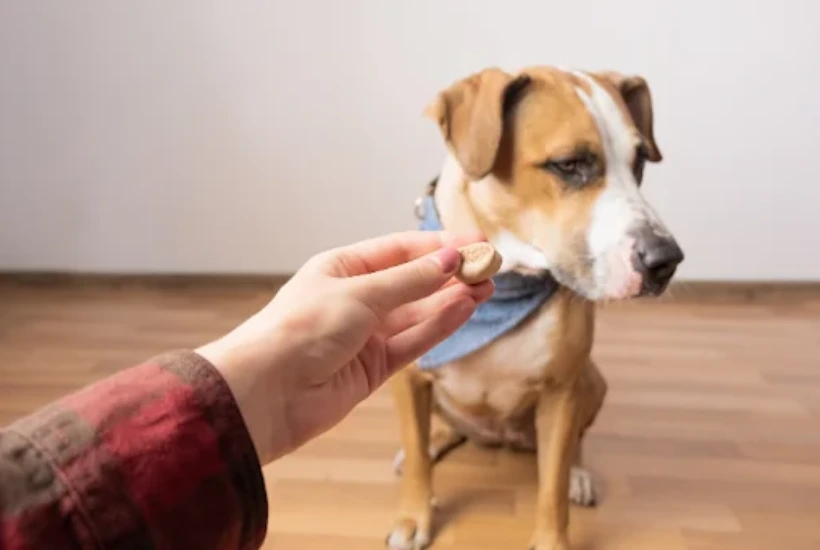
- Watch Their Treats: Treats count toward daily food intake and may contain ingredients your pup struggles to tolerate.
- Introduce New Foods Gradually: Mix increasing amounts of new food with their current food over approximately a week, unless your veterinarian advises otherwise.
Remember that every dog is different. A food that works beautifully for one pup might cause problems for another.
2. Establish a Consistent Feeding Routine
Dogs tend to do well with predictable routines, and mealtimes are no exception.
Feeding your pup at approximately the same times each day makes it easier to monitor their appetite and bathroom habits. You’ll also notice changes sooner, which can help when identifying potential digestive problems.
For many healthy adult dogs, dividing their daily food allowance into two meals works well. Puppies often require more frequent feeding, depending on their age and size.
If your dog eats too quickly, consider using a slow-feeder bowl. These bowls encourage dogs to take smaller mouthfuls rather than swallowing their entire meal within seconds.
Keep fresh drinking water available throughout the day, too. Diarrhea and vomiting can cause dehydration, making access to clean water particularly important.
Some pet parents also consider digestive supplements as part of their dog’s routine. Brands such as Pup Labs offer products designed to support canine digestive wellness, although supplements should complement an appropriate diet rather than replace veterinary treatment.
Consistency is helpful, but don’t ignore changes in appetite. A dog who suddenly refuses food or appears unusually uncomfortable may need veterinary attention.
3. Support Healthy Digestion With Appropriate Supplements
Sometimes, even a carefully planned feeding routine isn’t enough to prevent occasional tummy troubles.
Travel, boarding, stressful situations, or dietary changes can affect your dog’s digestion. In these circumstances, certain digestive supplements may offer additional support, depending on your pup’s needs.
Probiotics, for example, contain beneficial microorganisms that can help maintain a healthy balance of bacteria in the digestive system. Prebiotics provide nourishment for some of these beneficial bacteria.
Certain types of dietary fiber may also help support normal stool consistency.
For pet parents researching digestive support, https://puplabs.com/ offers K9 Quickfirm, a powdered supplement formulated with ingredients including psyllium husk, oat fiber, pumpkin powder, probiotics, and prebiotics. It’s designed to support healthy stool consistency and digestive balance during occasional stomach upsets.
However, supplements aren’t suitable for every situation. Persistent diarrhea can have several underlying causes, including infections, parasites, and medical conditions that require specific treatment.
Before introducing a supplement, check with your veterinarian, particularly if your dog takes medication or has an existing health condition.
Follow the recommended serving instructions and avoid introducing several digestive products simultaneously. Otherwise, identifying what’s helping or causing additional discomfort becomes difficult.
4. Pay Attention to Stress and Everyday Habits
Have you noticed your dog’s stomach acting up after a trip, a change in routine, or a particularly exciting day?
Stress can affect canine digestion. Some dogs develop loose stools or lose their appetite when they’re anxious, overstimulated, or adjusting to unfamiliar surroundings.
Common triggers include moving house, staying at boarding facilities, loud noises, and changes in household schedules. Helping your dog feel secure may reduce stress-related digestive problems.
Start with small adjustments. Maintain familiar walking and feeding times whenever possible. Provide a quiet, comfortable resting space where your pup can relax without interruptions.
Regular exercise is helpful, too. Daily walks allow dogs to move, sniff, and enjoy mental stimulation. However, avoid strenuous activity immediately after meals, particularly for dogs susceptible to bloating.
For anxious dogs, familiar bedding or toys can provide reassurance during travel.
Try keeping a simple diary of your dog’s meals, activities, and digestive symptoms. You might notice that stomach problems occur after particular treats, stressful events, or changes in routine.
These observations can also help your veterinarian understand what’s happening.
5. Recognize When Your Dog Needs Veterinary Care
Although mild digestive disturbances sometimes resolve without treatment, it’s important to recognize when home care isn’t enough.
An occasional soft stool in an otherwise energetic, healthy adult dog may not require emergency attention. However, repeated or severe symptoms shouldn’t be dismissed as a sensitive stomach.
Contact your veterinarian promptly if you notice:
- Frequent vomiting or persistent diarrhea
- Blood in vomit or stool
- Unusual tiredness, weakness, or reduced responsiveness
- Refusal to eat or drink
- Signs of dehydration, such as dry gums
- A swollen or painful abdomen
Repeated attempts to vomit without bringing anything up, particularly alongside abdominal swelling, require immediate emergency veterinary care.
Puppies, elderly dogs, and dogs with existing medical conditions may become seriously ill more quickly. Contact your veterinarian early if they develop digestive symptoms.
Avoid giving human anti-diarrhea medications without professional guidance. Some medications can be harmful to dogs or inappropriate for the underlying condition.
Your veterinarian can help identify whether the problem involves diet, parasites, food intolerance, or another health issue.
Final Thoughts
Caring for a dog with a sensitive tummy doesn’t have to mean constantly worrying about their next meal or bathroom break.
Often, the most helpful approach starts with simple habits: choosing suitable food, maintaining consistent feeding times, supporting digestive health appropriately, managing stress, and paying attention to unusual symptoms.
Keep track of what agrees with your dog and introduce changes gradually. If digestive problems continue, work with your veterinarian to find the underlying cause rather than repeatedly changing foods or supplements.
Most importantly, remember that your pup’s digestive needs may change as they grow older. Staying observant and adjusting their care when necessary can help them enjoy more comfortable days, happier mealtimes, and plenty of tail-wagging adventures.
Related posts:
Savor the Season: 20+ Best Rustic Harvest Salads
20 Gruyere Cheese Recipes to Satisfy Your Cravings
The Smart Snacker's Guide: 7 Ways to Build a Healthier Pantry Routine
25+ Quick and Easy Coffee Cake Recipes In
30+ Delicious Summer Appetizer Recipes Worth Making
Best Homemade Cookie Recipes To Try Vol.1

- How to Take Care of Your Pup’s Sensitive Tummy: 5 Tips for Pet Parents - November 25, 2026
- 15 Gadgets and Dishes From Mom’s 1970s Kitchen (One May Still Be in Your Cabinet) - November 25, 2026
- 17 Christmas Eve Traditions From the 1960s That Quietly Disappeared - November 24, 2026

Leave a Reply