The last one on the countdown is the one most worth bringing back.
You remember the coats. They went on the bed in the back bedroom, a soft mountain of wool and fake fur. By nine o’clock somebody’s mitten had slid down behind the headboard, and it stayed there until spring.
Nobody piles coats on a bed anymore. Christmas Eve in the 1960s was full of small habits like that. Most of the 1960s Christmas Eve traditions you grew up with never ended with a big decision. They just stopped turning up.
#17 An orange, apple and nuts in the stocking
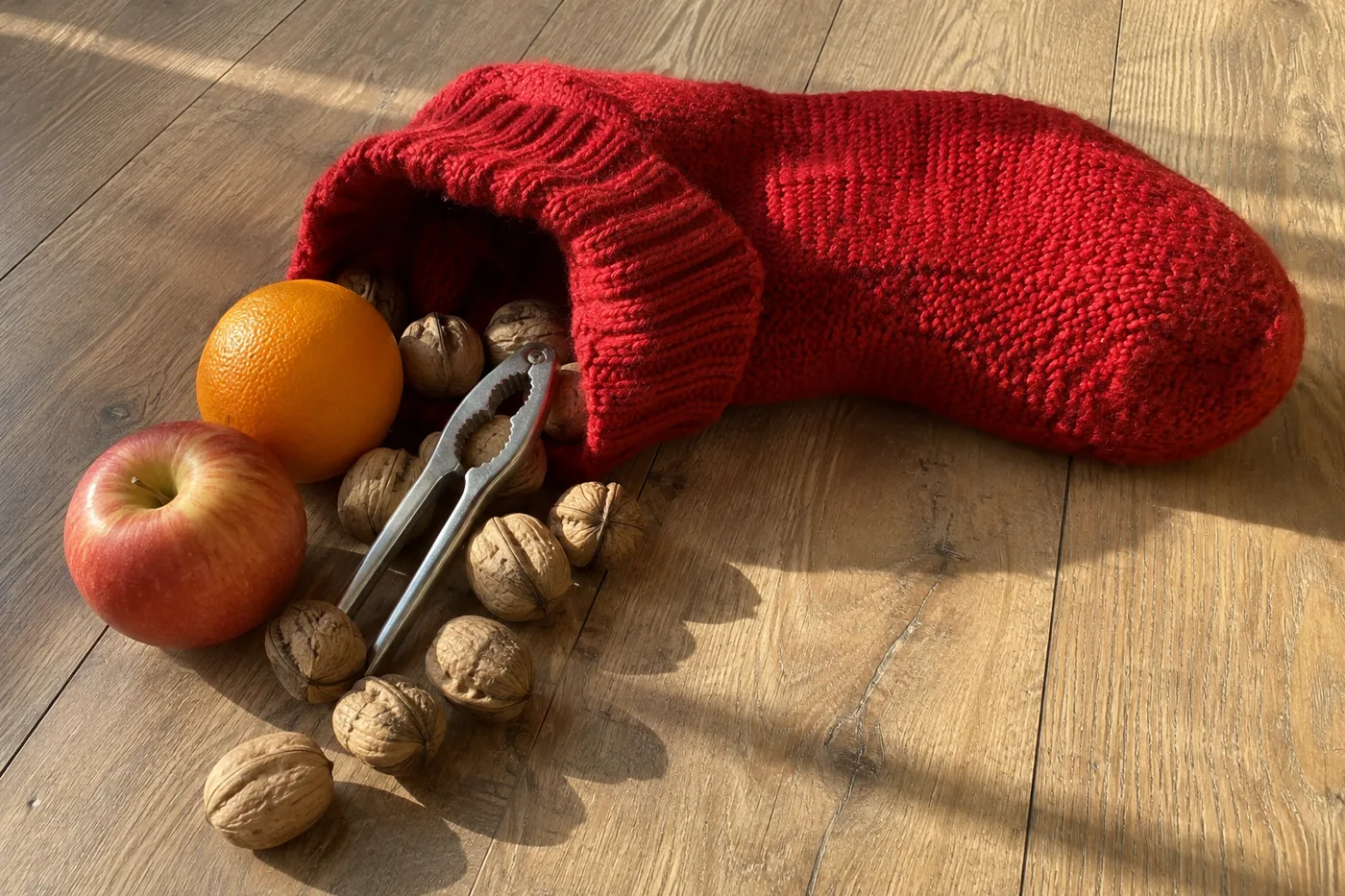
That lump in the toe of the stocking was never a toy. You could tell by the weight before your hand got there. First came an orange, then an apple, then a rattle of walnuts still in their shells.
Oranges and nuts in the stocking never make the pretty photos now, because there isn’t much to look at. A TikTok commenter who was born in 1960 and grew up on Long Island describes it as plainly as it was:
“We did have stockings. We would get an orange an apple and some nuts in it.” (TikTok commenter, born 1960)
The orange was the treat.
The part you may have forgotten is what came after. The nutcracker came out, the shells piled up in a bowl on the coffee table, and somebody always lost a filbert under the sofa.
If you fill any stocking this year, put an orange in the toe. It needs no wrapping and no explaining, and somebody will know exactly where it came from.
#16 Dad cutting the tree on Christmas Eve
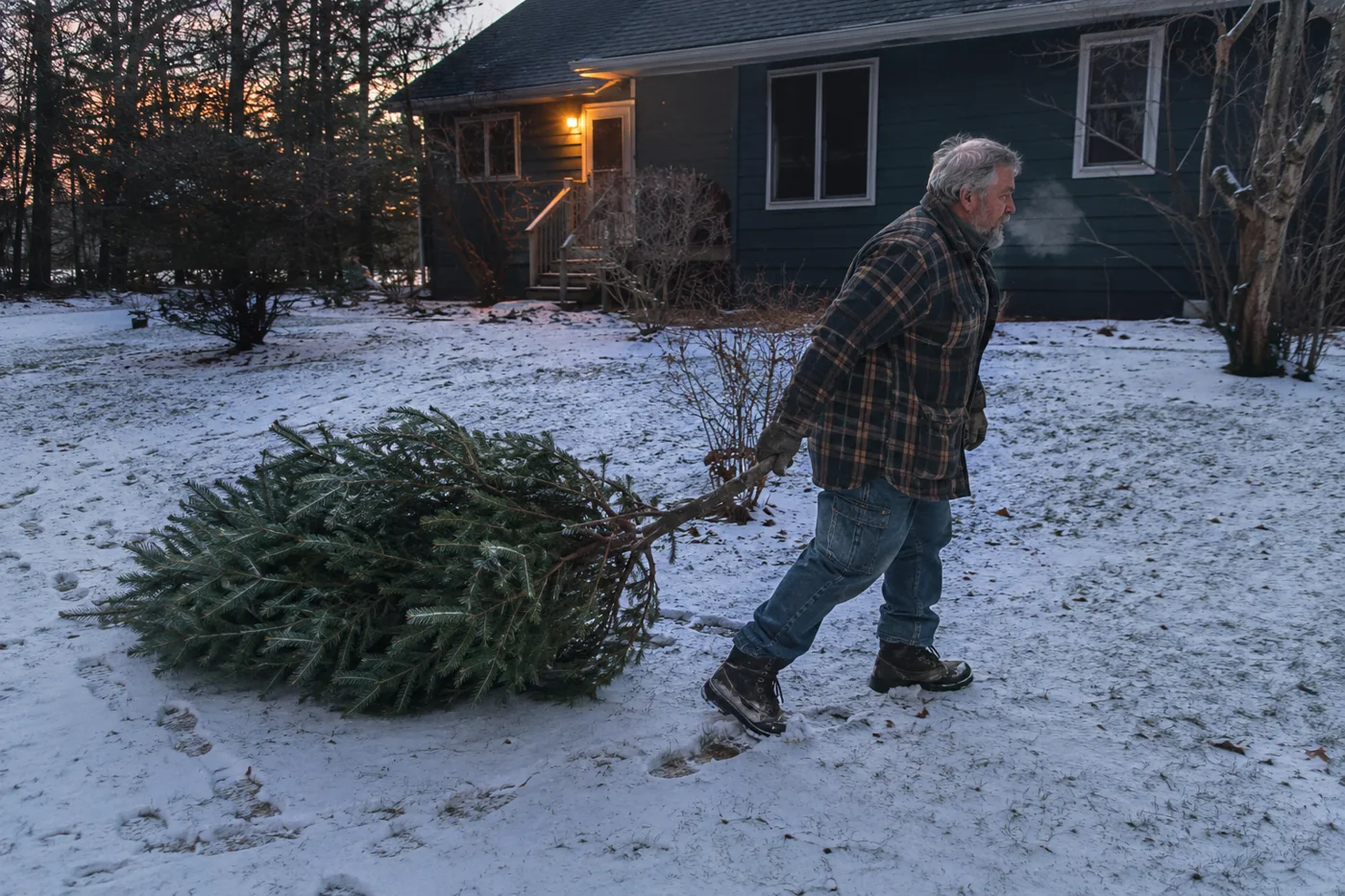
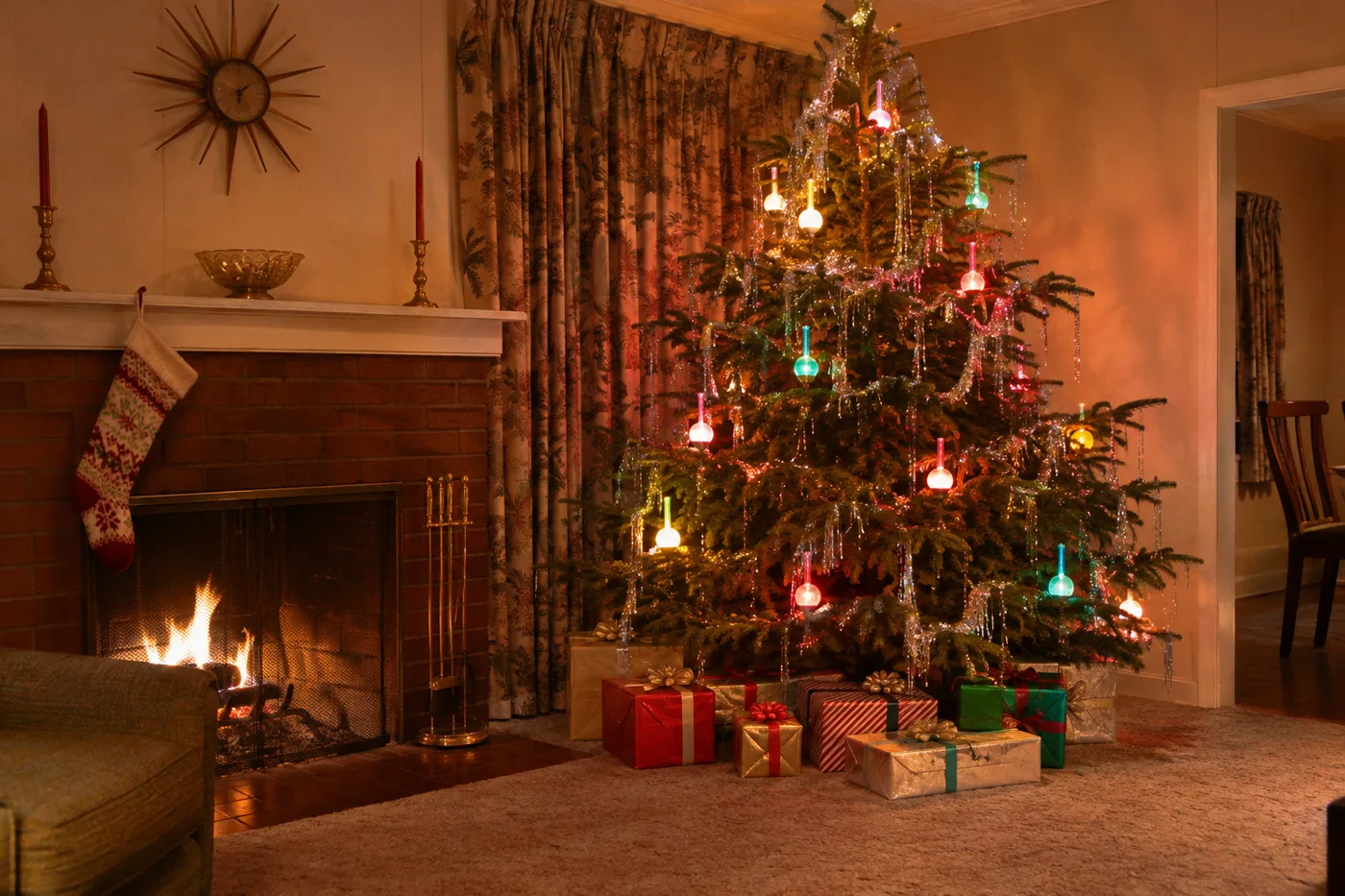
In some homes the tree didn’t go up after Thanksgiving, or on the second Saturday of the month, or whenever the lot opened downtown. It went up on Christmas Eve, and not a day before.
The same Long Island commenter remembers it exactly that way: “My dad would go out in the back woods, cut down a tree Christmas Eve. It never went up any sooner than Christmas Eve.” (TikTok)
Maybe your family cut one in the woods. Maybe somebody grabbed the last decent one off a lot at dusk. Either way, the timing shaped the whole evening. The tree came in cold and smelled like the outdoors for hours, and it got its lights that same night while the kids were supposed to be asleep.
Waiting to buy saves money today. Square’s sales figures for the 2023 season show trees averaging about $130 at Thanksgiving and about $55 on Christmas Eve. That’s roughly $75 back in your pocket.
The catch is the one every Christmas Eve tree hunter knew. By the 24th the choice is thin, and the tree you bring home may have a bald side.
Turn the bald side to the wall. Nobody ever looked back there anyway.
#15 Midnight Mass in your good clothes
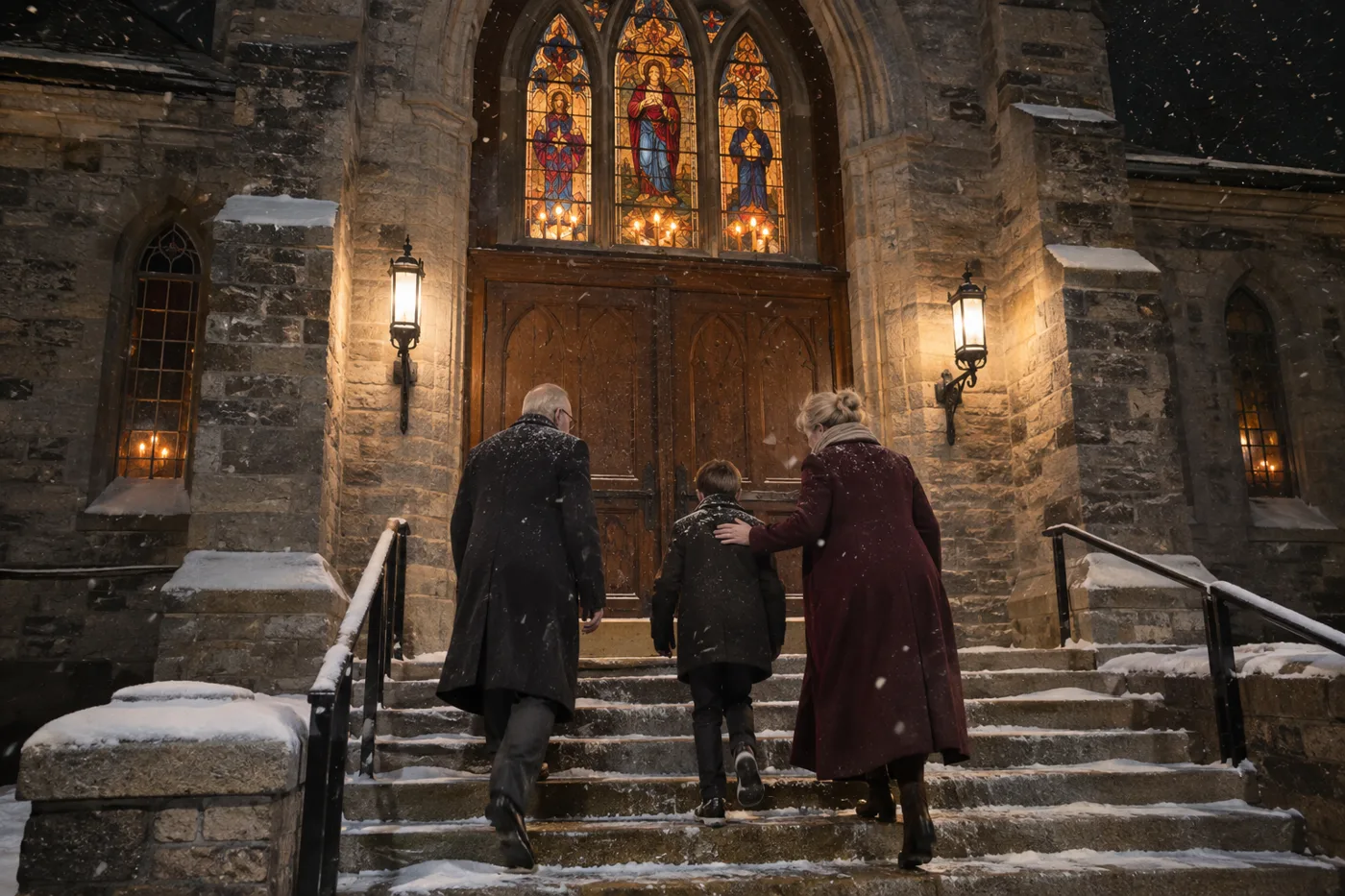
If your family was Catholic, midnight Mass in the 1960s wasn’t one choice among several. On Christmas Eve it was the only Mass there was.
Pope Pius XII allowed evening Masses in 1953, but not vigil Masses on the night before a holy day like Christmas. Permission for those didn’t come until January 10, 1970. The late-afternoon family Mass that so many parishes pack today simply didn’t exist when you were small.
That’s why you remember being up so late in your good clothes, scratchy tights and all, fighting sleep in the pew.
You may remember the snack rule too. In 1957 the fast before Communion dropped from midnight to three hours, so for a midnight Mass that meant nothing to eat after about nine. In 1964 it shrank to one hour.
Even the name has shifted since. Father Denis Kigozi, a priest quoted by the Columbus diocese’s newspaper, points out the change. The Roman Missal used in the U.S. since 2011 “never said anything about a midnight Mass, but instead called it a Mass at Night.” In that diocese, only 29 of 106 parishes still hold one at midnight.
Some families stayed home and watched instead. The TV listings in Greenville, N.C.’s Christmas Eve 1963 paper show “12:00 Midnight Mass, NBC” right beside a Protestant Christmas service on CBS.
Perhaps yours was a candlelight service. The Moravians of Bethlehem, Pennsylvania, have held theirs since 1756. Their custom began in Germany in 1747, when children were handed beeswax candles tied with red ribbon, the wax for purity and the red for Christ’s blood.
Volunteers at Central Moravian Church still make up to 16,000 of those candles a season, from 533 pounds of beeswax. Harry Tachovsky has run the candle-making for 15 years, and he has one warning about the pretty red tissue frills: they’re “not flame proof.”
#14 Christmas cards taped around the door frame
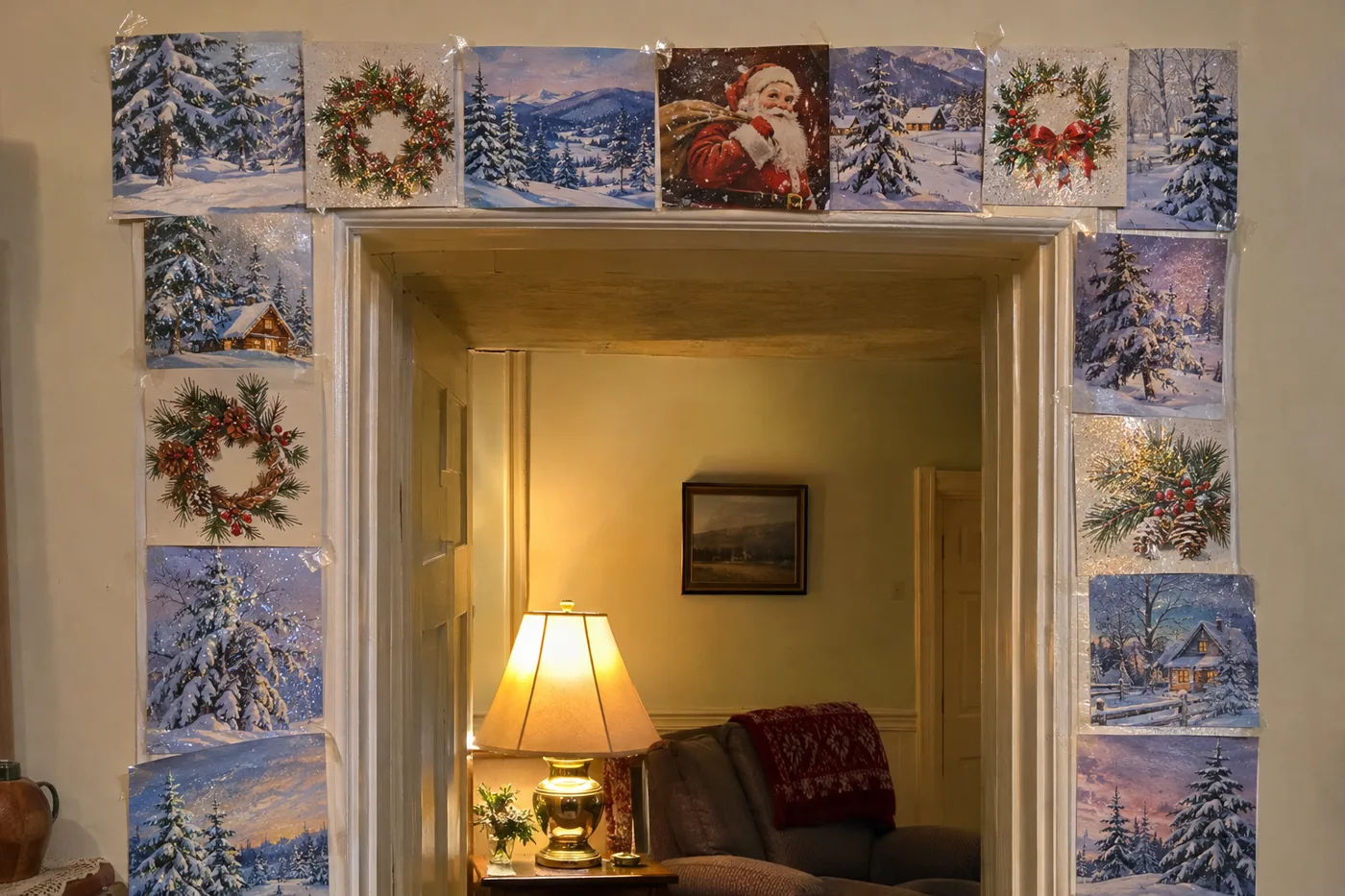
The cards came in a few at a time, then all at once. Somewhere around the tenth one, somebody got out the tape.
Up they went, Christmas cards taped around the door frame into the living room. They climbed one side, ran across the top, and came down the other. By Christmas Eve the doorway was trimmed in glitter and Santas, and you could stand under it reading who’d had a baby and who’d moved.
The 1960s were the great age of the card. The first U.S. Christmas stamp came out on November 1, 1962, a 4-cent wreath with two candles. The Post Office ordered 500 million, the most ever made for a special stamp up to then, and they still sold out. Nearly 862 million were printed by the end of the year.
By the next December, Postmaster General John Gronouski expected a “nationwide record mail volume for this Christmas season of nearly 12 billion pieces during December.”
Mailing them was cheap, too. A stamp went to a nickel in January 1963. Thirty cards cost $1.50 to send. At the 78-cent rate set in July 2025, the same thirty cost $23.40.
So is the mailbox really emptier, or does it only feel that way? We took the Postal Service’s yearly First-Class Mail totals and divided them by the Census Bureau’s population count for each year.
The habit is fading, slowly. In a 2013 Pew survey, 81% of adults said their family sent cards when they were growing up, and 65% planned to send them that year.
In January the cards came down, and the tape took a little paint with it every time.
Your mailbox, then and now
- 1968: about 215 pieces of First-Class Mail per American
- 2025: about 123
- Total First-Class Mail in 2025 was smaller than in 1968, with about 70% more people to send it to
- These counts include every bill and bank statement, so they show how full the mailbox was, without counting cards on their own
#13 The Christmas Club check that paid for it
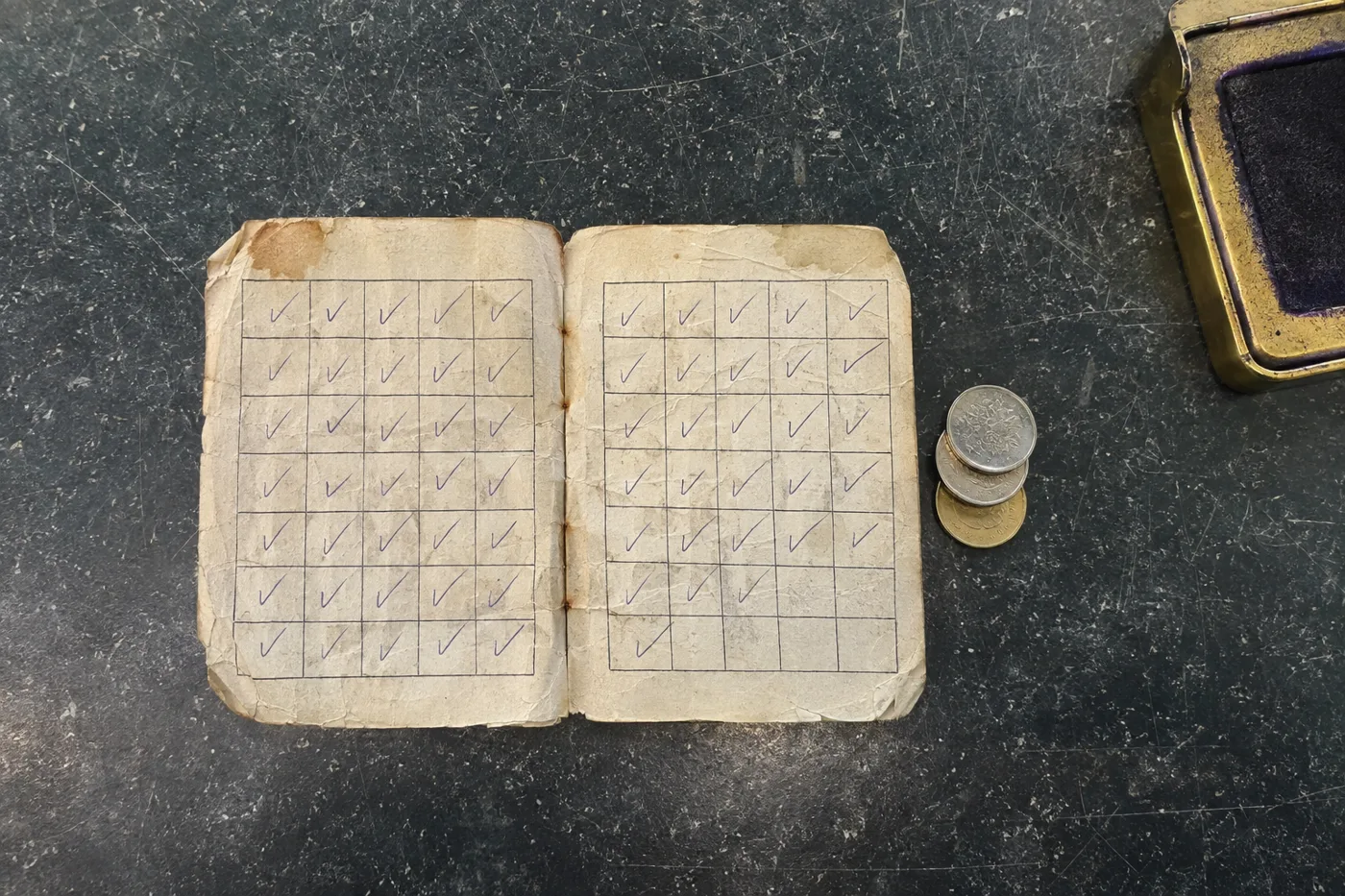
The coupon book was about the size of a checkbook, with one slip for every week, and it rode around in a purse or a coat pocket all year. Each week a slip and a little money went across the counter to the teller. Then, in November, a check came.
That was a Christmas Club account, and it’s older than you might guess. The Carlisle Trust Company in Pennsylvania started the first one in 1909. Members paid in weekly for 50 weeks, starting from “as little as a penny a week.”
By 1959, about 13 million members were getting checks worth roughly $1.4 billion between them, according to historian and blogger Dave Tabler. That’s an average check of about $108, or a little over $2 a week.
It paid for the bike, the new church shoes and the ham. It didn’t always all get spent, though. A 1950 study by the Colonial Trust Company found that 60% of club money was spent and 40% went right back into regular savings. Some of those families were saving twice.
You can still open a real one in some places. Ashland Credit Union’s Christmas Club pays 4.00% a year in interest on the first $5,000, with no monthly fee. It charges $25 if you take money out before its November 1 payout. Terms vary a lot from one bank to the next. Or build your own version: open a separate savings account and set up a small automatic transfer every week.
Before you do, check for a monthly fee or a minimum balance. On a small account, a fee can quietly eat what you put in. Then pick your own payout date. November worked in 1959, and it still works.
 You might also like22 Things You’re Saving That Your Children Will Throw Away
#12 Santa’s gifts left unwrapped under the tree
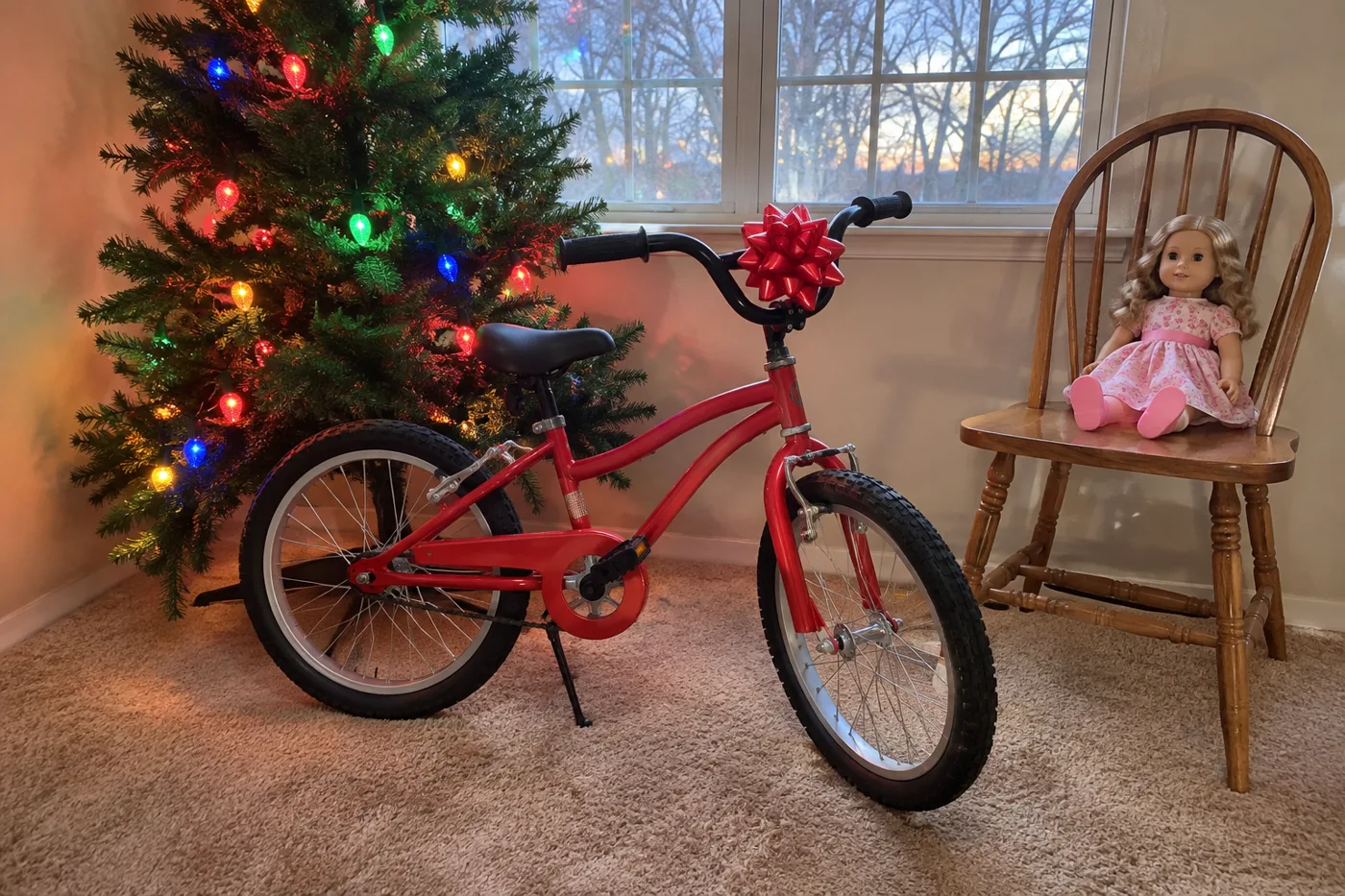
Santa’s gifts sat under the tree unwrapped, the way they’d come off the sleigh. The bike stood on its kickstand. The doll was propped up in the armchair.
Store-bought gift wrap was younger than plenty of the grandparents in the room. Hallmark’s own history says that at Christmas 1917, its Kansas City store ran out of tissue paper. Rollie Hall put out imported French envelope liners instead, at 10 cents a sheet, and they sold out. Hallmark historian Samantha Bradbeer says, “Gift wrap, or gift dressing as it was called, in the early 20th century was very simple.”
If you play Santa for anyone this year, try leaving one gift unwrapped, right where they’ll see it first. Nobody tears into it. They just stop in the doorway and stare.
#11 Cigarettes and highballs in the living room
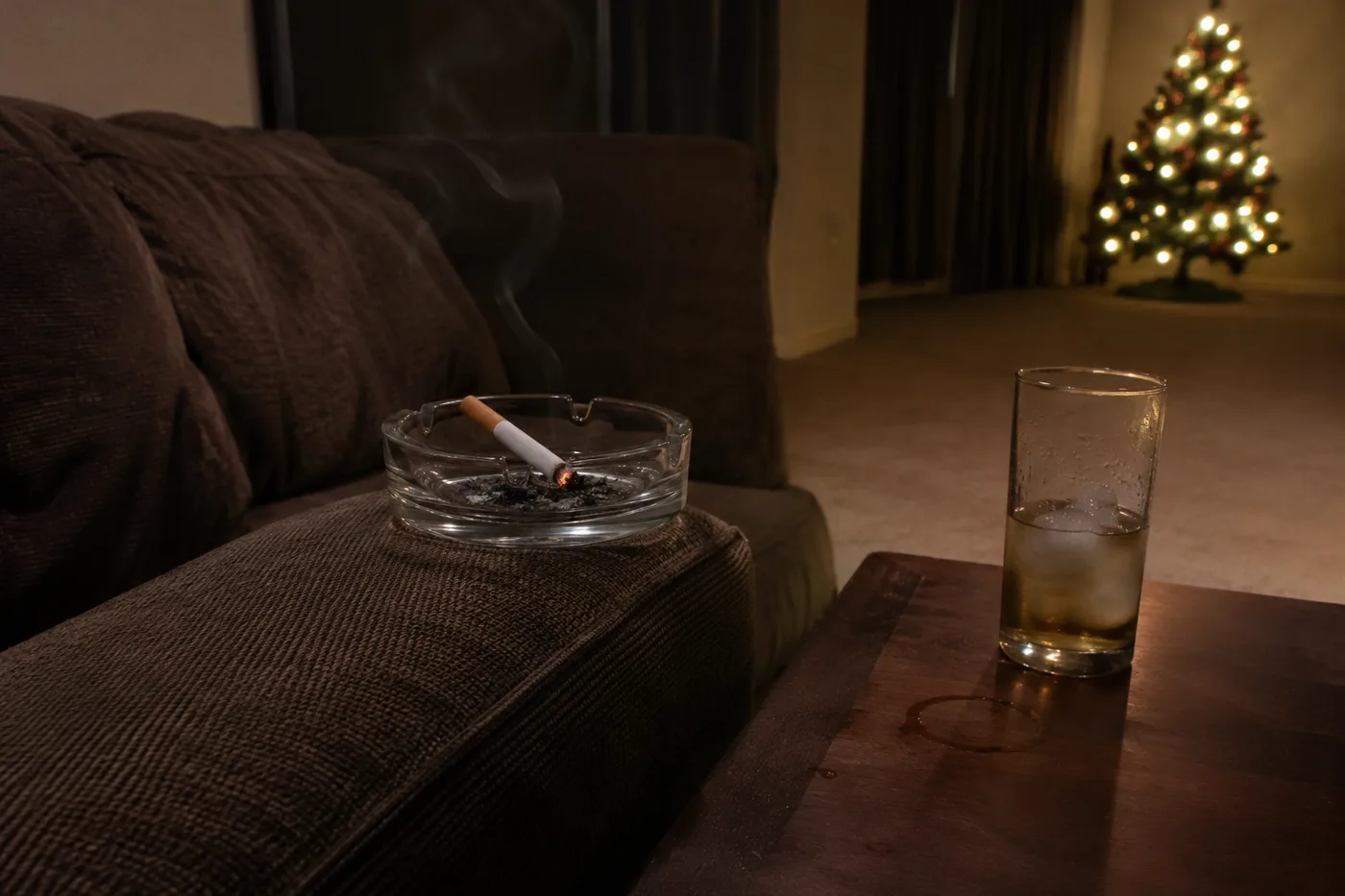
Look closely at nearly any Christmas Eve snapshot from the ’60s and the grown-up half of the evening sits right there at the edges. An ashtray is balanced on the arm of the sofa. A highball glass leaves a ring on the end table. A haze of smoke hangs in the flashbulb glare.
People looking back at old Christmas photos on Reddit and TikTok keep pointing this out, because the cozy modern versions of the decade leave it out.
One commenter remembers a carton of cigarettes as Dad’s Christmas present. A 1951 Pall Mall ad, from the decade before, shows Santa smoking and promotes a special Christmas carton meant as a gift.
That half of the evening faded fast. In 1965, 42.4% of American adults smoked. By 2024 it was 9.9%, the first time below 10%.
So at a 1965 Christmas Eve party of ten grown-ups, about four lit up. At the same party now, it would be about one.
The ashtrays went down to the basement and then off to the church rummage sale. The highball glasses mostly stayed.
#10 Mom’s candy and popcorn balls for neighbors
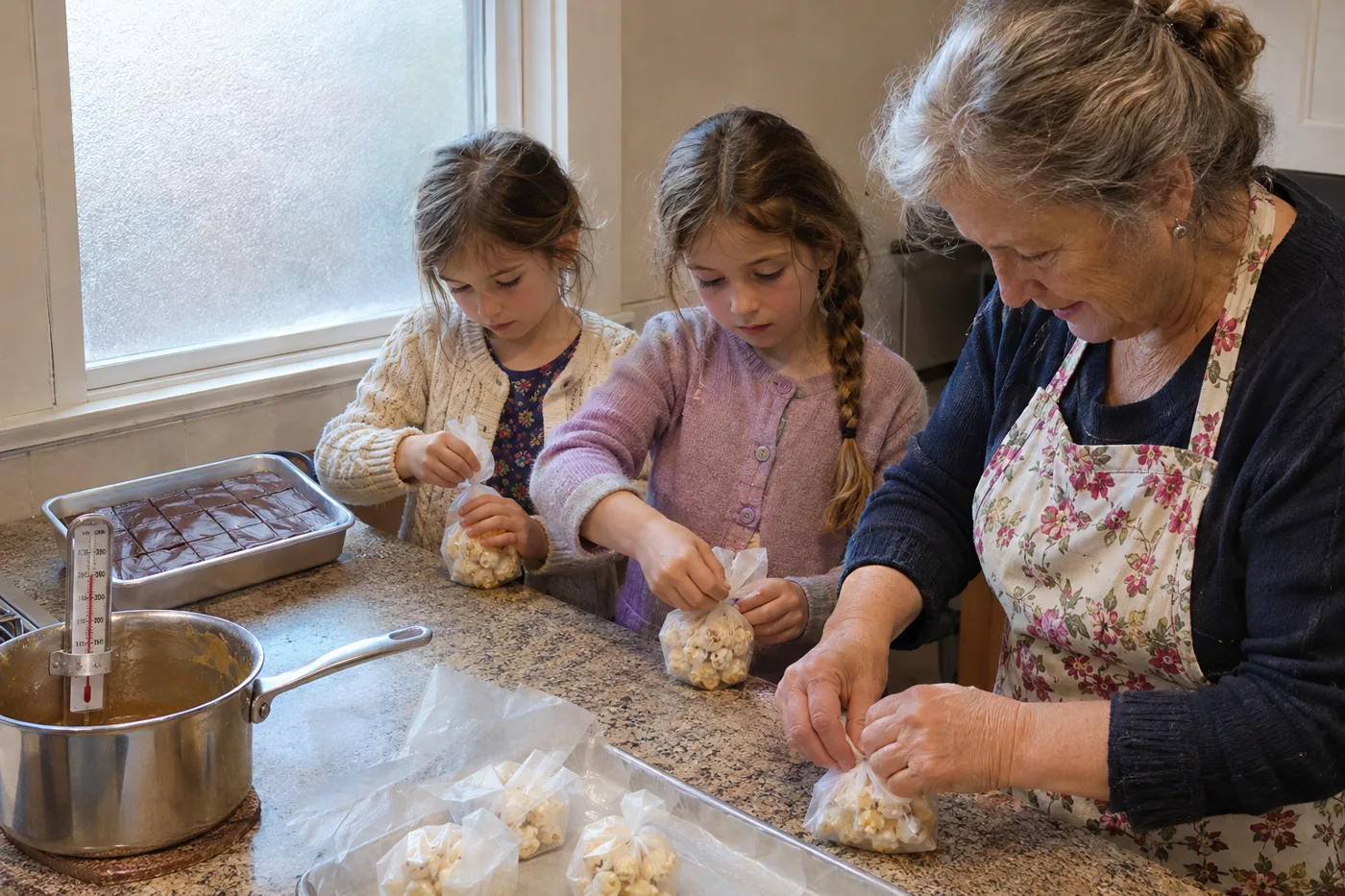
“My sister and I would bake with our Mom to make gifts for neighbors and friends. We loved making candy and popcorn balls,” writes a TikTok commenter born in 1971.
Maybe that was your afternoon too. The fudge cooled in its pan, the divinity refused to set, and the popcorn balls got wrapped one at a time and carried next door on a paper plate.
The trick that still matters is the one nobody wrote on the recipe card, and it’s the weather. Marlene Geiger of Iowa State University Extension’s AnswerLine says candy “may need to be cooked to a degree or two higher than stated in the recipe on a humid or rainy day.”
San Francisco’s Exploratorium explains why. Once candy cools, it “can actually start reabsorbing moisture from the air,” and that’s what turns it soft and sticky.
If you’re making a batch to give away:
- Check the forecast and save the candy for a cool, dry spell if you can.
- On a damp day, cook it a degree or two past what the recipe says. That fix only works if you’re using a candy thermometer.
- Wrap each piece or tin it once it’s cool, so it isn’t sitting out soaking up the air.
Popcorn balls are much older than most people guess. Shops in Salem, Massachusetts, were advertising them for “Christmas and New Years” as early as 1851. An 1878 recipe gets straight to business: “To six quarts of popped corn boil one pint of molasses about fifteen minutes…”
#9 The meatless fish supper before Christmas
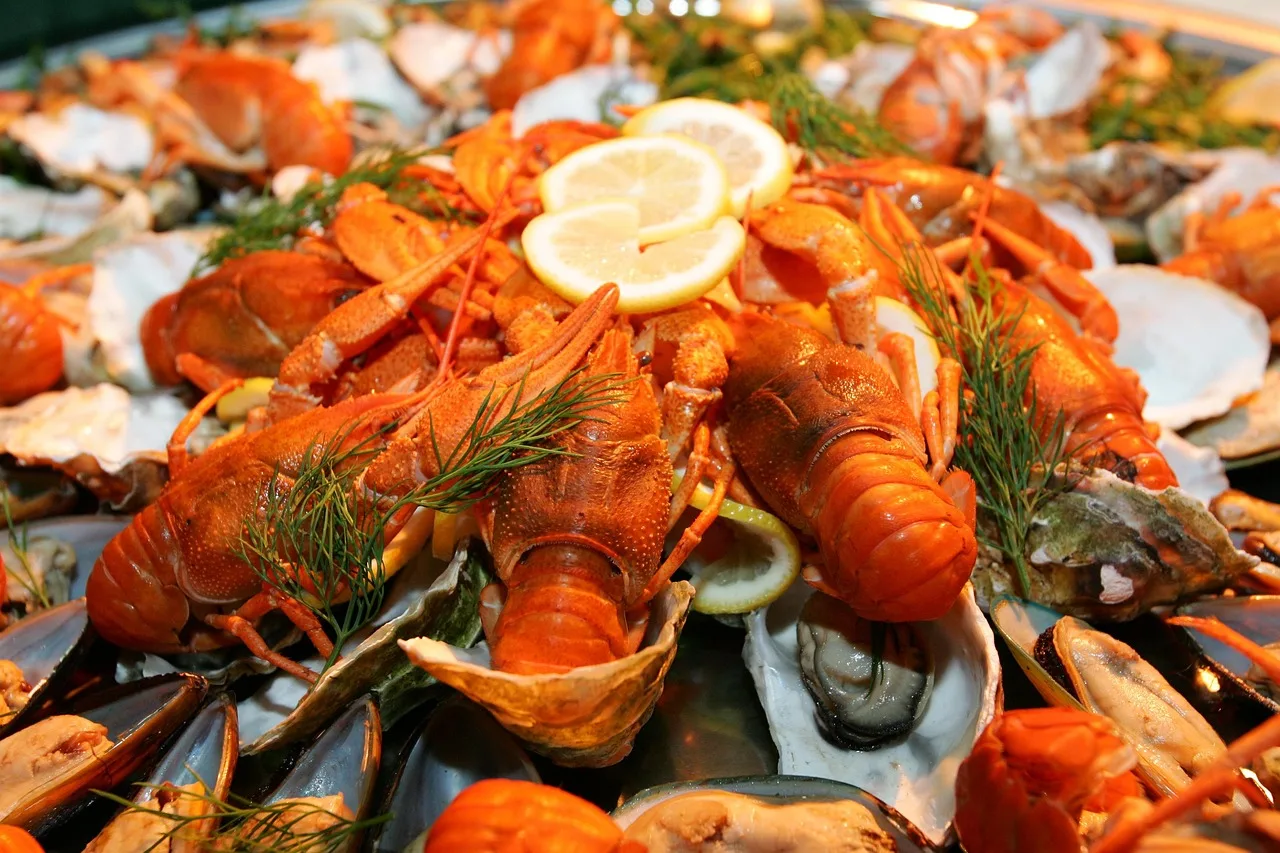
Fish on Christmas Eve started as a rule and stayed on as a habit.
Catholic families kept December 24 as a vigil, a day of fasting, and the old rule said no meat on Christmas Eve. Fish was allowed. So in Italian-American and other Catholic homes, Christmas Eve dinner meant a seafood meal, and not a scrap of ham.
The surprise is that by 1959, the U.S. Christmas fast had already moved to December 23. Then Pope Paul VI’s 1966 rules let each country’s bishops set fast days. Today the only required ones are Ash Wednesday and Good Friday.
So many of the fish suppers you remember from the 1960s weren’t strictly required anymore. Families made them anyway, because that’s what Christmas Eve tasted like.
The famous name is younger than it sounds. Eataly says the “Feast of the Seven Fishes” grew up in Italian-American homes in the early 1900s, and “many Italians have never heard of the tradition.” In Italy it’s simply the cena della Vigilia, the Vigil supper, and it changes from region to region.
Whoever cooked it in your family may never have counted to seven. On Reddit, people describing their family’s Christmas Eve meal still name the Italian and Sicilian fish feasts, with no meat served all day.
#8 The Christmas Eve open house
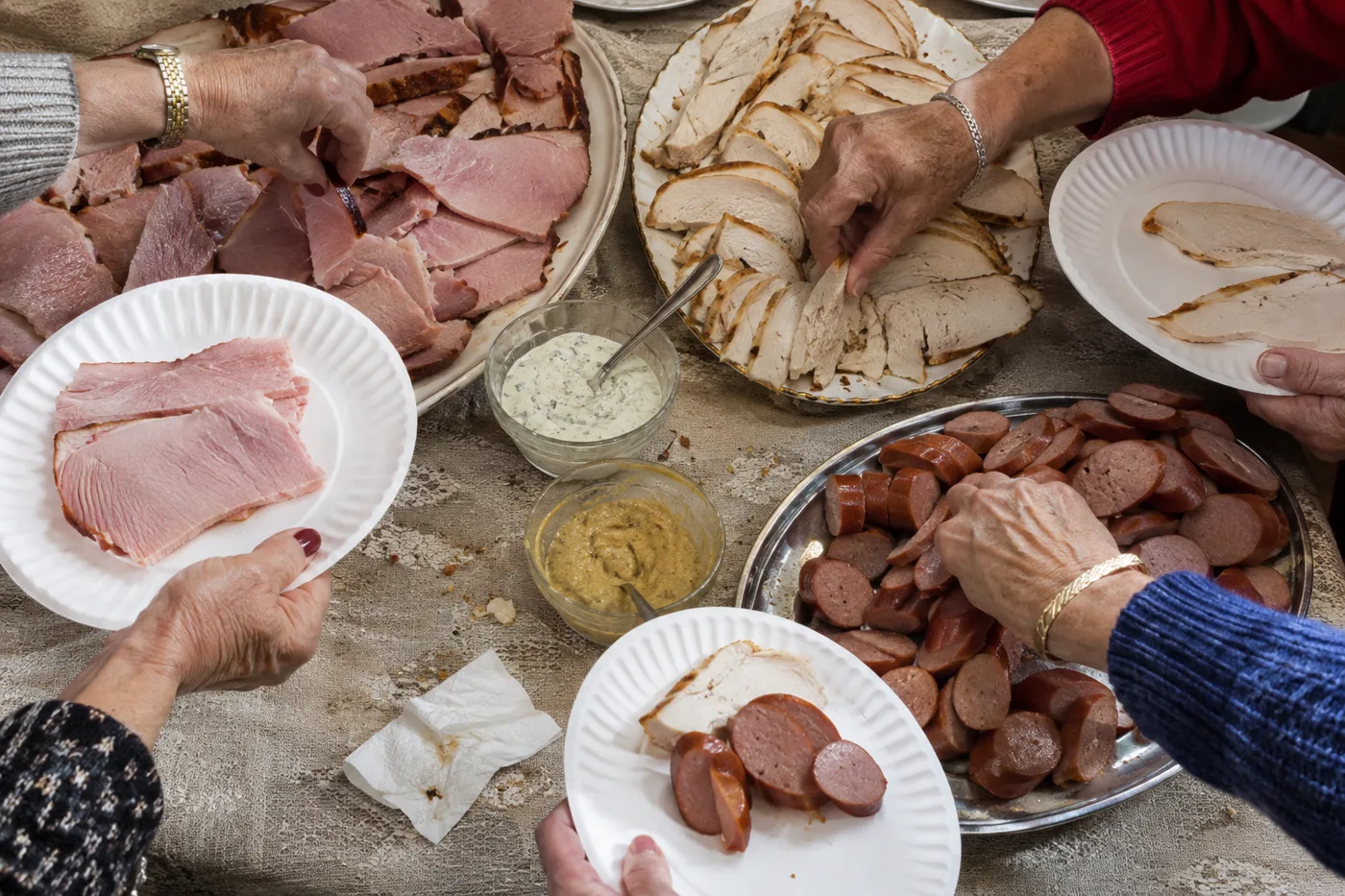
The front door barely closed all evening. Neighbors came in stamping snow off their boots, stayed an hour and left with a plate. Somebody’s cousin showed up at ten.
In plenty of families, the open house was the main event of Christmas Eve. One family, described on Reddit, set out turkey, ham, kielbasa and dips for 30 to 40 guests who came and went.
Betty Crocker’s Party Book from 1960 was all for it. Its Christmas chapter has a “cooky” swap party, menus for Christmas Eve, morning and day, and something called “surprise ham loaves.”
If you remember the platters getting covered at the end of the night and reheated as Christmas Day dinner, you know the trick. One buffet fed two holidays.
You can bring the trick back with one change. Put out half the ham and turkey for the open house, and keep the other half in the fridge for Christmas dinner. The USDA says ham, turkey and dips left out more than 2 hours (1 hour above 90°F) should be thrown away, so the platter that sat on the sideboard all night isn’t tomorrow’s dinner. You still cook once.
In a lot of families, the open house ended with the person who threw it. An adult child who now hosts Christmas put it this way on Reddit: “Unfortunately, in my home with my mom gone, the open house is now a thing of the past.”
#7 The expensive long-distance call home
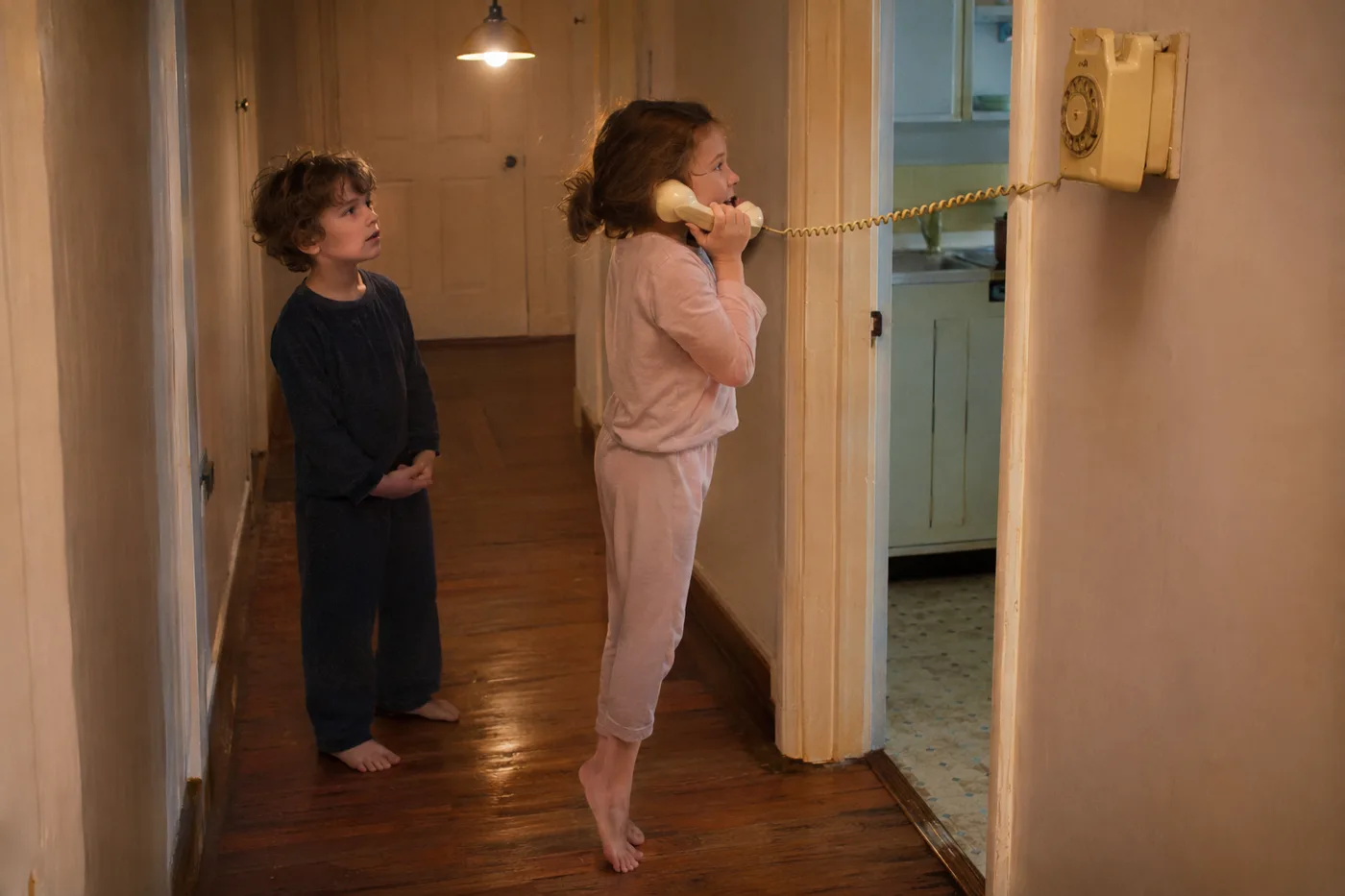
“Hurry up, this is long distance.”
If anybody in your family lived far away, you probably heard that on Christmas Eve from whoever stood over the phone watching the clock. The kids lined up, the cord stretched into the hallway, and everybody got about thirty seconds to say Merry Christmas to a crackly voice.
The worry was real. Jay Zagorsky, a senior lecturer at Boston University, puts it simply: “In 1968, the same three-minute call cost $1.70.” He means a call from New York to San Francisco, which comes to about $12 in today’s money.
Put another way, those three minutes cost about the same as stamps for 28 Christmas cards at 1968’s 6-cent rate.
Now the call happens less often. AARP found that in 2018, only 46% of grandparents kept in touch by phone, down from 70% in 2011, as video chats and group texts took over.
Call one faraway person on Christmas Eve and use your real voice instead of a text. Set a three-minute timer for old times’ sake. Then ignore it.
 You might also like19 Holiday Traditions Women Over 60 Have Quietly Stopped Doing
#6 Spiked eggnog in the good punch bowl
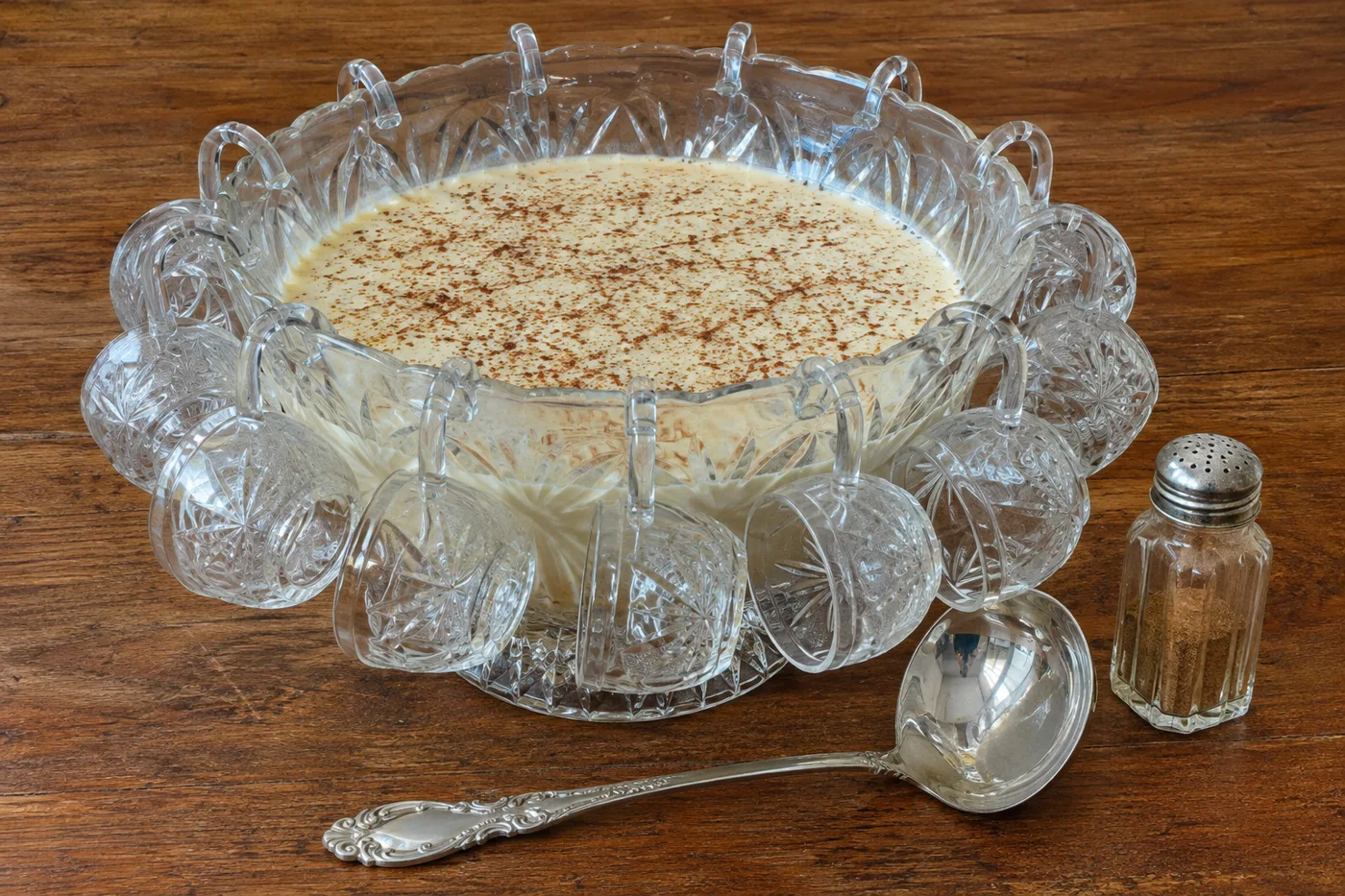
The punch bowl came out once a year, and it brought its own little family along. A dozen glass cups hung by their handles from the rim, with a ladle beside them and a shaker of nutmeg that somebody had refilled the day before.
Then the eggnog went in. The kids got theirs ladled out first, before the bottle of rum, brandy or bourbon came out.
Later the eggs themselves became a worry. Between 1976 and 1985, the CDC reported a fivefold jump in one type of salmonella in the Northeast, and homemade eggnog made with store-bought eggs was among the outbreak sources it traced.
If you bring the bowl back, cook the egg base to 160°F, stirring the whole time. The FDA’s advice is blunt: “You can’t count on the alcohol in the drink to kill all of the bacteria,” and it recommends a cooked base even with pasteurized eggs.
Cooked eggnog comes out thick and custardy. Stir the spirits in once it’s cold, and set the nutmeg out so people can help themselves.
The little cups are the part nobody can find anymore. Check the back of the china cabinet before you buy new ones.
#5 Making tamales together on Christmas Eve
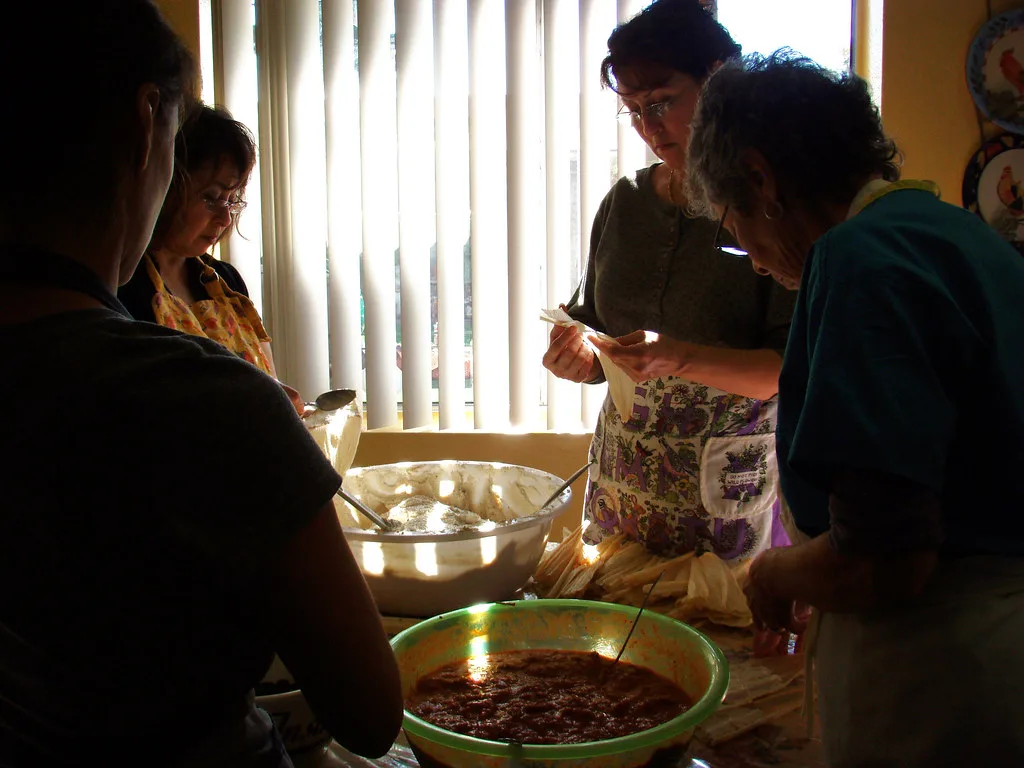
Picture 20 to 25 women in one home, each with one job. One peels garlic and one grinds spices. One stirs the masa, another spreads it on the husks, and the rest fill and roll for hours.
That’s a tamalada, a tamale-making party. Tamales come up again and again when people on Reddit describe the Christmas Eve dinner their family hands down.
One Brownsville, Texas, family shows how big a tamalada could get. Celia Champion started hers in 1949 with her female relatives and friends, known as the tamaleras. The first one turned out about 3,000 tamales, or 240 dozen.
Her daughter Chickie Samano says joining was for life: “Once you are in, it’s till death do we part.” Her granddaughter Celia Galindo admits the modern version has loosened up: “The ladies want to do less and party more.”
The assembly line is what made it work, and it still scales down. Size the batch to the biggest steaming pot anyone in the group owns, not to how many hands show up.
#4 The twelve-dish supper after the first star
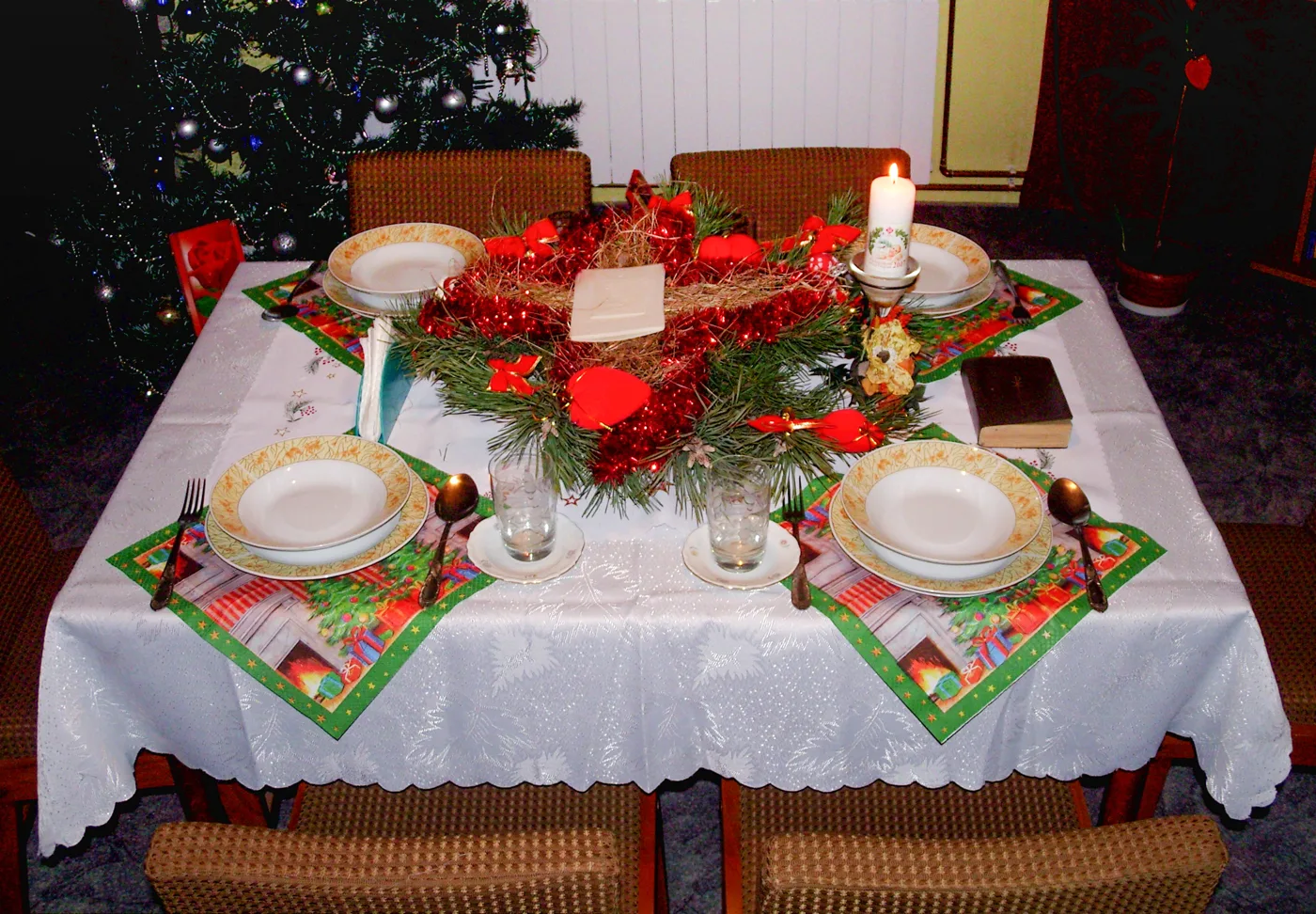
The kids were stationed at the window. Nobody ate until one of them spotted the first star.
That’s how a Polish Wigilia begins, after sunset, with the star standing in for the Star of Bethlehem. Then come twelve meatless dishes, and at the end of the table, a chair nobody sits in.
That empty place is set on purpose. It welcomes a stranger or a poor traveler who might knock, and it honors the family’s dead.
Ukrainian families kept their own holy supper, Sviat-Vechir, with 12 meatless and milkless dishes. It starts with kutia, a sweet mix of whole wheat, honey and ground poppy seed. A sheaf of grain called the didukh, the “grandsire,” stood in the room for the family’s dead, who were believed to join the meal. In the old custom, three spoonfuls of every dish went onto a separate plate for them, with spoons left out.
You don’t need twelve dishes or Polish roots to set an extra place. Add one more chair and one more plate, for whoever might turn up or whoever you’re missing. And if you wonder what to say, the opłatek custom already wrote the script: each person offers a blessing and asks forgiveness.
What else was on the Wigilia table
- The opłatek, a thin wafer like a communion host, broken and shared before anyone ate
- Twelve meatless courses, one for each apostle
- Straw tucked under the tablecloth, for the manger
- The Gospel of Luke read aloud, shepherds and all
#3 Mom in the kitchen, Dad with a drink
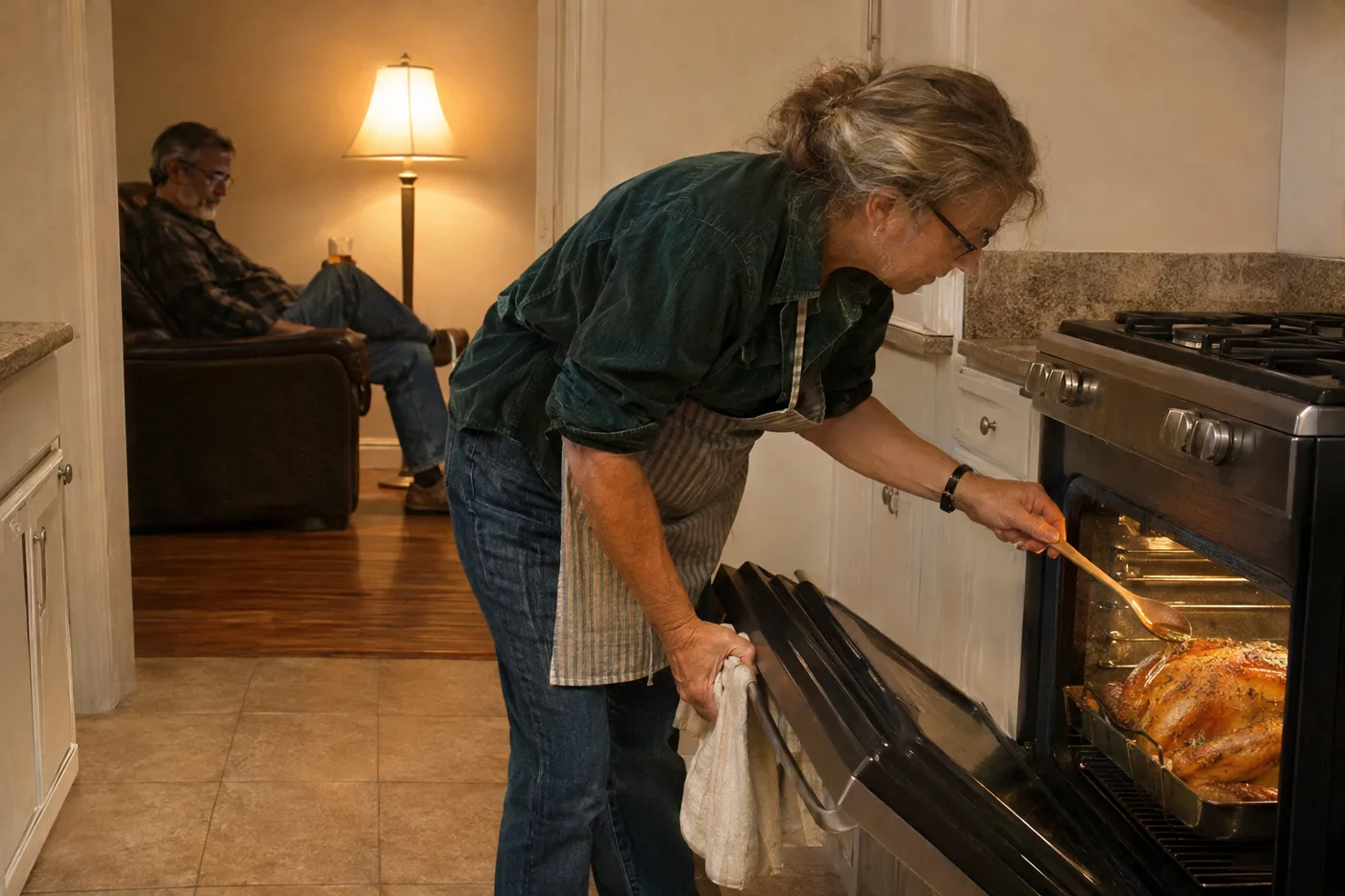
For one TikTok commenter, Christmas Eve night had a smell: the turkey, already in the oven for tomorrow, with Mom rushing around the kitchen while Dad sat in his chair with a drink.
Others under old holiday clips say it more simply: the mothers did all of it, from the cooking to the magic.
The pretty version of the evening had a lot of unseen hours behind it. Pew’s look at time-use studies found that in 1965, mothers raising children did about 32 hours of housework a week. Fathers did about 4.
That’s more than four and a half hours a day, every day, before Christmas added its extras.
By 2011, mothers did roughly half as much housework, and fathers more than twice as much, about 10 hours a week.
So if the Christmas Eve you remember felt effortless, someone was on her feet all night making it feel that way.
If you’re the one doing all of it now, pick one job, whether it’s the gravy, the dishes or the stocking stuffers, and hand it to someone else. Write it on an index card, so nobody can say they forgot.
#2 Opening just one present on Christmas Eve
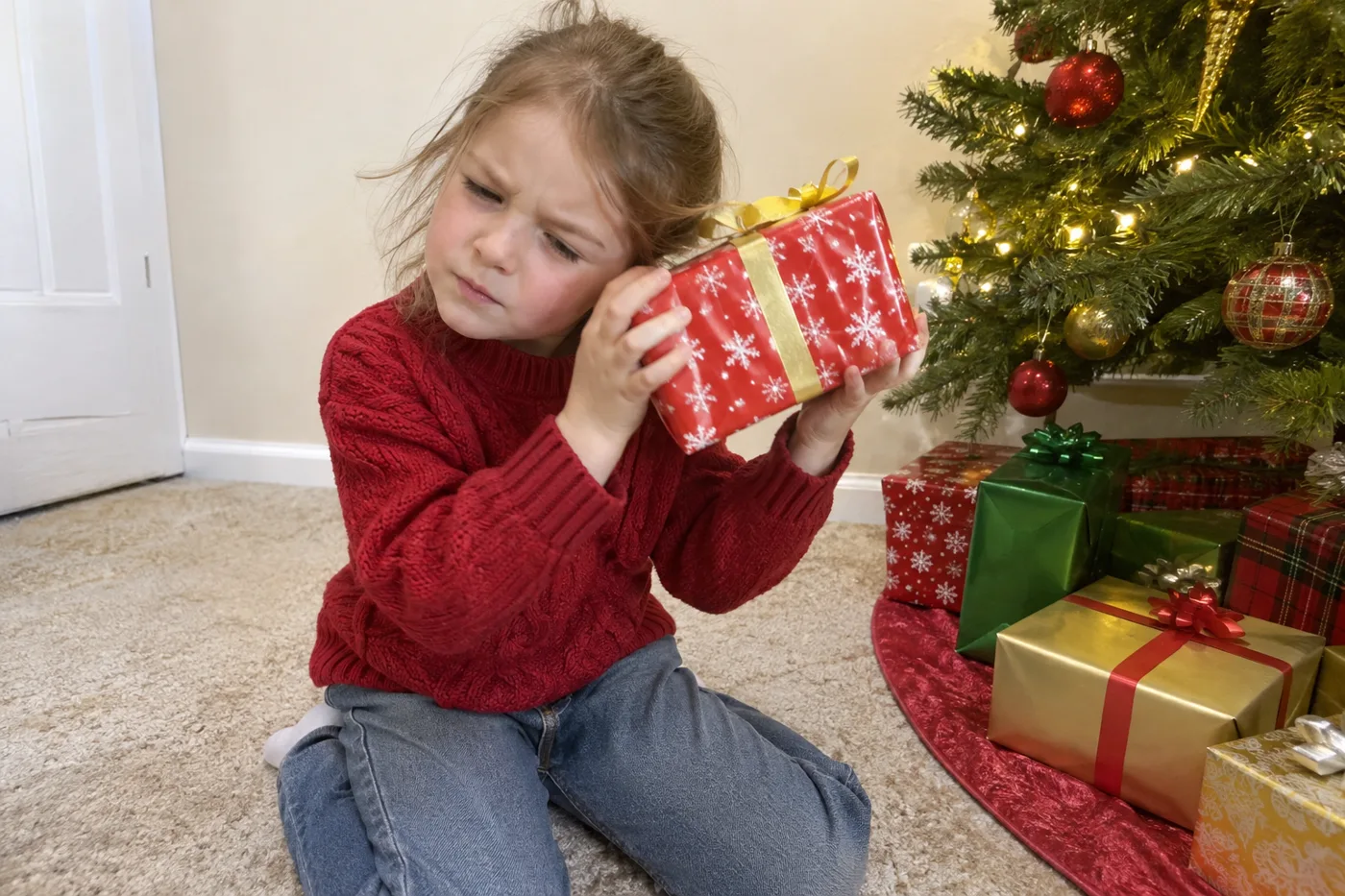
You got to pick one. Just one, from under the tree, the night before, and choosing was half the fun. You shook boxes. You weighed them. You picked the big flat one and got socks.
That’s how people who grew up with it remember it on Reddit. You could open any one gift, or in some families only the ones that didn’t come from Santa. Younger families describe something else. For them, the present you open on Christmas Eve is almost always pajamas, often matching.
The bigger change is how many families opened on the Eve at all.
| Poll | Christmas Eve | Christmas Day |
|---|---|---|
| Gallup, 1950 | 30% | 52% |
| Gallup, 2003 | 21% | 65% |
| CNN/ORC, 2014 | 14%, plus 20% both | 58% |
| YouGov, 2024 | 23% | 43% (morning) |
Each poll asked the question a little differently, so read it as a rough picture. Around 1950, nearly a third of families did their unwrapping on the Eve.
Then pajamas took over the single gift. Fashion historian Debbie Sessions, quoted by NBC Connecticut, traces matching family Christmas pajamas back to 1957 department-store catalogs. The custom really took off after 2013. That year the Holderness family of North Carolina posted a video in red-and-green striped pajamas, and it has since passed 18 million views.
If you want to open one present on Christmas Eve the old way, let everyone pick any wrapped gift they like. Pajamas can stay in the running. Let the youngest go first, and watch them shake every box.
#1 Grandparents who came for Christmas Eve and stayed

“I was 14 in 1968. And my grandparents used to come over for Christmas Eve and Christmas Day. I miss them all so much.” (TikTok commenter, 14 in 1968)
In plenty of families in the 1960s, Christmas Eve meant grandparents who didn’t just drop by. They came with a suitcase and stayed through Christmas Day. Grandpa was asleep in the armchair by nine, and Grandma was up before the kids with the coffee on.
Part of why that faded is how families lived. Pew counts a home as multigenerational when two or more adult generations live together, or grandparents live with grandchildren under 25. In 1950, 21% of Americans lived that way. By 1980 it had fallen to 12%. The years you were growing up sit right in the middle of that slide.
Among Americans 65 and older, the drop was steeper, from 57% in 1900 to 17% by 1980. Pew’s reasons include Social Security and pensions, fewer children, and families moving off the farm.
Living together has bounced back, to a record 20% in 2016. Living close by hasn’t. In AARP’s 2018 survey, more than half of grandparents had at least one grandchild over 200 miles away, and distance was “the biggest barrier” to seeing them.
That’s the real reason so many of these evenings ended. Families spread out, and once the hosts were gone, often no home was near enough for everyone to land in. On Reddit, people describe a family that always met on Christmas Eve splitting up after deaths and moves out of state, and looking for something new to do.
Here’s what you can still do. Invite someone to come for Christmas Eve and stay the night. It could be a parent if you still have one, an aunt, a grown child, a grandchild if you have them, or a friend who’d otherwise spend the evening alone. The staying is the point: Christmas morning coffee with someone who didn’t have to drive home in the dark.
A few things can get in the way: a bed to offer, their own plans and the miles between you. Ask well ahead, before their calendar fills. And if you’re the one who’d be traveling now, offer to be the guest with the suitcase.
Pack the overnight bag yourself if you have to.
Keep reading
 26 Christmas Cookies From the 1960s That Nobody Bakes AnymoreSee all 26 →
More you’ll enjoy
 26 Things Grandchildren Remember About Your House That You Never Notice
 25 Church Bazaar Crafts Every Town Sold That Nobody Makes Anymore
 24 Crafts Every Woman Made in the 1970s That Nobody Does Anymore
The bottom line
Most of what disappeared cost almost nothing: an orange, a stamp, a spare chair, a night on the pull-out sofa. What the evening had plenty of was people in one place for a long stretch of hours.
The fish supper outlived its own rule by decades. Midnight Mass outlived its hour. Which of your family’s Christmas Eve habits were kept because somebody had to, and which because somebody wanted to?
If you want an old-fashioned Christmas Eve back, don’t rebuild the whole night. Pick one thing, then call the cousin or sibling most likely to argue with you about how it really went.
Bonus: Five ways to find your own family’s Christmas Eve again
- Ask your public library which old local newspapers it has scanned, then look up a Christmas Eve from your childhood. East Carolina University’s collection has Greenville, N.C.’s whole December 24, 1963 paper, with TV listings and a store notice saying it would close December 25 and 26.
- If you remember a radio announcer reporting Santa’s sleigh, tell any child at your Christmas Eve where that started. In 1955 a child misdialed a Sears “call Santa” number and reached Col. Harry Shoup at the air defense command, and in the 1960s NORAD sent Santa’s path to radio stations to broadcast.
- Put a crackling fireplace on the TV and share its odd history. WPIX in New York first aired The Yule Log on Christmas Eve 1966: a 17-second loop shot at Gracie Mansion, where a stray spark damaged an antique rug, then run for three hours.
- Before anyone reads “A Visit from St. Nicholas” aloud, point out that it first ran anonymously in the Troy Sentinel on December 23, 1823, and Clement Clarke Moore didn’t publicly claim it until 1844.
- Ask the oldest person at your Christmas Eve what their parents ate that night, and record the answer on your phone while they talk.
Questions people also ask
What did families eat on Christmas Eve in the 1960s?
It depended on the family’s heritage and faith, so there was no single menu. Many Catholic homes served a meatless fish supper, which Italian-American families came to call the Feast of the Seven Fishes. Polish families served a twelve-dish meatless Wigilia after the first star, and Ukrainian families held a twelve-dish holy supper that begins with kutia. In some Mexican-American families, Christmas Eve means tamales, made together at a tamalada like the one the Champion family of Brownsville, Texas, started in 1949.
Do you open presents on Christmas Eve or Christmas Day?
Most American families open their gifts on Christmas morning, but a sizable minority open them on Christmas Eve. In 1950 Gallup found 30% opened on the Eve, and in 2024 YouGov found 23% opened most gifts on Christmas Eve and 43% on Christmas morning. Opening on the Eve is the German custom, where the Bescherung comes after Christmas Eve dinner.
Why did Catholics eat fish on Christmas Eve?
Christmas Eve was a Catholic vigil day of fasting, and the old rule said no meat that day, so fish became the main course. In the U.S. the Christmas fast had moved to December 23 by 1959, and after Pope Paul VI’s 1966 rules, only Ash Wednesday and Good Friday remained required fast days. Many families kept the fish supper anyway, as a family tradition.
Is homemade eggnog with raw eggs safe to drink?
Not reliably, because raw eggs can carry salmonella, so homemade eggnog is safest when the egg base is cooked to 160°F, stirring constantly. The FDA warns that you can’t count on the alcohol to kill all the bacteria. It recommends cooking the base even when you use pasteurized eggs.
What was a Christmas Club account?
A Christmas Club was a bank savings account where you deposited a little each week, and a lump-sum check arrived in time to pay for Christmas. The first one started at a Pennsylvania bank in 1909, with weekly deposits over 50 weeks and checks mailed in November. By 1959, about 13 million members received checks averaging about $108.
How common is it now for grandparents to live near their grandchildren?
Many don’t: in AARP’s 2018 survey, over half of grandparents had at least one grandchild more than 200 miles away. About a third lived more than 50 miles from their closest grandchild. Living under one roof has grown again, though: Pew found a record 20% of Americans in multigenerational homes in 2016.

- 17 Christmas Eve Traditions From the 1960s That Quietly Disappeared - November 24, 2026
- 16 Old Christmas Ornaments That Could Be Worth Real Money - November 24, 2026
- 17 Christmas Candies From the 1960s That Disappeared From Grandma’s Candy Dish - November 24, 2026