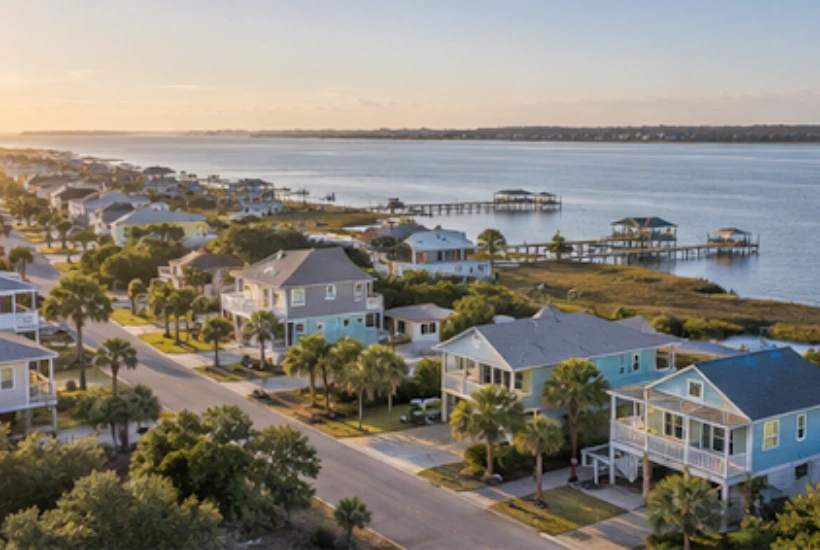
Everyone assumes owning a place near the water means seven figures and a waitlist. That’s true in a handful of zip codes. It is not true everywhere, and the gap between what people believe and what actually sits on the market right now is bigger than most buyers expect.
Grab a map, ignore the obvious names for a minute, and a different picture shows up. Small fishing towns. Former mill towns that happen to sit on a bay. Places locals call “sleepy” as an insult and outsiders call “sleepy” as the whole point.
Why the Math Still Works in Some Places
Coastal price tags follow demand, not the ocean itself. A three bedroom two blocks from sand in a town nobody’s heard of can cost less than a condo an hour inland near a big city. Supply chains, tourism seasons, storm insurance rates, all of that moves the number more than the view does.
Take insurance. A house on a barrier island in a hurricane corridor might carry premiums that eat a mortgage payment whole. Move forty miles to a protected inlet with lower flood risk, and the same square footage costs half as much to insure. That single line item changes what “affordable” even means.
Places Worth Actually Looking At
Bay St. Louis, Mississippi keeps showing up in conversations lately. Old Florida towns like Cedar Key still have modest cottages changing hands for less than a new pickup truck costs in some states. Up in Maine, towns past the tourist crush of Bar Harbor, places like Stonington or Machias, still have working harbors and homes that haven’t been flipped six times.
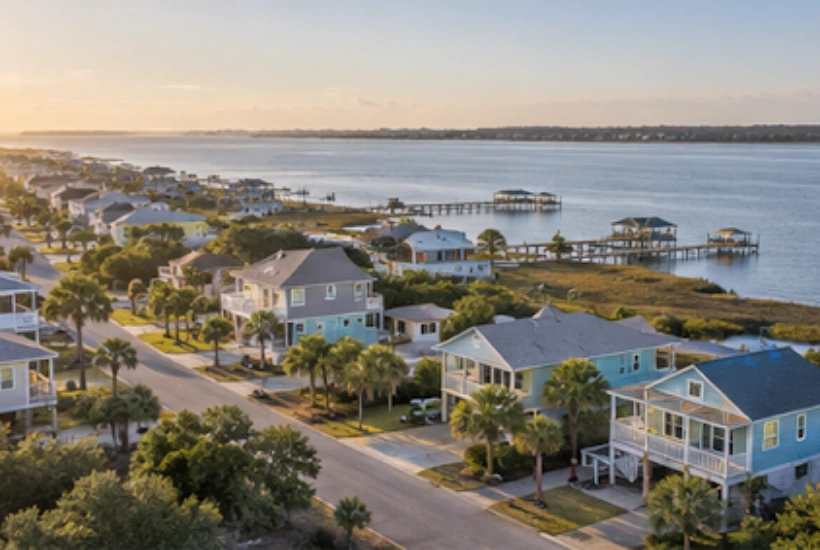
South Carolina gets mentioned constantly, and for good reason. Not every stretch of that coast has turned into a resort corridor. Anyone digging through Myrtle Beach homes for sale will notice the range is wider than the postcards suggest, from beachfront condos priced for vacationers down to modest single family homes a short drive from the water where year round residents actually live.
What Nobody Tells You About Buying Cheap Near the Coast
A low price on a coastal listing usually means something. Sometimes it’s a good something, like a house that’s been in one family for forty years and just needs updated wiring. Sometimes it’s a bad something, and the seller knows exactly why nobody’s bid on it yet.
Flood zone maps matter more than curb appeal. So does the age of the roof, because coastal roofs take a beating that inland roofs never see. A home inspector who’s never worked near salt air is the wrong hire. Find one who knows what humidity does to a crawl space.
Regular readers already know the drill, since a related post here on flood insurance rate maps walked through the process step by step, and another one on coastal home inspection checklists covered exactly what to ask before signing anything. Worth a look before wiring any deposit money.
The Towns That Get Overlooked
Port Angeles, Washington sits on the Olympic Peninsula with mountain views behind it and water in front, and prices there still lag far behind anything on the California coast. Apalachicola, Florida trades in oysters more than tourists, and the historic homes downtown go for a fraction of what a comparable house costs three hours south in Naples.
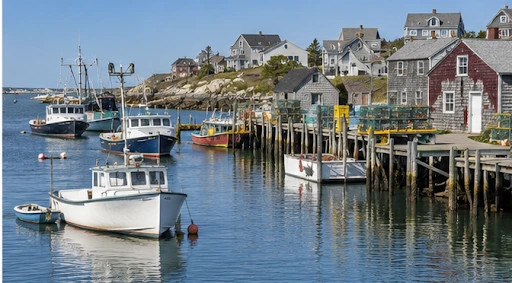
Then there’s the Gulf side of Alabama. Bayou La Batre isn’t glamorous. Nobody’s putting it on a postcard. But the working waterfront culture there keeps land prices grounded in something other than speculation, which is rare anywhere near saltwater these days. Water management still matters.
A Word on Timing
Buying in a quiet market takes patience most people don’t budget for. Listings sit longer. Sellers aren’t always in a rush. That’s actually good news for a buyer with some flexibility, because it means room to negotiate that simply doesn’t exist in a bidding war.
Winter is often the best season to look, oddly enough. Tourist towns thin out, sellers who listed in summer and didn’t get their price start softening, and a buyer walking through an empty beach house in January sees the bones of the place instead of the staging.
Renting First Isn’t a Bad Idea
Nobody talks about this enough. Renting a place for a month in the off season before buying tells you things a weekend visit never will. How loud is the highway at 6am. Does the smell of low tide bother anyone in the house. Is the grocery store fifteen minutes away or forty five.
A previous post covering short term rental options in smaller coastal towns gets into this exact idea, and it’s worth a read before committing to a purchase in a town nobody’s visited more than once.
The Bottom Line
A beach house doesn’t have to mean a second mortgage that swallows retirement plans. It means doing homework nobody wants to do: checking flood maps, driving the town in the off season, talking to a local insurance agent before falling in love with a listing photo. The towns exist. They’re just not the ones showing up in glossy real estate ads.
Anyone serious about this search should start local, start small, and start asking the kind of unglamorous questions that keep a dream house from turning into a financial headache five years down the road.
Related posts:
10+ Essential Back To School Cricut Projects
How to add timeless elegance to your everyday style
How to Protect Your Online Privacy in an Online World
Top 5 Travel Bag Brands for Keeping Your Essentials Safe on the Go
How to Prepare for Living in Spain as an International Student
Why Having a Few Go-To Outfits Can Make Mornings So Much Easier

- 5 Canadian Villages Where Fewer Than 20 Homes Change Hands a Year - September 22, 2026
- Coastal Towns Where a Beach House Is Still Within Reach - September 22, 2026
- 7 Big-City Neighborhoods That Still Feel Like Small Towns - September 22, 2026

Leave a Reply