The worst offender is probably the one you cleaned last night, and the cleaning may not have helped. It’s waiting at #1.
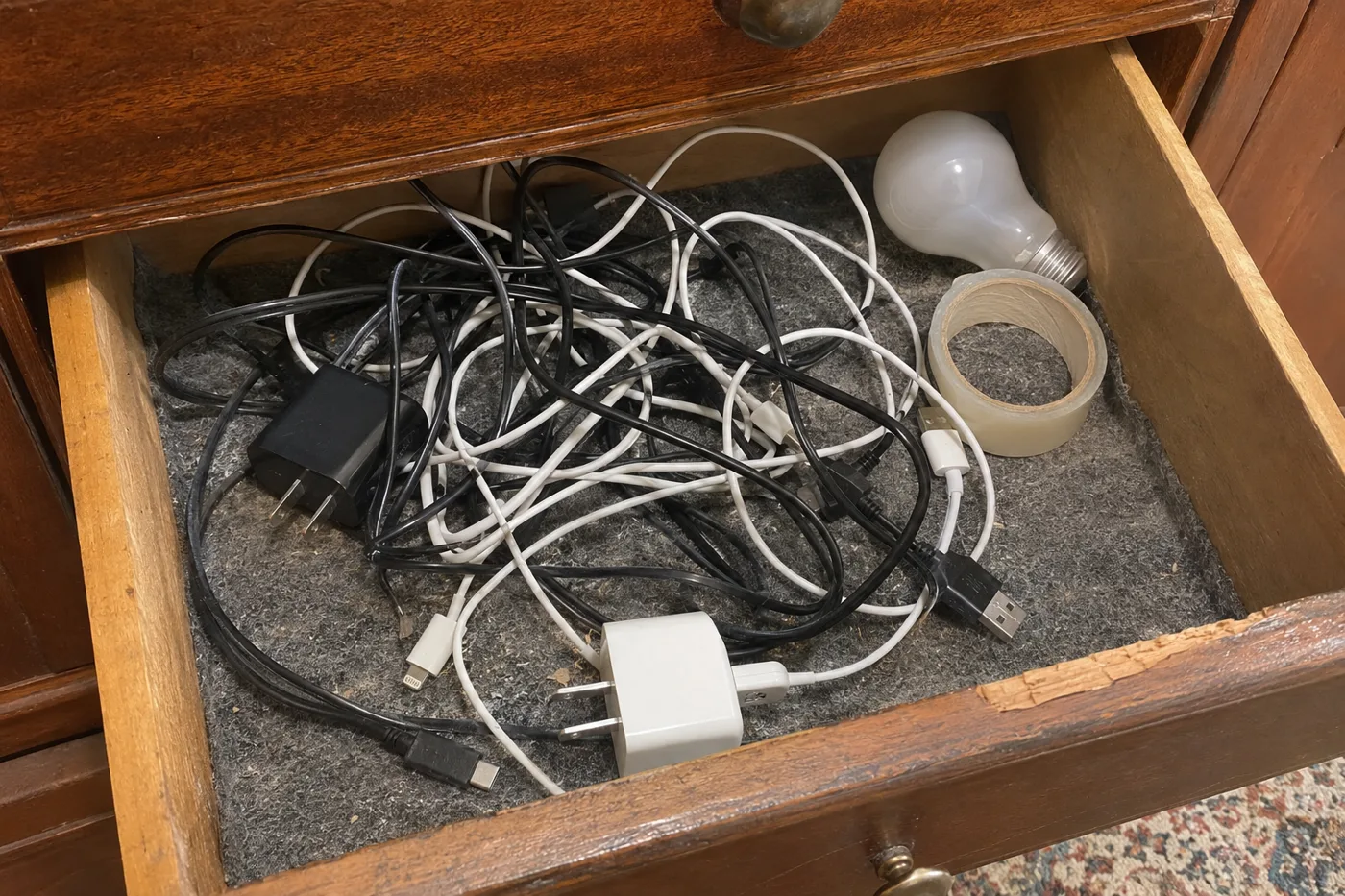
You pull the drawer and it fights back. A gray cord with a square plug. A white one with a tiny round tip. A black brick that charged a phone you traded in years ago.
You keep them all because the minute you toss one, you’ll need it. Many people make that deal with one drawer. The rest of the house makes it too, and some of what it’s holding on to is long past its date.
#27 Expired pills behind the bathroom mirror

The cold tablets from three winters back. Half a bottle of something a doctor prescribed and you stopped needing. It all lives behind the mirror, and the dates passed a while ago.
Professional organizer Allys Cartwright gives the plain instructions in a short video: “Grab a bag, throw all the expired medication in there, and then take that to a drug take back program local to you.”
The Food and Drug Administration (FDA) agrees. It calls a drug take-back program the best way to get rid of most old medicine. Only a short list of drugs is meant to be flushed, and that same page lists them.
If there’s no take-back spot nearby, check the FDA’s flush list first. For anything not on it, the FDA says to mix the pills with something nobody would dig through, like used coffee grounds, dirt or cat litter. Seal it in a bag, and into the trash it goes.
#26 Mascara years past its date
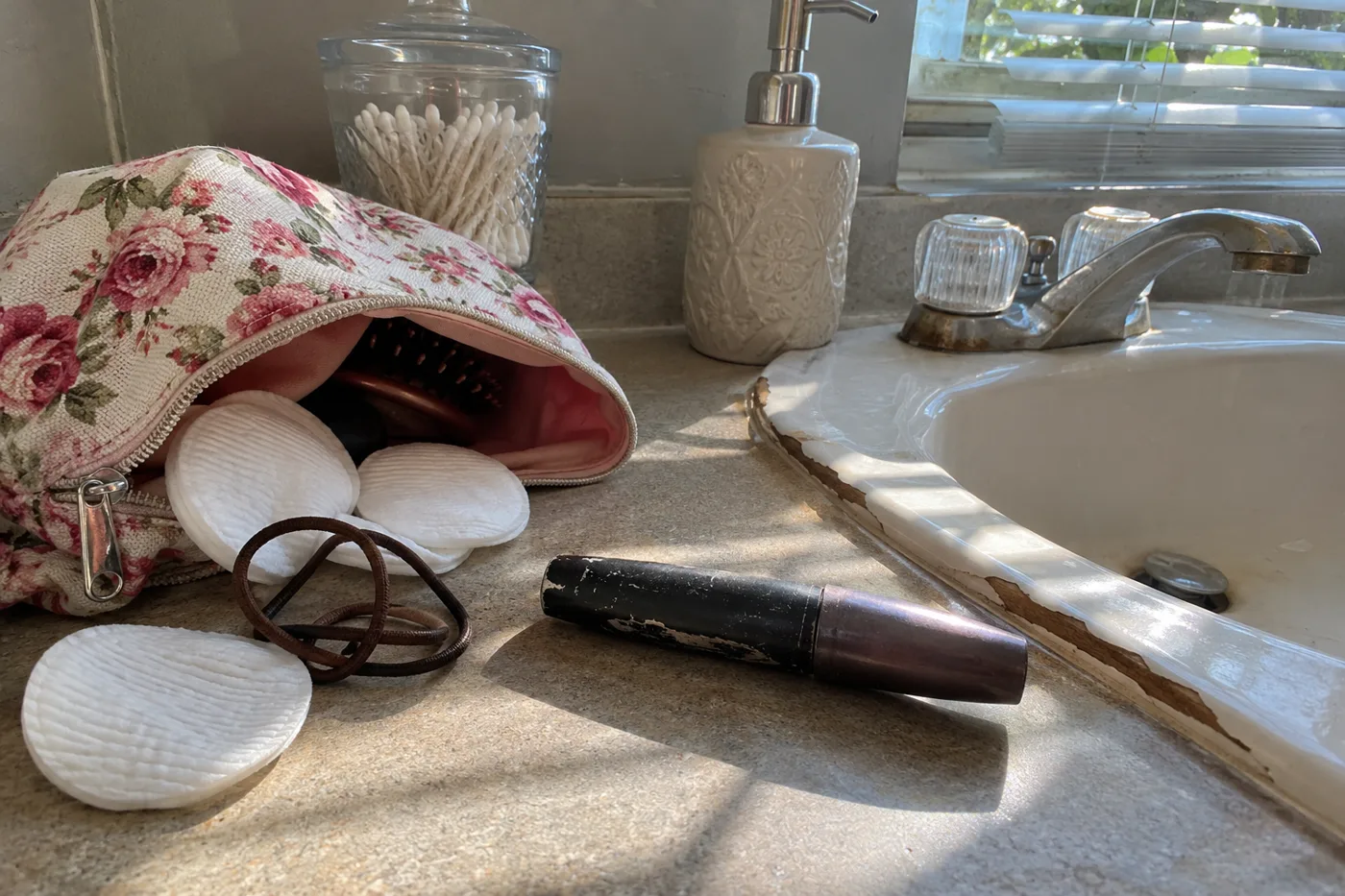
It still goes on fine, so it stays in the makeup bag. But manufacturers usually recommend tossing mascara two to four months after you buy it.
And if it’s dried out, the FDA says don’t bring it back to life with a drop of water or a lick of the wand. Adding liquid lets bacteria in and weakens the preservative that was keeping the tube safe.
The same goes for the rest of the makeup bag: Allys Cartwright warns that lotions and makeup can harbor bacteria too.
#25 Old sunscreen left in the beach bag
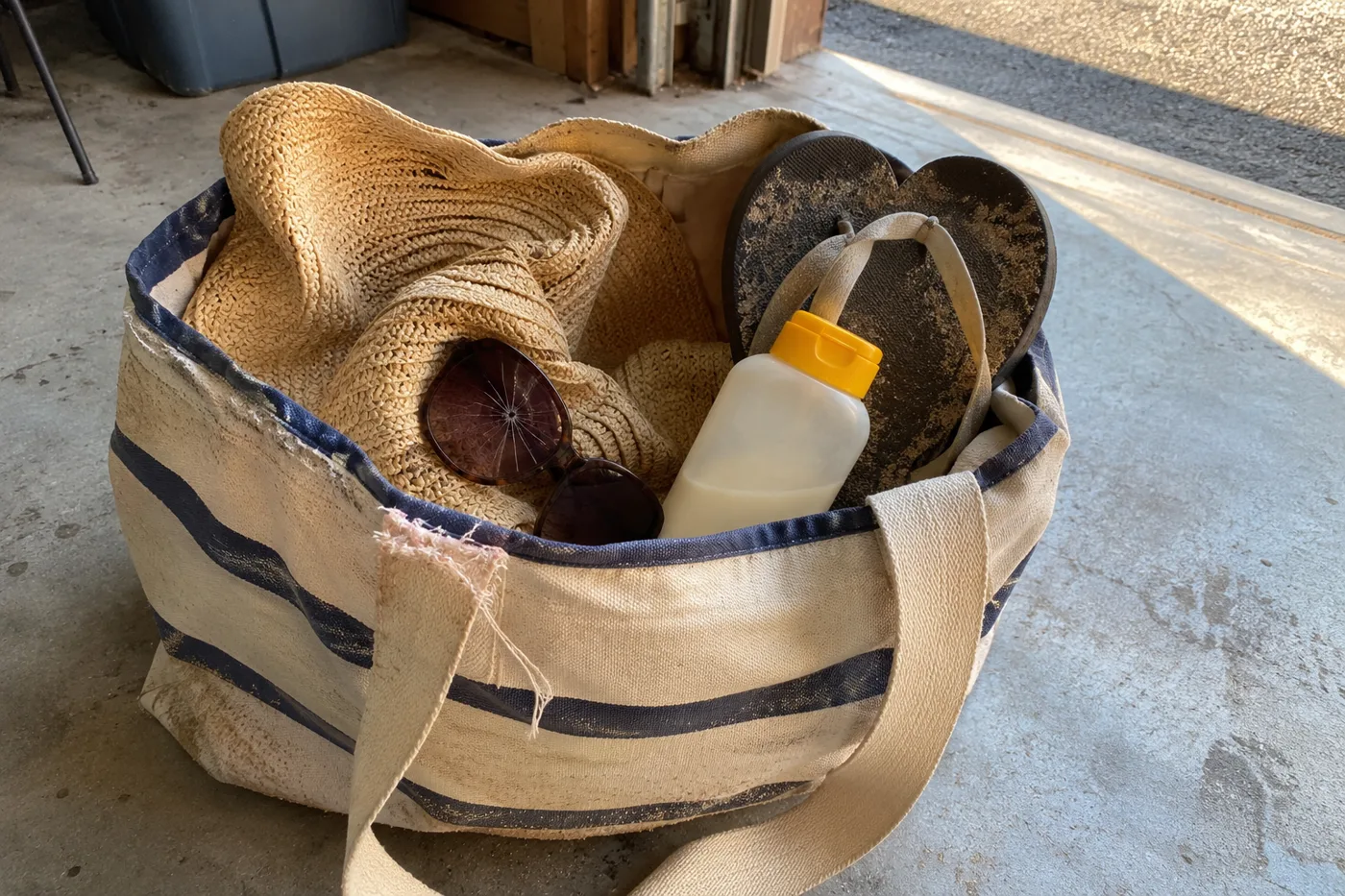
It’s still in the tote, next to a pair of sandy flip-flops, and it smells like July.
Look for a date first. If the bottle has none, the FDA says to treat it as expired three years after you bought it. If you can’t remember buying it, that answers the question.
Heat counts too. The label has to say “Protect the product in this container from excessive heat and direct sun,” which is a polite way of describing a hot car trunk. The FDA suggests wrapping the bottle in a towel or keeping it in the shade.
#24 The drawer of chargers that fit nothing
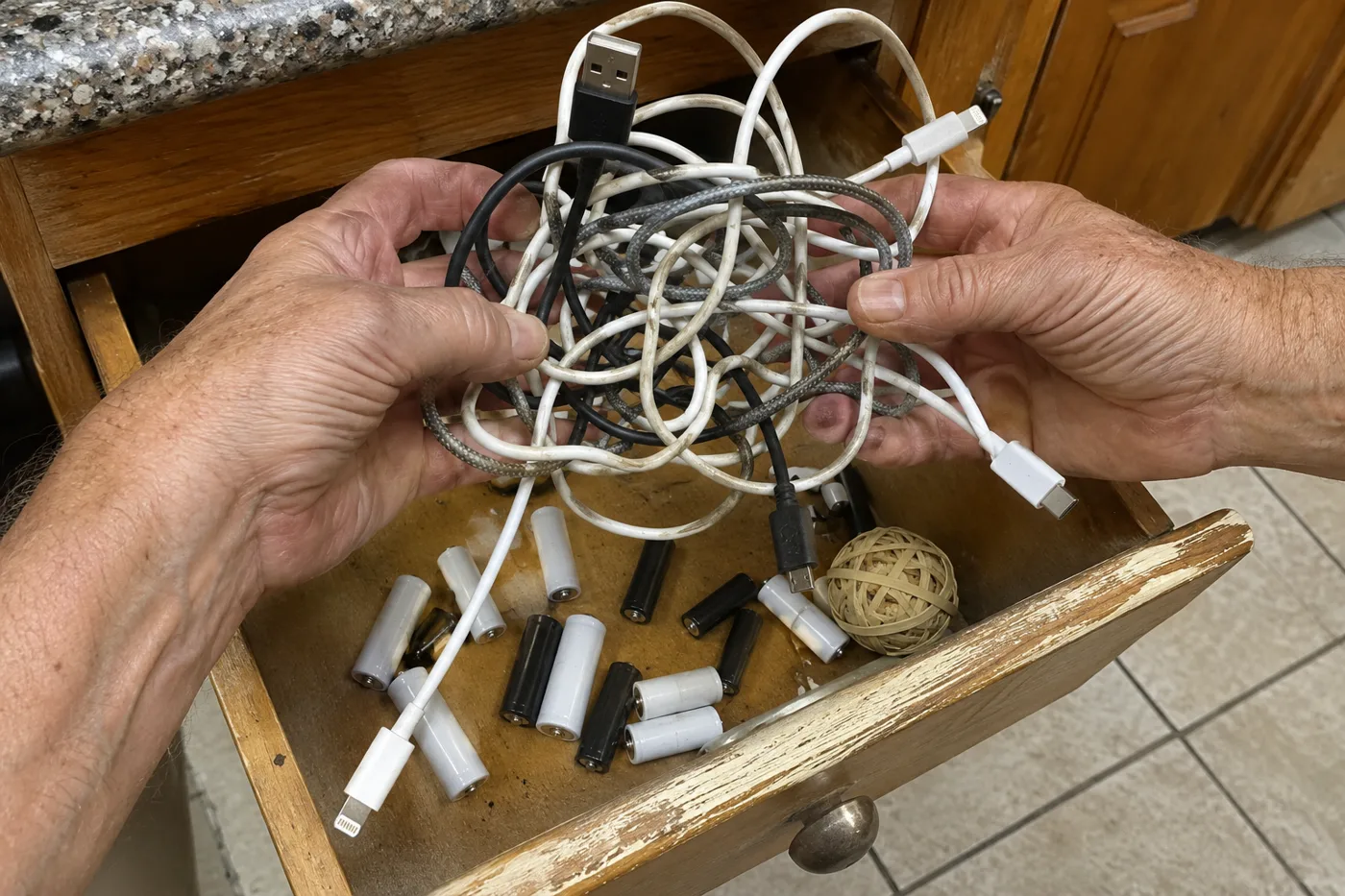
Yes, the same drawer from the top of this list. You don’t have to throw it out. Earth911 reports that every U.S. Best Buy has a kiosk just inside the door that takes cords, cables and chargers for free. Staples does free tech recycling at the checkout.
Keep them out of the curbside bin, though. Recycling plants call cords “tanglers” because they wrap around the sorting machines.
#23 Lonely socks with holes in the heels
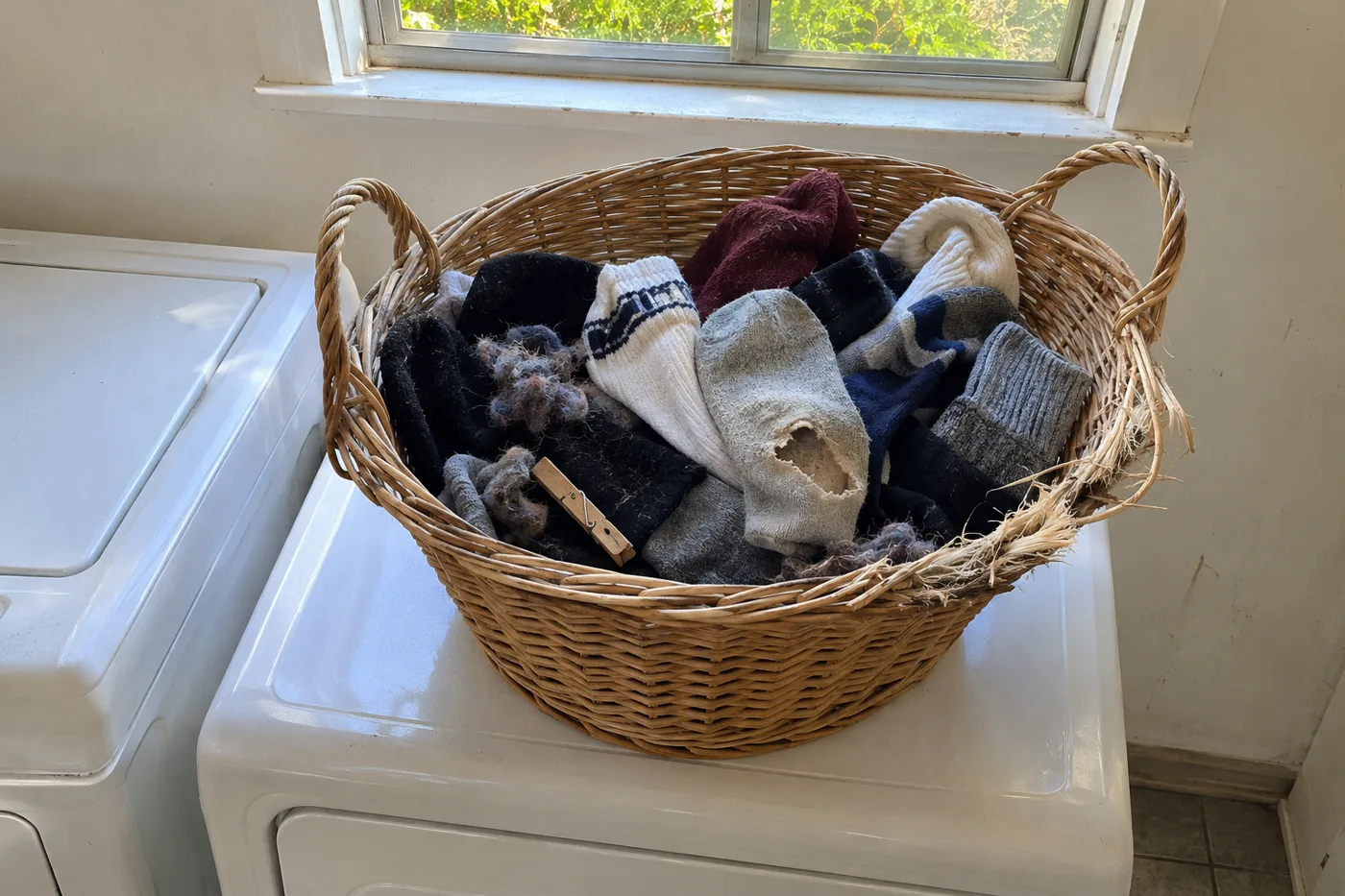
There’s a basket on top of the dryer. Nine socks, no pairs, and two with heels worn so thin you could read through them.
Plenty of households run on one simple rule: when a sock gets a hole, its mate goes too. Both head for the rag bag.
The rag bag is a good idea. In 2018, Americans generated 17 million tons of textiles and sent 11.3 million tons of it to landfills. Only about 15% of used clothing and fabric gets reused or recycled, according to a federal science agency.
What does get recycled turns into industrial rags, stuffing for furniture and car seats, and even home insulation. That lonely sock could end up keeping somebody’s attic warm.
#22 Half-empty paint cans
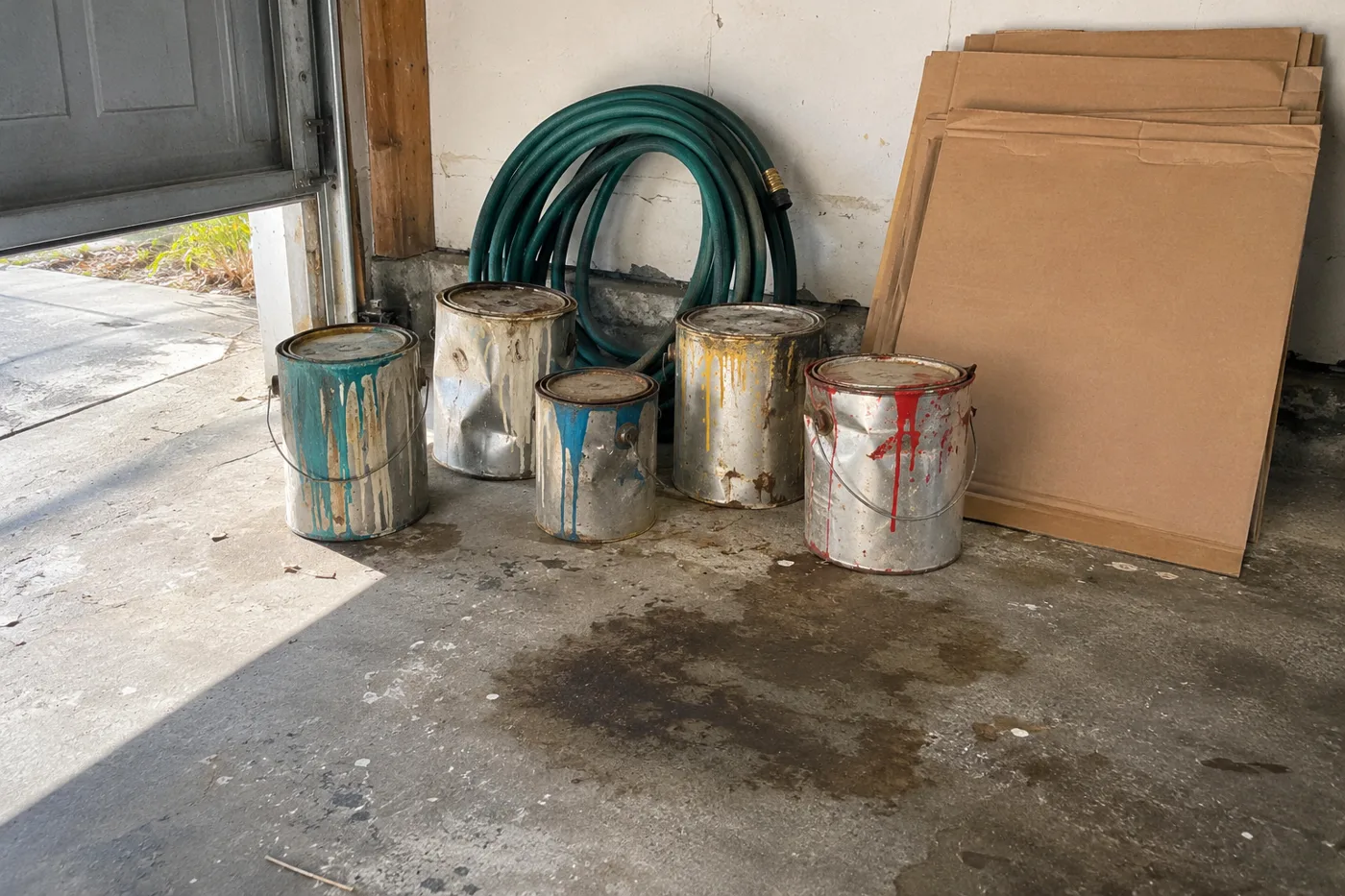
Half-empty paint cans are easier to get rid of than people think, even the ones that have sat in the garage for years.
Latex paint, the water-based kind, can usually go out with the trash once it has dried, but rules vary from county to county, so check yours first.
One Ohio county recycling program says to stir in equal parts cat litter until it looks like oatmeal. Let it sit an hour, then put the can in the trash with the lid off.
Both Sherwin-Williams and Benjamin Moore recommend the litter trick for latex, Family Handyman reports. Oil-based paint is different. It counts as hazardous waste and can’t go in the trash in most places.
#21 The bag stuffed with more bags
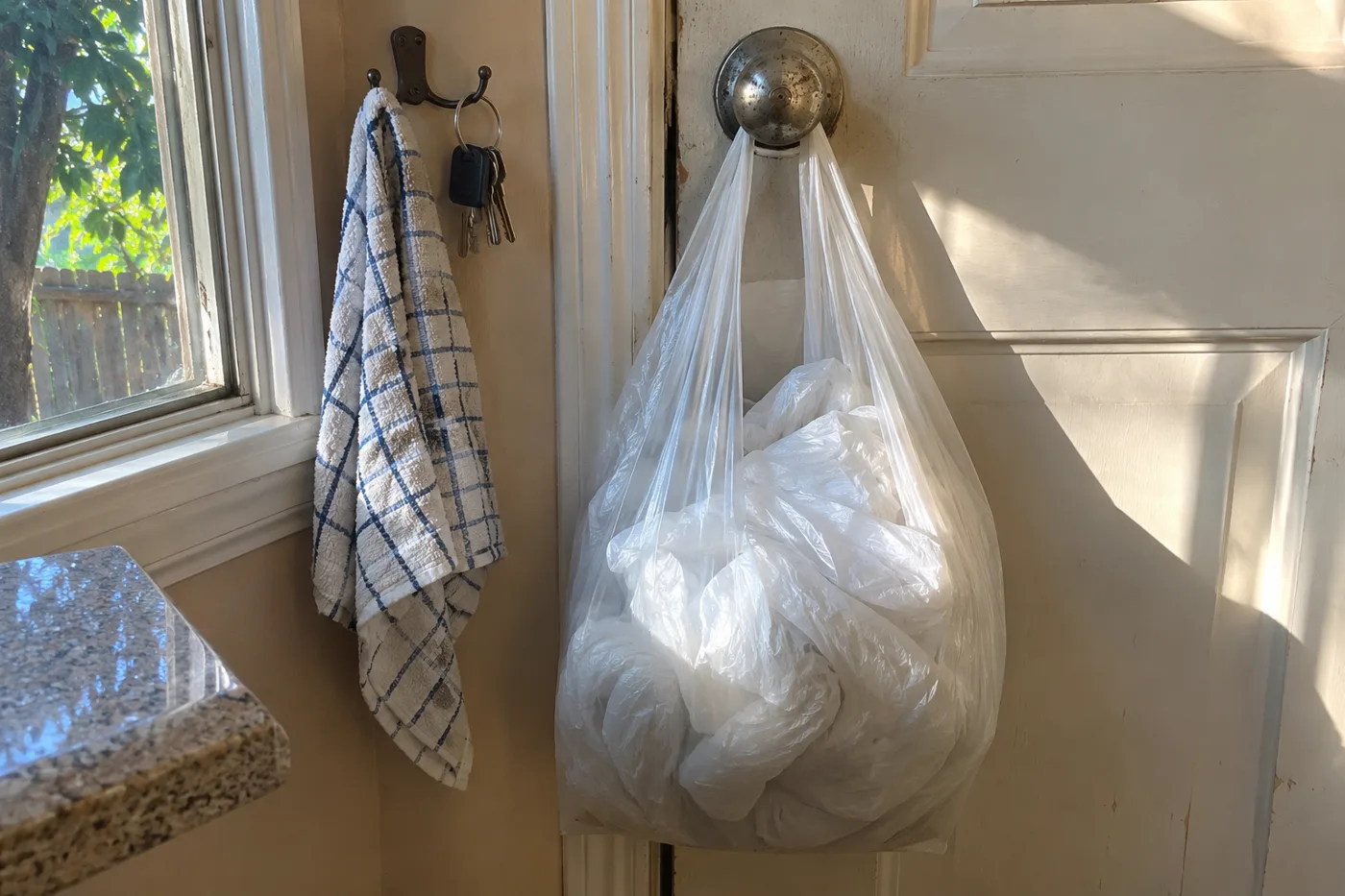
It hangs off a doorknob or hides under the sink: one grocery bag so packed with other grocery bags it’s turned into a pillow.
They can’t go in your recycling bin. A California county agency explains that plastic bags jam the conveyor belts and sorting equipment at recycling plants.
Store drop-off bins are a better option than the trash. Clean, dry bags can also go to some town drop-offs or mail-back programs. The ones that get recycled become composite lumber, benches, playground equipment and new bags.
Keep what fits in one bag for lining the small trash cans. Take the rest along the next time you shop.
#20 Boxes of old bank statements and tax papers
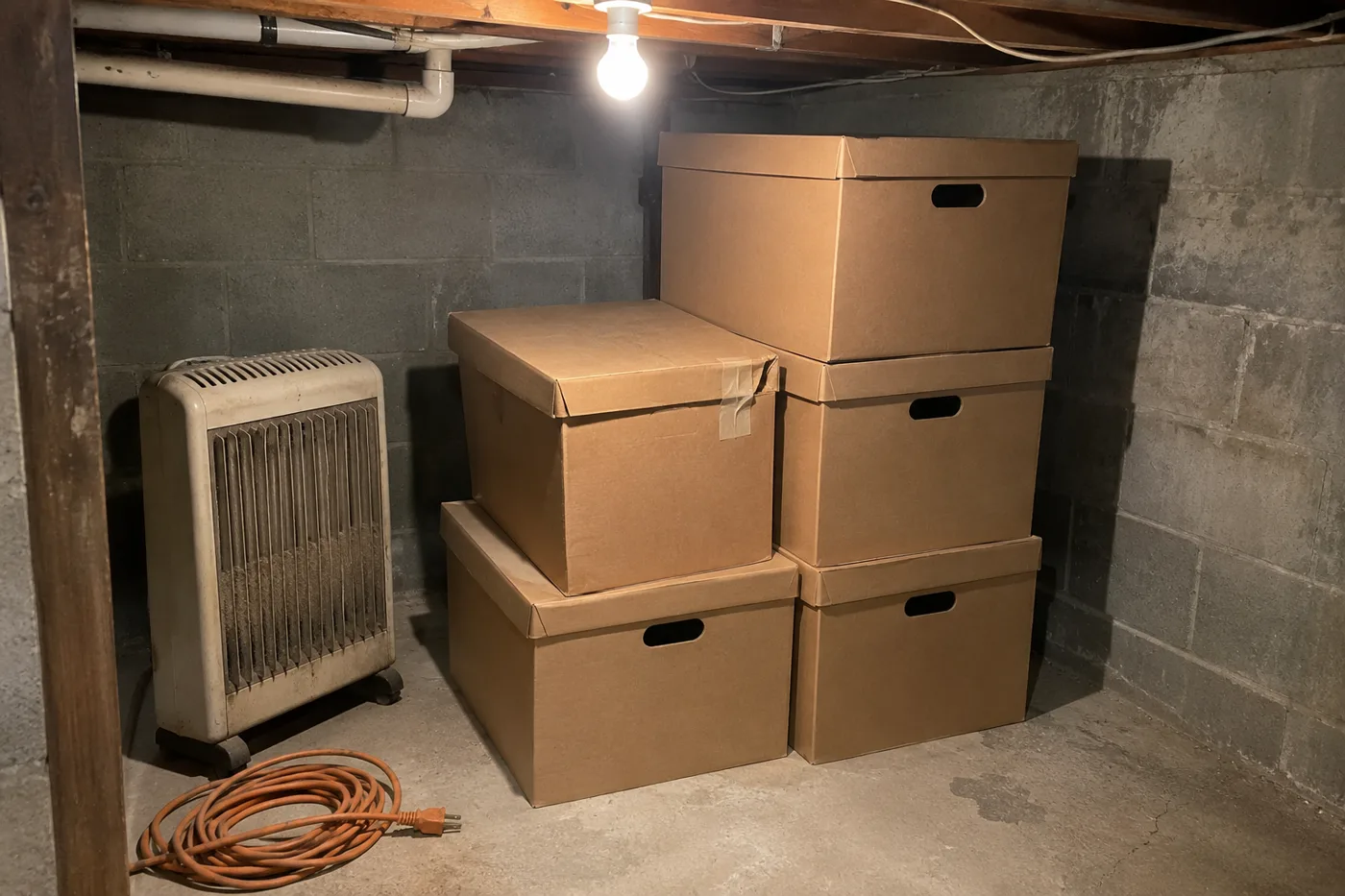
Most old tax and bank paperwork can go sooner than you’d guess.
The IRS’s usual rule is three years. It’s six years if income was underreported by more than a quarter, and seven if you claimed a loss from worthless securities or a bad debt. If a return was never filed or was fraudulent, there’s no limit.
Keep papers for a house or other property until that same clock runs out for the year you sell it.
If your situation is tangled, ask whoever does your taxes before you start pitching. Those rules cover tax records. Bank statements can go once you no longer need them.
Anything with account numbers shouldn’t go out whole. The Federal Trade Commission (FTC) says to shred papers with personal information, and if you don’t own a shredder, to look for a local shred day. Then that tower of boxes can finally leave.
#19 A worn, faded flag folded away
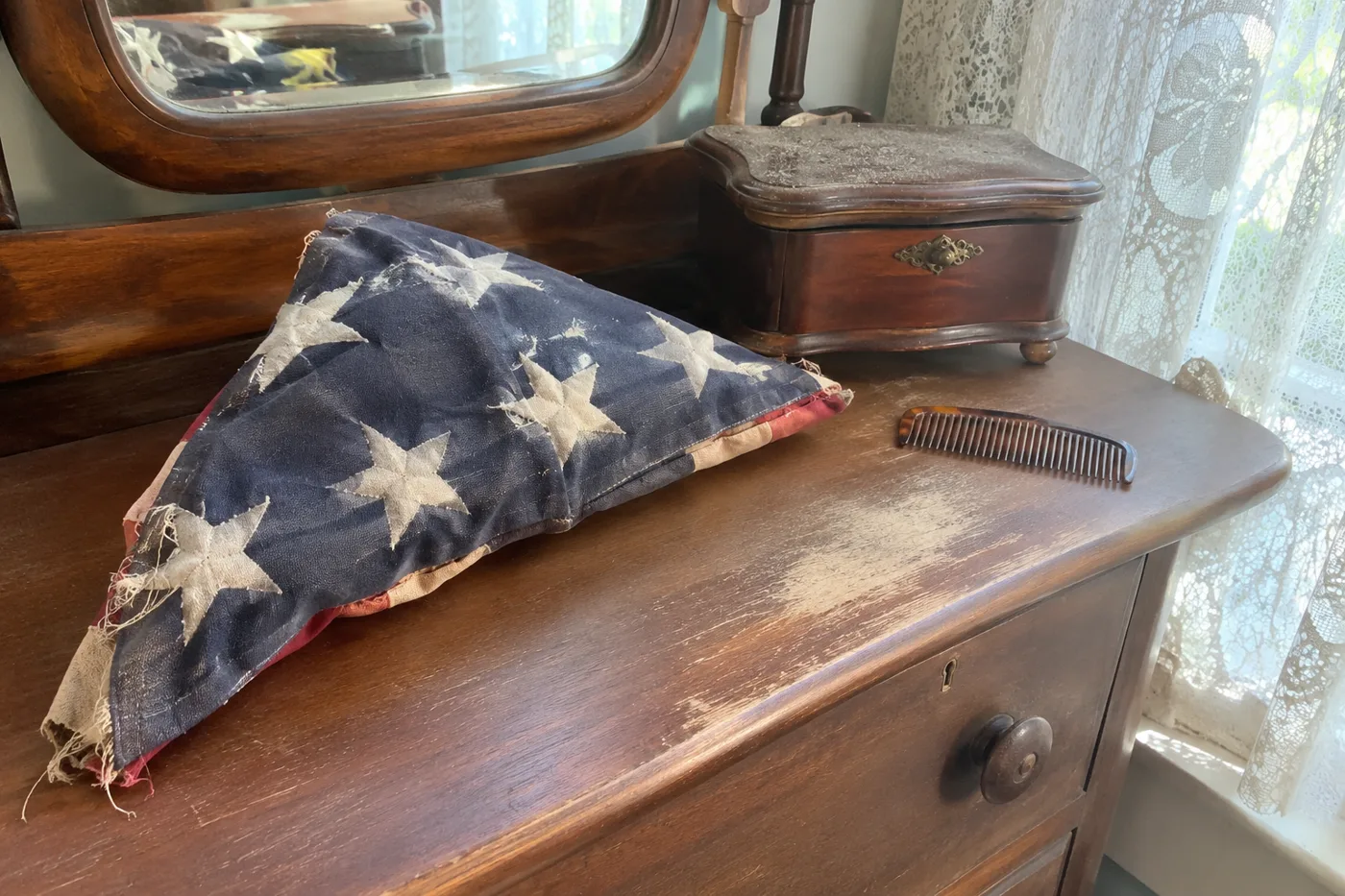
It came down off the porch years ago, sun-bleached and frayed at the end. It’s been folded in a drawer ever since, because the trash felt wrong.
That instinct is right. The U.S. Flag Code says a flag that’s no longer fit to fly should be destroyed in a dignified way, preferably by burning.
You don’t have to do it yourself. Many people find their local American Legion post or a Scout troop often take worn flags and retire them properly.
Call your local post or troop first to ask whether it takes worn flags and where to bring yours.
#18 The car seat saved for little visitors
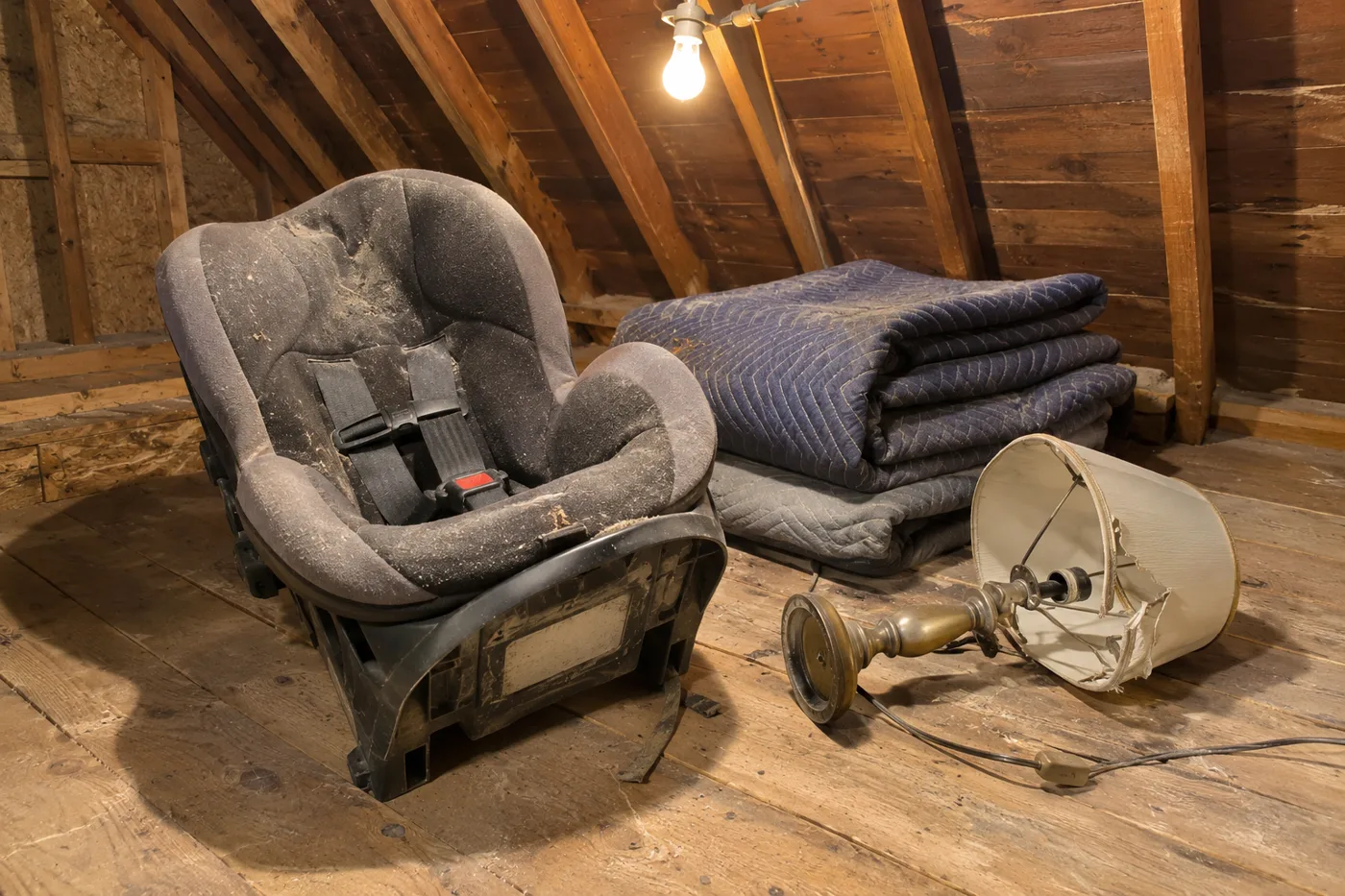
It’s tucked in the attic or a corner of the garage, kept for whenever somebody small comes to stay. It looks fine. The buckle clicks.
Car seats expire, though, usually six to ten years after they were made. Chicco, which makes them, says the dates exist because of changing safety standards and wear over time. The date is on a label, usually on the back or bottom.
If it’s past, don’t pass it along. Cut the harness straps and write “expired” across the seat in big marker letters before it goes out, so nobody fishes it out of the trash for their own car.
#17 Spices that lost their color and smell

The paprika that’s faded from red to brown. The bay leaves bought for one recipe. The jar of something with a price sticker from a store that closed.
McCormick says spices last about this long:
– Ground spices: two to four years – Whole spices: about four years – Leafy herbs: one to three years – Blends: one to two years
Now turn the jar over. McCormick has printed a Best By date on everything it’s sold since January 2004. If your McCormick jar has no date at all, it’s older than that.
Old spices won’t hurt you, the company says. They just “will not add the flavor that you desire.” Which may explain last year’s chili.
#16 Baking powder and yeast from years back

Holiday baking starts, and the baking powder can has a rusty rim and a date you’d rather not read. The yeast packets date from the year you swore you’d learn bread.
Before you blame the recipe for flat biscuits, test them. King Arthur Baking has two quick checks, and they take less time than preheating the oven.
Two Freshness Tests for Holiday Baking
- Baking powder: stir ½ teaspoon into 2 tablespoons warm water. It should bubble and foam right away.
- Yeast: dissolve ½ teaspoon sugar in ½ cup warm water, stir in a packet of active dry yeast and wait 10 minutes. Live yeast will bubble and expand. If nothing happens, toss it.
#15 A one-job gadget buried in the drawer
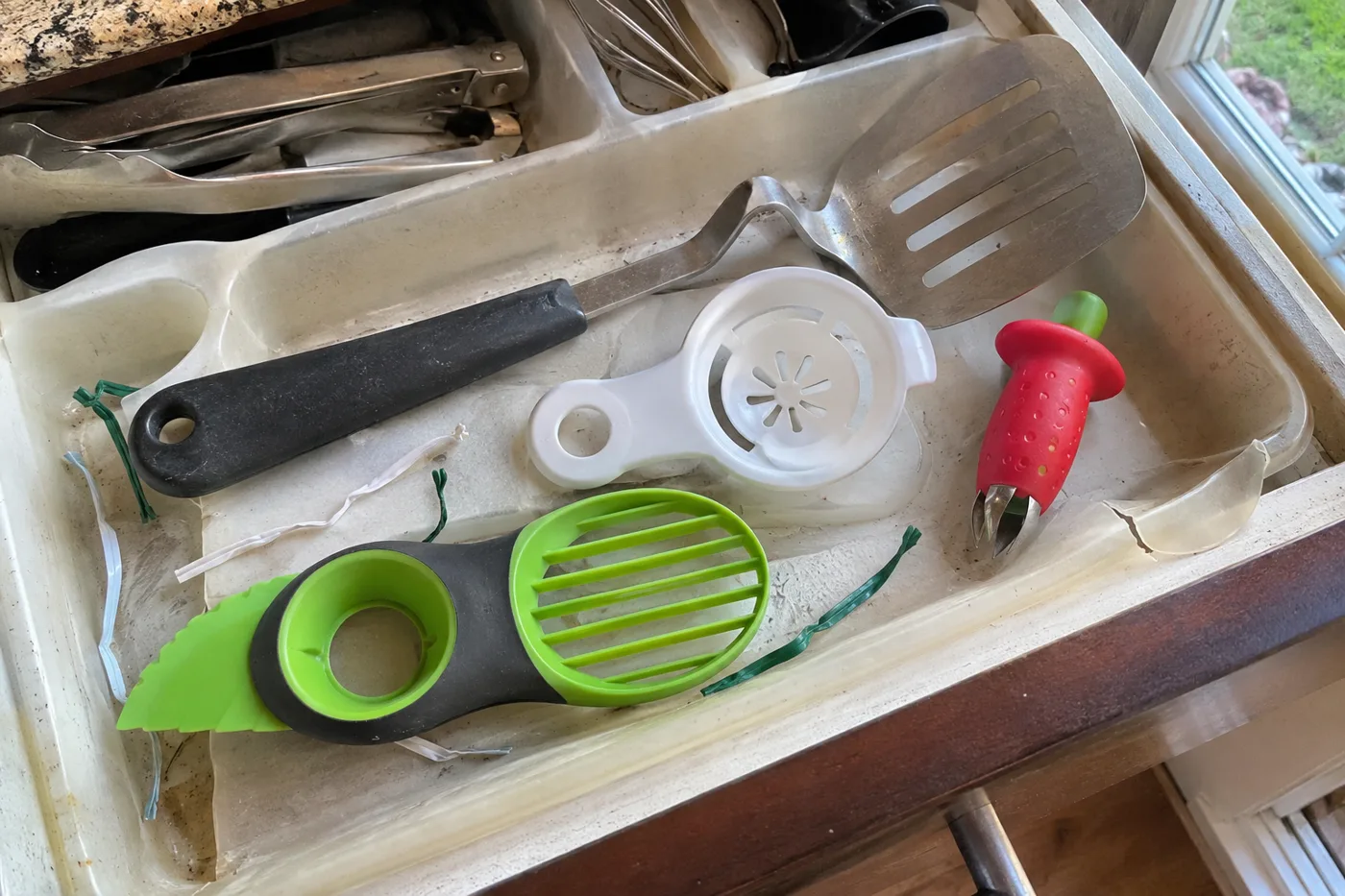
The avocado slicer. The egg separator. The strawberry huller that came in a gift basket and has never met a strawberry.
Registered architect Daniel Titchener offers a definition in a video about home mistakes: “Anything qualifies as a gadget if it’s designed to do only one task and one task only.” If you’re short on cabinet space, start with the gadgets you never use.
Working appliances don’t have to be trashed. Goodwill in Arizona, for one, takes coffee makers, blenders, slow cookers and toasters, as long as they’re clean and come with all their parts. Check what your local thrift store accepts, then load the box.
#14 A glass cabinet full of never-used trinkets

The lighted cabinet in the dining room: a row of souvenir spoons, a ceramic bell from a trip, a teapot nobody has poured from in years.
Registered architect Daniel Titchener says glass display cabinets tend to fill up with “souvenirs and trinkets that never really get used.”
If the cabinet itself goes, think twice before the curb. In 2018, four out of every five tons of furniture Americans threw out went to a landfill. A furniture restorer, a shelter or a free listing online might find it a second home.
If you’d rather have the space, start with the pieces you no longer want to see. Put the ones you keep where you’ll enjoy seeing them.
#13 The donation bag that never left the car
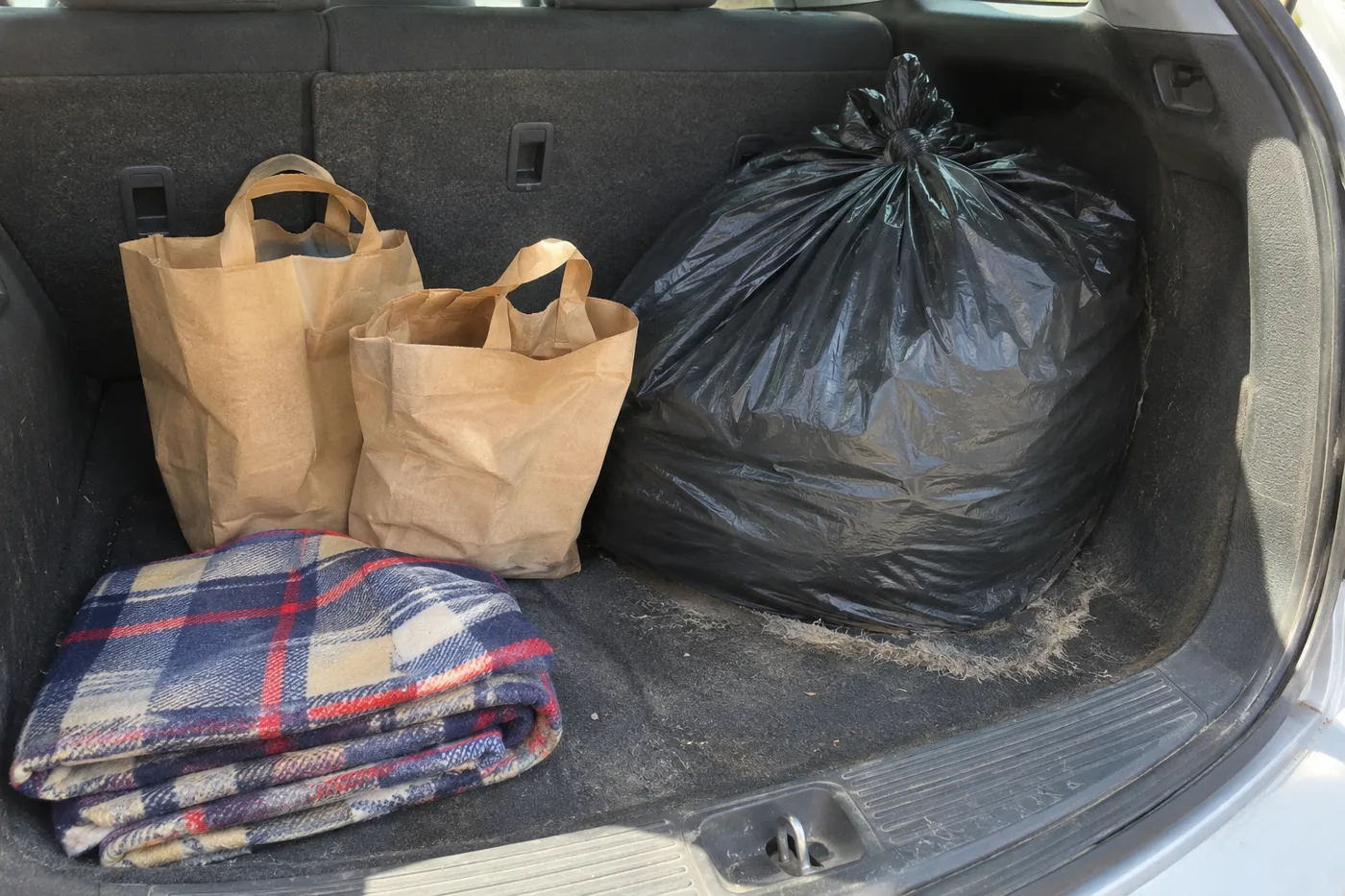
It’s been riding in the trunk since spring. Every time you load the groceries, there it is, slumped in the corner.
UK professional organizer Rachel Burditt has a line for this in her video: “If you’ve already decided it’s rubbish, finish the job.” The same goes for a bag you’ve already decided to give away.
Do one quick pass first. In 2021, Goodwill of Southern California said it was spending $2 million a year hauling off donations nobody could use. The Salvation Army there spent about $700,000 doing the same. Broken furniture, outdated electronics and used bed pillows were on the do-not-give list.
Pull out anything stained or broken, check the charity’s list of what it accepts, and drop the rest at the donation door. Then drive home with an empty trunk.
#12 A mattress you’ve slept on for decades
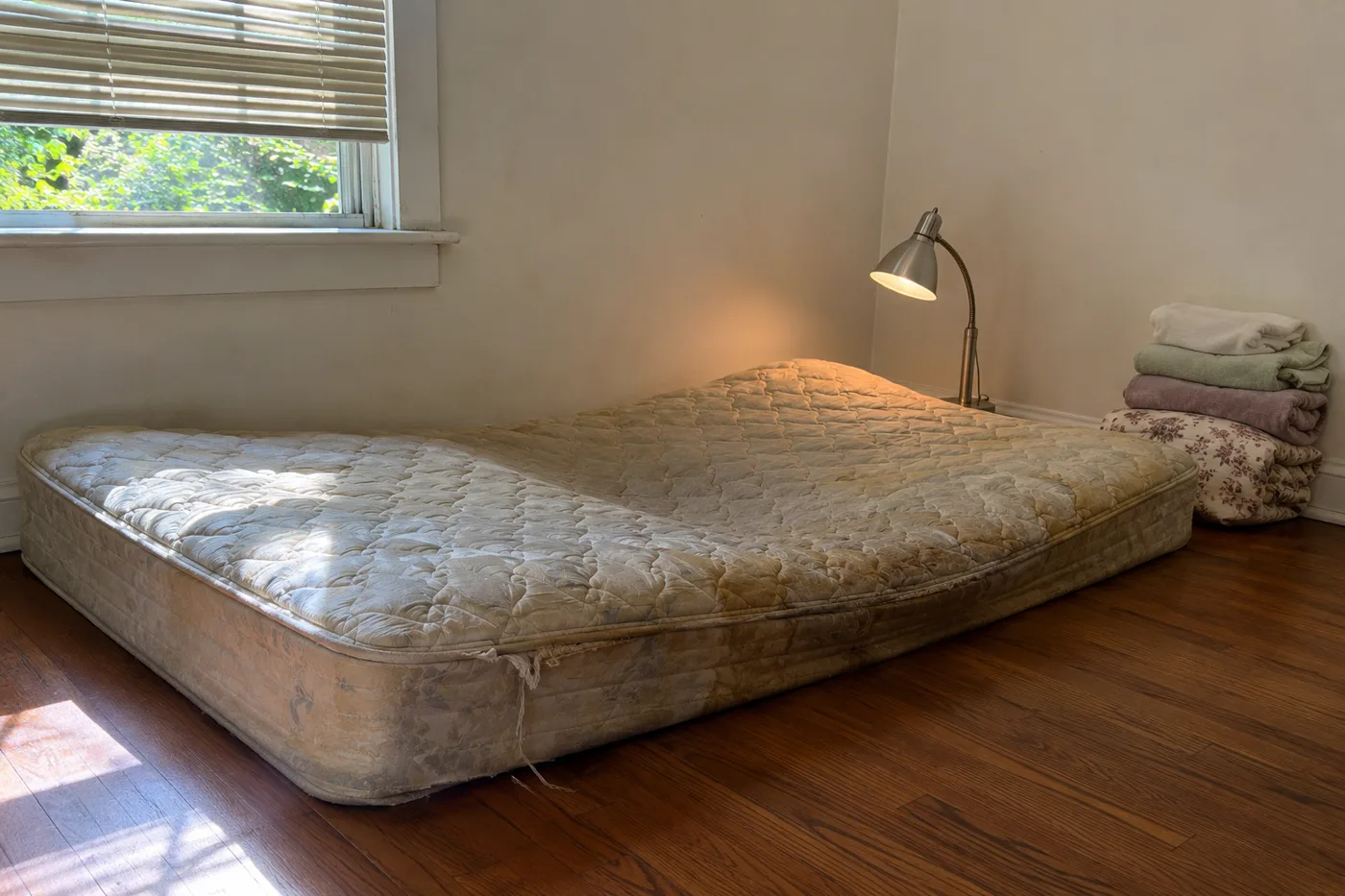
A mattress doesn’t last as long as most people assume.
The Better Sleep Council, a mattress industry group, says a mattress set that’s seven years old “has reached the end of the line.” Coming from the industry, that’s guidance to weigh, not a deadline. Its better tip is to check your mattress for sagging twice a year, whenever the clocks change.
When it’s time, a few states make the old one easier to get rid of. California, Connecticut, Oregon and Rhode Island have the Bye Bye Mattress program.
It’s run by a nonprofit and paid for by a recycling fee on every new mattress and box spring sold. You may already have paid for yours. Anywhere else, ask your town’s trash service about bulky pickup.
#11 An old phone with a swollen battery
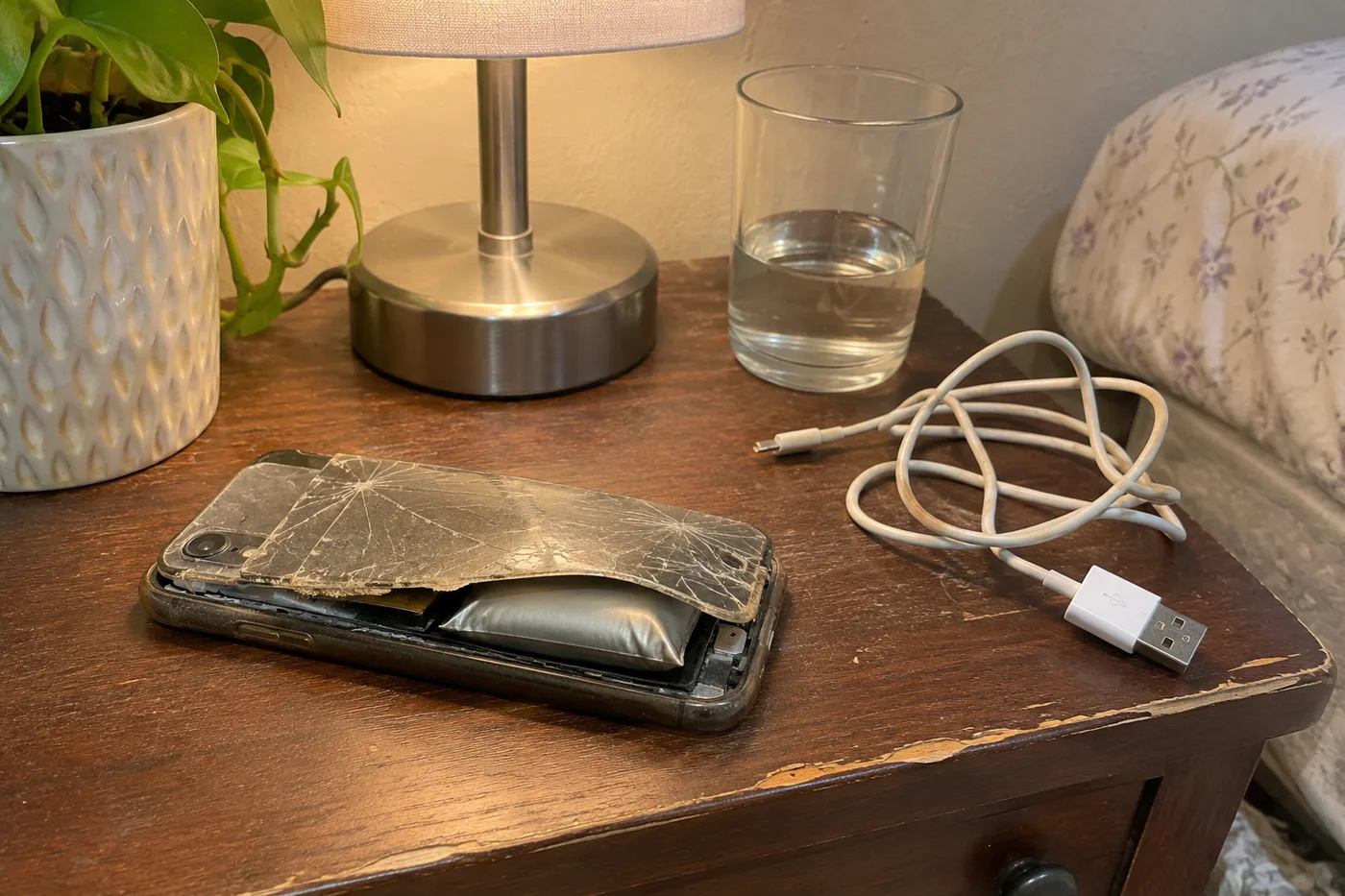
In the nightstand there’s an old phone that’s started to look puffy, the back lifting at one corner like a cake that rose wrong.
Take that seriously. The Environmental Protection Agency (EPA) says a swollen battery is damaged and a potential fire hazard. It belongs at a battery recycler or household hazardous waste site, not in the trash. Until you can drop it off, store it somewhere safe, possibly in a container of sand or kitty litter.
For an undamaged old phone, the FTC says to back it up, remove the SIM card and memory card, then reset it. After that, recycle it through the maker, your phone company or an EPA-listed drop-off.
#10 A drawer of old eyeglasses by the bed
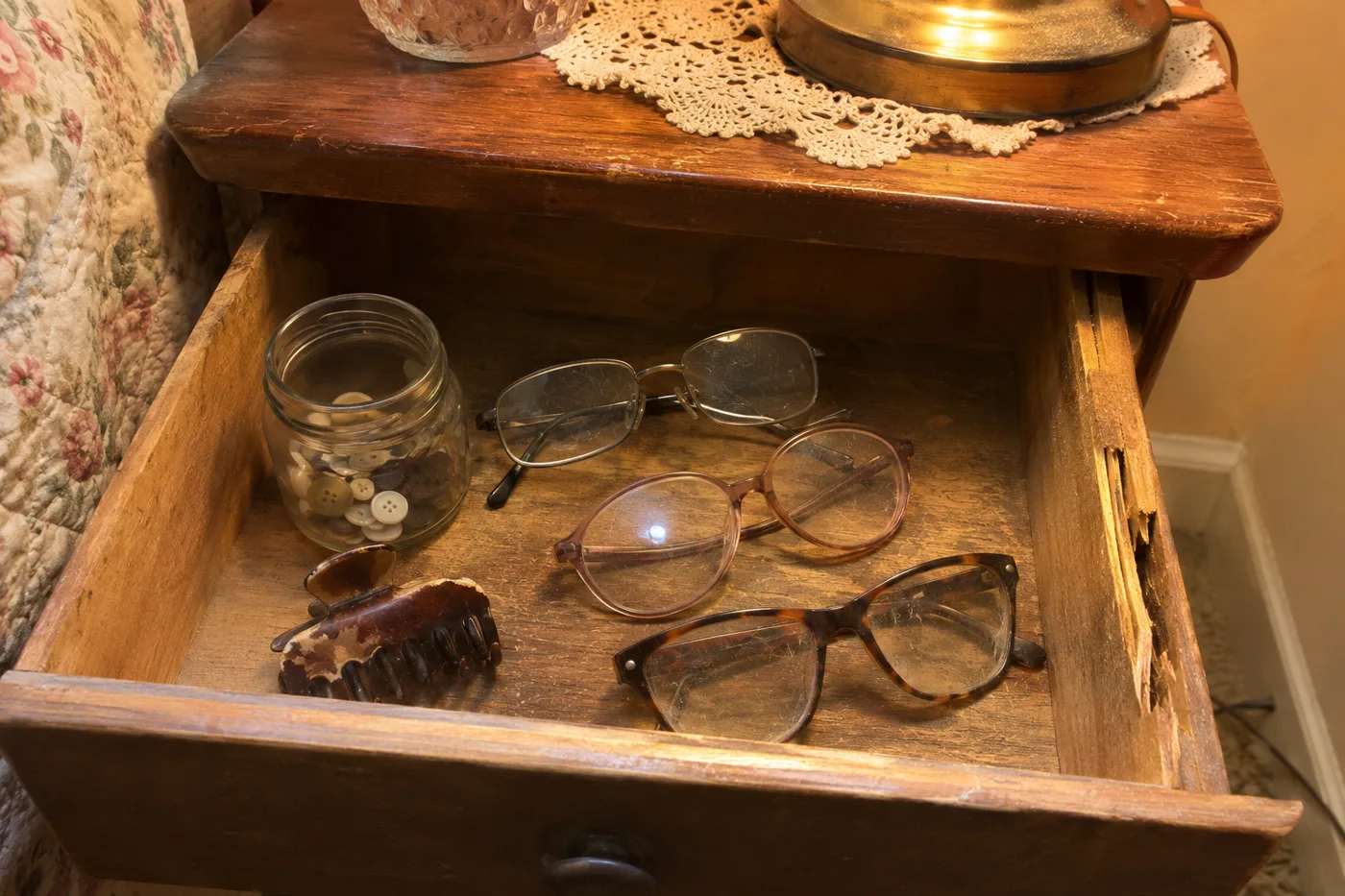
Three pairs from three old prescriptions, reading glasses missing an arm, and the frames that were very much in style once.
They can do real good somewhere else. Lions Clubs collect glasses in drop boxes, and volunteers clean them, sort them and read the prescriptions. Then they’re given away, usually on humanitarian trips to developing nations.
The Oregon Lions alone collect more than 100,000 pairs a year and run one of 18 eyeglass recycling centers in the world. The pair you can’t see through anymore may be exactly right for somebody else’s eyes.
#9 A smoke detector older than ten years
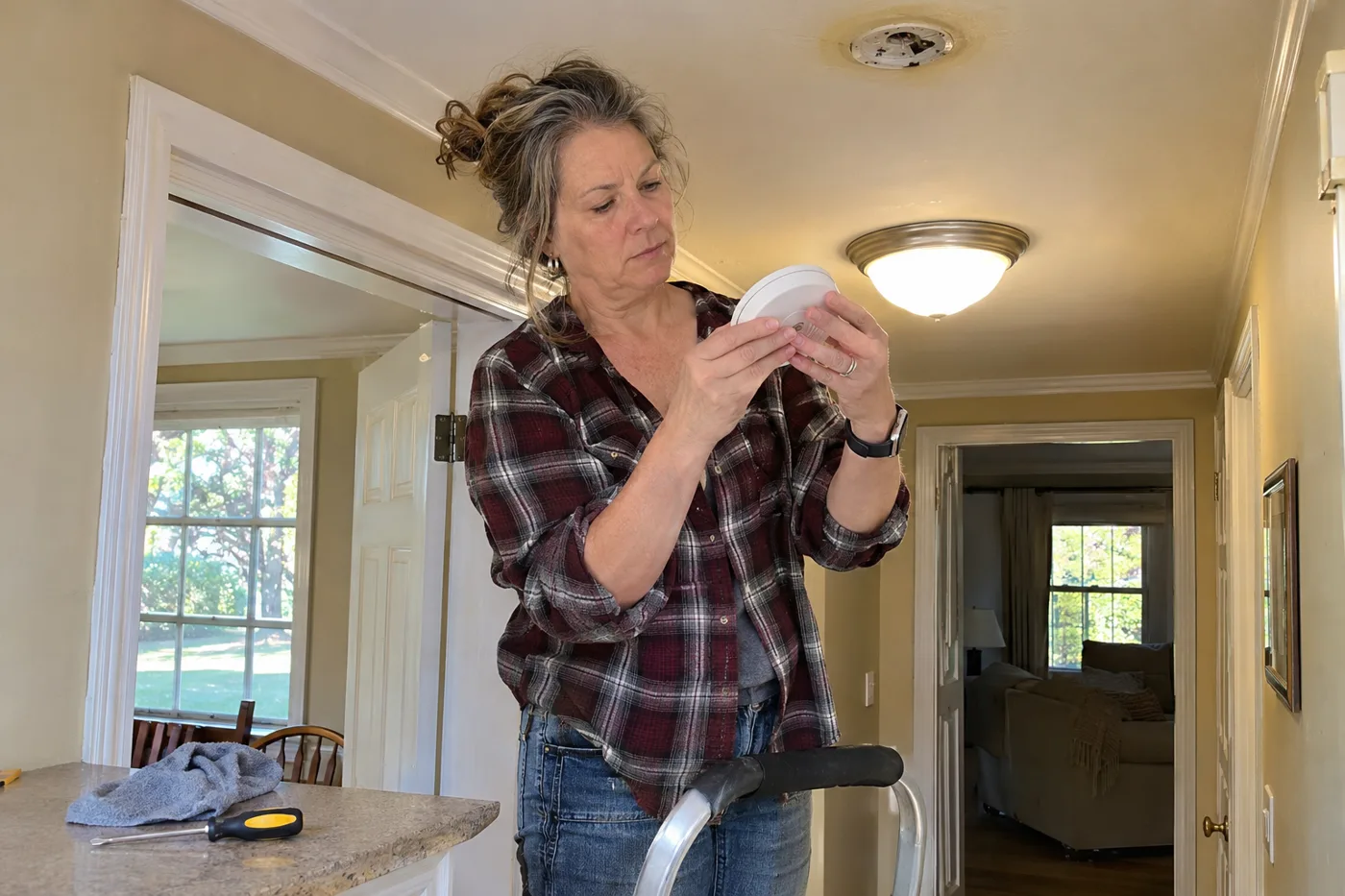
It’s on the ceiling, it beeps when you press the button, so it must be fine.
Smoke alarms wear out on a schedule. The U.S. Fire Administration says they need to be replaced 10 years from the manufacture date and tested once a month.
The date is printed on the back or side of the alarm. If it says 2016 or earlier, its time is up or close to it. Set a phone reminder for ten years out so you’re not guessing next time.
#8 A fire extinguisher nobody has checked

Under the sink, behind the cleaning bottles, sits a red can nobody has picked up since it came home.
Look at the little gauge on top. The needle should sit in the green zone. Under the national standard for extinguishers, the kind that can’t be refilled are taken out of service 12 years after they were made.
Any extinguisher that isn’t completely empty can’t go in the trash. A California fire department warns that the pressure inside could cause a dangerous explosion, so take it to a household hazardous waste event. A completely empty one, with the valve head removed, can go to metal recycling.
Expiration Dates Hiding on Safety Gear
- Smoke detectors: replace 10 years from the manufacture date, printed on the back or side.
- Fire extinguishers: the kind that can’t be refilled are retired 12 years from manufacture.
- Check the extinguisher gauge monthly. The needle belongs in the green.
- Any extinguisher that isn’t completely empty stays out of the trash. Completely empty ones can go to metal recycling.
#7 Dead batteries rolling in the junk drawer
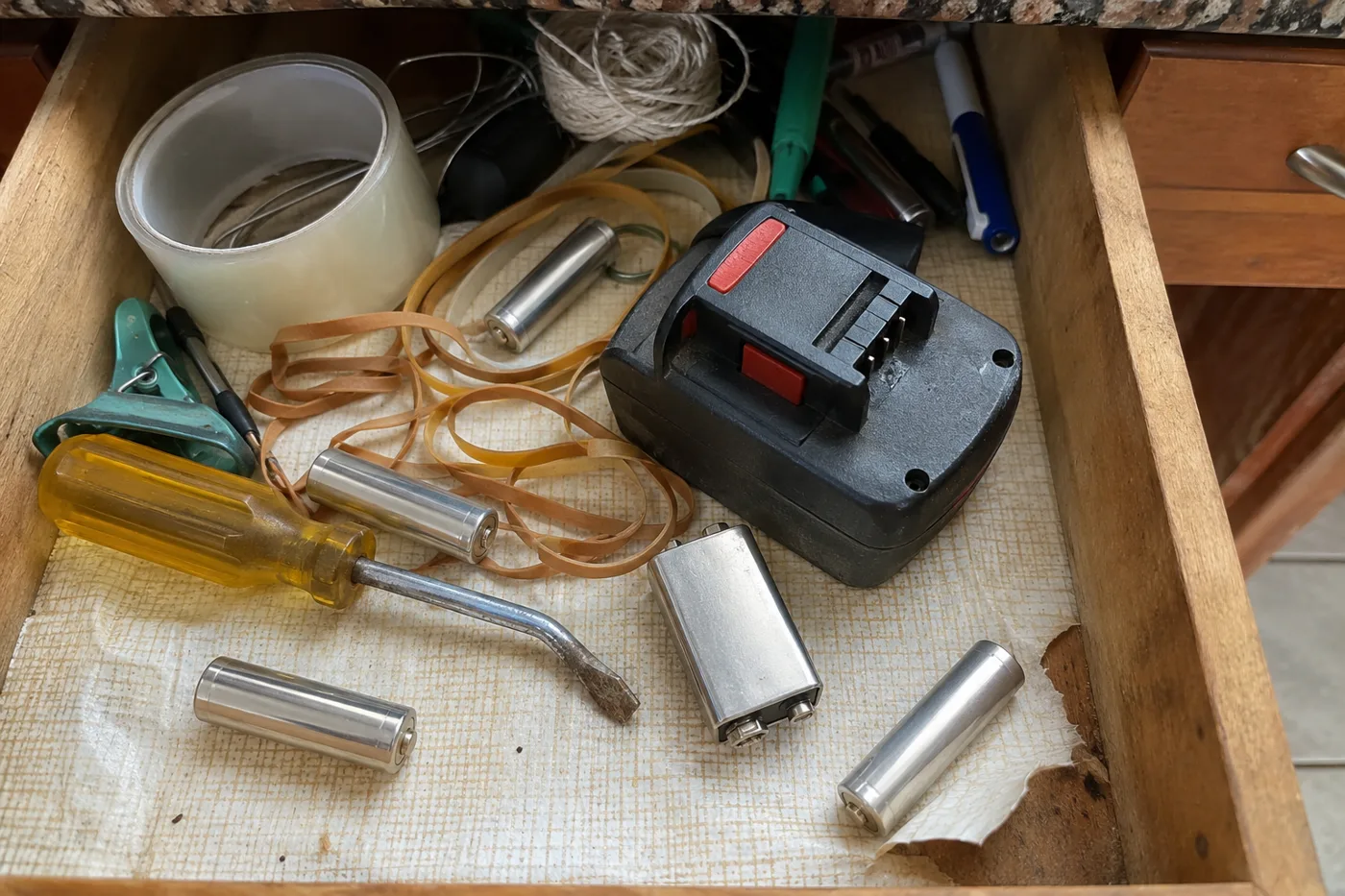
The junk drawer rattles: AAs, a nine-volt, a watch battery, and the rechargeable pack from a cordless drill that’s long gone.
The rechargeable lithium-ion kind is the one to worry about most. The EPA says they should NOT go in household garbage or recycling bins. In a garbage truck or sorting plant they can get crushed and start a fire.
The fix takes a roll of tape. Cover the metal ends, put each battery in its own bag, and take them to a battery recycling drop-off or household hazardous waste site. Earth911 and Call2Recycle both list places that take them.
For the AAs, the nine-volt and the watch battery, check your local waste program’s rules.
#6 A toothbrush with splayed, worn bristles
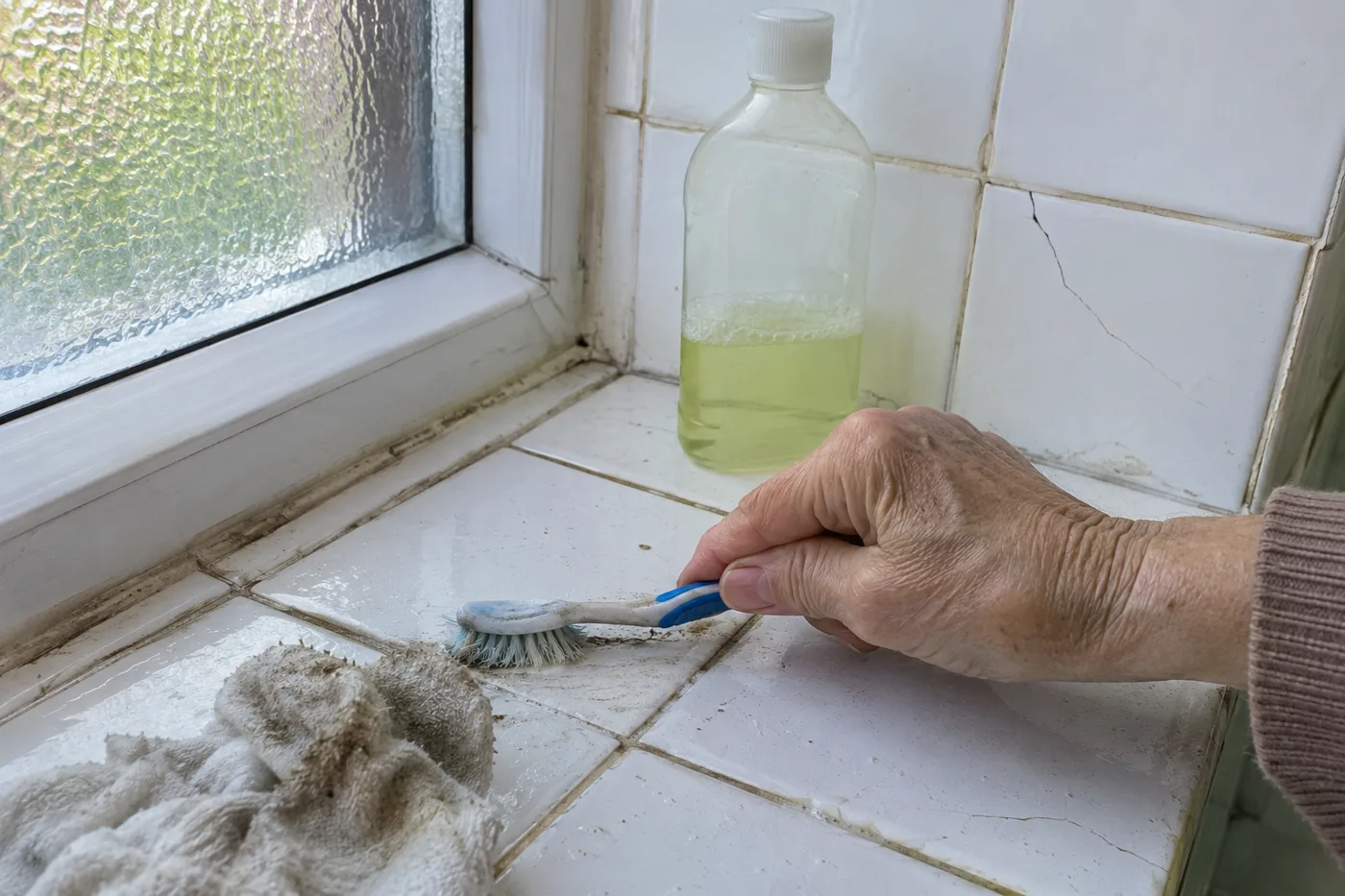
When the bristles fan out like a dropped broom, the brush is doing less work than you are.
The American Dental Association says to replace toothbrushes every three to four months, or sooner if the bristles look matted or frayed.
The old one doesn’t even have to be thrown away. Lots of people retire it to cleaning duty, scrubbing grout lines, around faucets and the gritty track of the shower door. Keep it in the cleaning caddy, not back in the toothbrush holder, so it never wanders back to your mouth.
#5 Christmas lights with half the strand dark
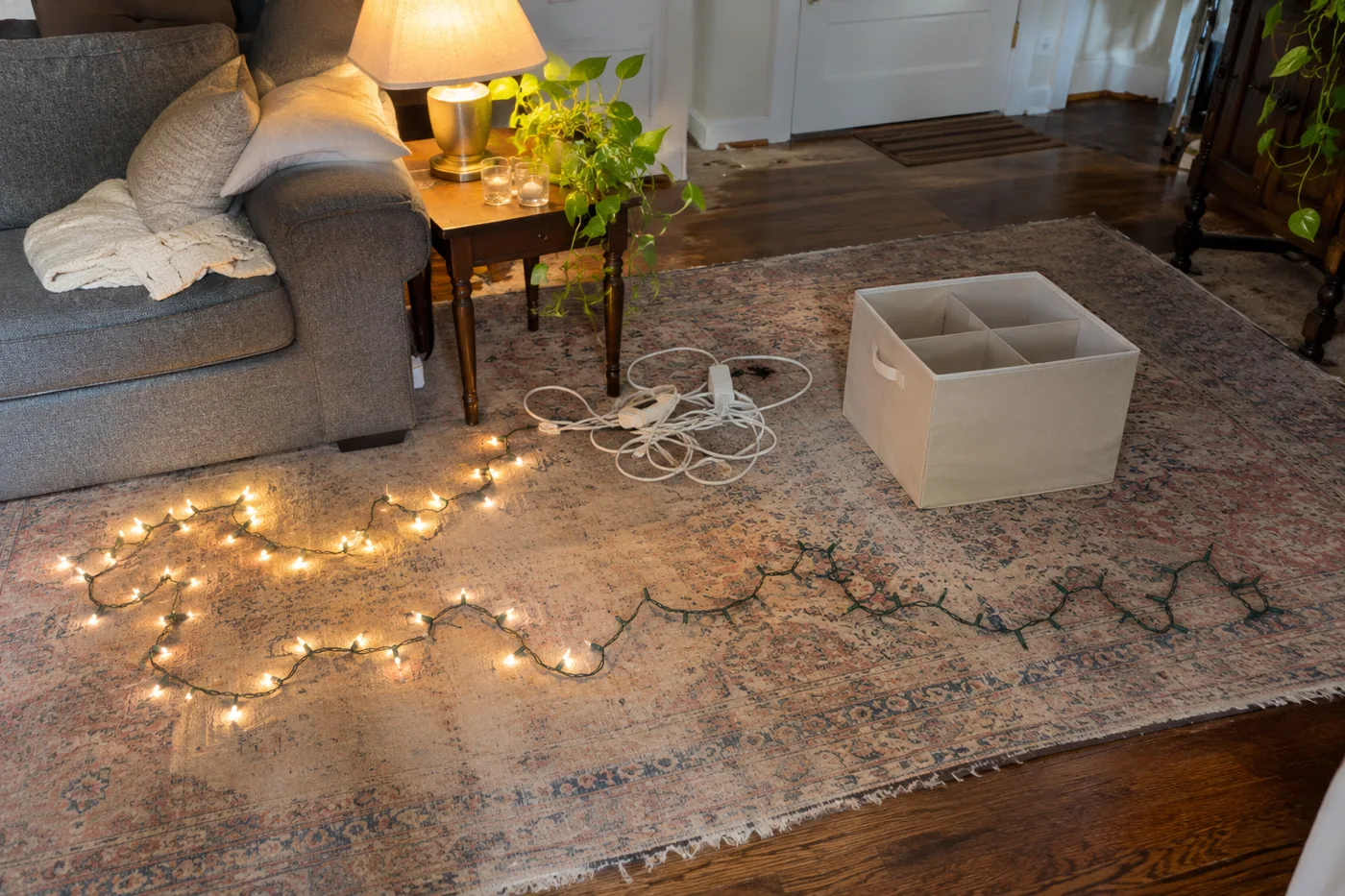
You plug it in. The first half glows, the second half stays dark, and the afternoon disappears into testing bulbs one at a time.
At some point the strand has done its job. If you replace it, ENERGY STAR says certified LED light strings, the newer energy-saving kind, use about 92% less energy than the old incandescent kind and last up to 10 times longer. They also come with at least a three-year warranty.
The dead strand can’t go in the recycling bin, because lights tangle in recycling equipment. Lowe’s and Home Depot have run seasonal take-back programs, and HolidayLEDs takes old strings by mail. Call the store before you haul a box over, since those programs come and go.
#4 A flat, yellowed pillow you still sleep on

It’s been washed so many times it’s gone thin. The case hides yellow stains, and every night you fold it double just to get some height out of it.
Cleveland Clinic sleep specialist Dr. Brian Chen says most pillows usually need to be replaced within a year or two as the filling wears out. Use that as a rough guide, then check your own pillow.
His fold test, in the box below, settles it in five seconds. Some people pass old pillows along to an animal shelter for bedding, but call first, because shelters’ needs change.
The Fold Test for a Dead Pillow
- Fold the pillow in half.
- If it springs back open, it’s still giving support.
- If it stays folded or goes flat, it’s time for a new one.
- As a general guide, most pillows wear out within a year or two.
#3 A chipped mug or cracked plate still in use
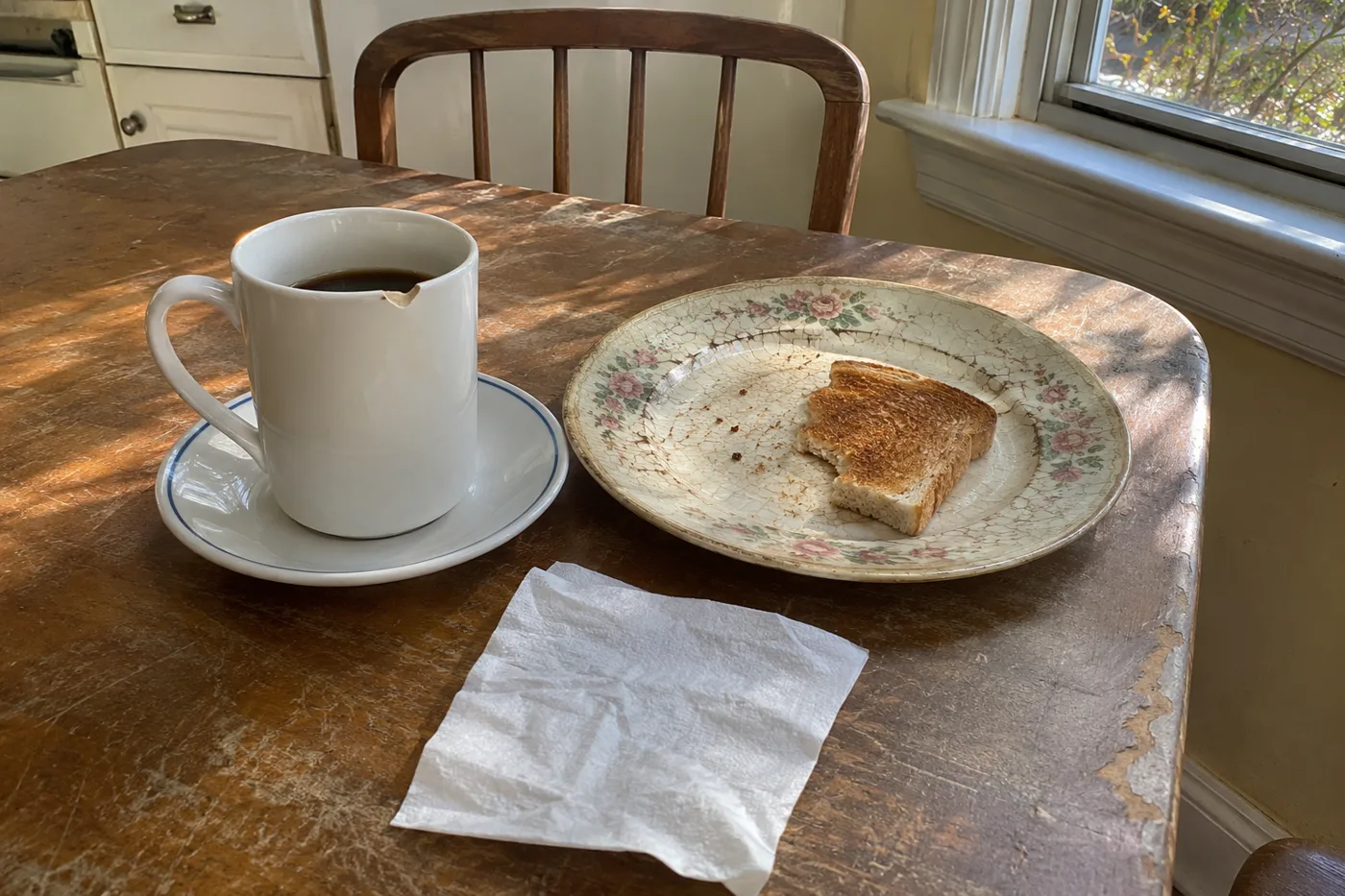
The favorite mug with a chip on the rim you’ve learned to drink around. A plate from an old set, covered in fine cracks.
Chips and wear matter more than looks. Consumer Reports says lead can leach more easily from damaged and worn ceramics than from whole ones, and that dishes made before 1992 came before today’s FDA guidelines.
The FDA flags pieces that are antique, chipped, roughly handmade or brightly decorated in orange, red or yellow, since lead often goes with those colors. No amount of washing or boiling takes it out.
That doesn’t mean the pretty plate has to go. Retire it from meals and let it hold hairpins, buttons or rings on the dresser instead.
#2 A loofah that’s hung in the shower for months
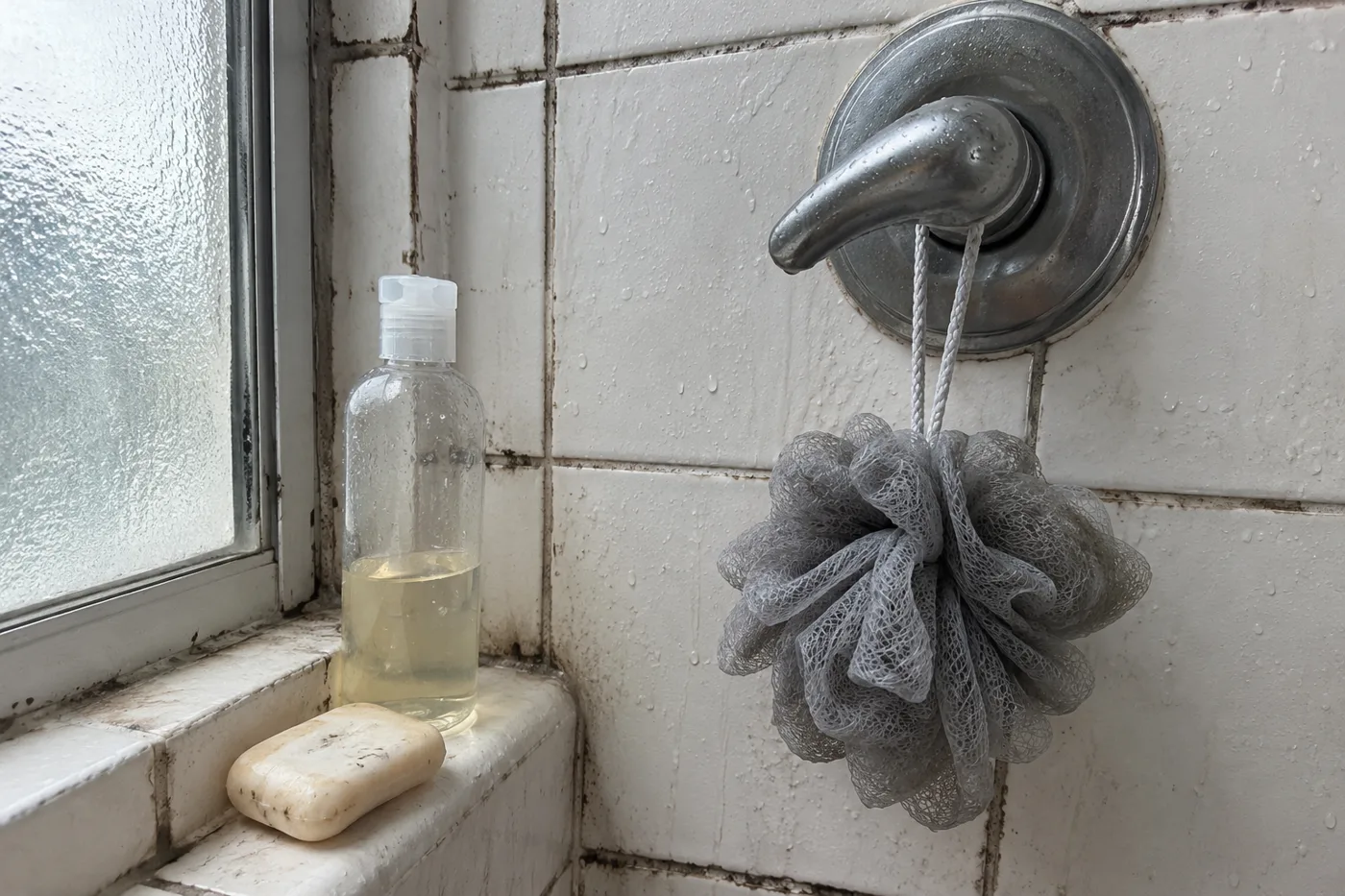
It hangs from the faucet, never quite dry, a little limp and a little gray.
Cleveland Clinic dermatologist Dr. Melissa Piliang puts the problem plainly: “They don’t ever totally dry out, so the loofah is a beautiful breeding ground for bacteria.”
Her timeline is shorter than most people guess. A natural loofah should be replaced every three to four weeks. A plastic pouf can last about two months.
To get the most out of one, Dr. Piliang suggests hanging it to dry outside the shower and soaking it once a week in diluted bleach. Or buy a multipack so you’re never tempted to stretch one past its time.
#1 The kitchen sponge that smells sour
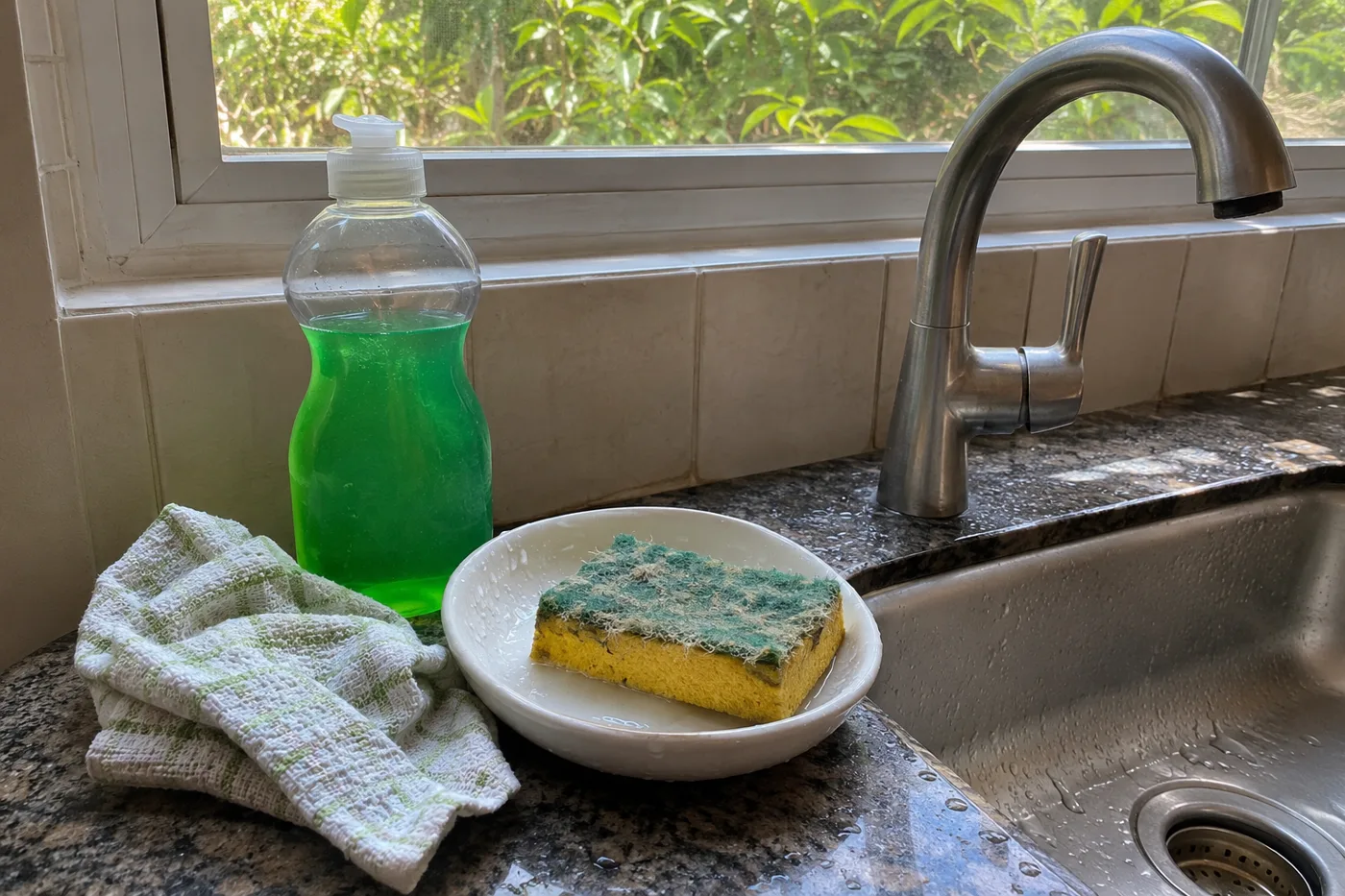
Microwaving your sponge feels like it should kill the germs. In one study, it didn’t seem to help.
German researchers who studied 14 used kitchen sponges found bacteria packed in at up to 54 billion cells in a single cubic centimeter.
Then came the part nobody wanted to hear. Sponges their owners said they cleaned regularly, by microwaving and similar methods, didn’t have significantly fewer bacteria. Two groups of germs that can make people sick actually made up a bigger share in the “clean” sponges.
The researchers’ advice was cheap and simple: replace kitchen sponges regularly, for example once a week. Buy the big pack and write the date on the edge of each new one with a marker.
The bottom line
Start where the dates are. The medicine cabinet takes ten minutes. The back of the smoke alarm takes one glance. The spice jars take one turn of the wrist.
And the cord drawer? Keep one charger for each thing you actually own, bag up the rest, and drop them at the kiosk inside the store door next time you’re out. Somewhere a sorting machine will never know how close it came.
Bonus: Five more things you can stop saving, and where they go
- The candle burned down to a puddle: the National Candle Association says to stop burning a candle when 2 inches of wax remain, or half an inch if it’s in a jar.
- Wire hangers from the dry cleaner: they jam recycling machines, so one recycling company suggests taking them back to the dry cleaner for reuse.
- Shiny gift wrap and used tissue paper: San Jose says foil or metallic wrap can’t be recycled, and tissue paper can’t either because its fibers are too short. Check your own city’s rules.
- Scratchy old bath towels: some animal shelters take clean, gently used towels and blankets, but needs change, so call first.
- Pills that missed the last cleanout: National Prescription Drug Take Back Day falls on the last Saturday in April and October every year.
Questions people also ask
How long should you keep mascara before throwing it out?
Two to four months after you buy it is what manufacturers usually recommend. That holds even if the tube still looks and feels fine. If it dries out sooner, throw it away rather than adding water to revive it.
How do you know if a pillow needs to be replaced?
Try Cleveland Clinic sleep specialist Dr. Brian Chen’s fold test: fold it in half and let go. If it springs back open, it’s still giving support. If it stays folded or goes flat, it’s time for a new one.
How often should a kitchen sponge really be replaced?
About once a week is what researchers who studied used sponges suggested. They found as many as 54 billion bacteria in a single cubic centimeter of sponge. In that study, sponges their owners said they cleaned regularly, including in the microwave, didn’t have significantly fewer bacteria.
Where can you recycle old phone chargers and cables?
Best Buy and Staples both take them for free. Best Buy has a kiosk just inside the door, Earth911 reports, and Staples handles tech recycling at the checkout. Keep cords out of curbside recycling bins, where they tangle in the sorting machines.
What’s the right way to get rid of a worn American flag?
The U.S. Flag Code says a worn flag should be destroyed in a dignified way, preferably by burning. You don’t have to do it yourself. Many American Legion posts and Scout troops collect worn flags and hold retirement ceremonies.
How long do smoke detectors actually last?
The U.S. Fire Administration says ten years from the date they were made. That date is printed on the back or side of the alarm. Test it once a month until then.
Related posts:
22 Things Home Economics Taught Girls in the 1960s That Schools Dropped
19 Sewing Skills Your Mother Had That Nobody Has Now
21 Holiday Party Foods From the 1970s That Would Horrify Guests Today
26 Church Cookbook Desserts That Nobody Makes Anymore
25 Homemade Christmas Decorations From the 1960s, and What Became of Each One
24 Things People Over 60 Still Do When Cleaning That Experts Beg Them to Stop

- 24 Things People Over 60 Still Do When Cleaning That Experts Beg Them to Stop - November 6, 2026
- 21 Handmade Gifts From the 1970s Your Grandchildren Have Never Seen - November 6, 2026
- 25 Homemade Christmas Decorations From the 1960s, and What Became of Each One - November 6, 2026
Leave a Reply