The roasting pan lives on the top shelf of the hall closet, and every November somebody has to get it down. It’s heavy and dented, and it has done more Thanksgivings than some of the guests.
This year, a lot of women are leaving it up there. Some have handed it off. Some have let a dozen other things go too. The holidays came anyway, right on schedule.
#19 The big Thanksgiving dinner at your house
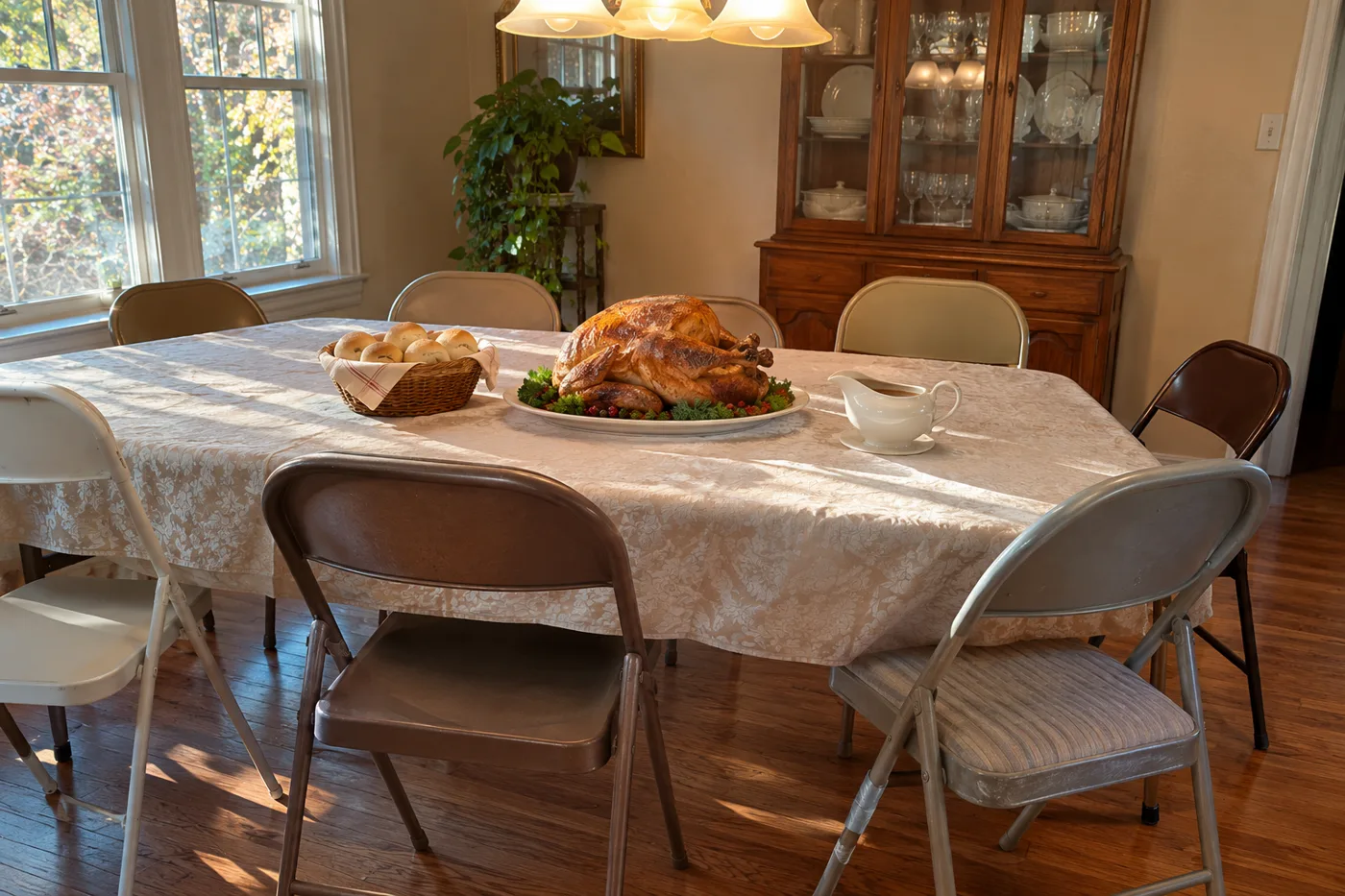
The table leaf comes out. Folding chairs get borrowed. By Sunday, the turkey has taken over the bottom shelf of the fridge.
The American Farm Bureau’s 2025 survey put a classic Thanksgiving dinner for ten at $55.18. For many hosts, the food was never the hard part. The four days of shopping, thawing, basting and scrubbing were. That’s part of why plenty of women have passed the job along.
So someone else hosts, and you bring a pie. The table leaf stays in the closet, which it never minded.
#18 A stack of Christmas cards on the card table

There’s the address book with names crossed out in three colors of ink, and a card table set up in the den. There’s a roll of stamps, a return-address label for every envelope, and an evening or three in front of the TV.
Postage is what changed. The Forever stamp went to 82 cents in July 2026, up from 58 cents in 2021. Fifty cards now cost $41 to mail before you’ve bought a single one.
So the list got shorter. Many women still mail cards to the people who’d never see a text: an old neighbor, a favorite aunt, a friend from that first job. Everyone else gets a photo on their phone.
However short your list gets, you’re still ahead of Henry Cole. He sent the very first Christmas card in 1843 and printed 1,000 of them, and the museum that keeps his story calls it a commercial failure.
#17 Twelve kinds of Christmas cookies
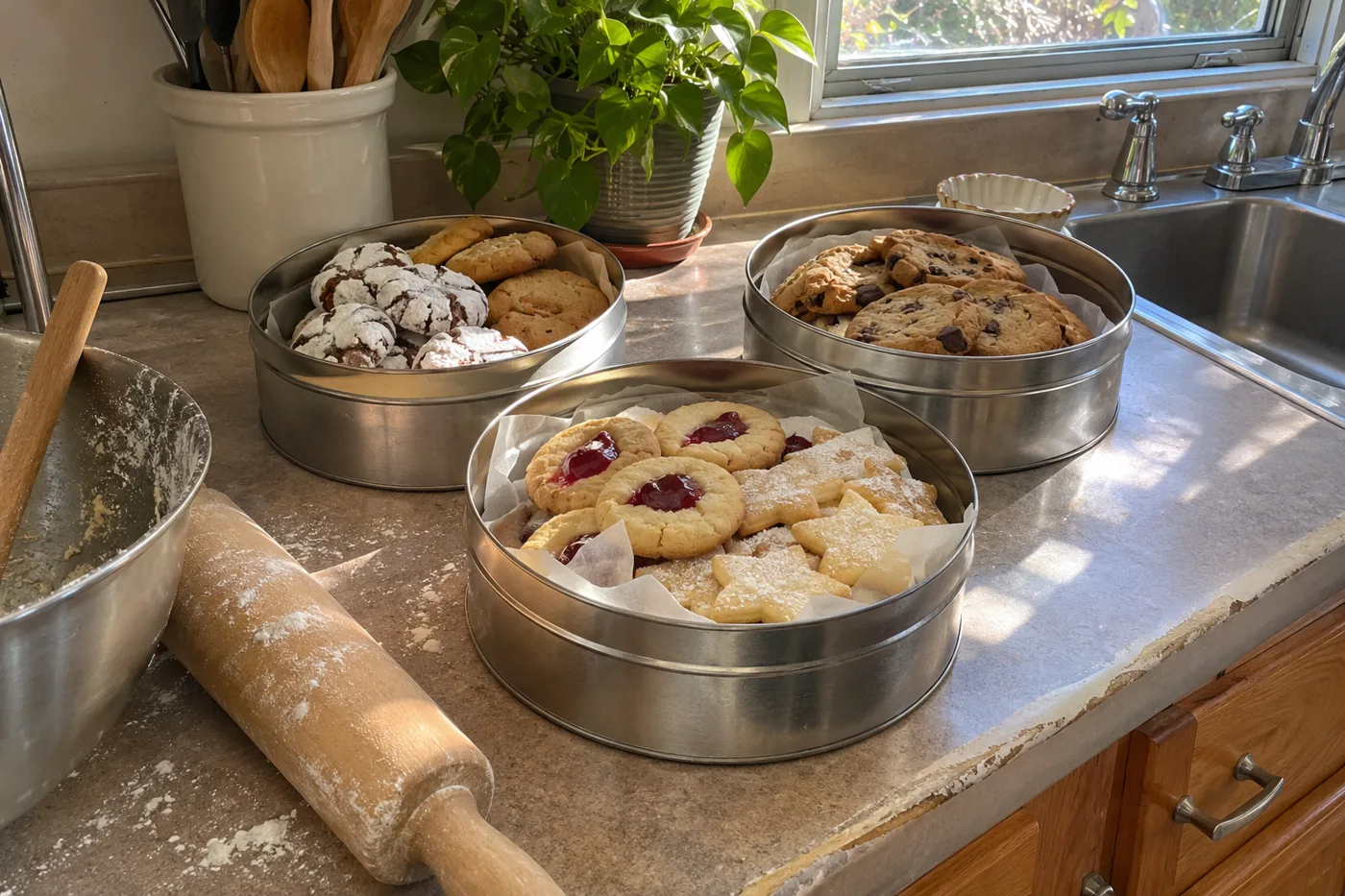
Spritz from the cookie press. Thumbprints with a dot of jam. Rum balls, snowballs, pinwheels, and tins stacked on the dryer with wax paper between the layers. In a lot of kitchens, December looked like a bakery with one employee.
Plenty of women now make two or three kinds, and nobody has filed a complaint. Most still bake something. A 2023 Monmouth University poll found 80% of women planned to make holiday cookies, candy or desserts.
The same poll asked which Christmas cookie Americans love most. The winner, at 32%, was the frosted sugar cookie. Gingerbread got 12%.
So after all those years of pinwheels and rum balls, the favorite turns out to be a cutout with frosting and sprinkles.
#16 A present for every niece and nephew
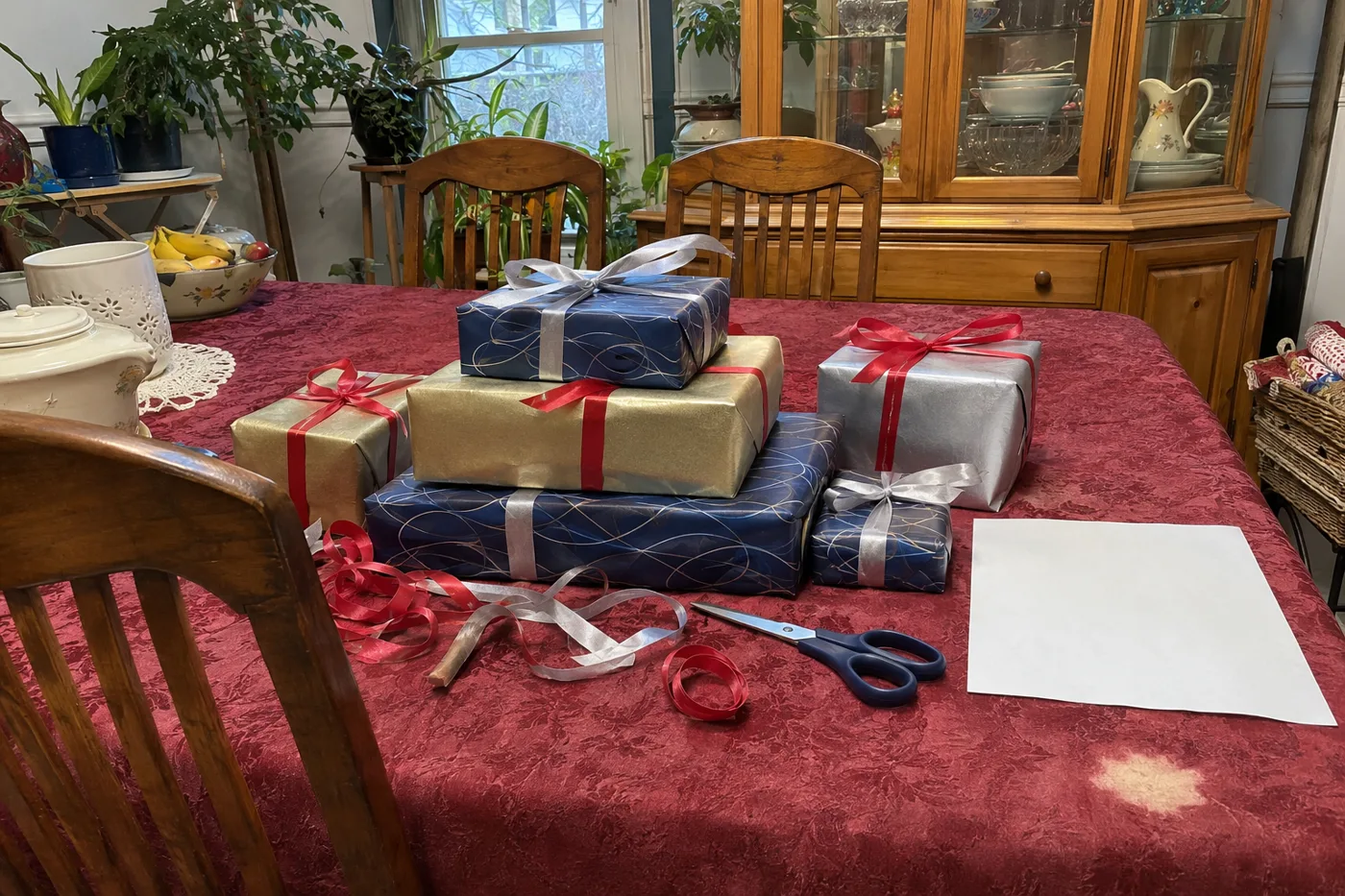
If you’re the aunt with a long list, you know the math. Every new baby adds a name, and the names never come off. The nephew who got a toy truck when he was small now has a beard and a mortgage, and he’s still opening your $20 gift card.
The National Retail Federation projected Americans would spend about $890 a person on the 2025 holidays. About $628 of that was for gifts to family and friends.
Many aunts have quietly drawn a line. The little ones get presents, and the grownups get a card with a real note inside. Some families draw names, so everyone buys one good gift. Others give one board game to a whole household.
The nephew with the mortgage, for the record, has not complained.
#15 Hauling home a real tree

There was the tree lot with its string of bare bulbs, and the man with the saw and the twine. The branches poked through the car window on the way home, and you found needles in the floor mats until the Fourth of July.
Then came the stand, the screws, and somebody lying under the tree asking, “Is it straight now?”
In a 2025 survey for the American Christmas Tree Association, 83% of households planning a tree said it would be artificial. (That group speaks for the artificial tree makers, so take it with a pinch of salt.)
Real trees are hardly gone. Farms sold $553 million worth in 2022, up from $377 million five years earlier. But a pre-lit tree out of a box never needs a drink of water at 7 a.m.
#14 Lights along the roofline
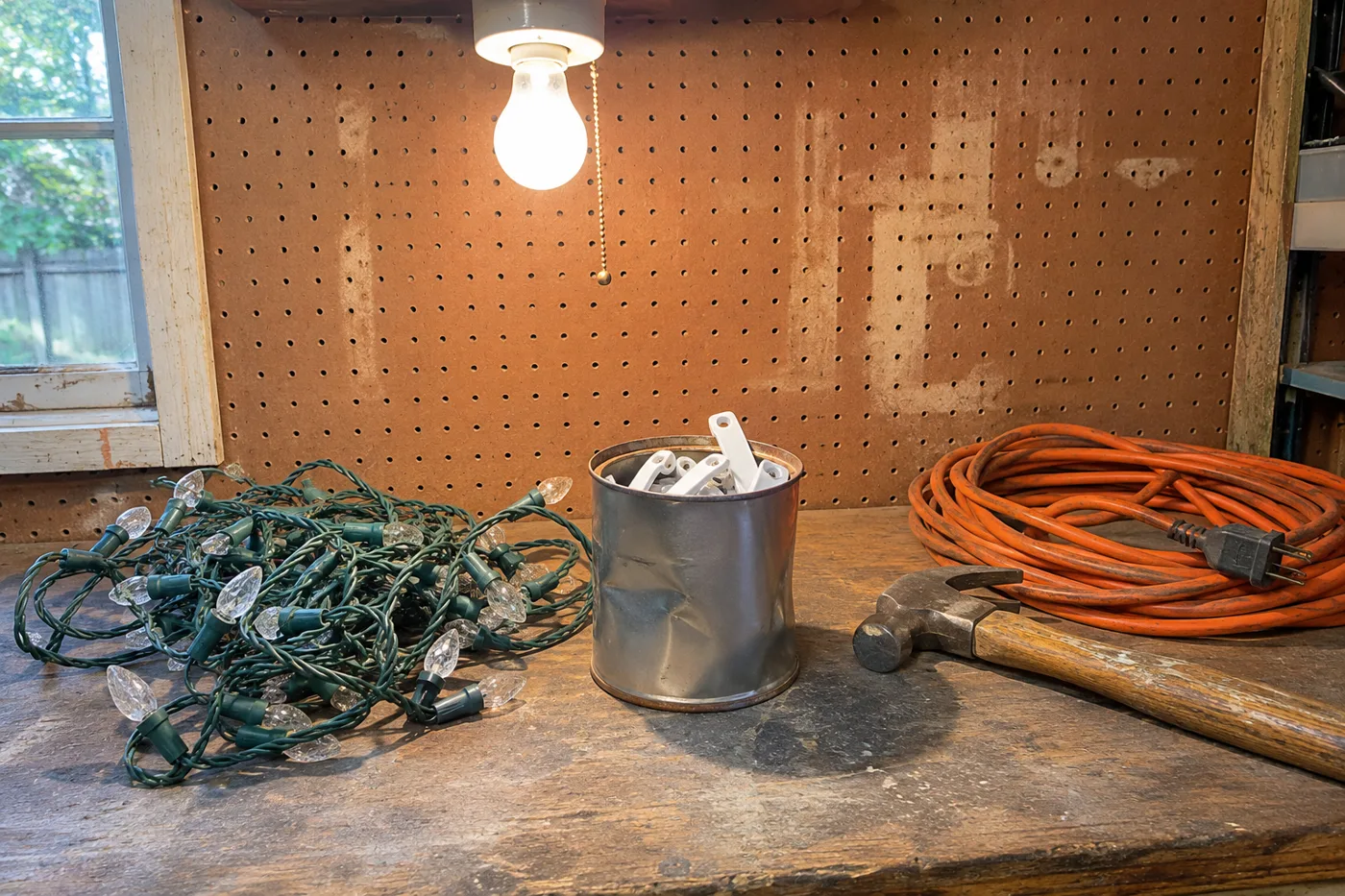
The extension ladder leaned against the gutter, and a coffee can held the plastic clips. The strand tested fine on the living room floor, then went dark the minute it was up, because one bulb somewhere had quit.
Plenty of houses have moved the show indoors. In a 2020 YouGov survey, 42% of people who celebrated Christmas, Hanukkah or Kwanzaa decorated outside. Seventy percent decorated inside.
A dark roofline doesn’t bother anybody on the street. A wreath on the door does a lot of work. So does a lit garland wound around the porch rail, or a candle in every front window, the way a lot of older neighborhoods used to look.
The clips can stay in the coffee can.
#13 Everyone home on Christmas morning

If you raised kids, you may remember the rule. Nobody touched a present until everyone was in pajamas by the tree and the coffee was on.
Then the kids grow up, and some of them want their own children to wake up at home, the way they once did. That first Christmas morning in a quiet house stays with a lot of mothers. Some families pick one set day that works for both sides.
Distance plays a part too. Pew Research Center found about one in five adults lives more than an hour’s drive from any extended family. Another date works just as well. The ham tastes the same.
#12 A houseful sleeping over on Christmas Eve
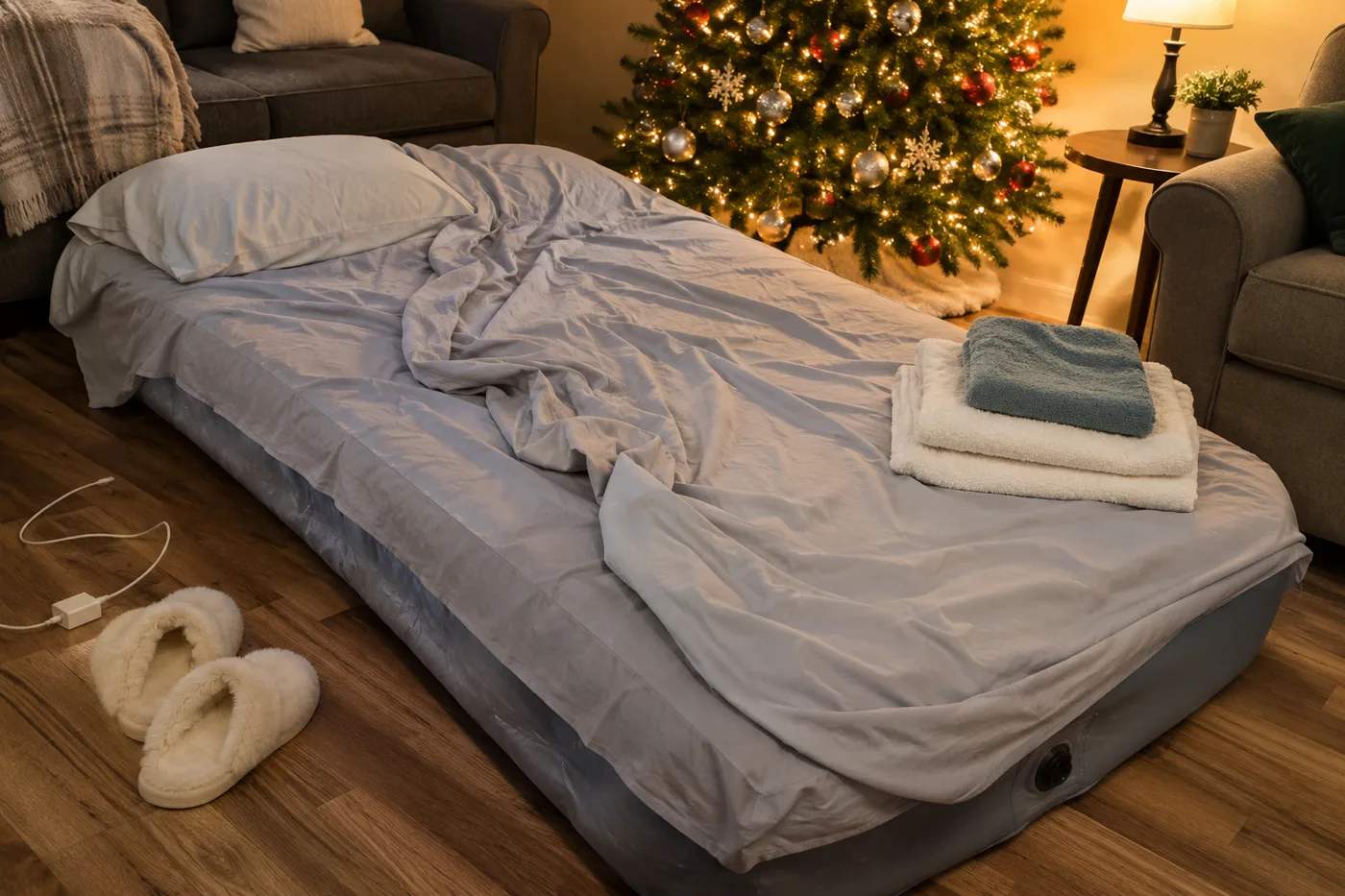
There’s the air mattress that’s half flat by 3 a.m., and sheets tucked into the sofa cushions. There’s a line for the one bathroom, and a stack of towels that’s somehow never enough.
Staying with family is still the usual plan. In a 2023 YouGov survey, 69% of people traveling for the holidays planned to stay with relatives. But 18% planned to book a hotel.
Christmas Eve is just as full. But the guests head back to the hotel at a reasonable hour, and the front desk handles the towels.
#11 Cooking the whole Thanksgiving meal yourself
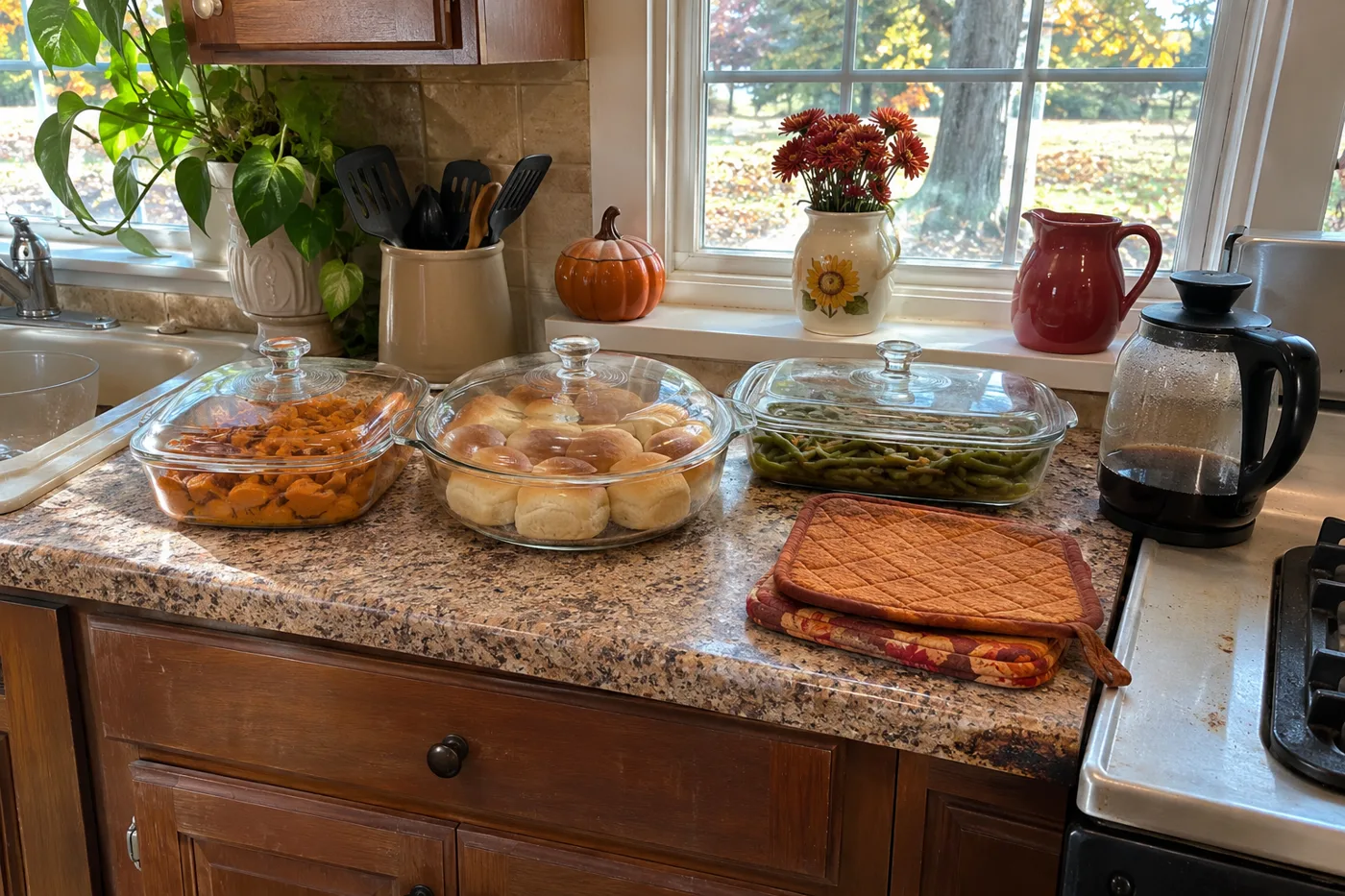
You had four burners and one oven. The turkey wanted that oven for five hours, while the rolls, stuffing and sweet potatoes waited their turn. The gravy got made at the last minute, while everyone else was in the living room watching football.
More hosts hand out jobs now. Deloitte found 48% of Thanksgiving hosts in 2025 planned to ask guests to bring something, about $47 worth on average.
The word for it is older than you’d think. “Potluck” goes back to 16th-century England, where it meant taking the luck of the pot. The bring-a-dish meaning came later.
Give the sweet potatoes to whoever brags about theirs. Give the rolls to the one who can’t cook. Anybody can carry a bag of rolls.
#10 The good china and the ironed tablecloth
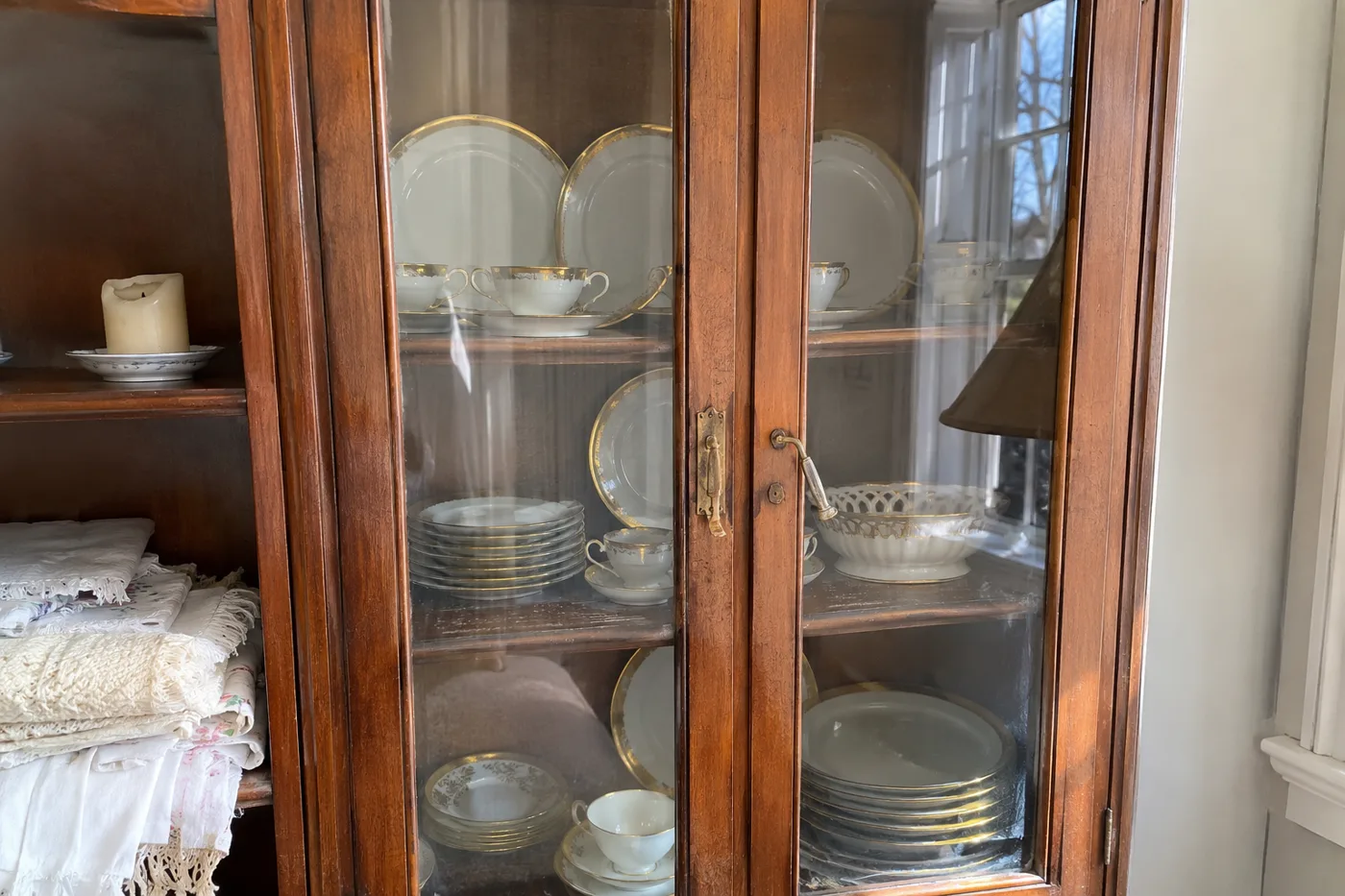
The china cabinet had glass doors. The gold-rimmed plates never went near the dishwasher. The tablecloth was ironed the night before, then guarded all through dinner from gravy and candle wax.
A lot of women have put the iron away and set the table with everyday plates. Saving the china for the next generation is no sure thing anyway.
Boston.com reported that younger people often turn down inherited sets, citing small homes, frequent moves and all that hand-washing. Unwanted china turns up at garage sales, flea markets and secondhand stores all the time.
So some women have flipped the rule. The good plates come out on a plain Tuesday. A gold rim looks just as nice around meatloaf.
#9 Fudge, divinity and peanut brittle by hand
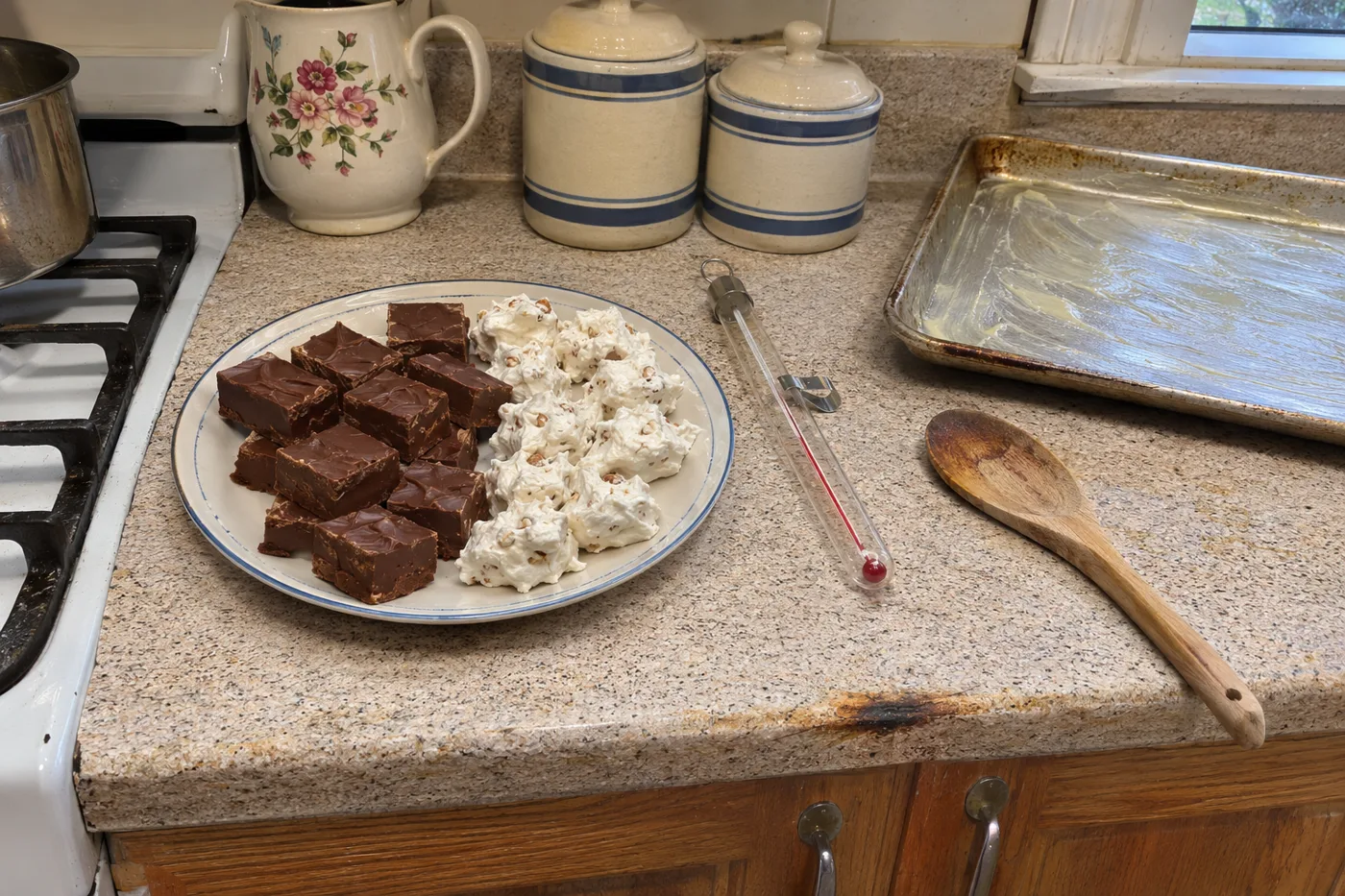
Candy thermometer clipped to the pot. A buttered cookie sheet waiting for the brittle. Somebody beating fudge with a wooden spoon, hoping it would set smooth and not go grainy.
Divinity was the diva of the bunch. Those white, cloudy peaks refused to firm up on a damp day, so plenty of cooks checked the weather before they checked the pantry. A long-running recipe site still says not to even attempt it when the humidity is high.
Many candy makers now choose one, usually the one people ask for by name, and make a single batch. Others buy a box from a candy shop and set it out on a nice plate.
What to know about divinity
- Skip divinity if the humidity is above 50 to 60%
- Today’s version traces back to a 1915 recipe
- One theory says it was invented to help sell corn syrup
#8 A fruitcake for everybody
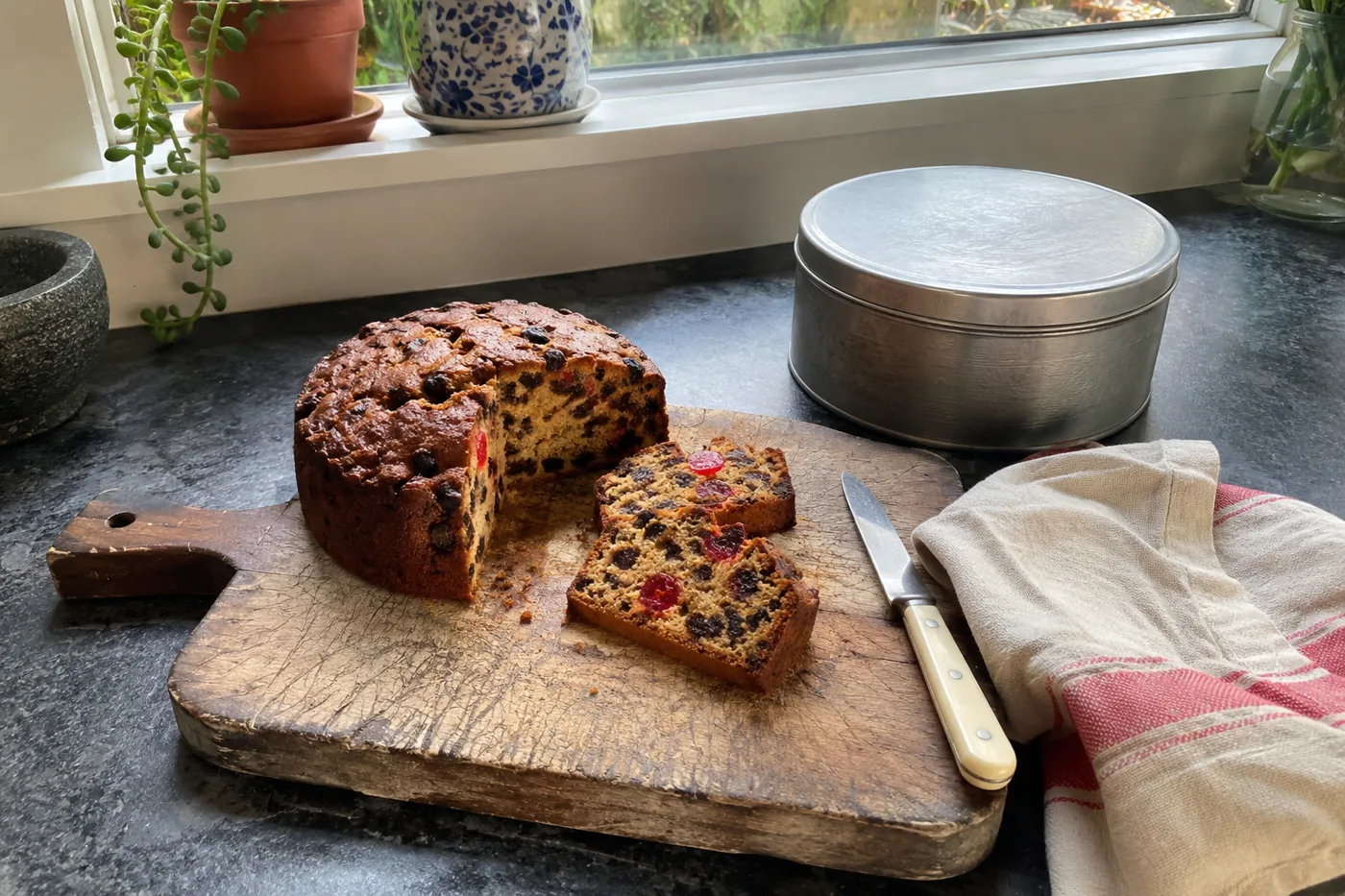
Candied cherries the color of a stop sign. Citron, raisins, walnuts, and cheesecloth soaked in brandy, wrapped around the loaves for weeks in a tin. Fruitcake used to take up half the fall.
Then it became a punchline. Johnny Carson is credited with the joke that there’s only one fruitcake in the world, “and people keep sending it to each other.”
The funny part is that somebody’s eating them. More than 2 million fruitcakes sell in the U.S. every year, and one Texas bakery turns out 20,000 a day.
So women who used to bake a dozen loaves now buy one, or none at all. The brandy keeps just fine in the cupboard either way.
#7 Tinsel, one strand at a time
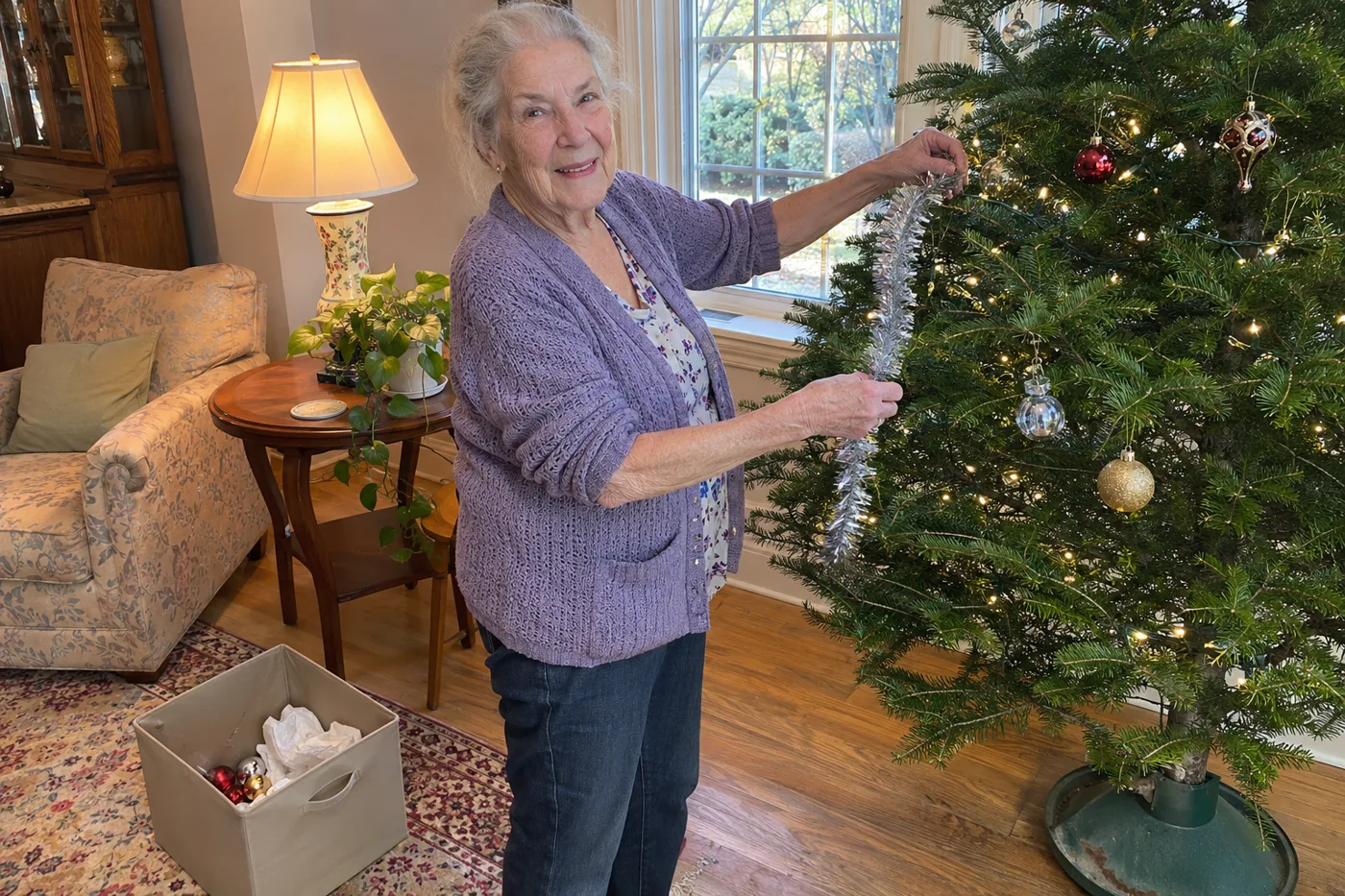
Every house had two kinds of people. Some laid a single strand over each branch, slow as Sunday. Others threw it by the handful. Some mothers saved it after New Year’s, draped over a piece of cardboard, for next year.
If the old tinsel hung better, you’re remembering right. Much of it in the 1950s and ’60s was made with lead. In 1972, manufacturers agreed with the Food and Drug Administration to stop making lead tinsel, and today’s is plastic, which doesn’t drape like the old metal kind.
That’s why the new stuff floats, clings to your sweater and leaves the tree looking like it went through a static storm. Plenty of women gave up on it and switched to bead garland or ribbon.
You’ll still find one strand in the carpet in March.
#6 Knitted and crocheted gifts for the whole family
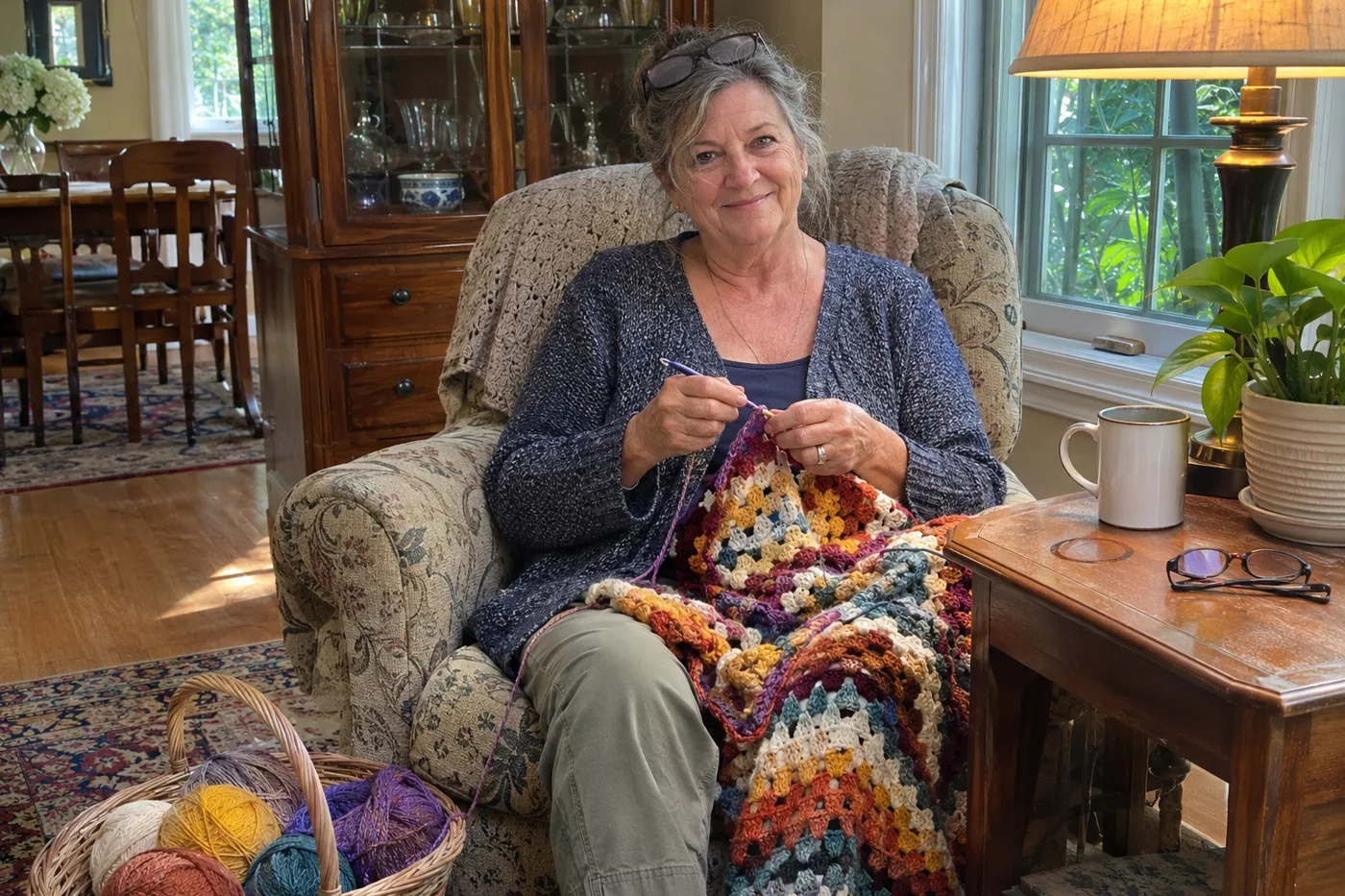
There was a basket of yarn by the chair. There were hats in every color, scarves for the mail carrier, and an afghan in progress from Labor Day on, through every TV show of the fall.
An afghan-size crochet blanket takes 40 to 80 hours, by one kit seller’s estimate. That’s one gift, before you get to the rest of the list.
The making was always the point. In a Craft Yarn Council survey, the second most common reason people gave for knitting and crocheting, after having a creative outlet, was that they enjoy making things for others.
So the women who stopped making gifts for everybody didn’t stop making. They make for the people who actually wear it.
The cousin who wore last year’s hat to the grocery store gets this year’s scarf.
#5 Staying up until midnight on New Year’s Eve

Pots and pans banged on the porch. Noisemakers from the dime store, a glass of something bubbly, the countdown on TV. Depending on where you lived, midnight brought fireworks, church bells or just the neighbor leaning on his car horn.
The Times Square ball has dropped every year since 1907, except for two years during the war. That’s a long time to keep anybody up.
Plenty of people don’t stay up. In a 2017 YouGov survey, only 43% of Americans said they stay up until midnight every year.
If you live west of New York, the ball drops before your own midnight. Watch it, toast it and go to bed. Or pick any time zone you like and claim it. Somewhere it’s already next year.
#4 Swapping presents among the grownups
It’s the white elephant party with the scented candle that’s made the rounds three years running. It’s the gag gift, and the $20 limit nobody followed.
Some families have swapped the adult gift exchange for a donation in the family’s name. It’s a polite way out: nobody has to shop for gifts, and nobody ends up with a fourth candle.
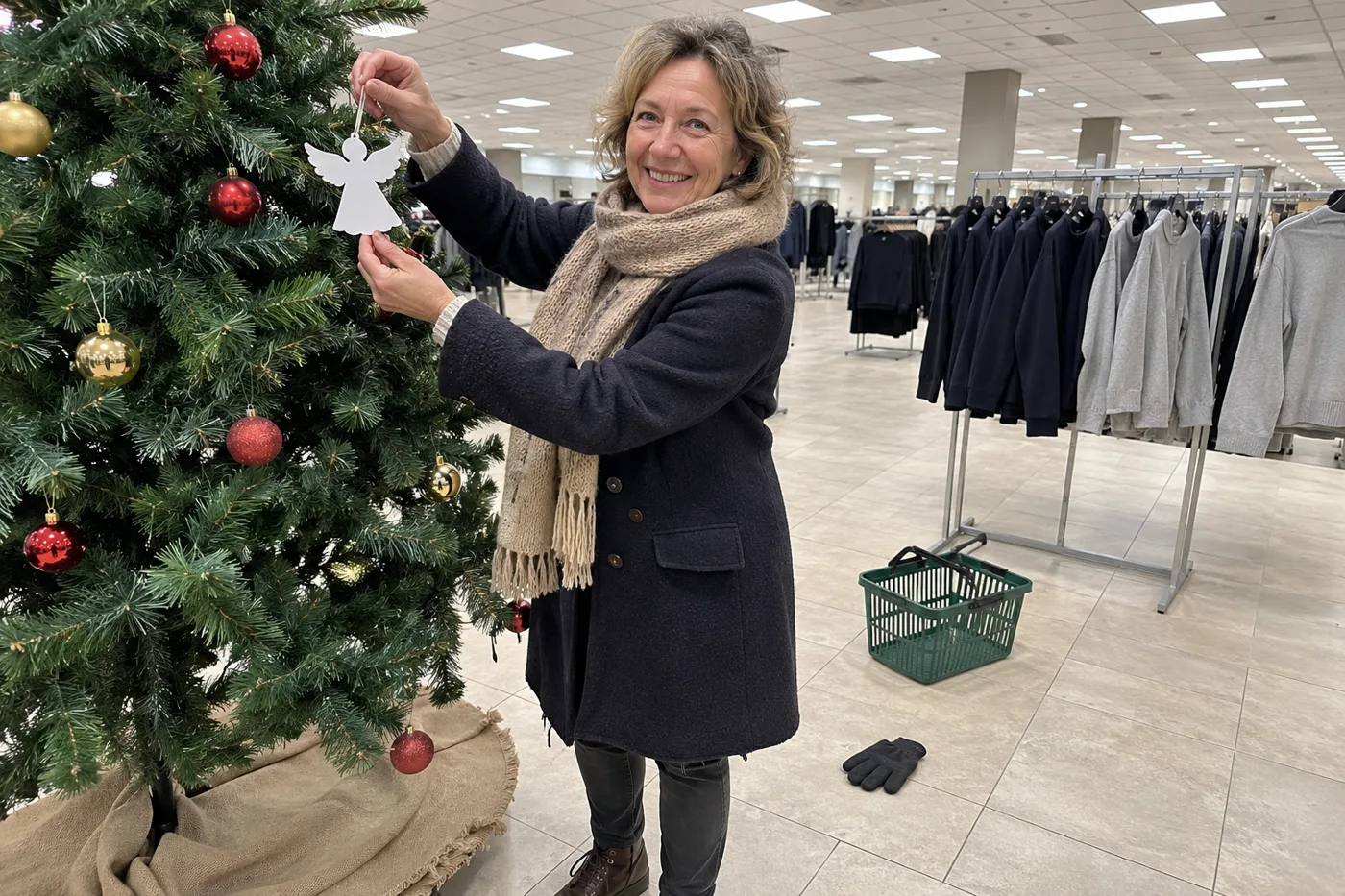
One of the best-known ways to do it started small. In 1979, two Salvation Army captains in Lynchburg, Virginia, cut angels out of a Hallmark Christmas card, wrote a child’s information on the back and hung them on a tree. The Angel Tree now serves more than a million children a year.
You’d have company. The National Retail Federation found 67% of Americans planned at least one charitable activity for the 2025 holidays. Just settle it with the family before anyone starts shopping.
#3 Waiting until after Thanksgiving to decorate
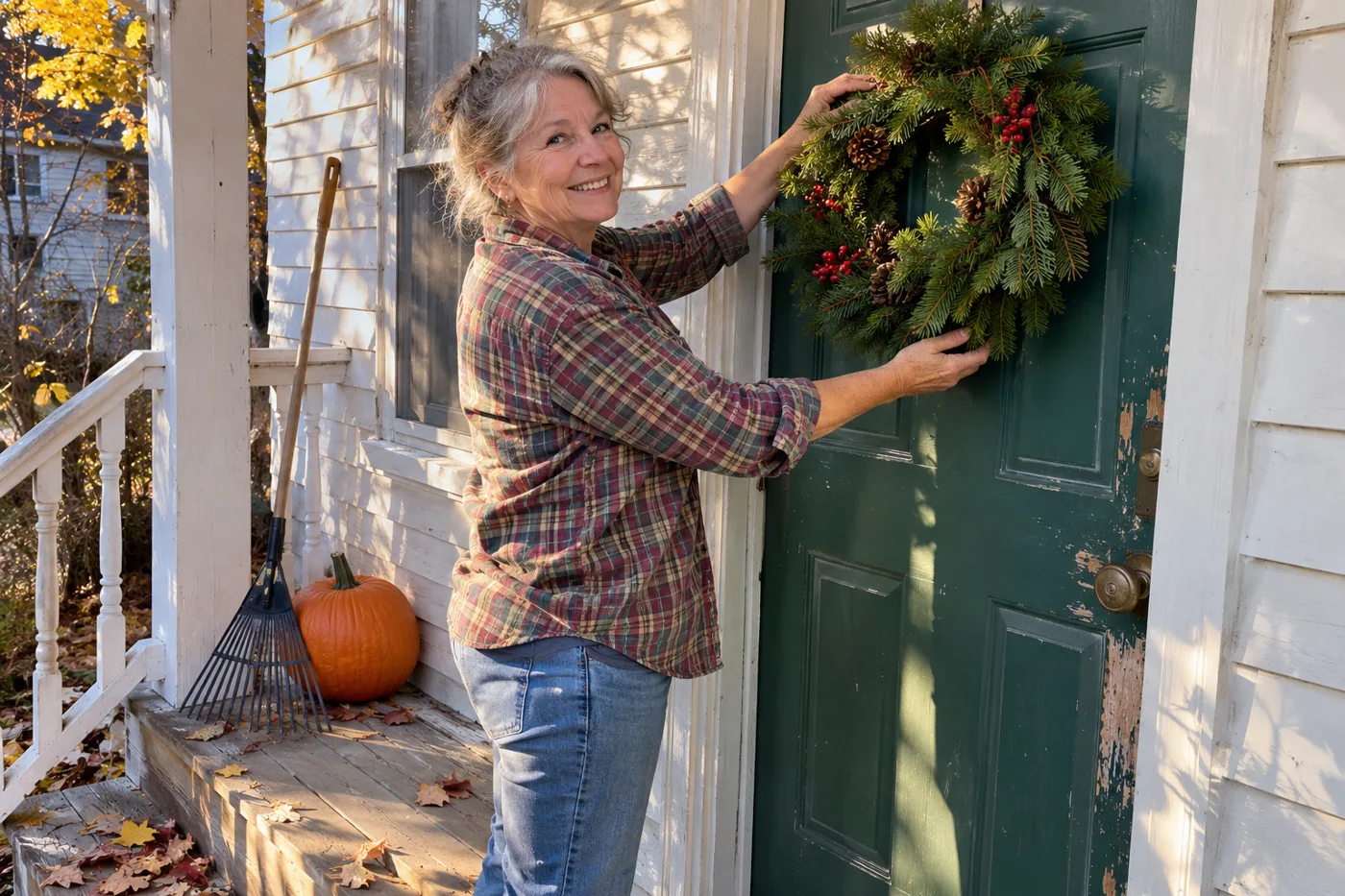
In plenty of houses it was the law. Nothing red or green came out until the turkey platter was washed and put away. Some families held off even longer, until a couple of weeks before Christmas, or Christmas Eve itself.
That law has gone soft. In a 2020 YouGov survey, 27% of people said their decorations went up before Thanksgiving.
Rebecca Robeson, an interior designer with more than 30 years of holiday decorating behind her, explains why in one of her videos. Professionals like her “decorate early,” she says, because “we actually want to enjoy the holidays ourselves.”
If you’re the one doing all the work, you may as well get more than four weeks of looking at it. The wreath can go on the door this week. The turkey won’t know.
#2 Gift baskets for the whole family
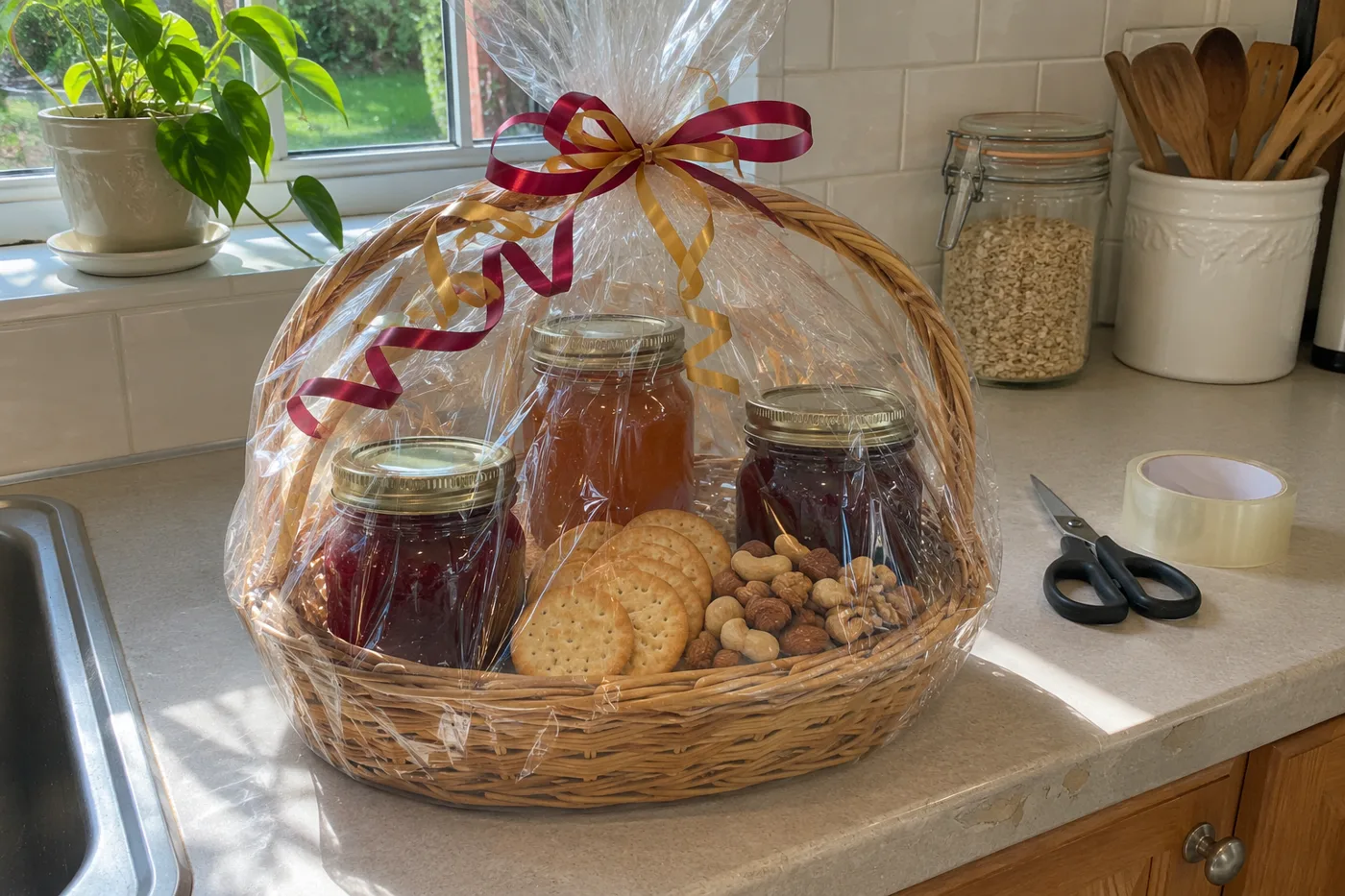
Mason jars of jam with gingham on the lids. Spiced nuts, homemade crackers, a little card tied on with curling ribbon. Then the shredded paper, the bubble wrap, the boxes and the line at the post office.
It tends to go sour the same way. Once the basket was expected, it stopped feeling like a gift. Relatives started sending requests and dietary instructions. Some never mentioned it arrived.
So the basket shrinks to one jar of jam for the neighbor, or turns into a phone call. If you’re still mailing something, here are the 2026 dates for the lower 48, plus the one for farther away:
2026 mail-by dates for Christmas delivery
- Dec. 17: Ground Advantage (regular ground shipping) and First-Class Mail
- Dec. 18: Priority Mail
- Dec. 19: Priority Mail Express
- Dec. 16: Ground Advantage to Alaska, Hawaii and the territories
#1 Every box of decorations, every single year
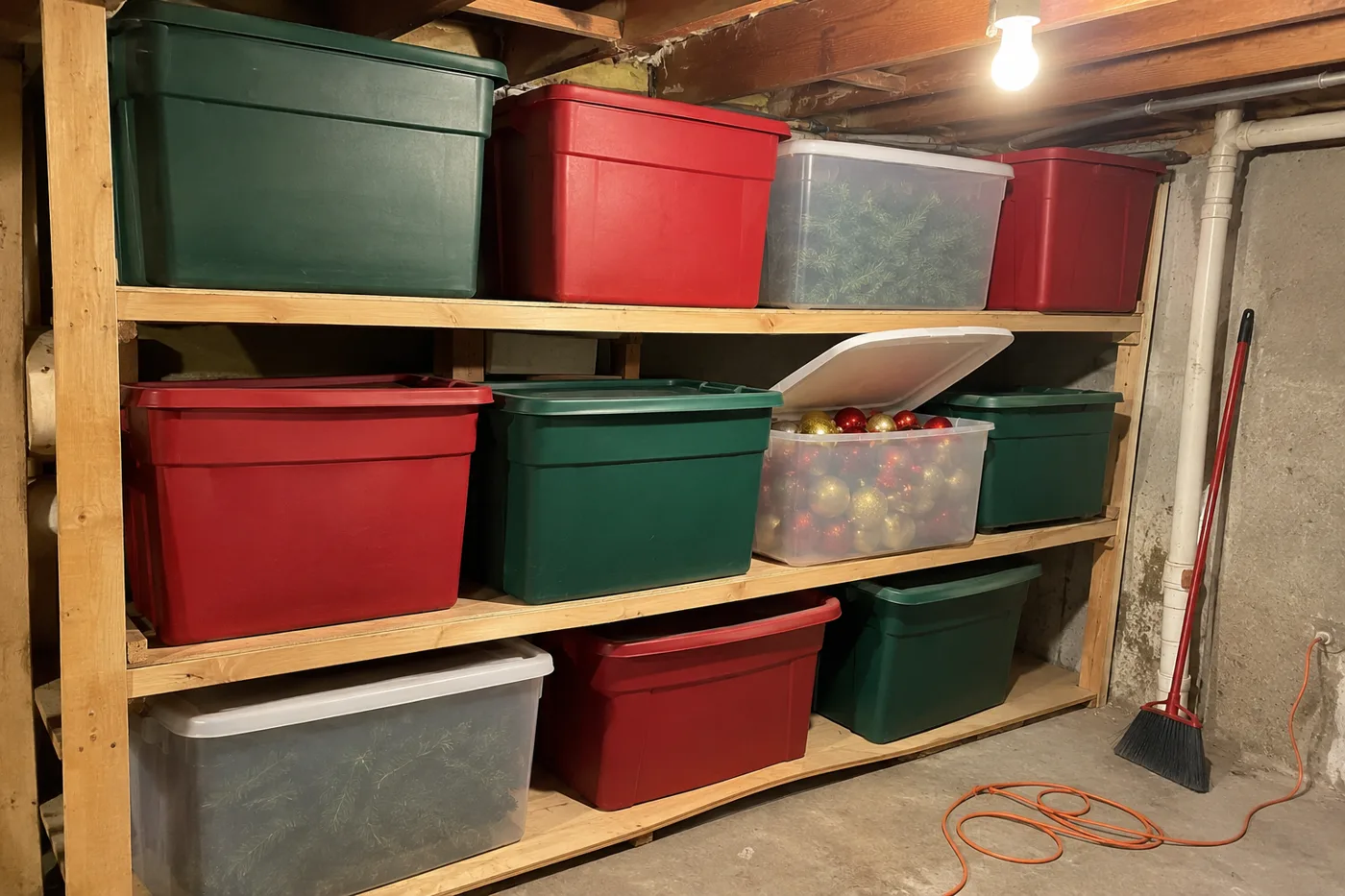
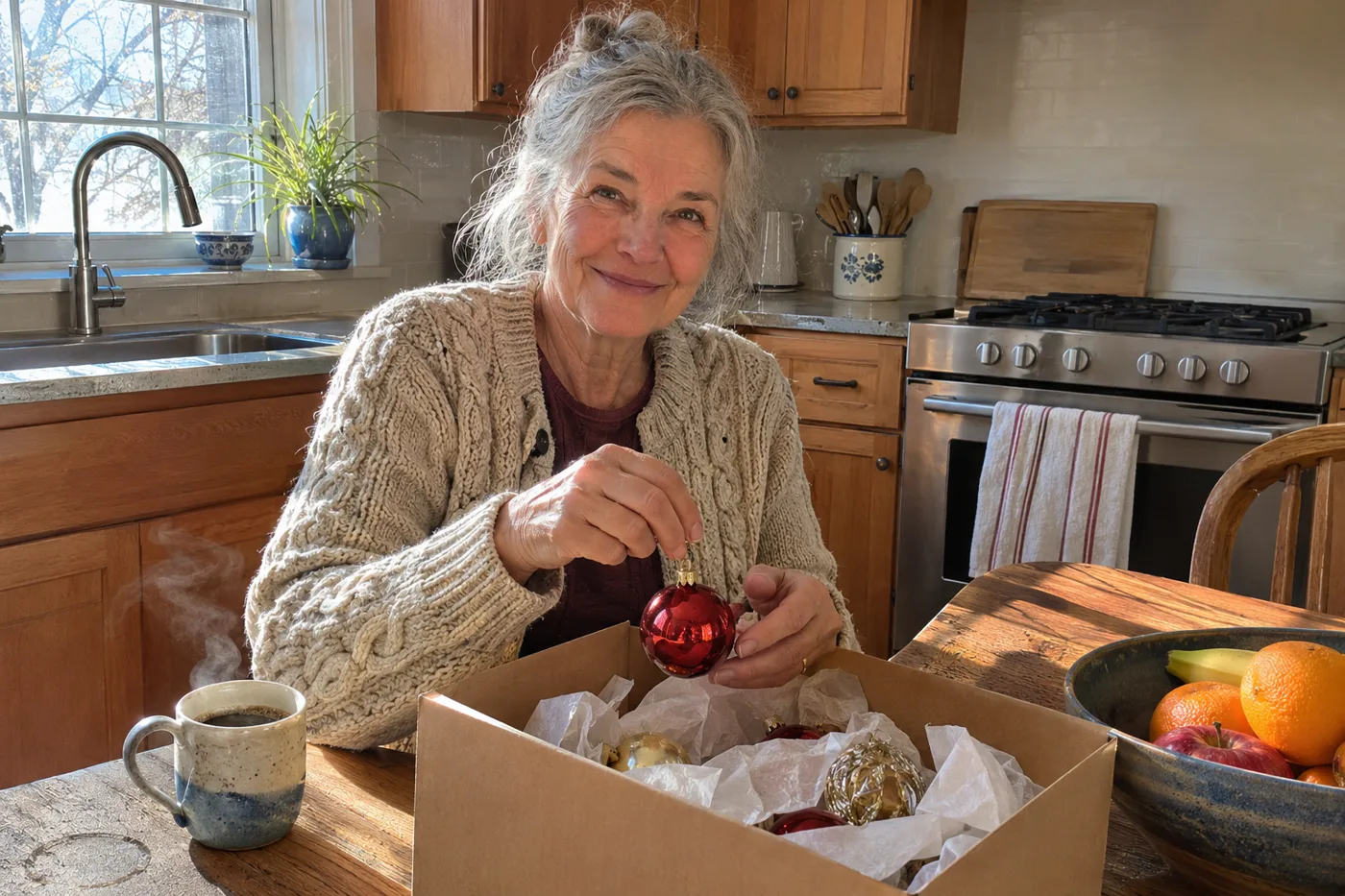
The totes are labeled in marker. There’s the ceramic tree with its little plastic bulbs, the nativity, the village, and the nutcrackers lined up like a marching band. There’s the snowman collection that started with one gift and got out of hand.
Many women remember a mother or grandmother who covered every flat surface in the house. Some tried to keep it up exactly as she did.
A mantel display of a hundred-plus ornaments is more work than joy for a lot of women. The ones who’ve cut back often keep a small set of favorites gathered over the years.
So open every box once. Keep out what makes you smile when the lid comes off. Write “maybe next year” on the rest and put them back on the shelf.
The bottom line
Before Thanksgiving, try one question on each tradition: if I skipped it, who would notice first? If the honest answer is “me, and I’d miss it,” keep it. If it’s a long pause, that’s your answer.
For the ones you keep, do them on purpose. One batch of fudge, made on a dry day.
Bonus: How to hand a tradition off instead of dropping it
- Give the recipe card along with the pan it was always made in.
- Tell whoever takes over to change one thing, so it becomes theirs.
- Keep one dish if you enjoy making it.
- Say “Let’s try it this way this year.” A one-year trial is easier to agree to than a farewell.
- Hand the ornament box to whoever always lingered over it.
Questions people also ask
Is it normal to stop hosting the holidays as you get older?
Yes. You don’t have to keep hosting just because you’ve always done it. If someone else wants to host, you can bring a dish instead.
Why do grown children want Christmas morning at their own house now?
Often they want their own kids to wake up at home, just as they once did. A long drive can settle it too.
What is America’s favorite Christmas cookie?
The frosted sugar cookie. In a 2023 Monmouth University poll it came first with 32%, ahead of gingerbread at 12%, chocolate chip at 11% and snickerdoodles at 6%.
Why was tinsel banned?
It wasn’t exactly banned. In 1972, U.S. manufacturers agreed with the Food and Drug Administration to stop making tinsel with lead. That’s why today’s tinsel is plastic, and why it doesn’t hang like the old kind.
How much does a Thanksgiving dinner for 10 people cost now?
About $55. The American Farm Bureau’s 2025 survey put a classic dinner for ten at $55.18, or about $5.52 a person. That was 5% less than in 2024 and the third yearly drop in a row.
Related posts:
22 Things You're Saving That Your Children Will Throw Away
26 Christmas Cookies From the 1960s That Nobody Bakes Anymore
23 Things People Over 60 Still Do When Decorating That Designers Beg Them to Stop
25 Homemade Christmas Decorations From the 1960s, and What Became of Each One
21 Handmade Gifts From the 1970s Your Grandchildren Have Never Seen
24 Things People Over 60 Still Do When Cleaning That Experts Beg Them to Stop

- 24 Things People Over 60 Still Do When Cleaning That Experts Beg Them to Stop - November 6, 2026
- 21 Handmade Gifts From the 1970s Your Grandchildren Have Never Seen - November 6, 2026
- 25 Homemade Christmas Decorations From the 1960s, and What Became of Each One - November 6, 2026

Leave a Reply