Every house has a closet you open carefully. Christmas village boxes are stacked on the top shelf. A garment box with a little plastic window sits behind them, and there’s a bin of fabric on the floor. Many people who have emptied a parent’s house describe the same order of events.
Family takes a few things, an estate sale takes more, a charity takes what’s left, and a dumpster takes the rest. Plenty of what’s in that closet ends up at the last stop. Not all of it, though.
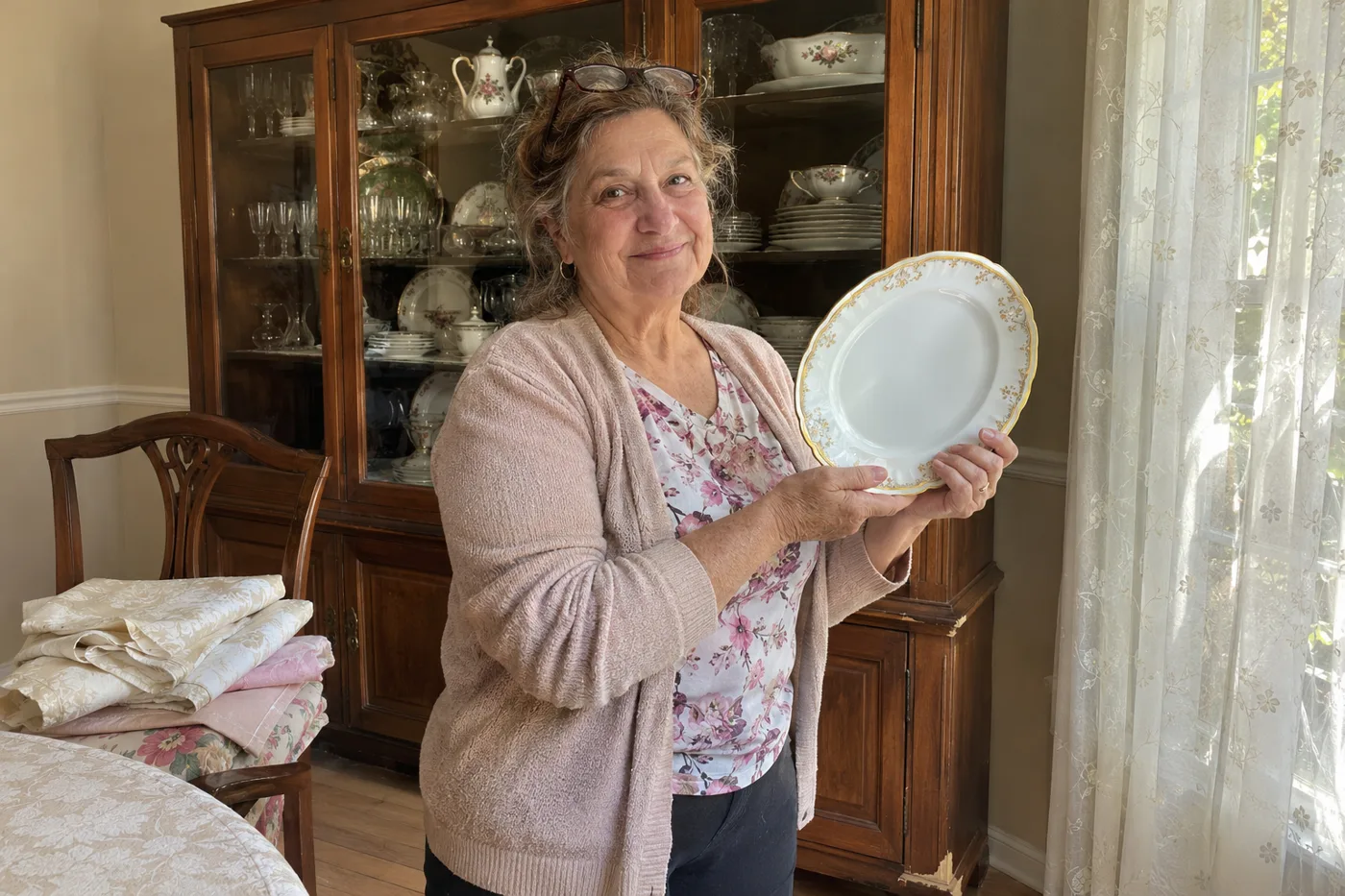
#22 The good china saved for holidays
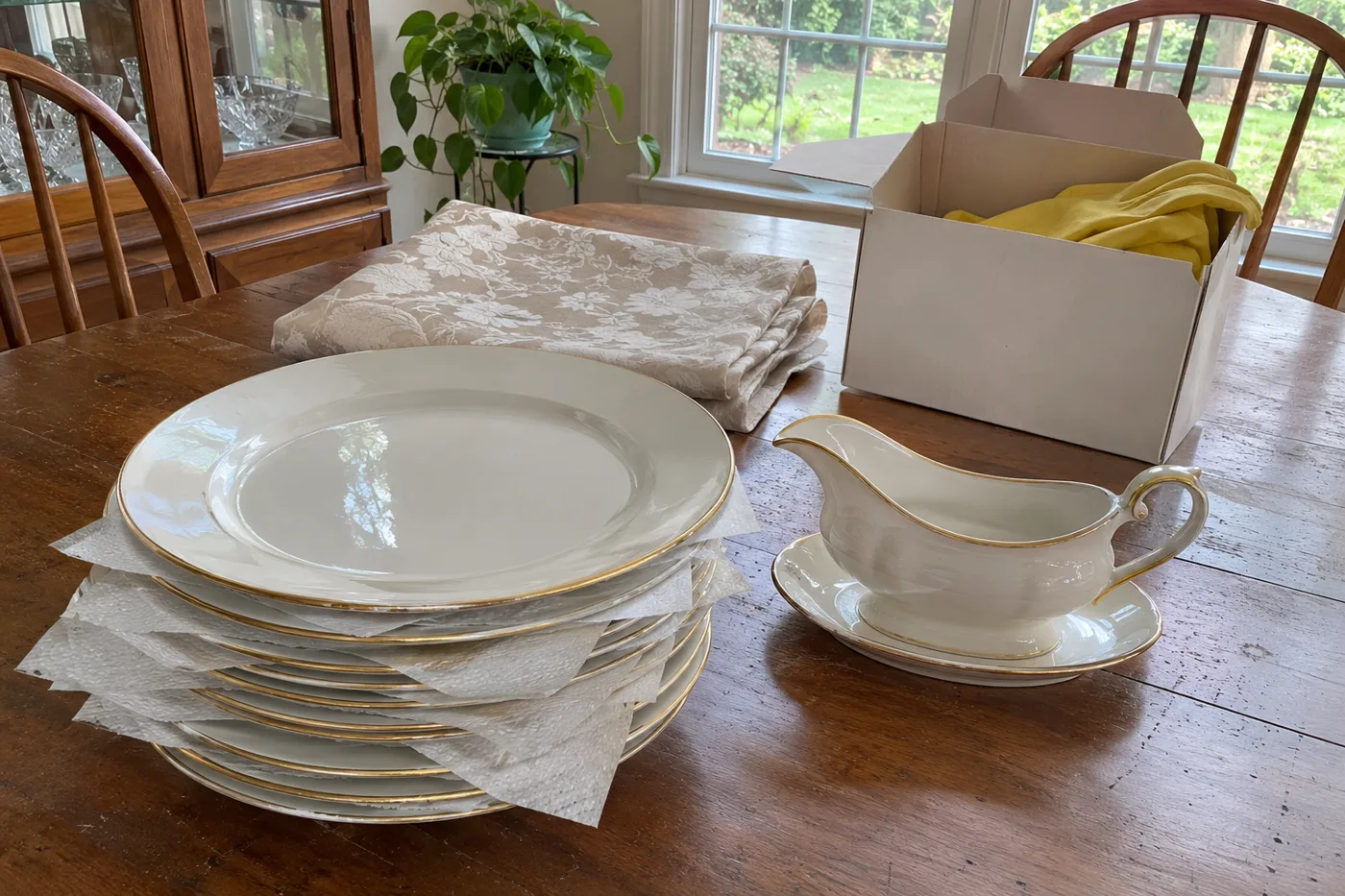
Twelve place settings with a gold rim, and a gravy boat with its own little saucer. It comes out at Thanksgiving and gets washed by hand. Then it goes back up to the top shelf for another year.
The china is often one of the things nobody claims. Younger households mostly don’t want a full set.
A 2022 study by the wedding site The Knot found just 13% of couples put china on their registry. The reasons were smaller homes, more years of renting and a taste for everyday stoneware.
The single piece still has buyers, though. Replacements, Ltd., in North Carolina, keeps about 11 million pieces on hand and has more than 475,000 patterns in its database.
Its customers are people hunting for the one cup that broke. Flip a plate, read the pattern name on the back and look it up before anyone calls it worthless.
#21 The dining table, chairs and china hutch
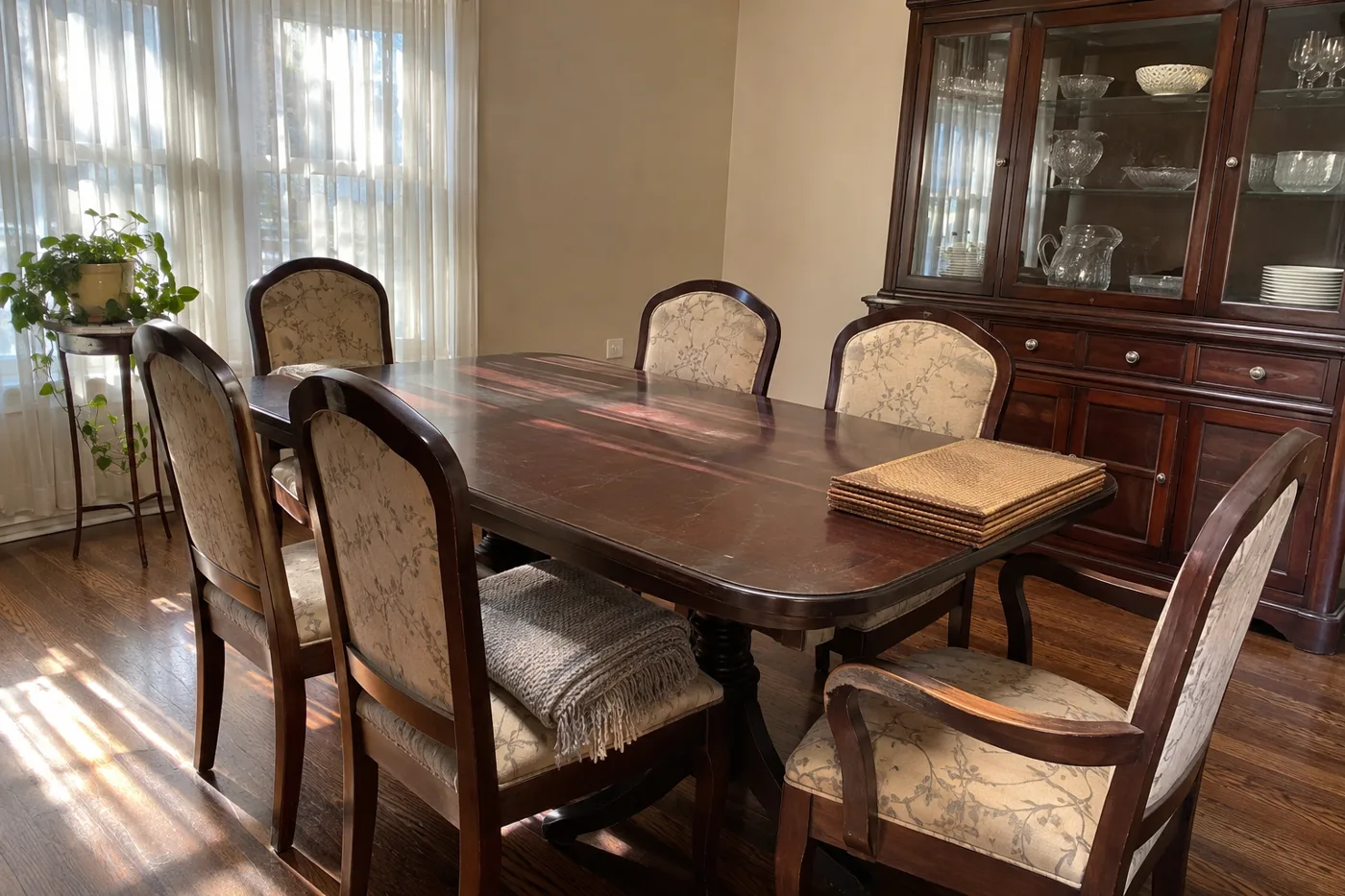
It’s solid wood, with two leaves in the hall closet and six chairs, plus a seventh in the basement.
Appraisers have a name for it: “brown furniture.” In 2016, appraiser Courtney Ahlstrom Christy wrote that traditional wood pieces had lost about half their value in five years. She added that formal dining rooms were rarely used and were turning into offices and home theaters.
And old furniture has a hard road. In 2018, the latest year the government reports, Americans threw out 12.1 million tons of furniture and furnishings, and about 80% went to a landfill. That counts everybody’s castoffs, not just inherited pieces.
If the hutch is sturdy, measure it, photograph it and list it. You know where the leaves are, and a buyer will want them.
#20 Boxes of family photos nobody labeled
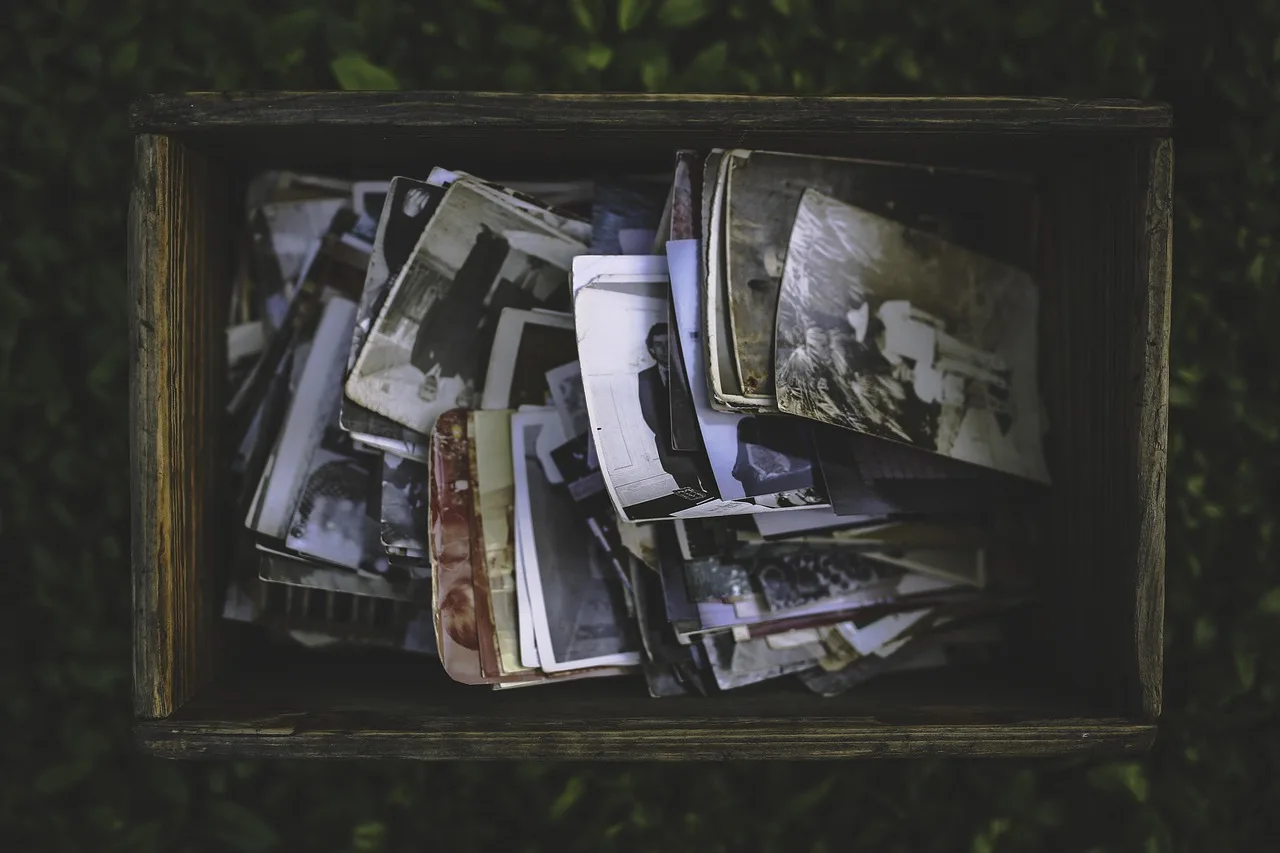
The lid won’t quite close. Inside are a lake, a front porch and four women in hats squinting into the sun. Somebody knew their names once.
Families who have cleared a house often say the photos were the hardest part to sort. The furniture could go, but nobody alive could name the faces. A picture with names on the back is family history. A picture without them shows strangers at a lake.
A pencil fixes most of it. The Edmond History Museum in Oklahoma calls a plain #1 or #2 pencil “the museum gold standard”.
Write the name, date and place lightly on the back in pencil, and skip the everyday ballpoint or marker. Pencil won’t take on glossy backs, so for those, WVU Libraries points to a quick-drying, non-bleeding pen made for marking photos.
Start with the women in the hats.
#19 Crystal stemware behind the cabinet glass

Waterford, Fostoria, Lenox. They sparkle behind the glass doors and come out for maybe one toast a year.
A 2026 price guide is blunt about it: “most crystal is worth less than families expect.” Waterford Lismore stems sell for about $15 to $35 a glass, or $120 to $250 for a set of eight. Fostoria American stems go for $5 to $15, and Lenox for $8 to $20.
If you still like using them, hang on to a few. Wash them by hand: Cumbria Crystal says no glass or crystal is truly dishwasher safe, because dishwasher detergent can leave a cloudy bloom that never comes off.
If you use them for something acidic, like fruit juice or wine, keep it occasional: Health Canada says lead crystal can pass more lead into those drinks, and it advises against using it at all for infants, children or pregnant people.
#18 Sterling and silver-plated flatware in the chest
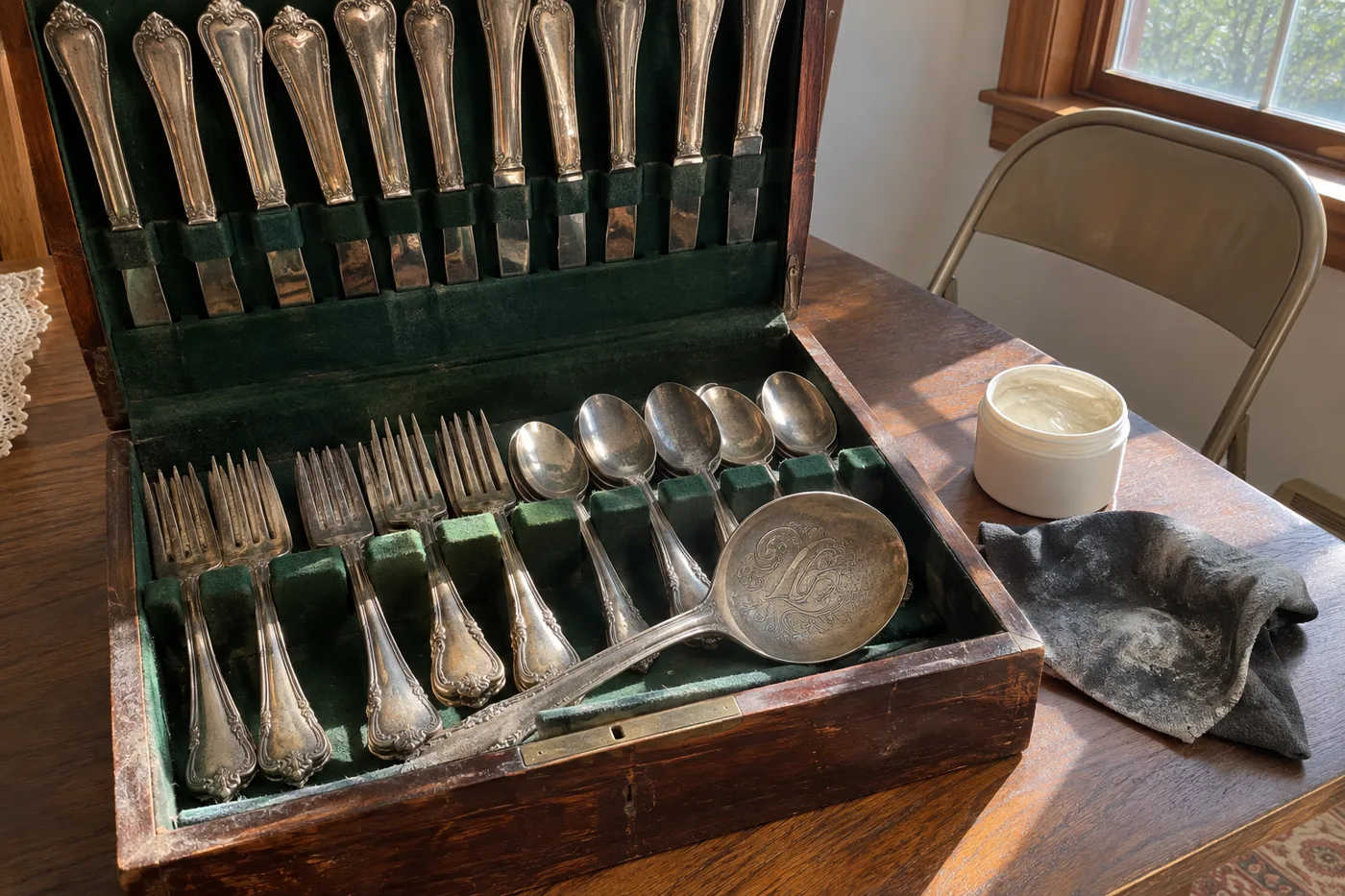
The wooden chest has green felt slots, the polish turns the cloth black, and the serving spoon carries a curly initial.
Real money can hide in that chest, if it’s the right kind of silver. Solid sterling still sells for scrap. In early November 2026, its melt value, the worth of the silver inside, was about $1.57 a gram. Dealers typically pay 80 to 95 percent of that. A heavy service for twelve adds up.
Silver plate is a thin coat over cheaper metal. A typical plated teapot holds less than one gram of silver in all, and refiners generally won’t pay for plate.
Turn over one teaspoon before you polish the rest.
Sterling or plate: the 10-second check
- Solid silver is stamped “Sterling” or “925”
- Solid British silver carries a tiny walking lion, called the lion passant
- Plate is stamped “EPNS,” “EP,” “EPBM” or “Double Plate”
- “A1” is a maker’s quality grade, not a sign of solid silver
#17 Porcelain figurines on the shelf
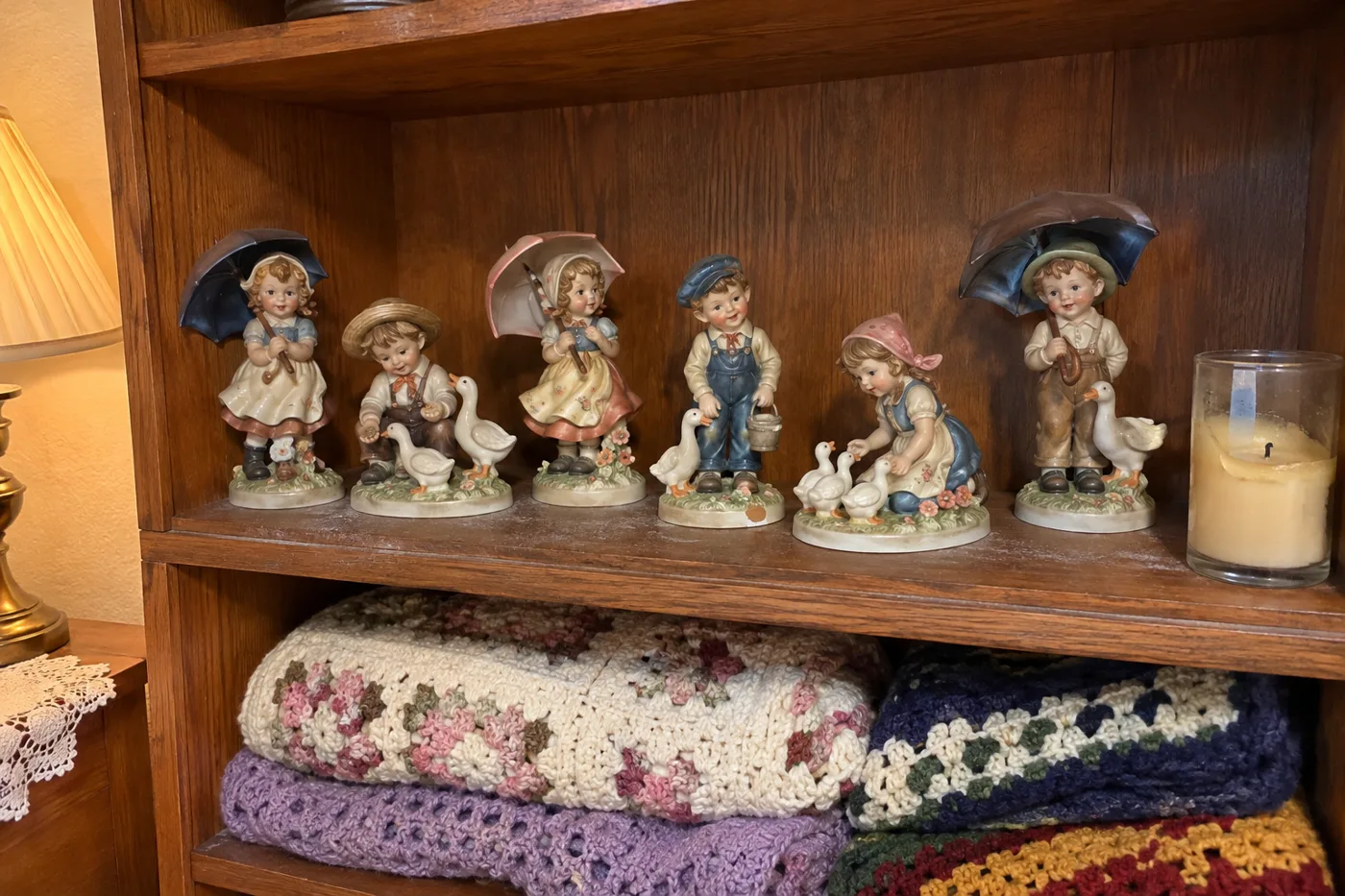
Rosy-cheeked children with geese, umbrellas and accordions line the shelf, and each one gets dusted by hand. Hummel figurines have been made in Germany since 1935.
Figurine collections are among the things nobody takes, and the prices explain why. One value guide says most Hummels now sell for about $25 to $75.
It warns that old price books “can overstate what a buyer is willing to pay.” Even the maker has had a rough ride, with two bankruptcies since 2013 and production cut from 55,000 figurines a year to 20,000.
Before you pack them, tip each one over. A small crown stamped on the bottom marks the earliest years. That figurine can be worth 10 to 20 times the same model with a later mark.
#16 Collector plates hung on the wall

They hang down the hallway on spring-wire hangers: a snowy covered bridge, a pair of cardinals, a wolf under the moon. Each one came with a certificate filed in a drawer somewhere.
They were sold as an investment. The Bradford Exchange began in 1973 as The Bradford Gallery of Collector’s Plates and sold limited editions with the promise that they’d go up in value. In the 1980s and ’90s, a plate cost $30 to $40.
Then the market dropped suddenly in the 1990s. Most plates now bring about 25% of what owners paid. In 2012, Terry Kovel of Kovels.com put them on a list of 10 collectibles no longer worth collecting.
Hang on to the ones you like looking at, and let the rest go. A $40 plate is now roughly a $10 plate. It’s still a very nice wolf.
#15 Christmas village houses filling the closet
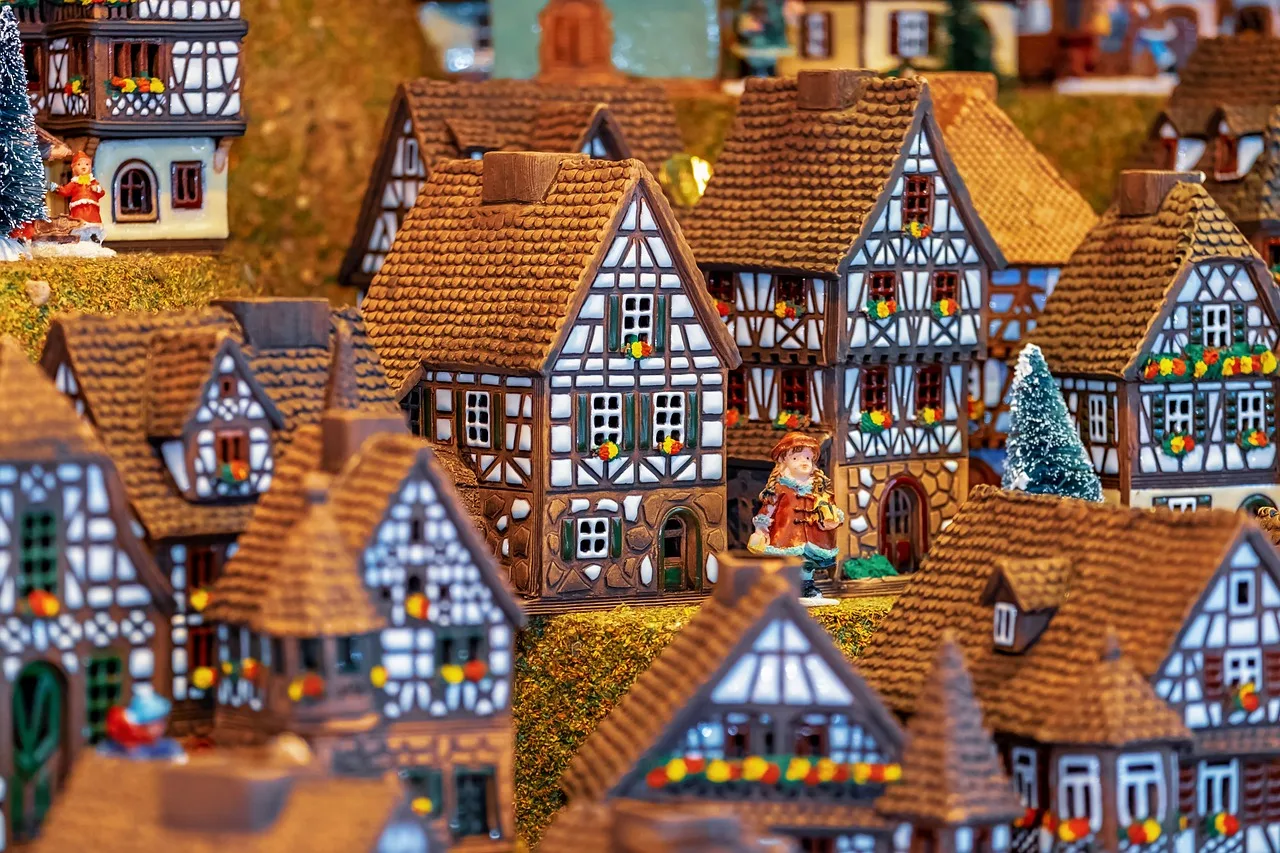
The village goes up the weekend after Thanksgiving. There’s cotton batting for snow, a pocket mirror for the skating pond and a nest of extension cords behind the sideboard. Taking it down takes longer, because every building goes back in its own box.
Keep doing that. A Department 56 reseller says many buildings bring about $20 to $100 secondhand, and the original boxes and packaging add value.
The trouble is space. A whole town is a lot of boxes for someone with no sideboard. Ask whoever in the family loved it most to pick one building. Then sell the rest of the town, boxes and all.
#14 Shoeboxes of childhood artwork and report cards
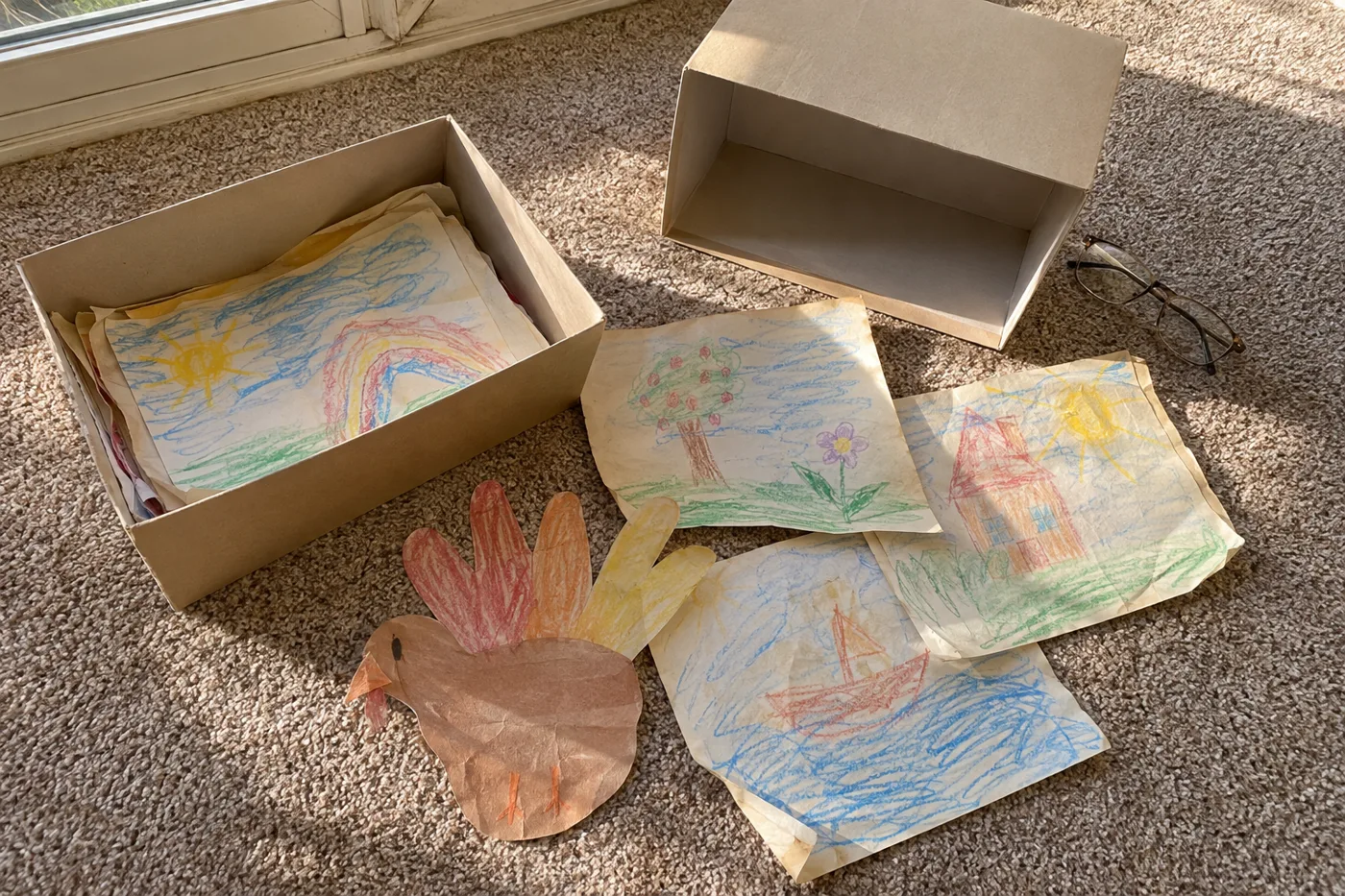
A turkey made from a traced hand. A lumpy clay pinch pot. A report card with a note about talking in class. If you saved a child’s school years, you probably saved a lot of them.
The grown-up artist may love seeing it all once and have nowhere to put it. Organizer Lisa Bianco is direct about it: “Pick out only the BEST pieces… Put a limit on how many you are going to keep.”
Photograph the rest, she says, especially anything glittery or too big to store, and collect the photos into a book. A photo book fits on a shelf next to the cookbooks. Forty pounds of construction paper doesn’t fit anywhere.
#13 Slides, 8mm reels and VHS home movies
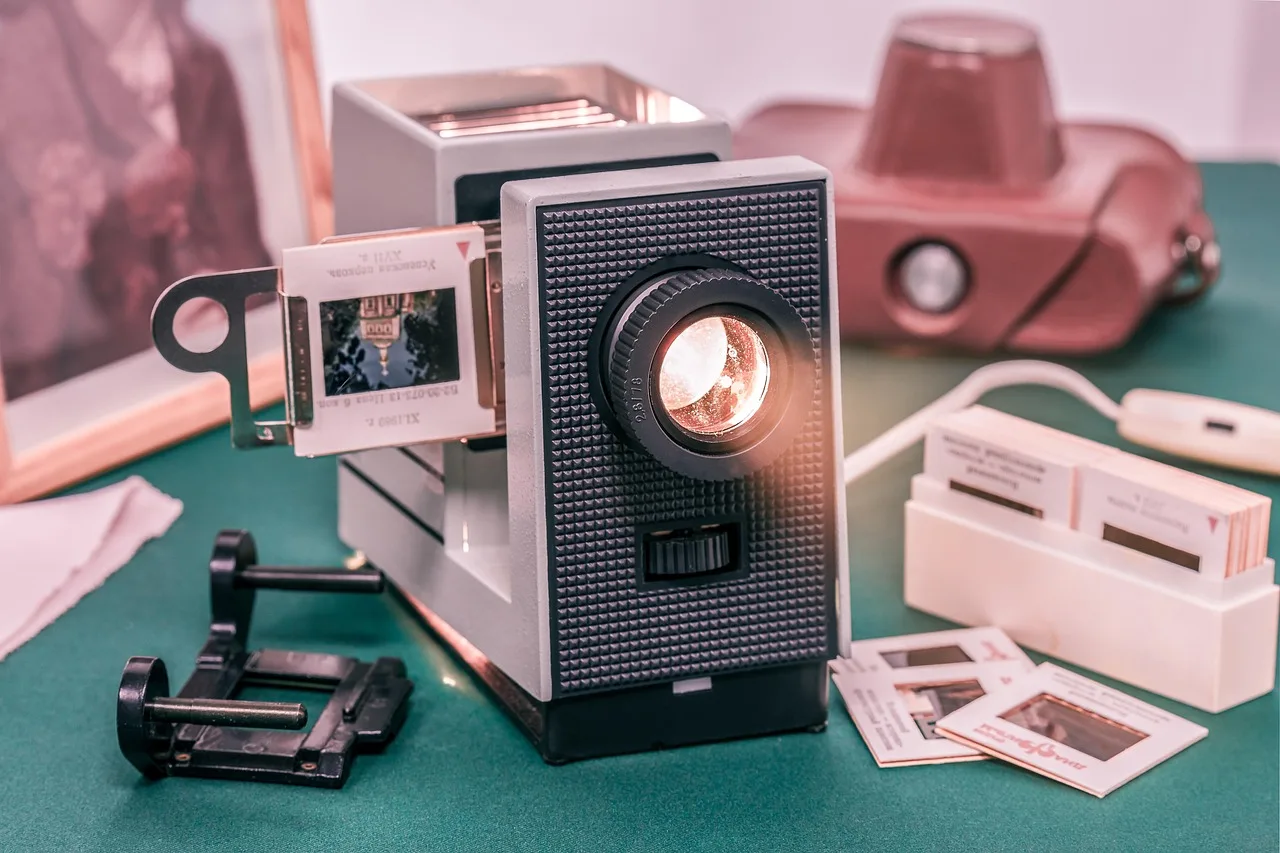
Remember the sound: the click-clunk of the slide tray moving ahead, the fan humming, a bedsheet pinned to the wall and somebody saying “that one’s upside down.” Later came the camcorder and a shelf of tapes labeled in ballpoint.
Most of these go in the trash for one plain reason. Nobody has anything left to play them on.
Count forward from 2015 and you land right about now. If a birthday party or a wedding is on one of those tapes, have it copied to a digital file this year. Watch the copies before you let the original tapes go.
Formats running out the clock
- Kodak’s Carousel slide projector came out in 1961 and was discontinued in 2004
- The world’s last VCR maker, Funai, stopped production in 2016
- In 2015, a Library of Congress estimate gave magnetic tape only 10 or 15 years before its information is lost
#12 The encyclopedia set bought on installments
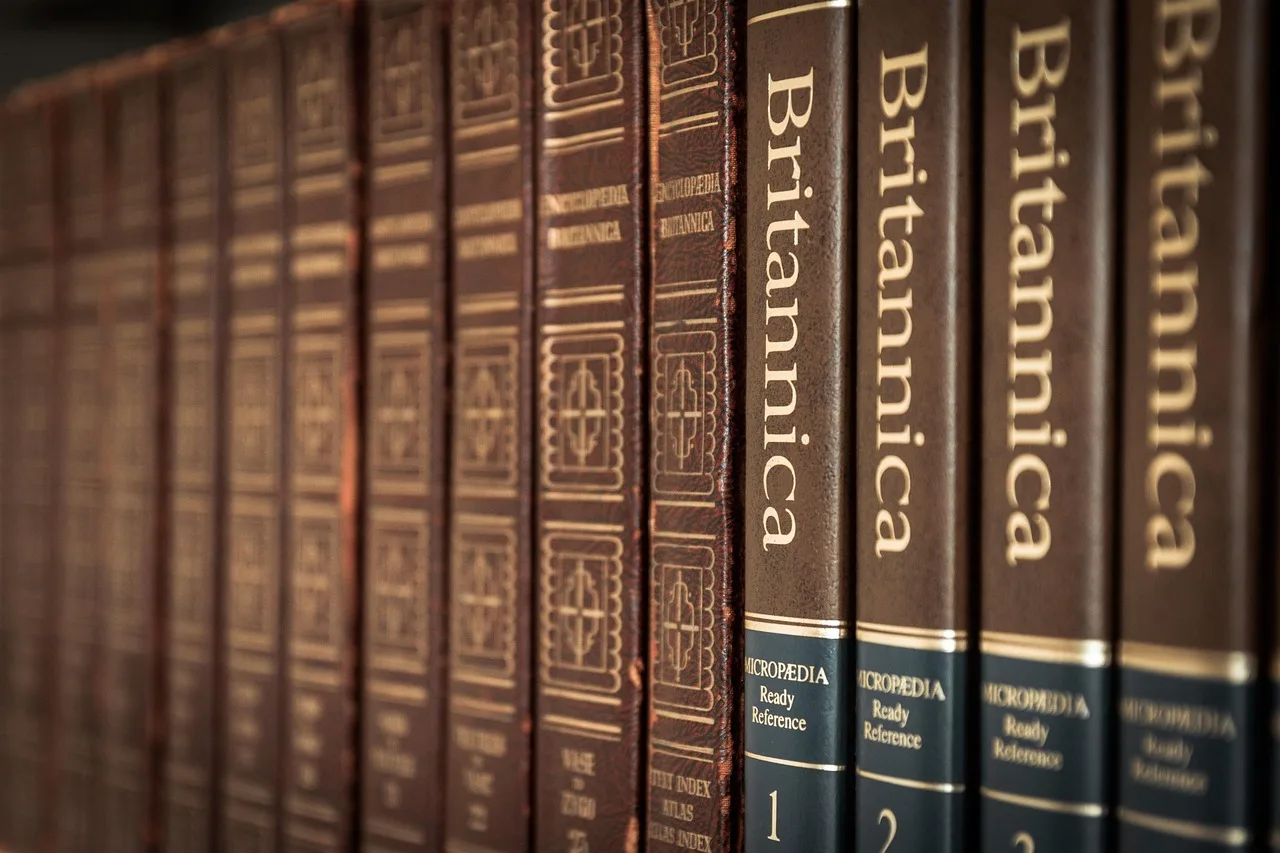
It started with a salesman in the living room, a glossy brochure and monthly payments. Then the boxes arrived: a full set with gold lettering on the spines, lined up on the shelf for homework.
Britannica announced the end of its print edition in 2012, after 244 years in print. The final sets cost $1,395. The company’s president put it plainly: “A printed encyclopedia is obsolete the minute that you print it.”
That’s why a set is so hard to give away. Call before you haul it to a library book sale. One Missouri library’s Friends group, for example, lists encyclopedias among the things it cannot accept, right alongside VHS tapes.
Pull out the one volume you used to read for fun, the one with the dog breeds or the flags of the world, and keep that.
#11 Fabric stash, yarn and unfinished craft projects

Clear bins of quilting fabric. A skein of yarn bought for a sweater that never got started. A cross-stitch with three corners done and the fourth still blank.
To someone who doesn’t sew, the whole bin looks like rags. To a crafter, it’s a store. Creative reuse centers bridge that gap.
The Pittsburgh Center for Creative Reuse, for one, takes fabric, yarn, sewing supplies and unfinished craft projects if they’re clean and “shop ready.” Check what your nearest center takes before you load the car.
Half-finished pieces have their own rescue squad. The Loose Ends Project, started in 2022, matches volunteer “finishers” with knitting, quilting and other fiber projects left undone when the maker could no longer finish them. By 2025 it had more than 28,000 volunteers in 65 countries.
Somebody out there would gladly stitch that fourth corner.
#10 Beanie Babies kept as a retirement plan
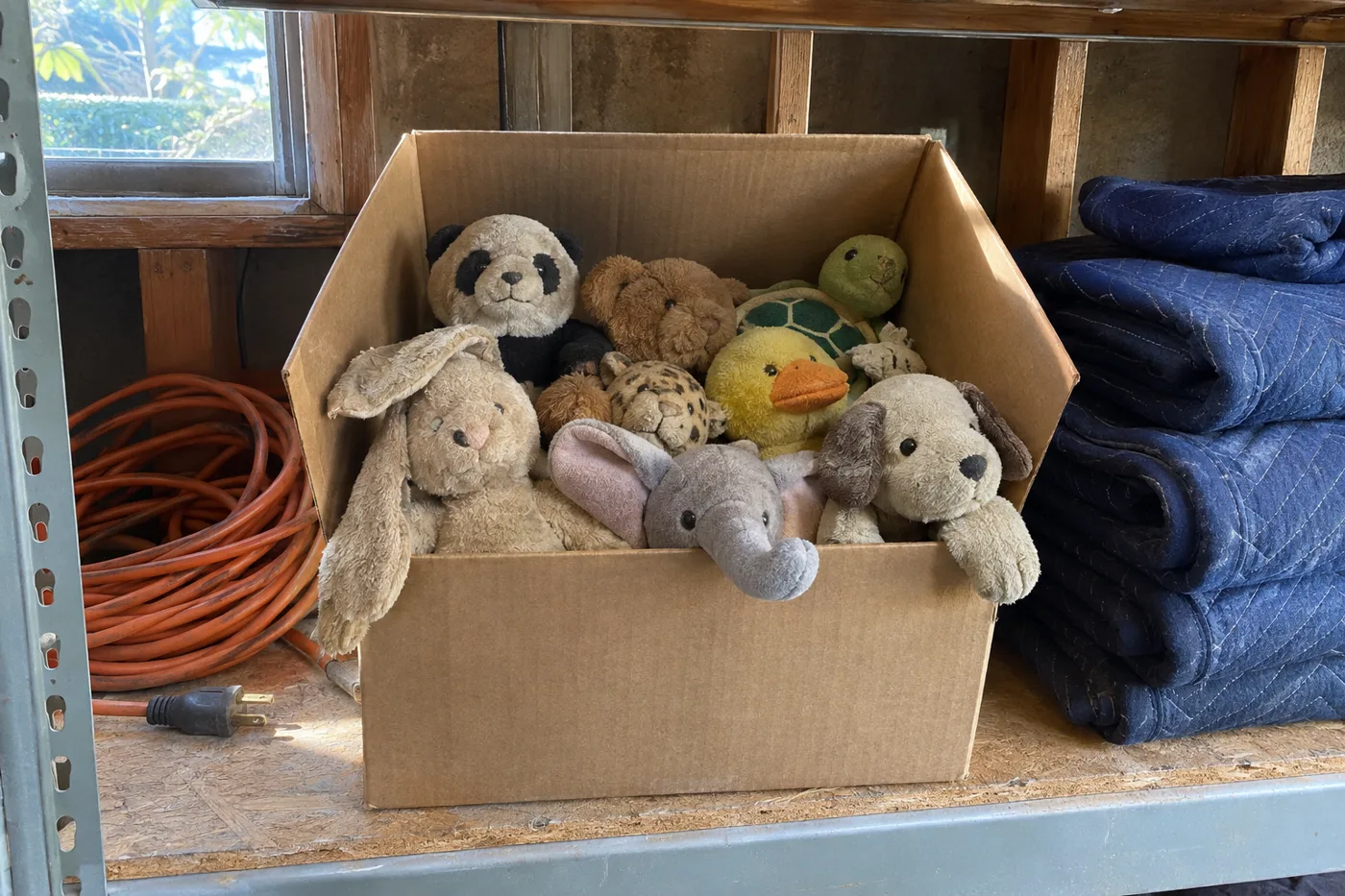
The tags were the whole point. Many people remember the heart-shaped tag snapped into a little plastic protector, the printed price lists and the hunt from shop to shop for the one everybody wanted.
At the peak in 1998, Beanie Babies made up 10% of everything sold on eBay and averaged $30 apiece, six times the store price. That December was the top. By 2010, one whole collection of hundreds sold for under $100.
In 2015, author Zac Bissonnette told Fortune that surviving Beanie Babies were worth about 50 cents apiece. “The prices never recovered,” he said.
If you’re ready to let them go, offer them to a child or a collector who’d enjoy them.
#9 Baseball cards saved as an investment
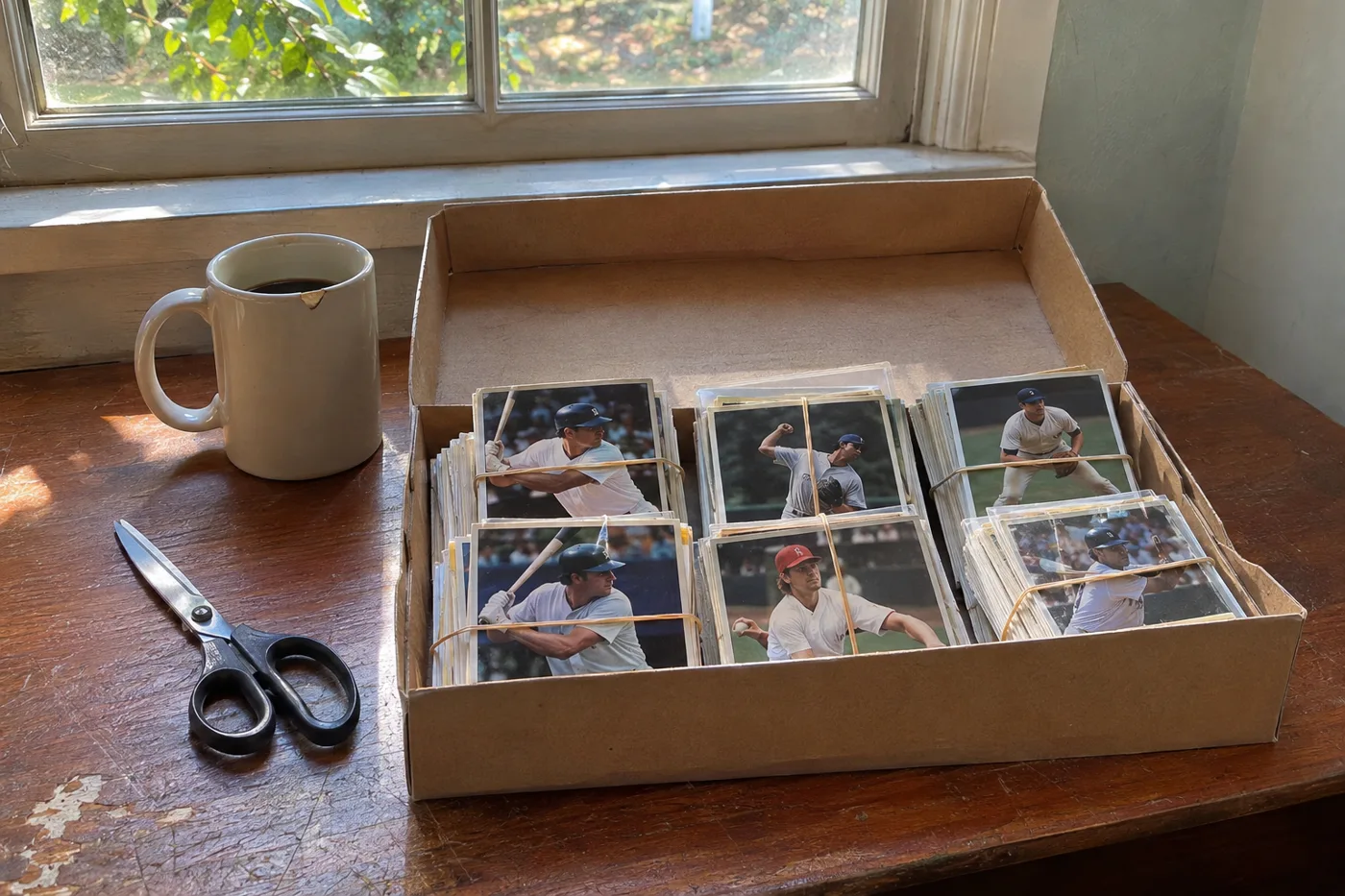
They sit in shoeboxes, stacks held with rubber bands and sorted by team, with the best ones in plastic sleeves. Plenty were bought by the pack in the late ’80s as a sure bet on the future.
Collectors have a nickname for that stretch, roughly 1986 to 1993: the junk wax era. It earned the name for its overproduction and largely worthless card collections. So many cards were printed that values plummeted.
That isn’t true of every card. Cards in near-perfect condition, misprints and rare special-issue cards still bring real money. A 1993 SP Derek Jeter rookie card, rated a perfect 10 by a grading company, sold for $360,000.
So flip through before the box goes to the curb.
#8 Record albums and DVD movie shelves
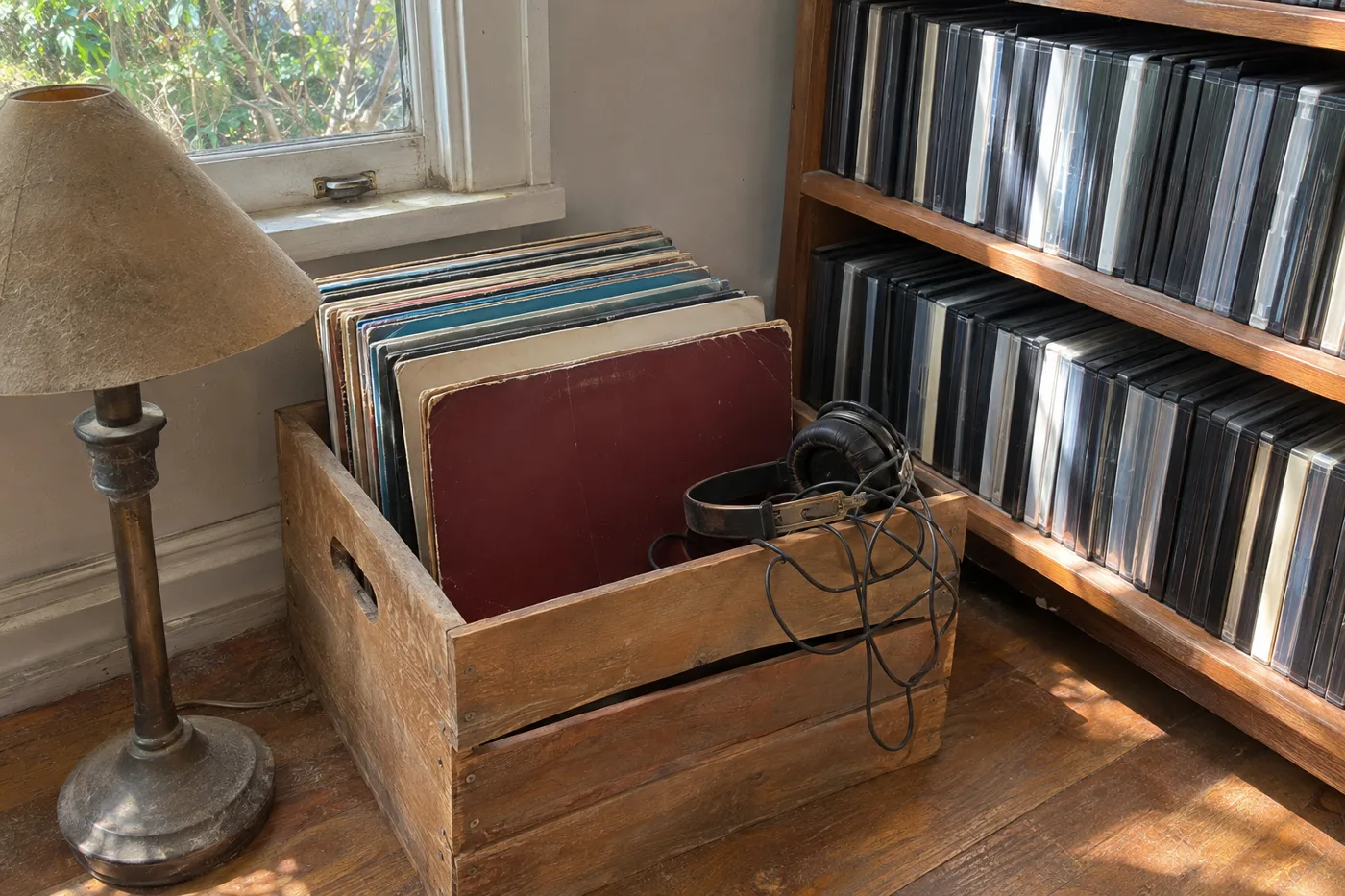
Somewhere near the old stereo there’s probably a copy of Herb Alpert’s Whipped Cream & Other Delights, the one with the woman covered in whipped cream. It turned up in a lot of living rooms.
That’s the problem. A collector’s guide calls it “one of the most common records on earth.” Easy listening (Mantovani, Ray Conniff, Percy Faith) sells cheap, and most records in a typical crate go for $1 to $3 in a shop. A dealer buying from you pays less.
DVDs have it worse. Americans spent more than $16 billion on DVDs and Blu-rays in 2005. In 2024 they spent less than $1 billion. Keep the movies you still watch, and offer the others to someone who uses DVDs.
#7 Boxes of greeting cards and old Christmas cards
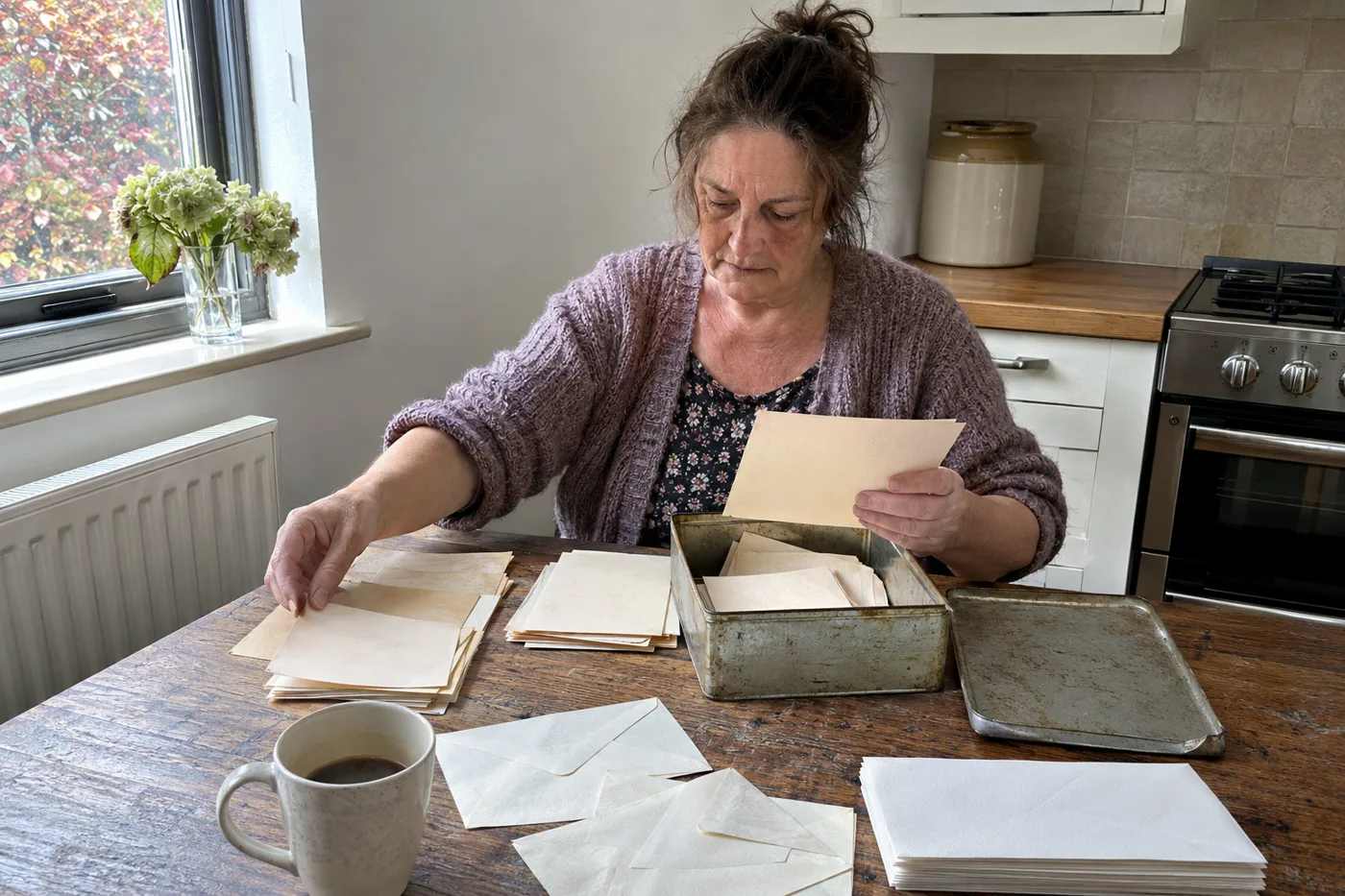
The cards arrive every December, get strung along the mantel and then go into a box. After enough Decembers, there are a lot of boxes.
If you’ve heard of mailing old card fronts to St. Jude’s Ranch for Children, don’t. The charity ended its recycled card program after 35 years.
Then sort. The Society of American Archivists says letters, diaries and records of church, civic and social life can be valuable to researchers.
It also says some papers matter more to the family than to history and should stay with the family. If you turn up old letters or diaries an archive might want, call one before you start weeding.
A printed verse with a signature is a sweet memory. A four-page letter about the winter the river froze over is history. Keep the cards where somebody wrote more than their name.
#6 Duplicate kitchen gadgets and small appliances
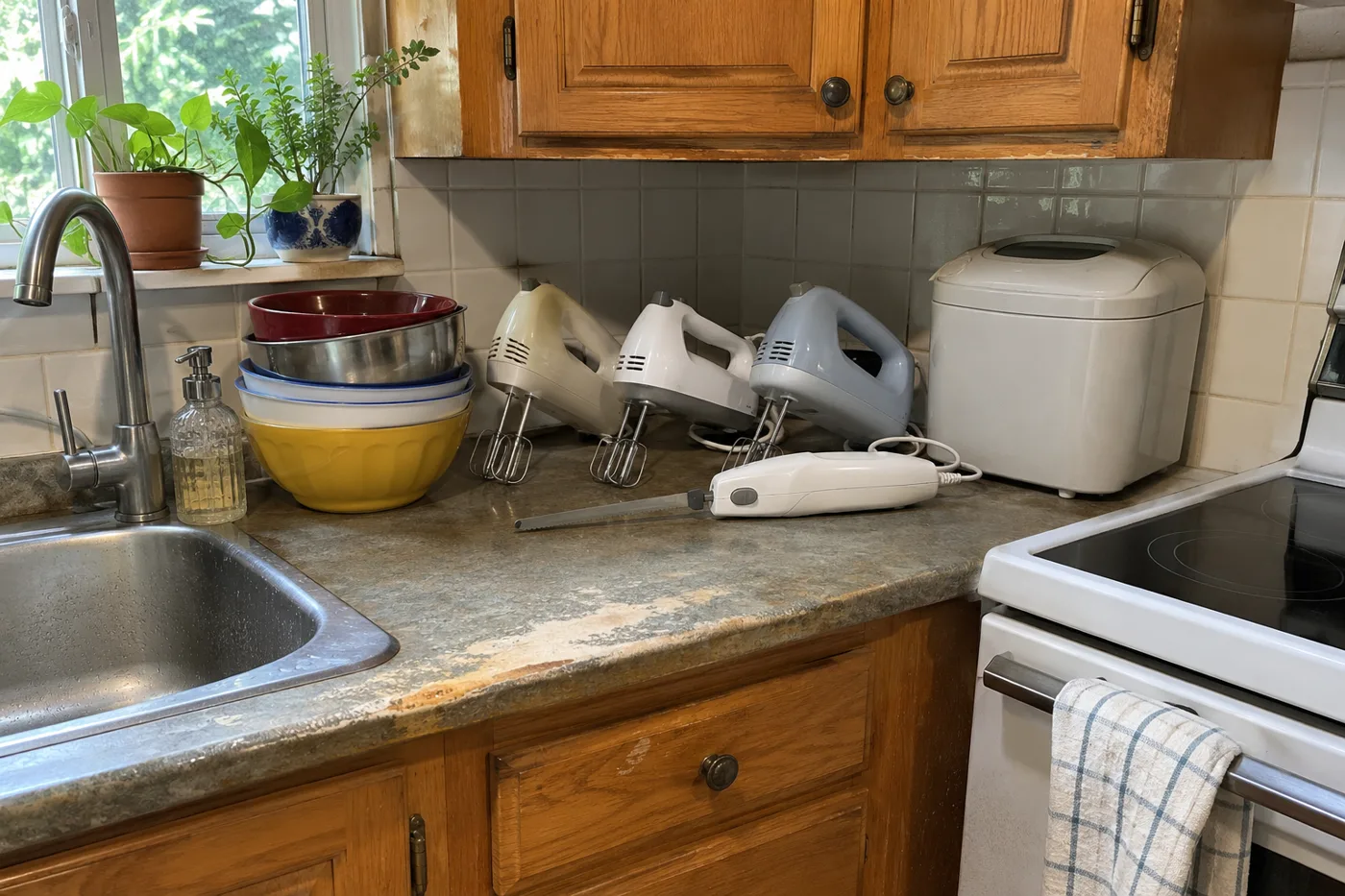
Count the hand mixers, then the can openers, then the slow cookers. Somewhere behind them sit a bread machine, a fondue pot and an electric knife that comes out once a year.
Small appliances mostly end up in the ground. In 2018, Americans threw out about 2.2 million tons of toasters, coffee makers, hair dryers and the like. The EPA says 75.9% of that went to a landfill.
Newer ones can still help someone. Habitat for Humanity’s Capital District ReStore in New York, for example, takes toasters, air fryers, coffee pots and mixers that work and are less than ten years old. Rules differ from store to store, so call ahead.
Keep the mixer you actually reach for. Ask your local donation center whether it takes the other two before you haul them over.
#5 Decades of old tax returns and paperwork
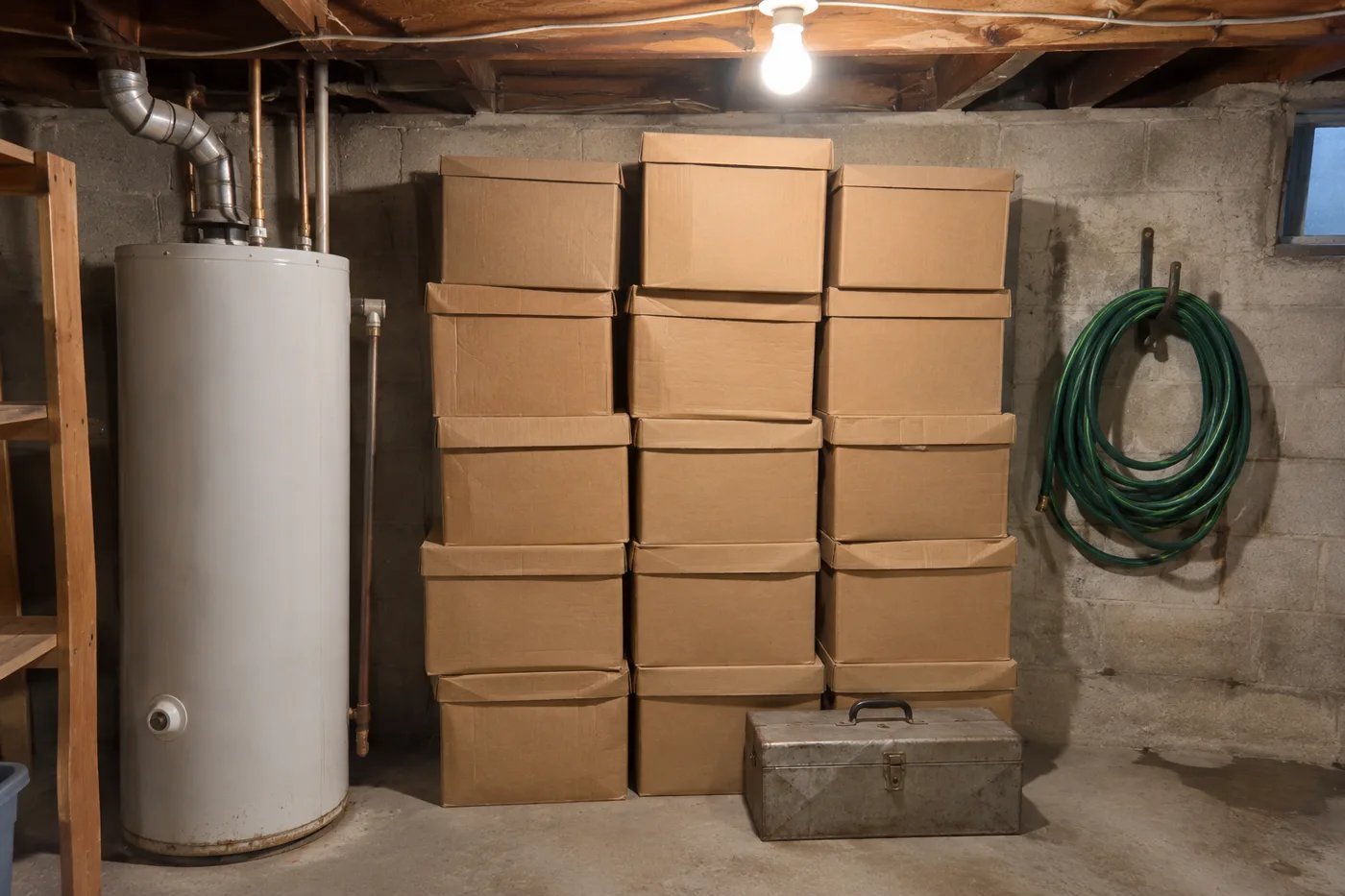
Banker’s boxes line the basement wall, labeled by year and going back further than anyone wants to carry upstairs.
Most of it doesn’t need to be there. The Internal Revenue Service (IRS) says to keep tax records for 3 years in most cases. The longer periods are exceptions.
You need 6 years if you left off income worth more than a quarter of what you reported, and 7 years if you claimed a loss on worthless stock or a bad debt.
Records for a house or other property are different. Keep those until the time limit runs out for the year you sell the house. That’s usually 3 years after you file that year’s return.
Pull out the house papers first. The IRS also says to keep tax records indefinitely for any year you didn’t file a return. Ask whoever does your taxes which records you can discard, and shred those instead of tossing them.
Credit unions and local governments often sponsor shred events for personal papers. Watch for one in your town and bring the boxes.
#4 Wool blankets and quilts in the cedar chest
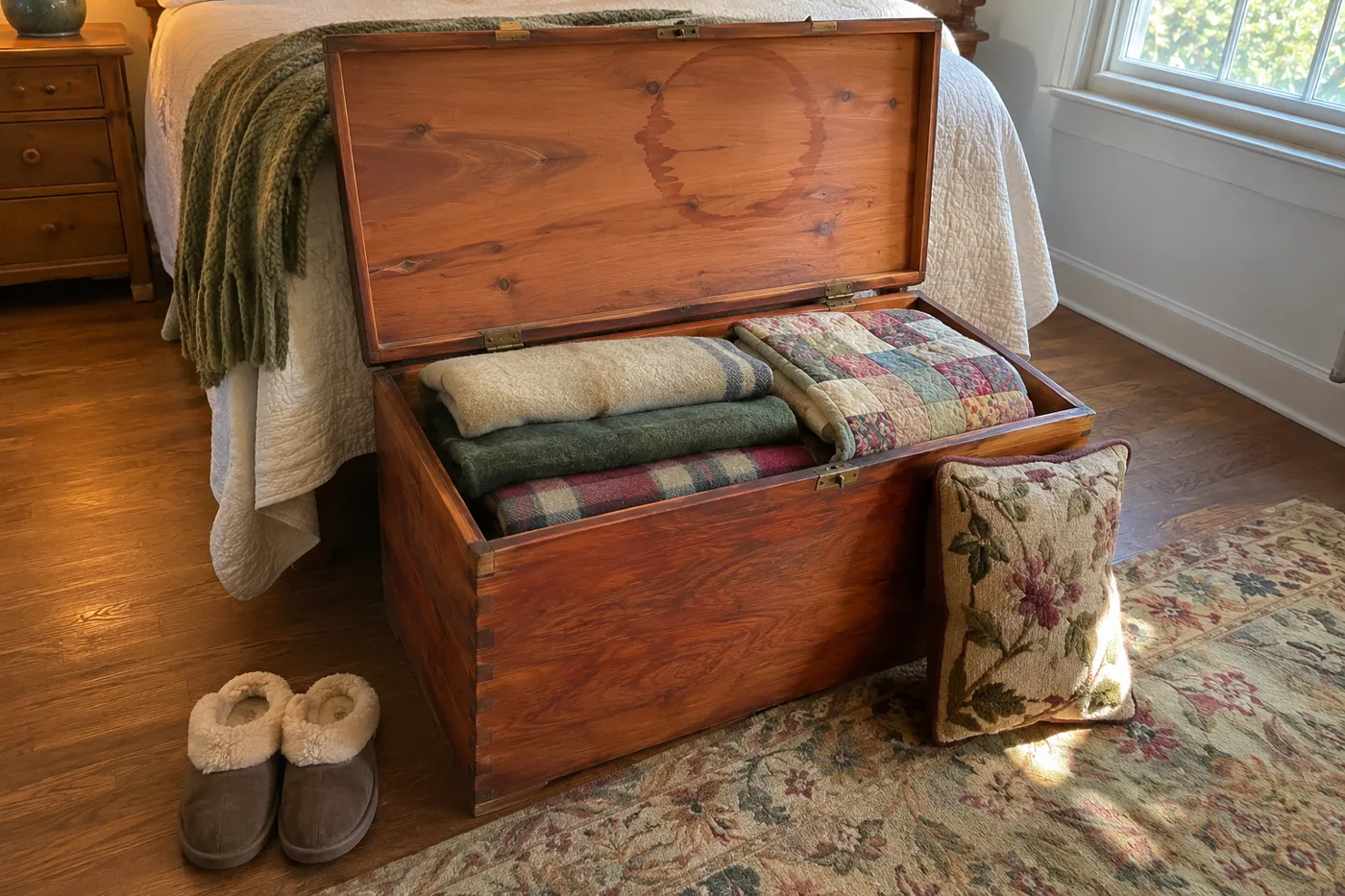
Lift the lid and there’s that smell. Inside are wool blankets folded in thirds, a quilt or two and maybe a crib blanket.
Cedar does less than its reputation says. Studies cited by a pest control company found that cedar doesn’t repel adult clothes moths and doesn’t kill them at every stage of life.
Older chests do even less. A tightly built chest matters more than the wood.
Plain wool blankets are worth offering to an animal shelter. Some shelters won’t take stuffed bedding like down comforters, and all of them want things clean, so call first. A handmade quilt is a different story. Offer it to family or a friend before it goes anywhere.
The chest smells wonderful. The lid is doing most of the work.
#3 The recipe box and the church cookbooks
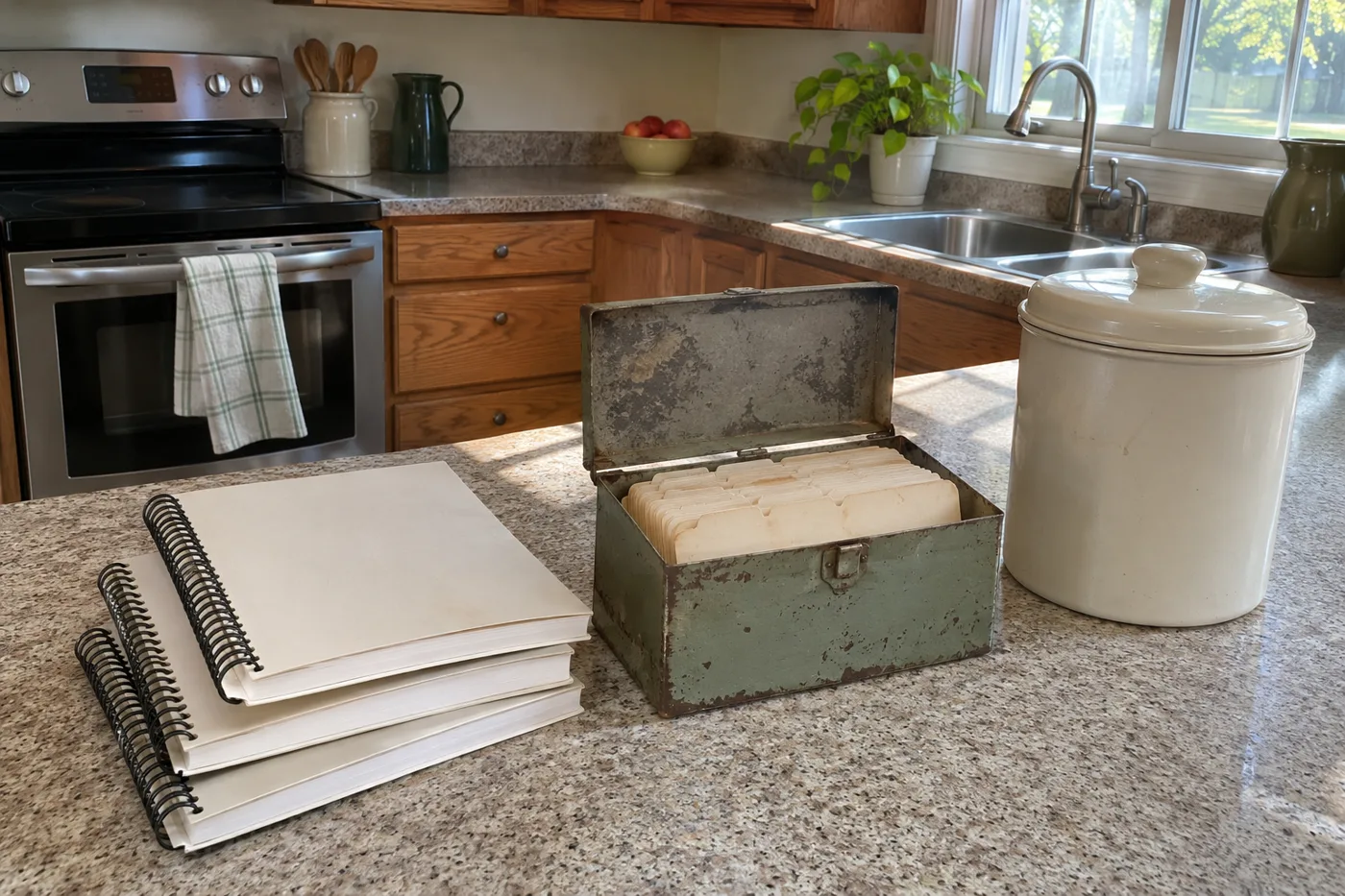
It’s a tin box of 3×5 cards, some typed and most in pencil or blue ink. Half carry butter stains and a friend’s name across the top. Next to it sits a row of spiral-bound church cookbooks.
The church cookbooks have fans of their own. The Library of Congress keeps an online collection of community cookbooks from 1862 to 1929.
They were put together by church groups and ladies’ societies, and the library treats them as history. Yours may be newer, but a county historical society might still want one, so call and ask.
The recipe box is harder. It often gets tossed, because whoever inherits it may never make the lime gelatin salad. What they’d keep is the handwriting.
A crafter’s guide explains how: scan the card at 600 dpi, a high setting that keeps the writing sharp when it’s enlarged. Then follow the guide’s steps to lay out the towel design, upload it to Spoonflower and have it printed on a tea towel.
Spoonflower fits four towels on one yard of fabric. That’s a Christmas list.
#2 The upright piano nobody plays anymore
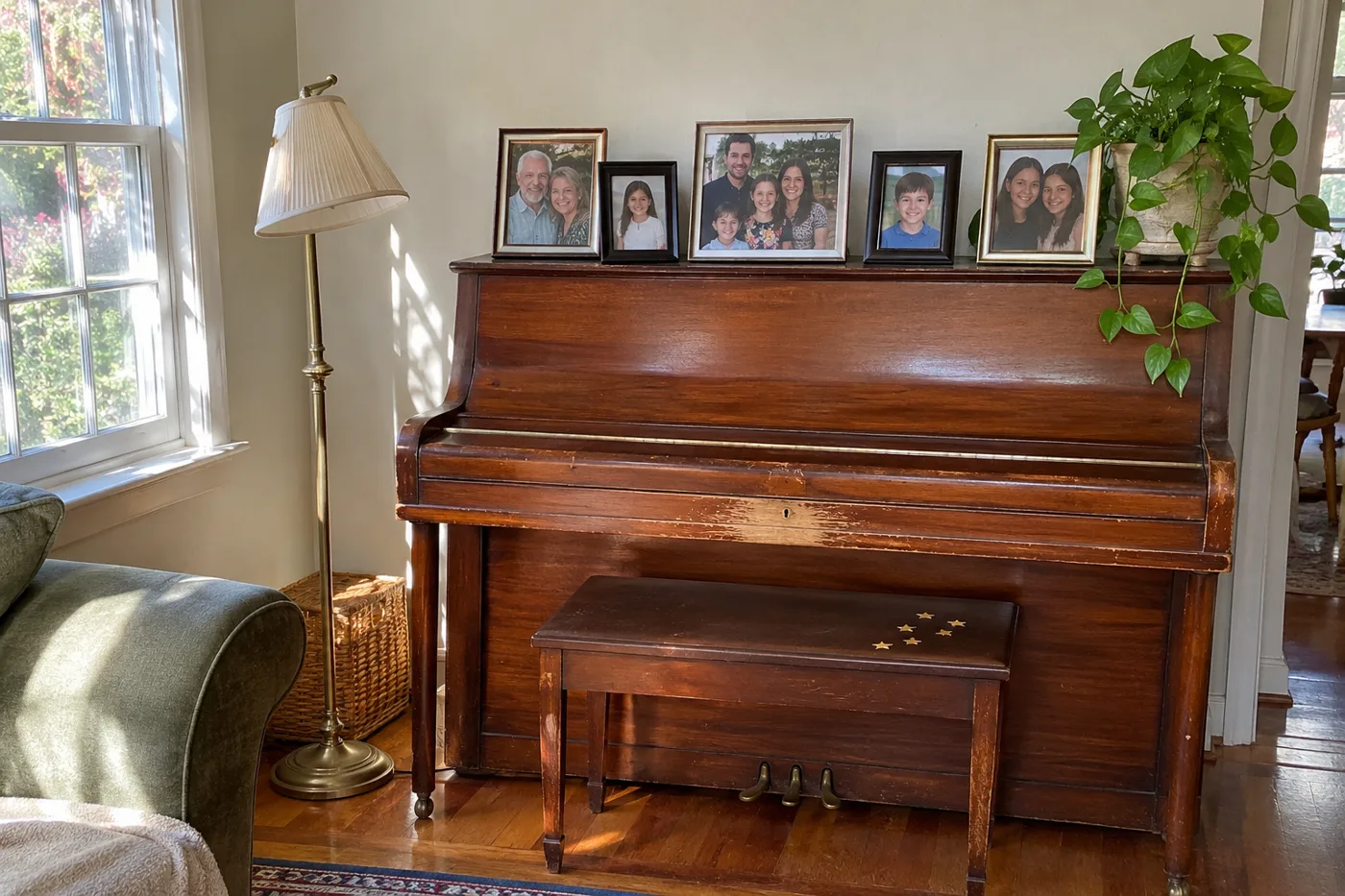
A hymnal sits on the music stand, recital photos on top and a bench full of lesson books with gold stars on the pages. Nobody has touched the metronome in years.
In 1923, Americans bought nearly 350,000 pianos. In 2022 they bought 34,000 acoustic ones, according to the Star Tribune.
So the old uprights pile up. One Minnesota mover disposed of 276 pianos in a single summer. The nonprofit Keys 4/4 Kids takes in about 1,000 pianos a year and says about 70% of donated pianos end up recycled or in a landfill.
“We pick up and dump a lot of them… Some of them are quite nice,” Rolanda Burkhalter of Manny’s Piano Moving told the paper.
If yours still sounds good, find it a player now: a church, a school or a neighbor’s child starting lessons. Waiting won’t make it any lighter.
#1 The preserved wedding gown in its sealed box
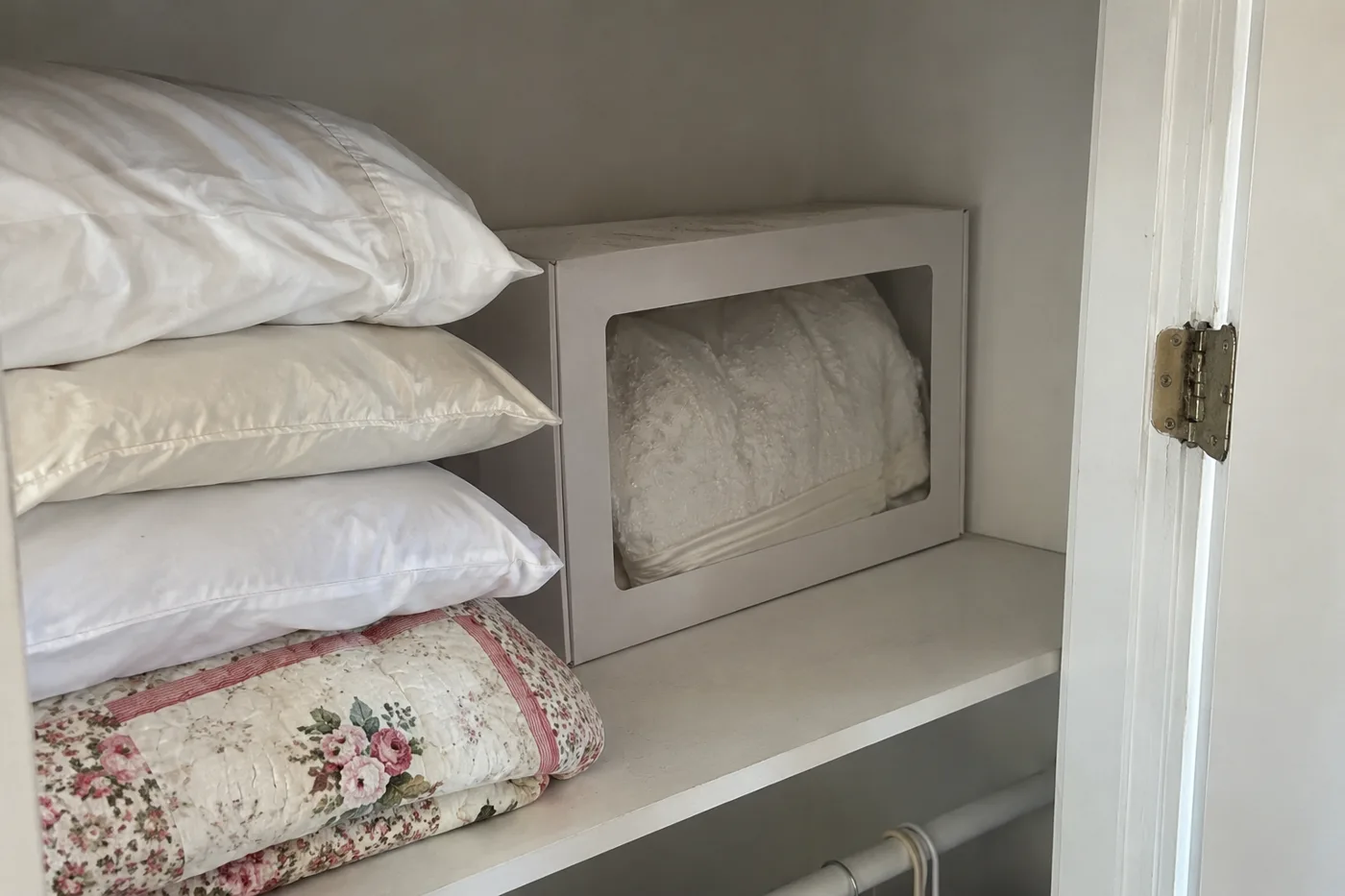
It went to the cleaner’s after the wedding and came back in a big box with a cellophane window, sealed shut. It has sat on a closet shelf ever since.
The surprise is that the sealed box works against the dress. The Victoria and Albert Museum in London says a gown belongs in a sturdy, acid-free board box with a lid that lifts off. It should be wrapped only in acid-free white tissue and never in plastic.
The museum also says to check the dress every six months and unpack and repack it once a year so permanent creases don’t set in. A sealed box allows neither.
If nobody plans to wear it again, it has another path. Since 2013, NICU (neonatal intensive care unit) Helping Hands’ Angel Gown Program has had more than 180 volunteer seamstresses turn donated wedding gowns into tiny gowns for families who have lost a baby.
As of fall 2026, gowns go on a waitlist and are taken as needed, so check with them before you ship one.
The bottom line
Most of what’s on the shelves was bought or saved with someone in mind. A better question than “what’s this worth” is “who would be glad to have this next month?”
Many people who have cleared a parent’s house say the job changed how they handle their own things. Some now look at every knick-knack and ask whether somebody will just have to throw it out.
Try it on one shelf this week. Hold up each thing and ask whether you still enjoy it or would rather hand it to someone yourself. For whatever stays, tuck an index card inside with one line about why it matters.
Bonus: Where the hard-to-place things can go
- – For wartime letters, uniforms and service papers, ask a military unit’s museum or a World War II museum whether they fit its collection before sending anything.
- – Old school items, local photos and club records can go to a county historical society, a state archive or a university special-collections librarian. Call before you box anything up.
- – A simple shared list of who gets what saves a lot of guessing later. Some people put their wishes in a will instead.
- – A pen collection usually means more to a hobby club than to a stranger at an estate sale.
- – Invite the younger people in your family to pick something now, so you can tell them the story behind it.
Questions people also ask
How do I know if my china is worth anything?
Look up the pattern name stamped on the back of a plate. Replacements, Ltd. in North Carolina has more than 475,000 patterns in its database and buys and sells single pieces. A plate that won’t sell as part of a set may still help someone replace a missing piece.
Is crystal stemware safe to wash in the dishwasher?
No, crystal isn’t truly dishwasher safe. Crystal maker Cumbria Crystal says dishwasher detergent can leave a cloudy bloom that can’t be removed.
How can I tell if my old flatware is real silver or just plated?
Check the stamp on the back of the handle. Solid silver says “Sterling” or “925,” or carries a small walking lion on British pieces. Plate says “EPNS,” “EP,” “EPBM” or “Double Plate,” and it has almost no scrap value because it holds so little silver.
What’s the best way to label old family photos so no one loses track of who’s in them?
Write the names, date and place lightly in pencil on the back. The Edmond History Museum in Oklahoma calls a #1 or #2 pencil the gold standard and warns against ink pens and markers. Pencil won’t take on glossy backs, so use a quick-drying, non-bleeding pen made for marking photos.
Are old VHS tapes and photo slides still worth keeping?
Keep them until you’ve had them copied, but don’t count on the tapes lasting. In 2015, a Library of Congress estimate gave magnetic tape only 10 or 15 years before its information is lost. The last VCR maker stopped production in 2016, and Kodak’s Carousel slide projector was discontinued in 2004.
What should I do with my old wedding dress?
You can store it better, or you can donate it. The Victoria and Albert Museum recommends an acid-free box with a lid that lifts off. It also suggests checking the dress every six months and fully unpacking and repacking it once a year to prevent permanent creases. If you’d like to give it away, the Angel Gown Program turns donated gowns into tiny gowns for families who have lost a baby. Donations currently go on a waitlist, so check first.
Related posts:
26 Church Cookbook Desserts That Nobody Makes Anymore
24 Crafts Every Woman Made in the 1970s That Nobody Does Anymore
17 Things in Your Mother's Sewing Box Worth Keeping
26 Christmas Cookies From the 1960s That Nobody Bakes Anymore
24 Things Your Grandchildren Will Remember About Your Christmas
19 Sewing Skills Your Mother Had That Nobody Has Now

- 24 Things People Over 60 Still Do When Cleaning That Experts Beg Them to Stop - November 6, 2026
- 21 Handmade Gifts From the 1970s Your Grandchildren Have Never Seen - November 6, 2026
- 25 Homemade Christmas Decorations From the 1960s, and What Became of Each One - November 6, 2026
Leave a Reply