Number 1 isn’t a decoration or a dish. It’s the thing underneath all of them.
Ask anybody about Christmas at a grandmother’s house and listen to what comes out first. The bed buried in coats. The candy dish nobody could pry apart. The smell in the front hall that hit before the boots were off.
Hardly anyone starts with a present. The tinsel, the kids’ table, the third pie nobody asked for? That’s the part that sticks.
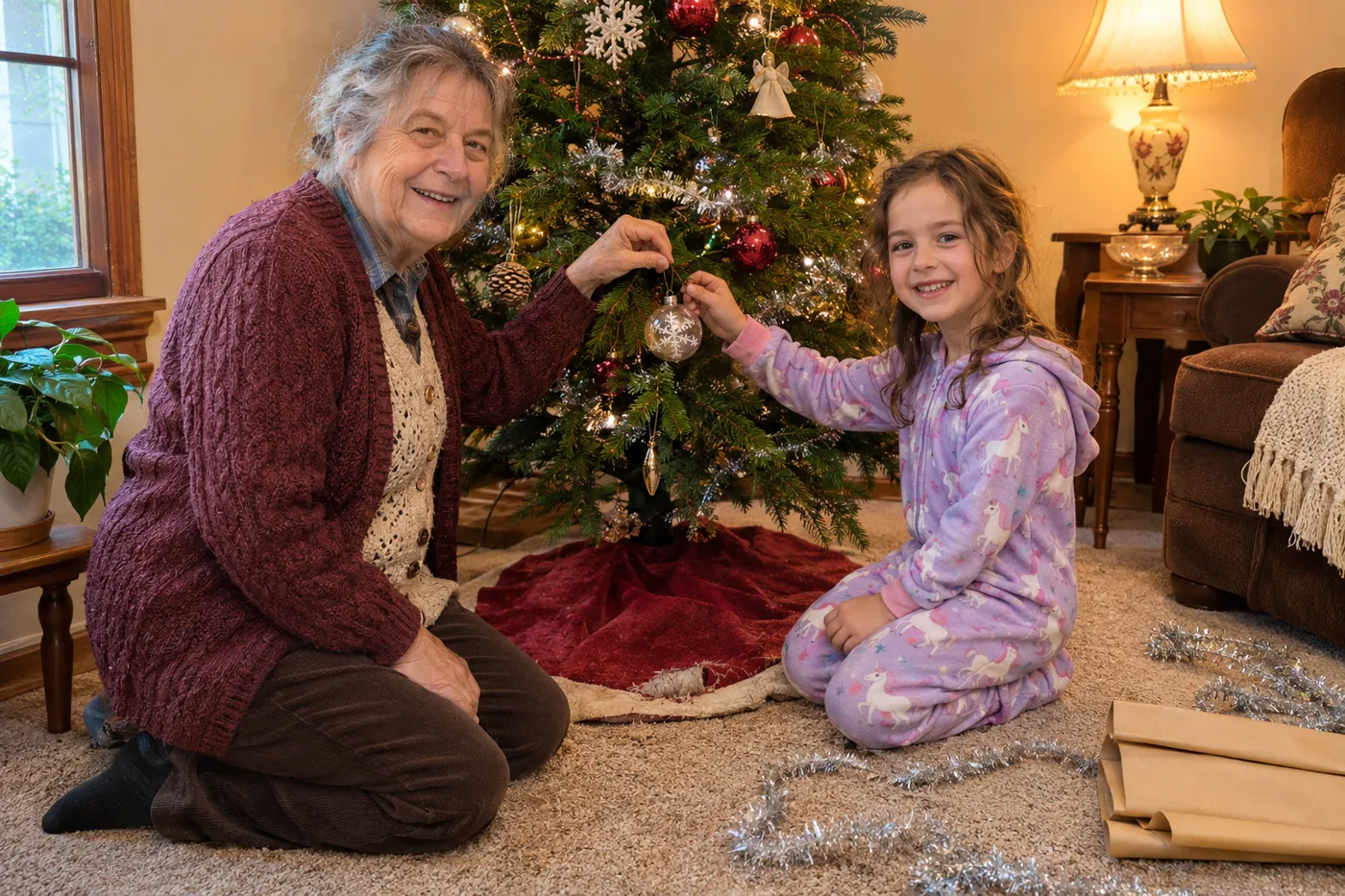
#24 Coats piled high on the spare bed
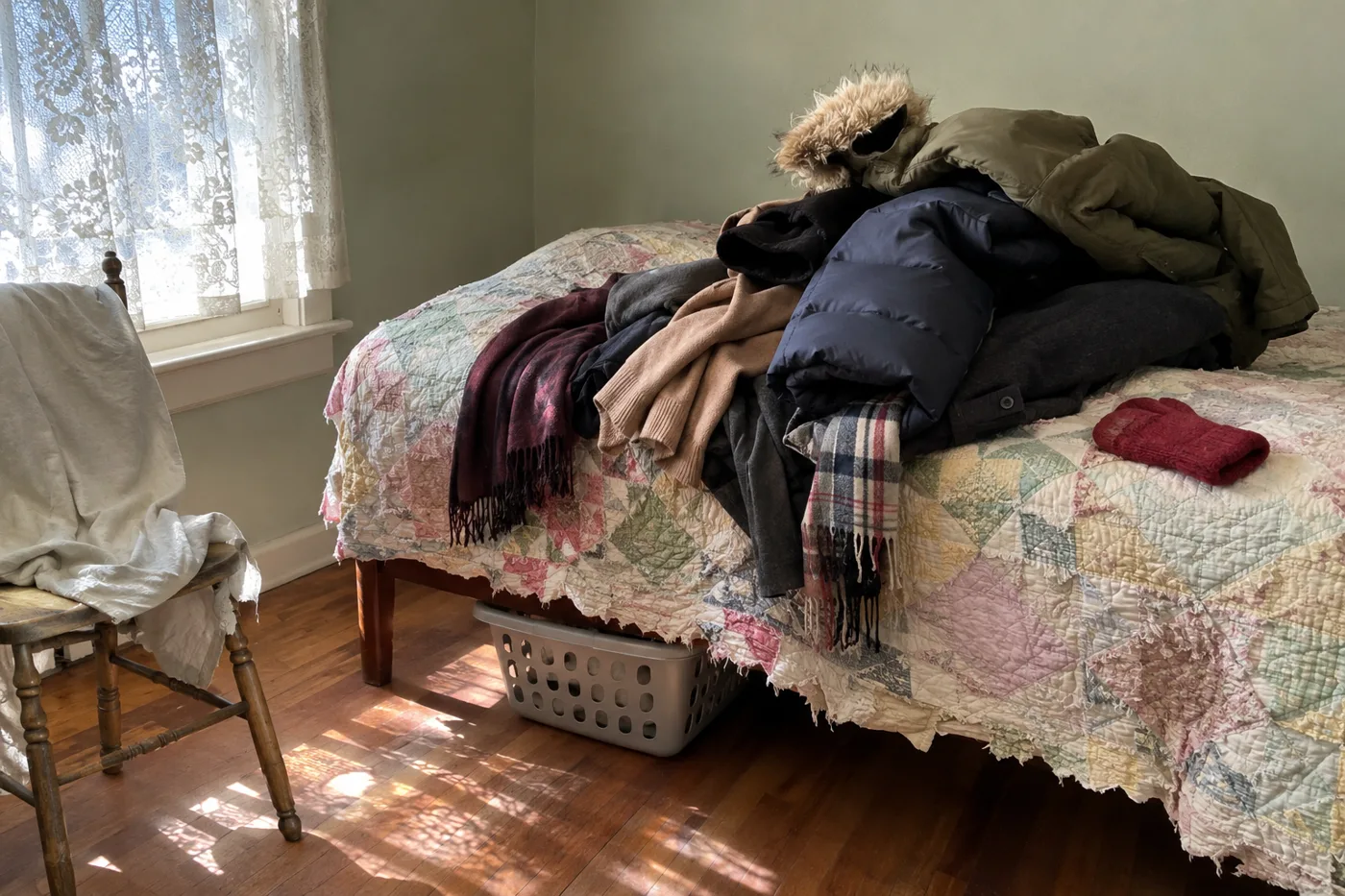
You walk in, somebody takes your coat and vanishes down the hall with it. Two hours later the spare bed is a mountain of wool, scarves and one mitten that belongs to nobody.
There was a reason for that mountain.
Most houses built before 1920 had no coat closet by the front door. Later ones often had shallow hall closets, some only 12 inches deep.
Guests’ coats traditionally went upstairs anyway, and home sites still tell hosts to pick one bed as the coat room for the night. So the heap on your spare bed has tradition on its side. Somewhere under it is that mitten.
#23 The smell of your house at Christmas
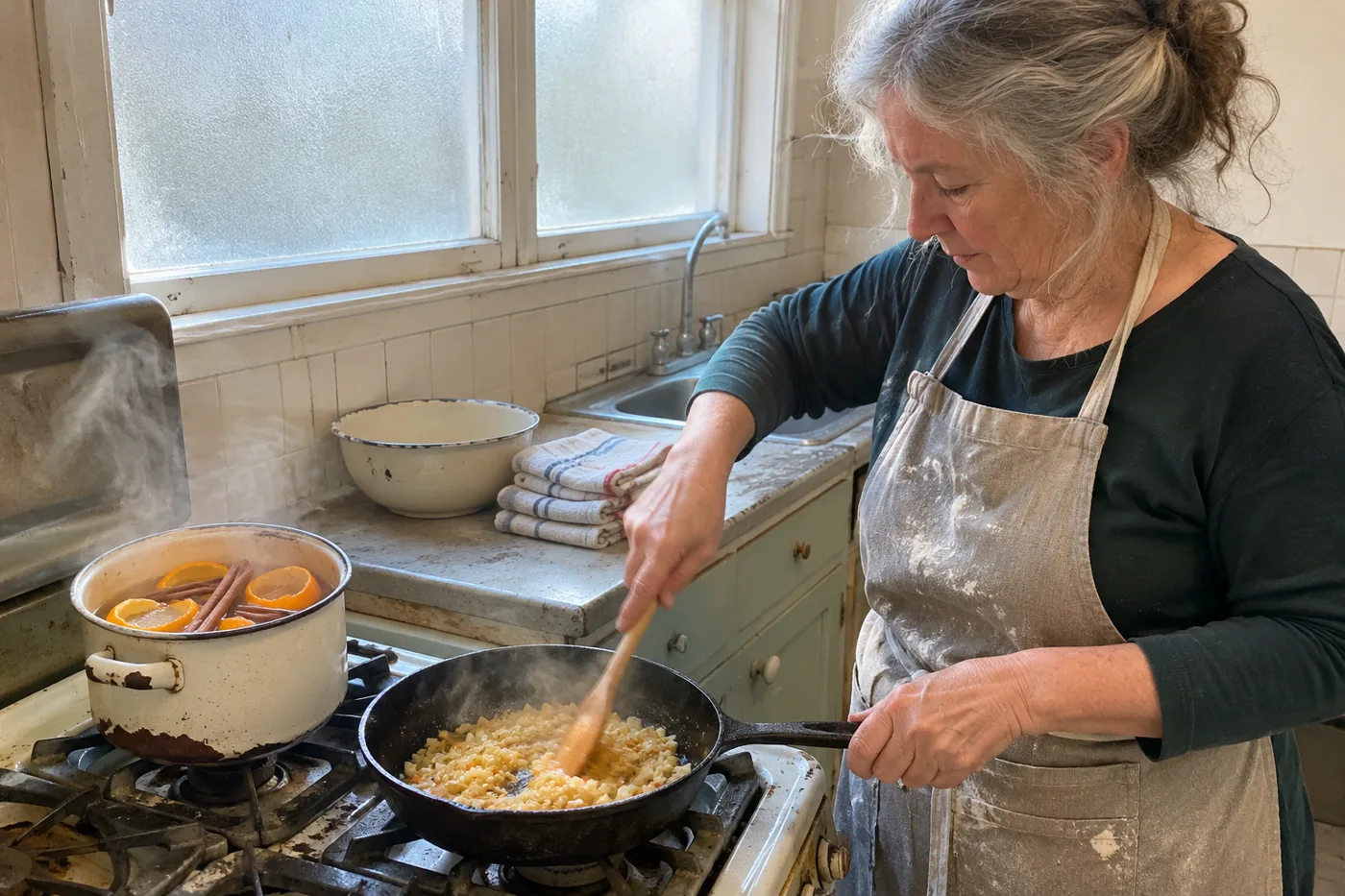
People say they can still smell a grandmother’s house at Christmas, years after it was sold. They name it exactly: the cedar closet, soup on the stove, aftershave, a drugstore body splash, cigarette smoke thick enough to sting your eyes. Some can’t name it at all and would know it instantly.
There’s a reason it hits so hard. Cleveland Clinic psychiatrist Dr. Drew Cumming explains that sights and sounds pass through a sorting station in the brain first, but smell goes almost straight to the parts that handle emotion and memory.
He also suggests childhood smells may stick because a young brain is growing so fast.
So whatever your house smells like in December is being filed away right now. Orange peel and cloves in a pot on the back burner would make a fine entry.
#22 Sitting at the kids’ table
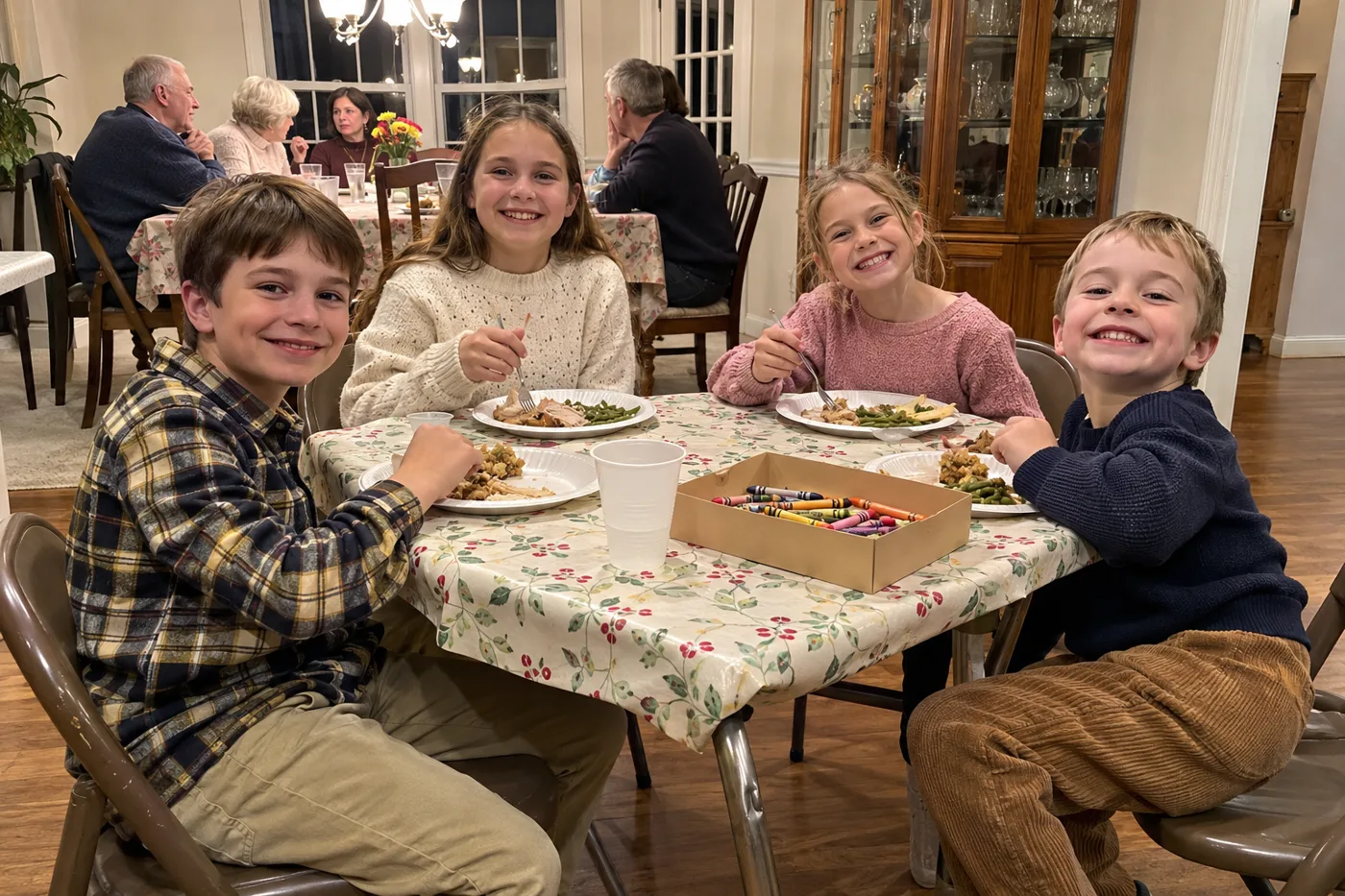
The card table. The folding chairs. Paper plates on a vinyl cloth around the corner from the real dinner.
Plenty of family albums have a photo of the grown-ups’ meal with half the family missing, because they were at the kids’ table and nobody walked the camera over.
It’s an old arrangement. A University of Maryland anthropologist told the Baltimore Sun in 2003 that the kids’ table “goes back many generations,” mostly because not everyone fits around one table, however big it is. A Syracuse psychologist added that no insult was meant. It just showed different generations had different roles.
Even then, the paper noted the custom was fading as families got smaller and moved farther apart. If yours still has one, the cousins at it are running their own little country, and promotion to the big table is the most political event of the year.
#21 Lying on the carpet watching Christmas specials
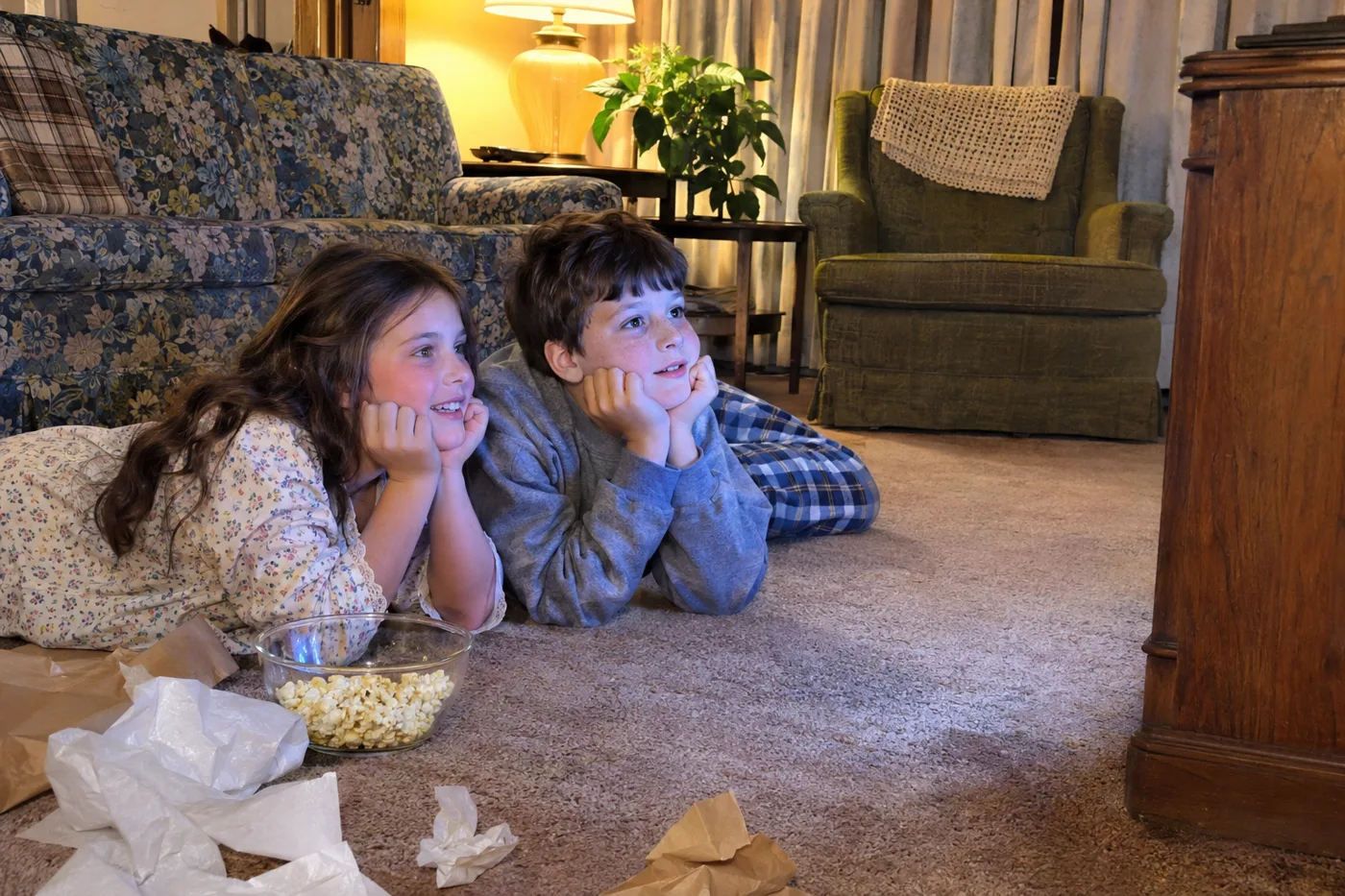
Dinner’s over. The grown-ups are still talking over coffee. The kids are flat on their stomachs on the living room carpet, chins in their hands, three feet from the television.
What they watched hasn’t changed much. The stop-motion Rudolph first aired on December 6, 1964, and it’s the longest continuously running Christmas special in the country.
When A Charlie Brown Christmas premiered the next December, about 45% of everyone watching TV that night tuned in.
Charlie Brown now lives on Apple TV+, but the deal requires it to be free for three days every year. Watch for those days, clear a spot on the rug, and leave the couch to the people still talking.
#20 The candy dish that never seemed to empty
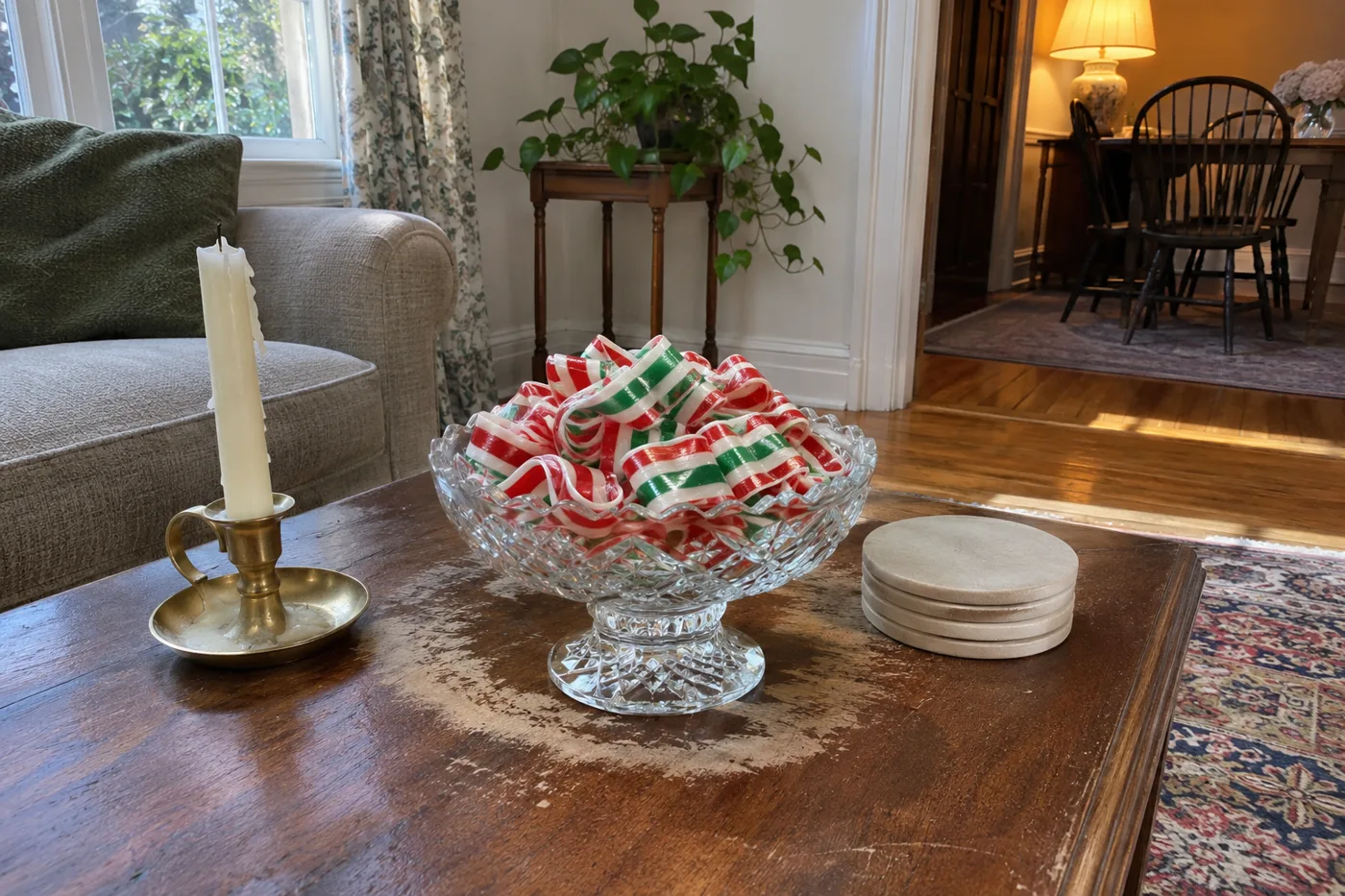
A glass dish on the coffee table, full of ribbon candy folded in red, green and white. Somehow it was never any less full.
Plenty of people remember reaching in for one piece and lifting out the whole dishful in a single sticky lump. That wasn’t imagination. Ribbon candy gets sticky easily, from the warmth of a hand or just humid air in the room, so the pieces quietly weld themselves together.
Which may explain why the dish never emptied. Once it fused, nobody could get at it.
It’s an old candy, too. Candy makers first shaped it by hand, folding it around their thumbs, and big factories didn’t really turn it out until the 1940s. Keep this year’s in the tin until company comes. Or don’t. The lump is half the memory.
#19 The cookies you baked together
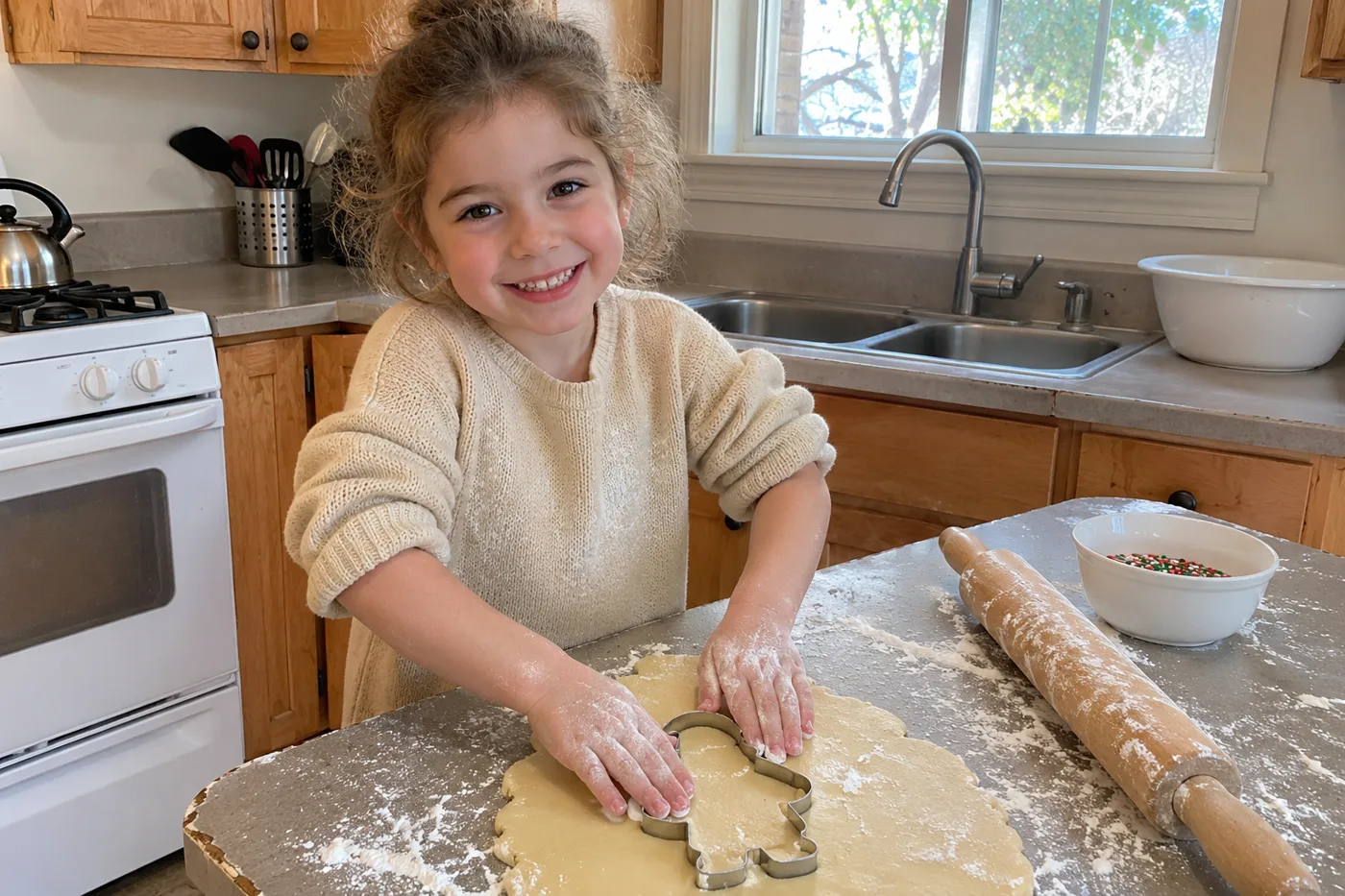
Flour on the counter, flour on the floor, and a sugar cookie Santa with a head as big as his body because someone small pressed too hard.
The cutters have a longer history than most people guess. Dutch and German settlers brought them over in the 1600s. Between 1871 and 1906, cheap German cutters flooded American stores.
That’s when cookbooks started showing bell and Santa shapes, and plenty of those cookies ended up hanging on the tree instead of in anybody’s mouth.
If you still have a tin of old cutters, let the youngest baker pick first. Then hang a couple of the cookies on the tree and see how long they survive.
#18 The good dishes out once a year
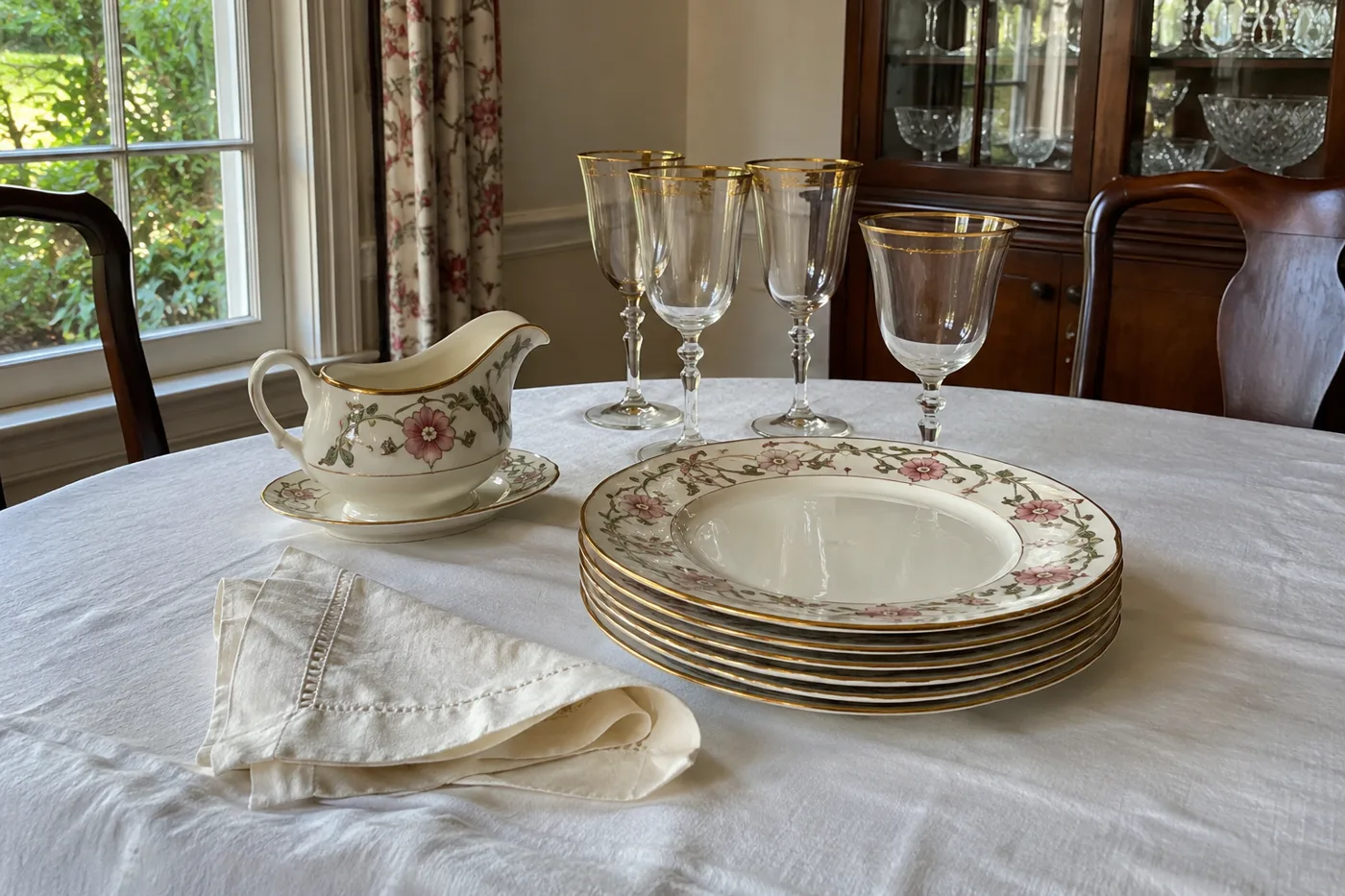
The china comes down from the top shelf. It gets washed before it’s used and washed again after, and children may touch it only under close supervision.
Years later, people recognize those pieces on sight. Gold-rimmed glasses. A certain salt and pepper set. A yellow mixing bowl from a matching set. Show them one at a yard sale and they’ll stop in their tracks.
If your Christmas plates are Spode’s Christmas Tree pattern, you own a design that was meant to be made for just one year. It was introduced for the American market in 1938 as a one-year pattern, and it has stayed in production ever since.
So take them down. Every year they come out is another year somebody learns to spot them across a crowded room.
#17 Ornaments that came out of the same box
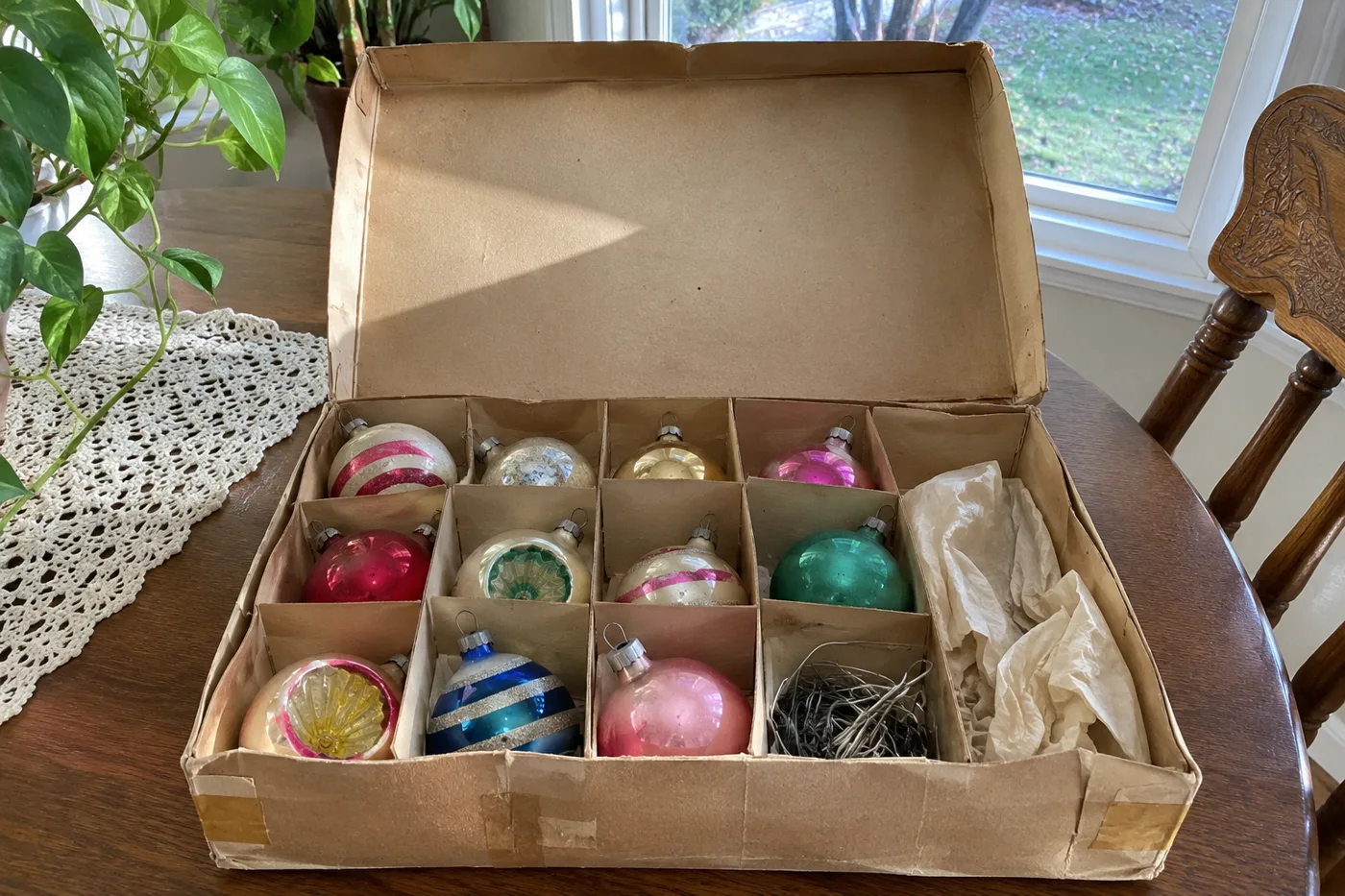
The box is half the memory. Soft at the corners, held together with tape from three different decades, every ornament in its own cardboard cubby or rolled in tissue.
Glass ornaments have been an American habit for a long time. F. W. Woolworth came across them on a trip to Germany in the 1880s and made a fortune importing them.
When war threatened the German supply, an importer started a company called Shiny Brite in 1937 to make them here. During World War II, metal caps gave way to little cardboard tabs, and families hung those ornaments with string.
Something to check this year: find one with a cardboard top in your box, and you’re likely holding an early-1940s ornament.
#16 Tinsel hung one strand at a time
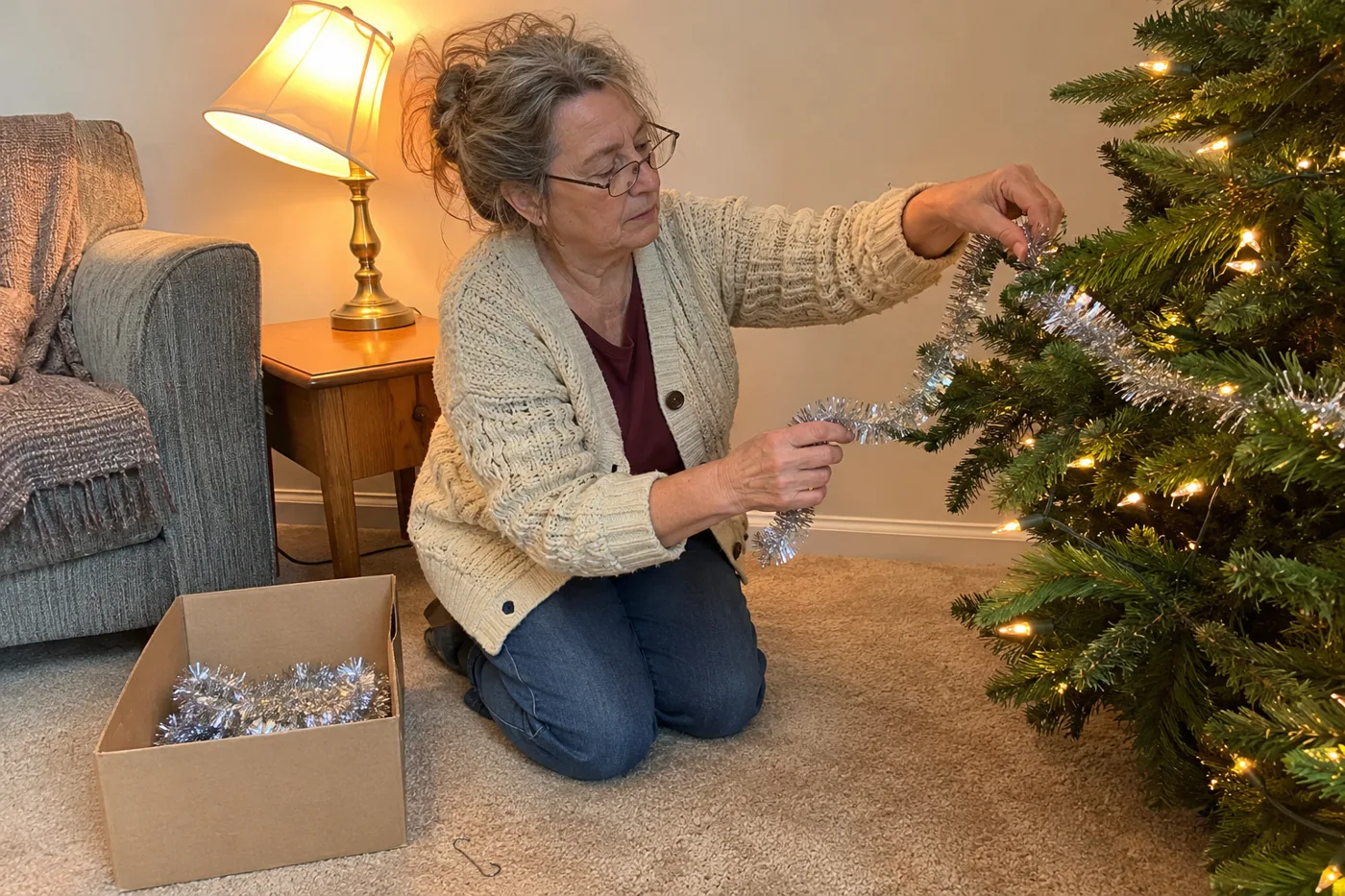
In a lot of houses, one person was in charge of tinsel, and she had rules. One strand at a time. Draped, never thrown. Anybody caught tossing a clump got sent off to sort ornament hooks.
The old tinsel made that rule possible. It was lead foil, heavy enough to hang straight. In August 1971 federal regulators judged it an unnecessary risk to children, and makers stopped producing it by January 1, 1972.
What replaced it is plastic. It’s so light it doesn’t hang or cling the way the old kind did, which is why today’s strands drift off the branch at the first breath.
There was never enough tinsel back then, and there’s never enough now. It’s all in the carpet.
#15 Something with their name on it
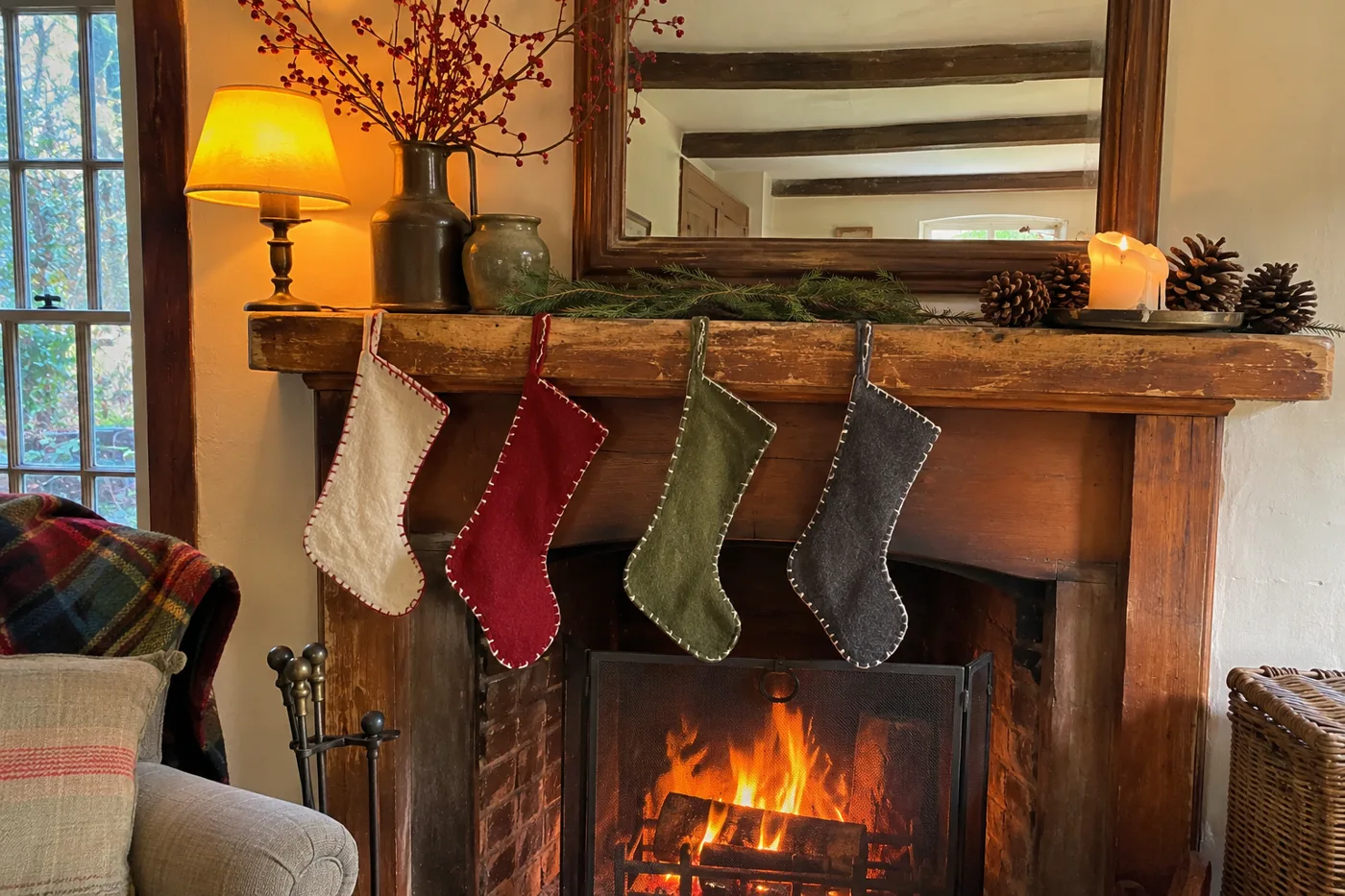
A stocking with a name stitched across the cuff. A glass ball with a year painted on it. For a child, finding their own name among the decorations is proof they belong to the house.
Stockings started with a legend. Saint Nicholas secretly tossed gold through a poor man’s window, and some of it landed in a stocking drying by the fire. The earliest American mentions turn up in an anonymous poem from 1821 and in A Visit from St. Nicholas two years later.
A paint pen and a plain glass ball will do the job just as well: a name, a year, and a spot on the tree somebody will march straight to every December.
#14 Whether every grandchild was treated fairly
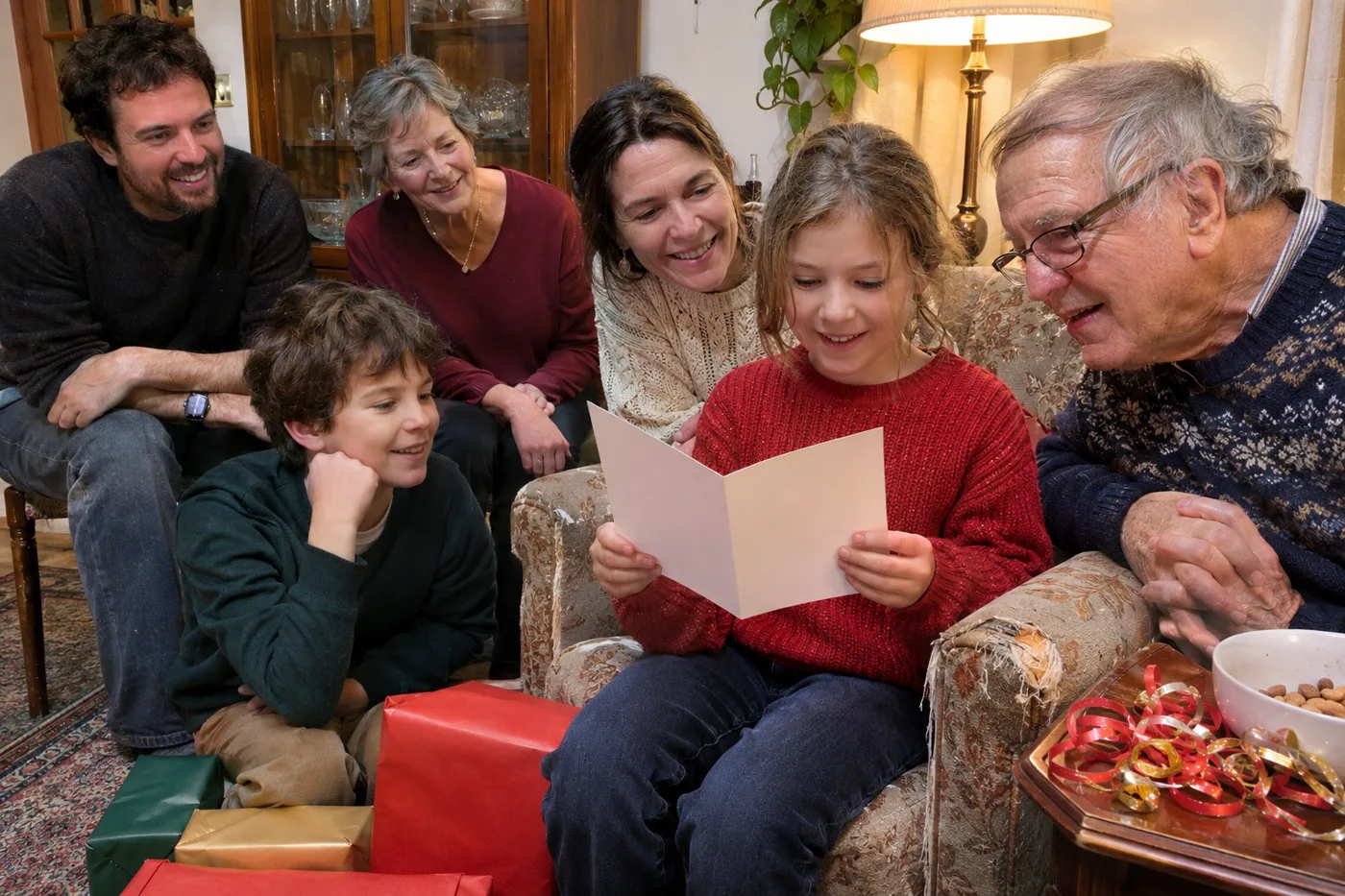
Kids keep score, and they count fairness, not dollars.
Grown people still describe, in detail, the Christmas they got left out. The money envelopes handed around the room that somehow skipped them. A reused card with a sibling’s name scratched out and theirs written in, spelled wrong. Three sisters, two lovely gifts, and one that made no sense at all.
That kind of thing lasts. A 2013 study found that the more differently siblings were treated growing up, the less close they stayed as adults. Feeling treated unfairly doesn’t just fade with time.
That study was about parents, not grandparents. Still, nobody needs matching gifts. A card of their own, with the name spelled right, goes a long way.
#13 Decorations you clearly put up yourself
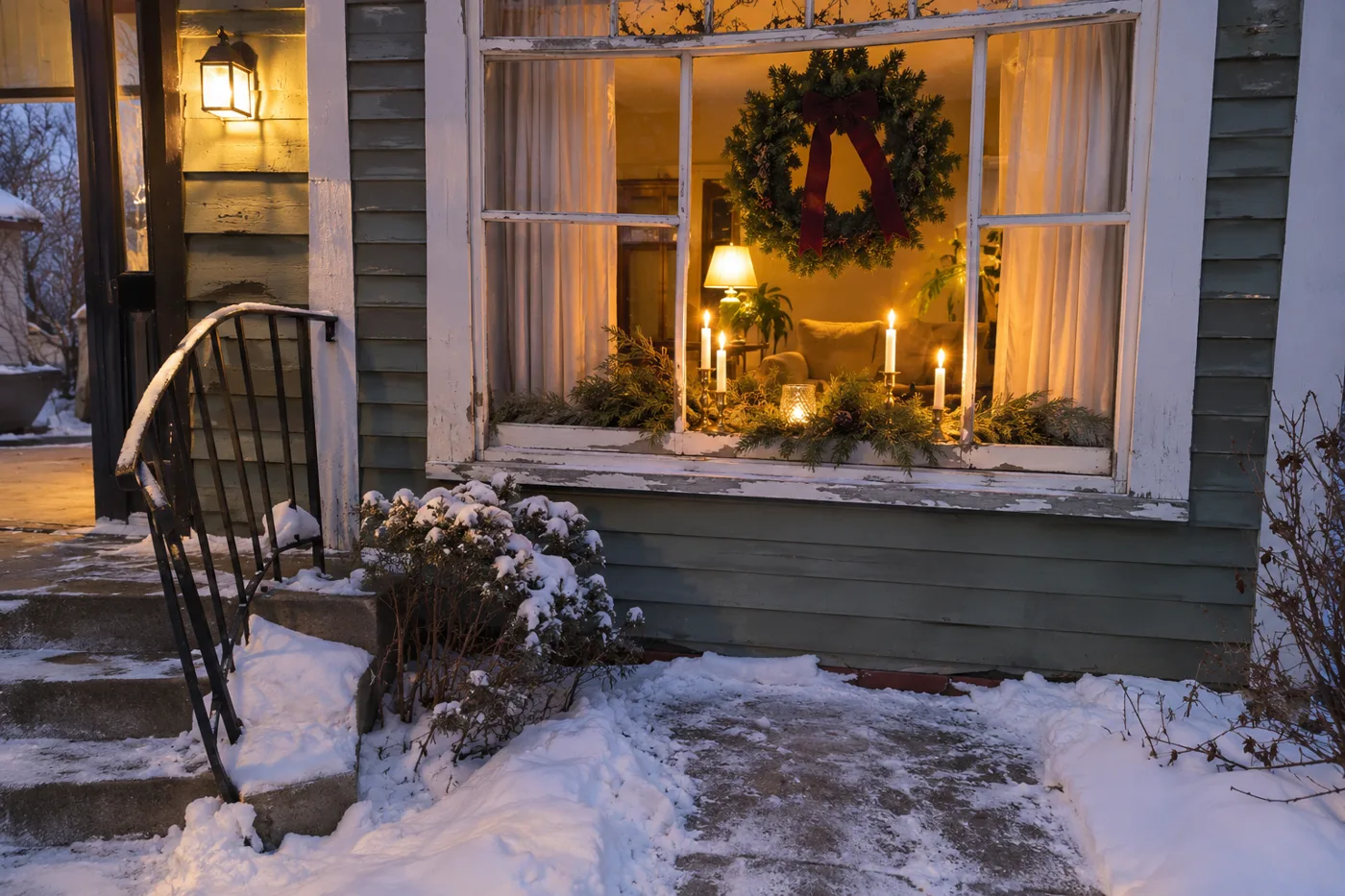
Garland swagged at the exact same height on every window. Little angels lined up on the piano. A wreath on the door nobody uses.
The people who grew up around that kind of decorating remember the effort as much as the look. One question comes up with real admiration: did she really put all that up herself?
In plenty of houses, yes. In one national survey, 43% said a single person does the actual decorating.
Kids notice whose hands did it.
#12 The music always playing in the house
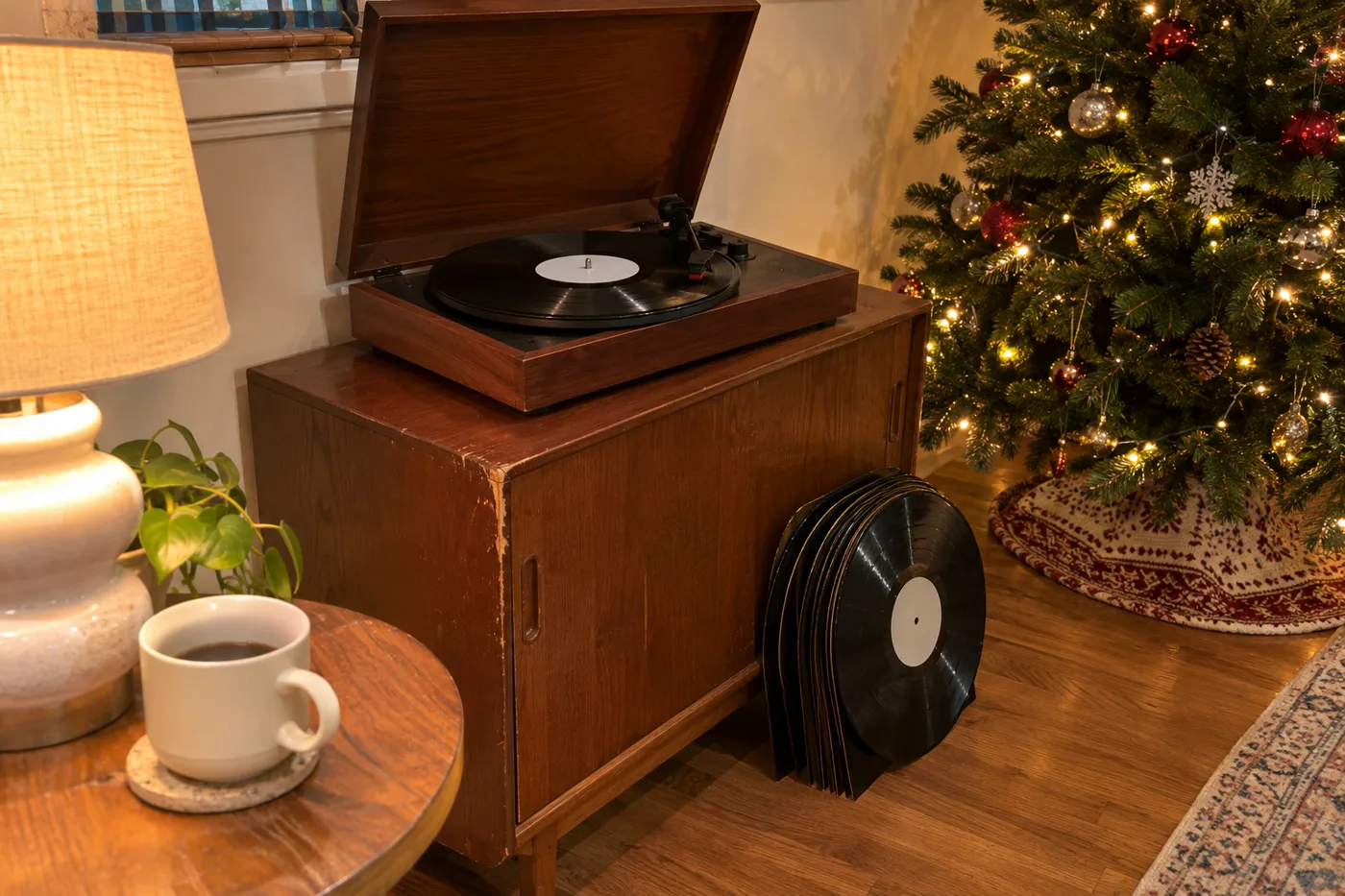
Somebody always had a record going. Bing on the hi-fi while the gravy thickened. The kitchen radio. Carols drifting in from the next room while the dishes got done.
Some of those songs have outlived everything around them. Brenda Lee recorded “Rockin’ Around the Christmas Tree” in October 1958, when she was 13, and it didn’t hit No. 1 on the Billboard Hot 100 until December 2023, sixty-five years later.
Bing Crosby’s “White Christmas” is listed as the best-selling single in the world, at an estimated 50 million-plus copies, though nobody was certifying sales back then, so the number is disputed.
Whatever plays in your house this year may still be playing in a grandchild’s head decades from now.
#11 Proof that Santa had really come
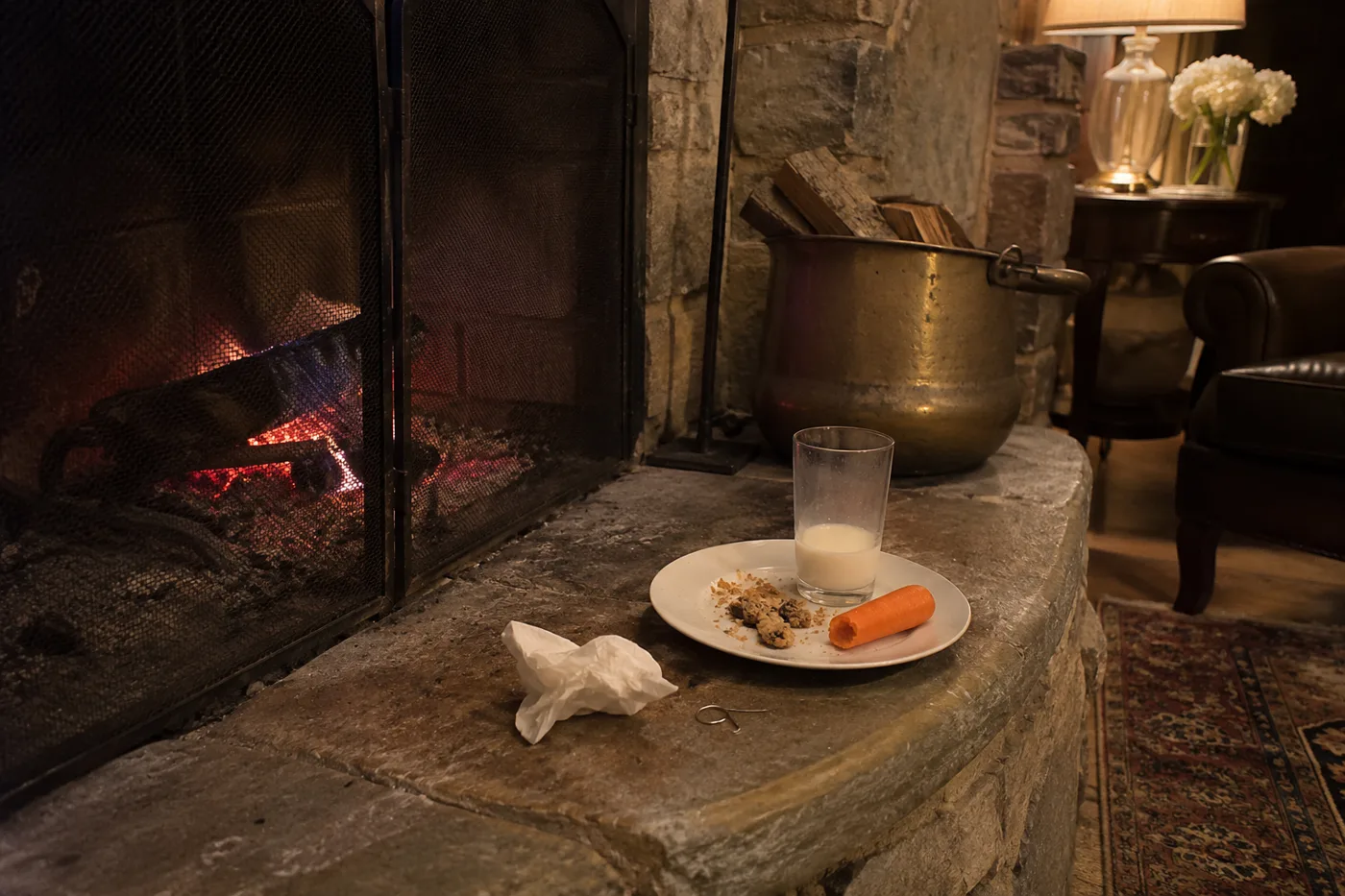
The glass of milk, half gone. Crumbs on the plate. A carrot with one bite out of it.
Many people’s favorite Christmas memory is a grown-up who went to real trouble over the evidence. Sleigh bells jingling somewhere up in the attic for a child who’d started to doubt. Crumbs left on purpose.
The milk and cookies may be younger than you’d think. One popular theory dates the habit to the Great Depression, when parents used it to teach gratitude.
The best-known Santa poem is older. A Visit from St. Nicholas first ran in a Troy, New York, newspaper on December 23, 1823, with no author’s name on it for 14 years. Read it aloud on Christmas Eve. Then go bite the carrot.
#10 Getting down on the floor to play
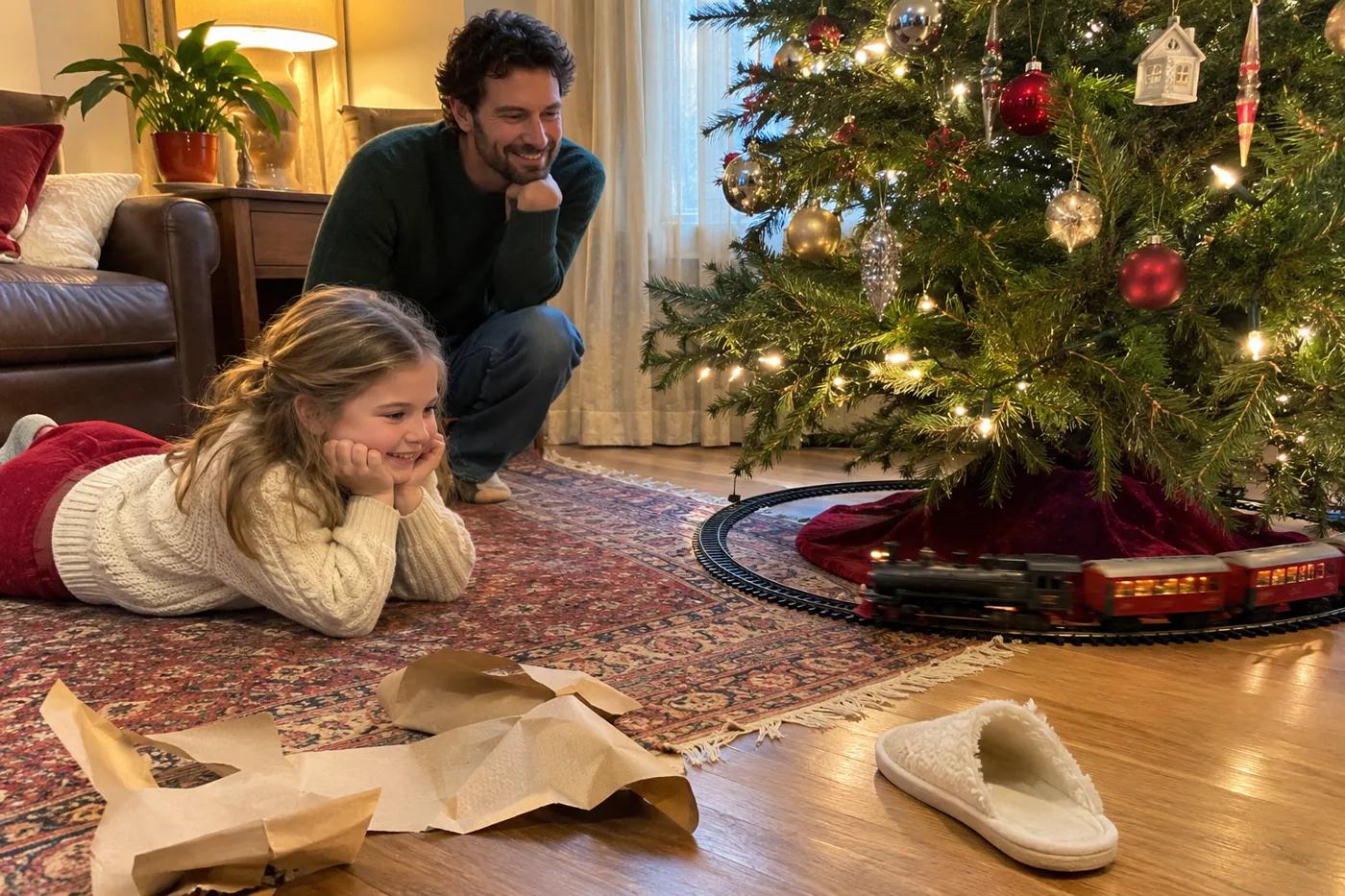
Ask people what stuck from their childhood Christmases, and you’ll hear about the grown-ups who stopped being grown-ups for an afternoon. A father on the floor playing trucks. A toy train circling the tree while the cat watched every lap. Relatives packed around a piano, singing loudly and not very well.
There’s a catch with younger kids. University of Illinois Chicago researcher Lan Nguyen Chaplin found that children from 3 to 12 got more happiness from things, while older kids got more from experiences.
Her explanation: to stay happy about an experience, a child has to remember the details.
Her fix for the little ones is simple. Take pictures or video of the game, so later there’s something to hang the memory on. Then hand the camera to somebody else and get back in.
#9 The family recipe only you make
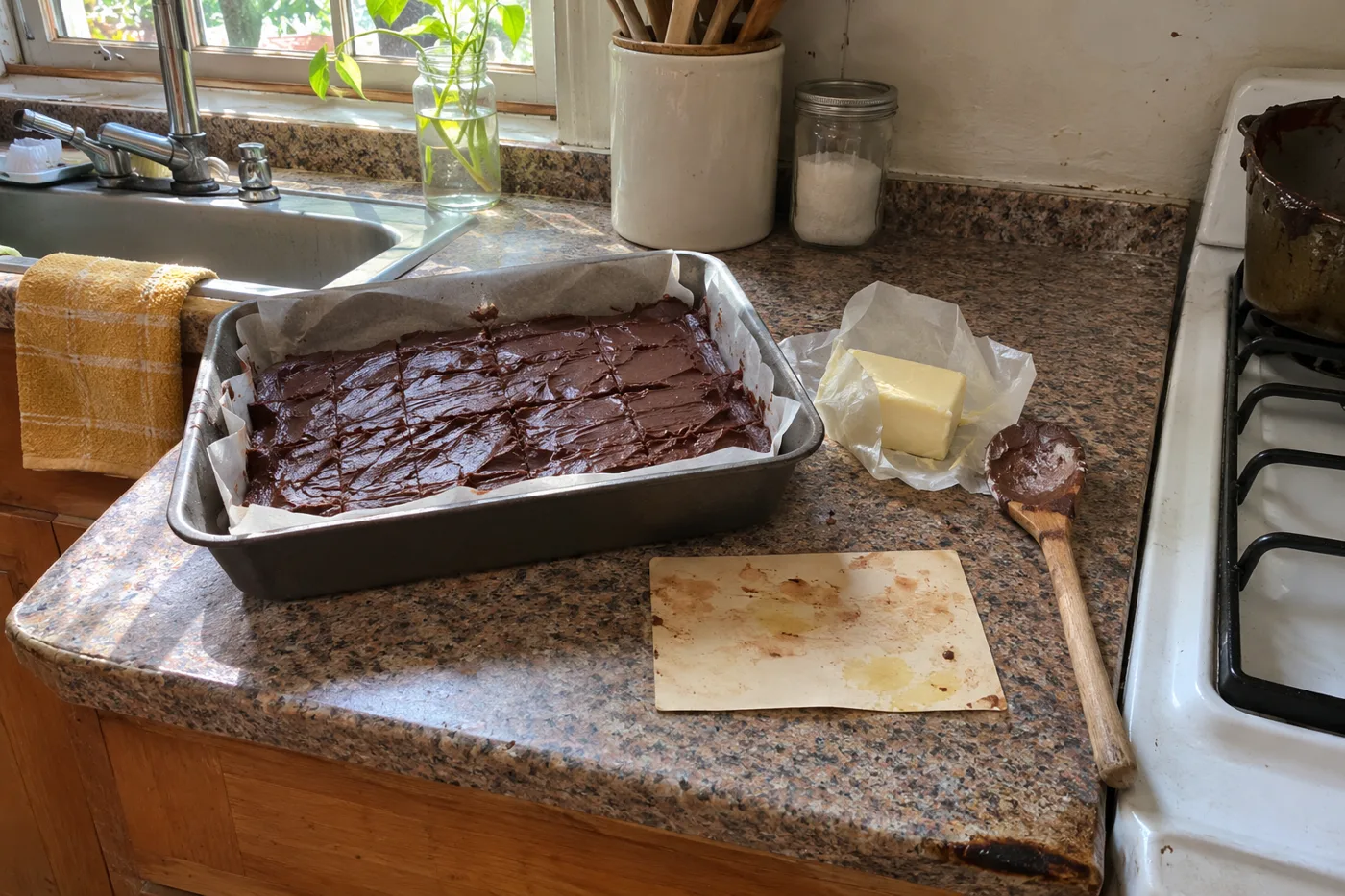
Every family has the dish that shows up only at Christmas and only from one kitchen. The fudge. The dressing. The Jell-O thing nobody can quite describe but everybody would notice was missing.
You’re in good company. In a 2023 national survey, 71% of American adults said they have a recipe handed down to them.
Copy the recipe onto a fresh card this year and tuck it in with a gift.
#8 Big old colored lights and bubble lights
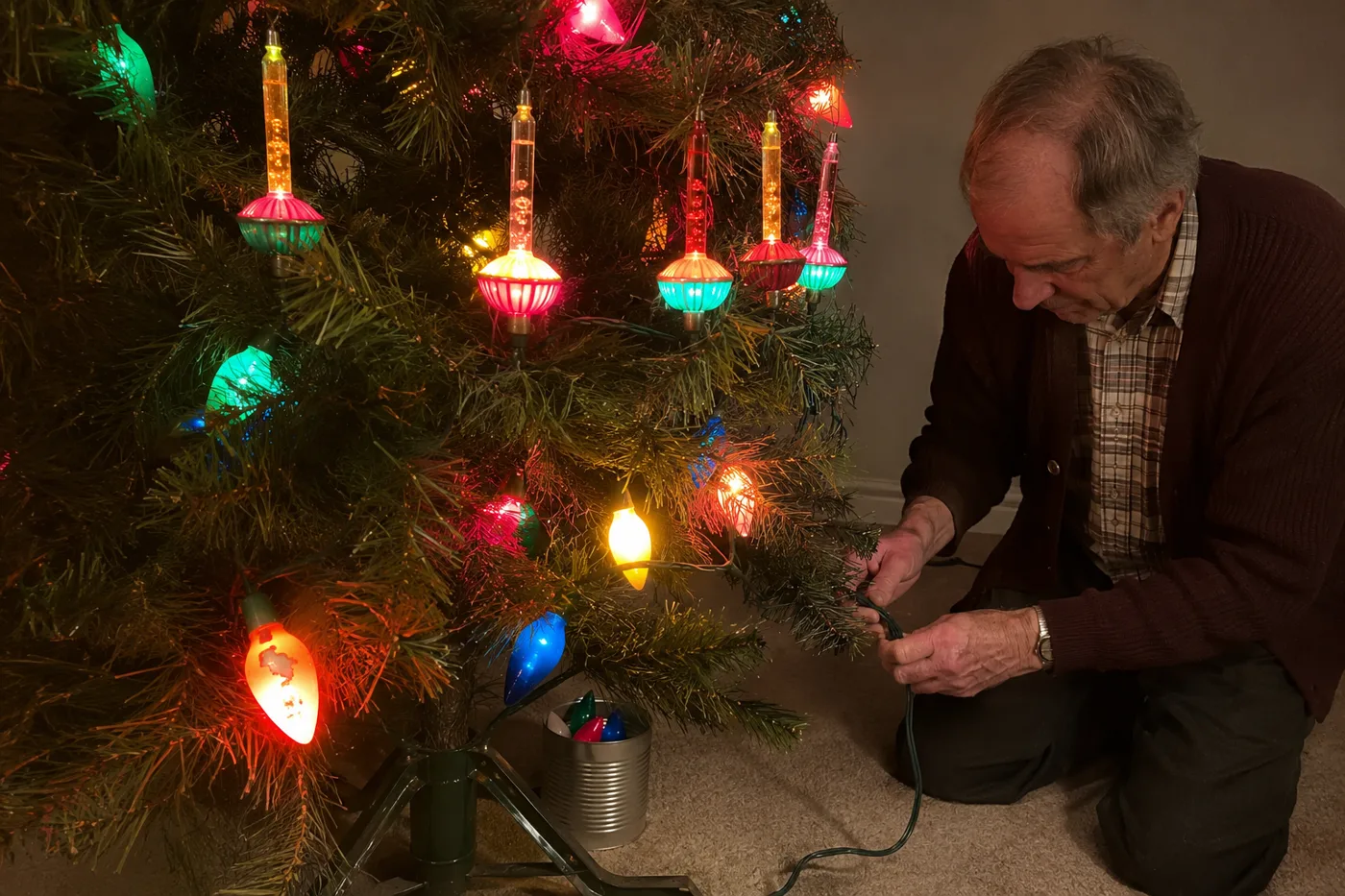
Fat colored bulbs, warm to the touch. And on the best trees, a row of bubble lights that sat there doing nothing for a few minutes, then started going like little percolators.
Bubble lights were patented in 1944 and sold starting in 1946. The trick is a liquid inside that boils at about 103°F, so the gentle heat of the bulb is enough to set it off.
The fat bulbs had another thing going for them. On early strings of small bulbs, one burned-out bulb could take the whole strand dark, and somebody had to hunt for it.
On the bigger bulbs, the rest stayed lit when one quit. In a lot of attics there’s still a coffee can of spares nobody has tested in years.
#7 A village or nativity they could arrange
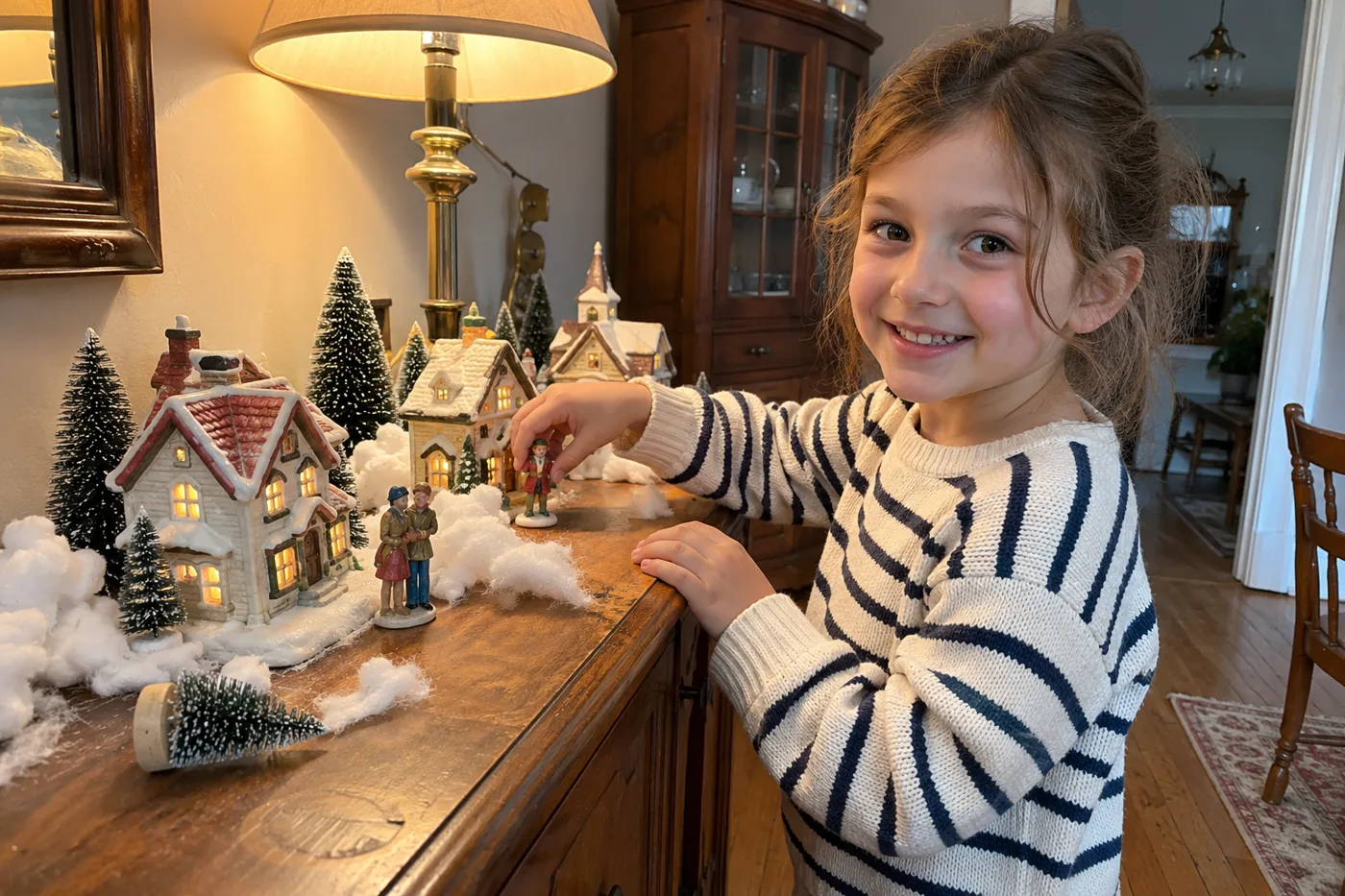
For a child, the best decoration is one they’re allowed to touch. A snowy little village on the sideboard. A nativity with a stable, a donkey and a shepherd missing one hand.
Kids rearrange these constantly. The wise men creep a bit closer every day. Somebody puts the cow on the roof.
The nativity goes back to 1223, when St. Francis staged the first one in Greccio, Italy, with real hay, a real ox and a real donkey. Christmas villages are much newer. Department 56 launched its Original Snow Village in 1976 with six ceramic houses.
Thinking of starting one? One building, one bottle-brush tree and one child in charge of where the people stand is a fine beginning.
#6 The holiday drink in the punch bowl
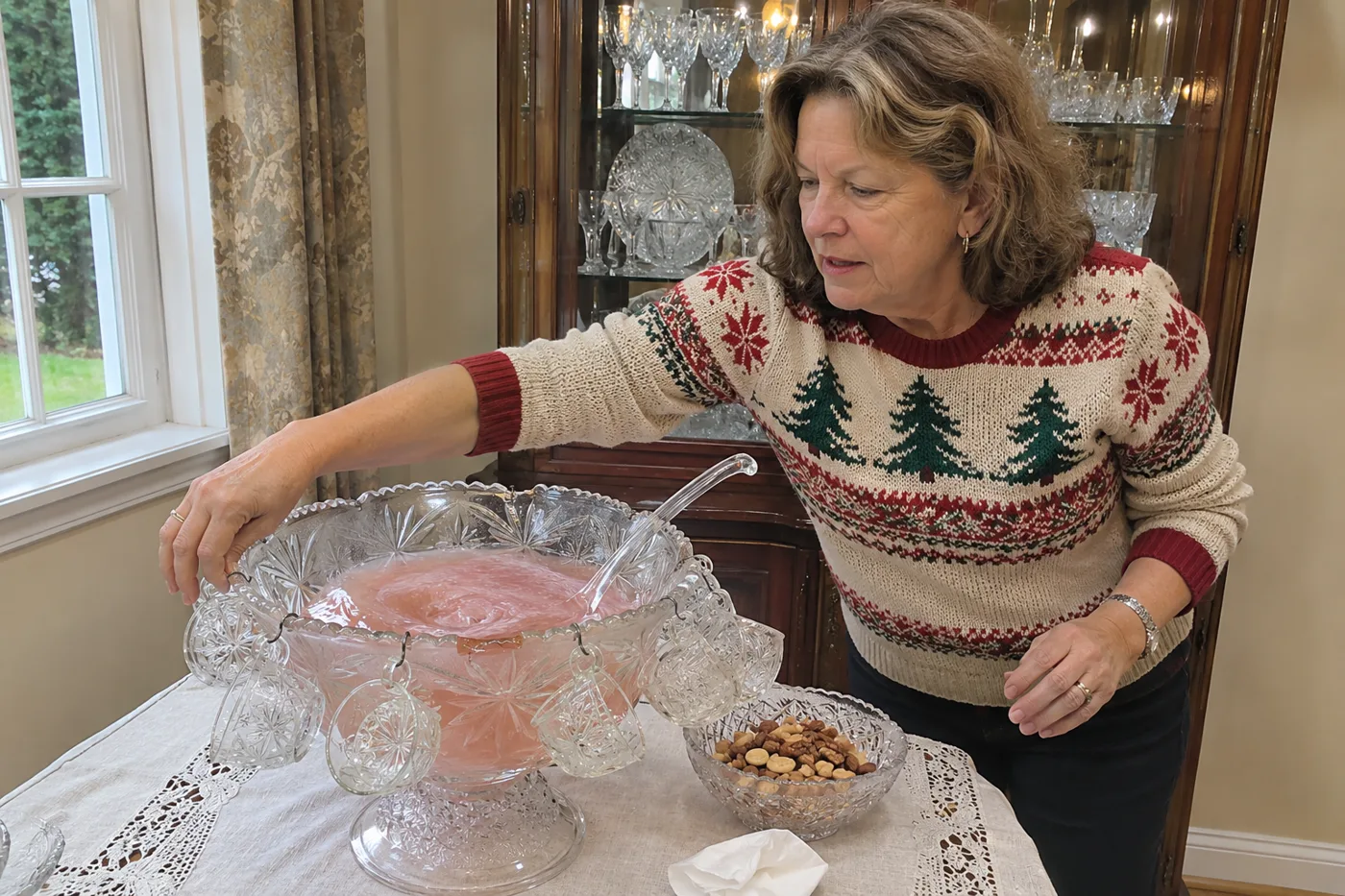
The cut-glass punch bowl with the little hooked cups. Eggnog for the grown-ups, something pink with sherbet floating in it for the kids, and in some houses, a mug of something called a Tom and Jerry.
If you grew up in the Upper Midwest, you know exactly what that is. Everyone else is about to find out.
Eggnog itself has a rowdier past than its reputation. At Christmas in 1826, West Point cadets smuggled in whiskey despite a ban, and more than a third of the cadets joined what became the Eggnog Riot. Twenty of them were put on military trial.
Something to mention the next time a relative reaches for a third cup.
What’s actually in a Tom and Jerry?
- Egg batter, brandy and rum, served hot and topped with nutmeg
- Still sold as premade batter at Christmas in Wisconsin, Minnesota, the Dakotas and Montana
#5 Games and puzzles after dinner
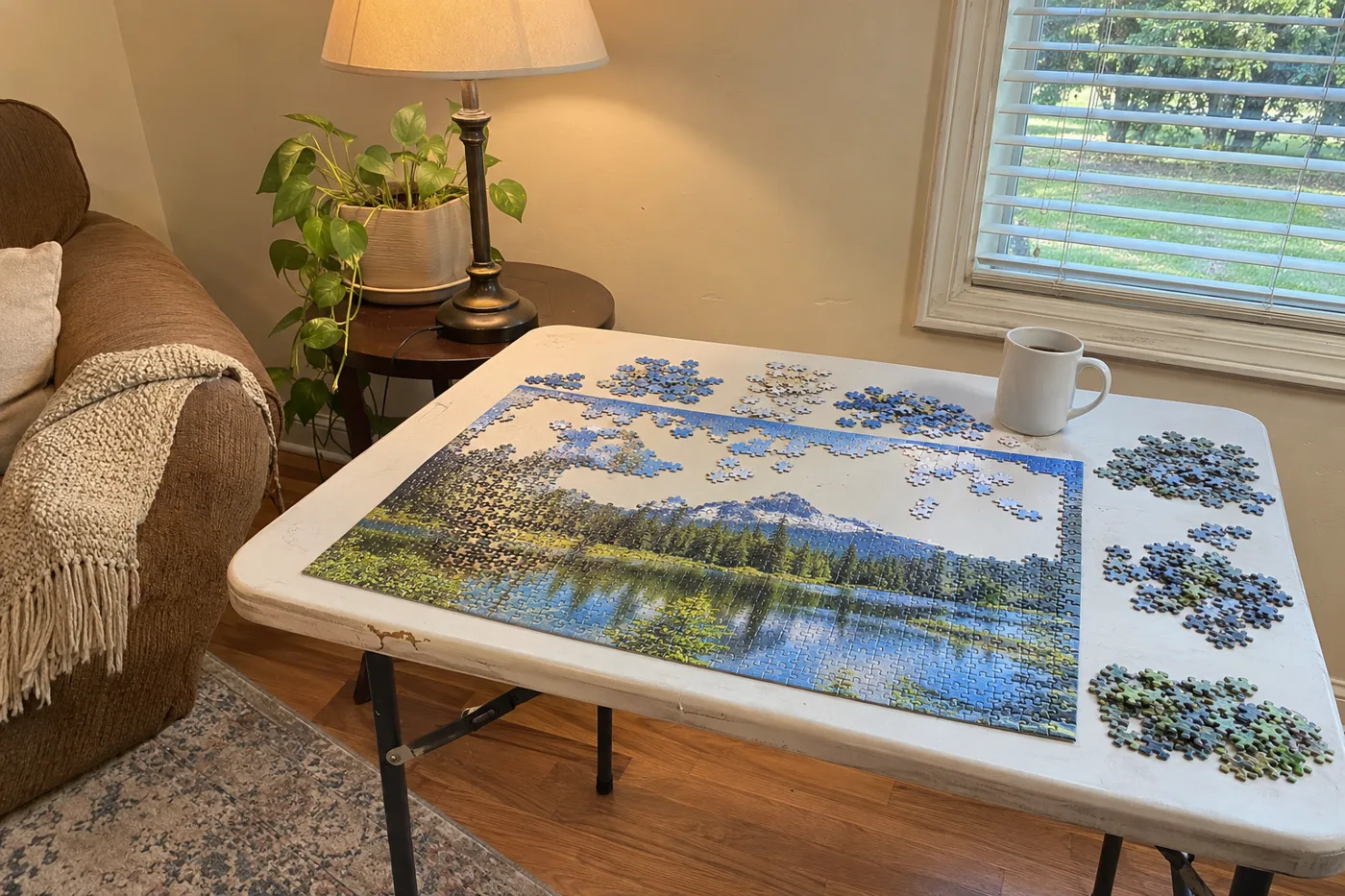
The table gets cleared, the leaf stays in, and out come the cards. Somebody cheats at Uno, and everybody knows who.
Uno started with a family squabble. A barber in Reading, Ohio, named Merle Robbins invented it in 1971 at his dining room table to settle an argument with his son over the rules of Crazy Eights.
The jigsaw puzzle began in 1766 as a school lesson: a London engraver glued a map of Europe to wood and cut it along the borders to teach geography.
Now it sits on a card table in the corner all week. Everyone who walks past stops for one piece, and somebody always pockets the last one just to watch a kid go hunting for it.
#4 Pie for breakfast and endless leftovers
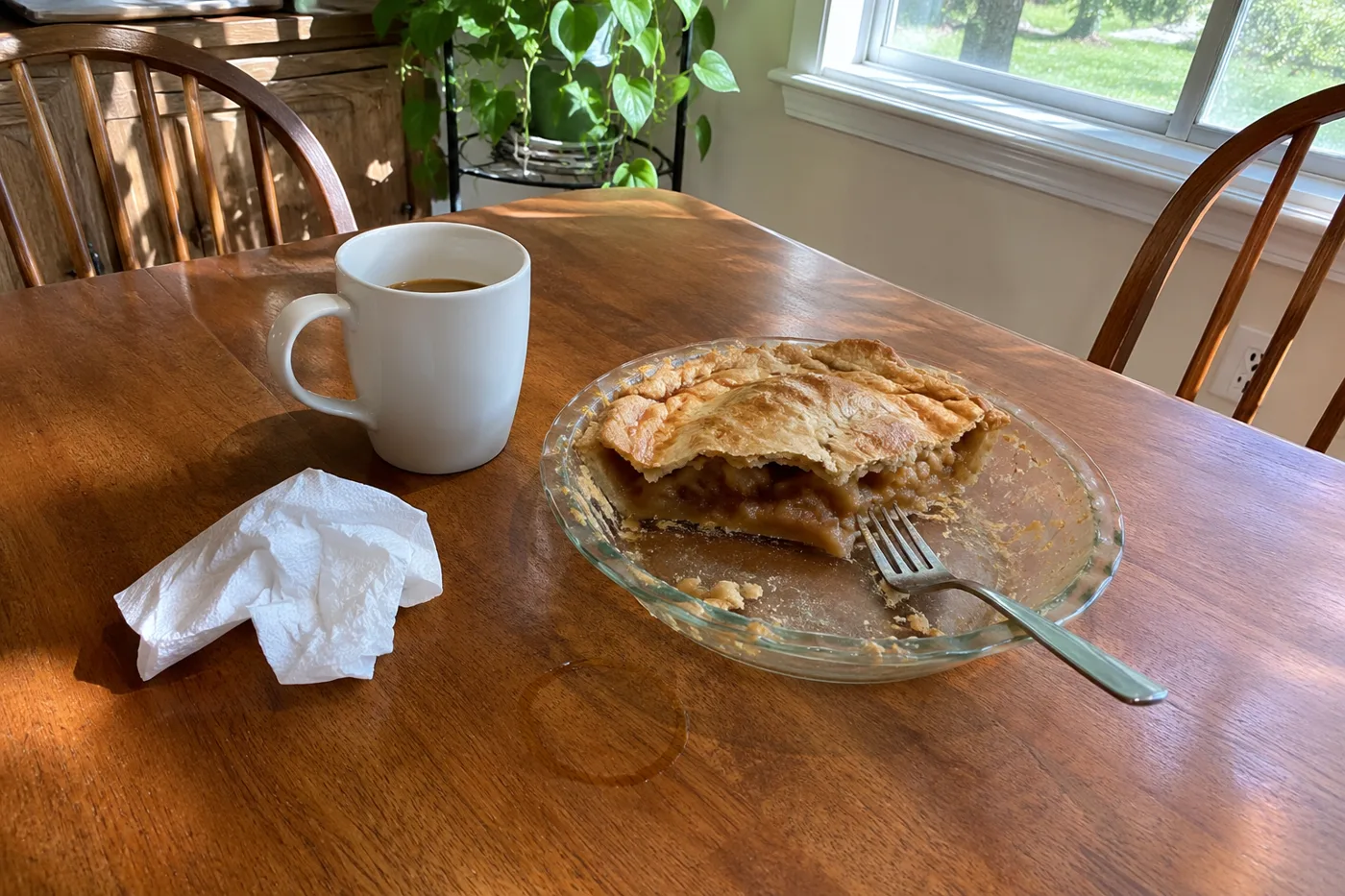
The morning after, a fork goes straight into the pie plate. No plate, no permission, no witnesses. In a lot of houses it was the one day of the year that was allowed.
Then comes the leftover parade: turkey sandwiches, ham and beans, a refrigerator so packed the door needs a hip to close it.
By the 29th, the ham has done its duty. The pie was gone days ago.
#3 Christmas Eve candlelight church service

If yours was a churchgoing family, you probably remember the dark sanctuary, the paper collar around a thin white candle, and the flame passed down the pew one wick at a time while everyone sang “Silent Night.”
That song was born on the very night it’s still sung. Joseph Mohr wrote the words, Franz Xaver Gruber wrote the music, and they first performed it on December 24, 1818, at St. Nicholas Church in Oberndorf, Austria.
Fewer families go than used to, Gallup found in 2024. The kids who do go come home with candle wax on their mittens.
#2 Their photos and videos of you
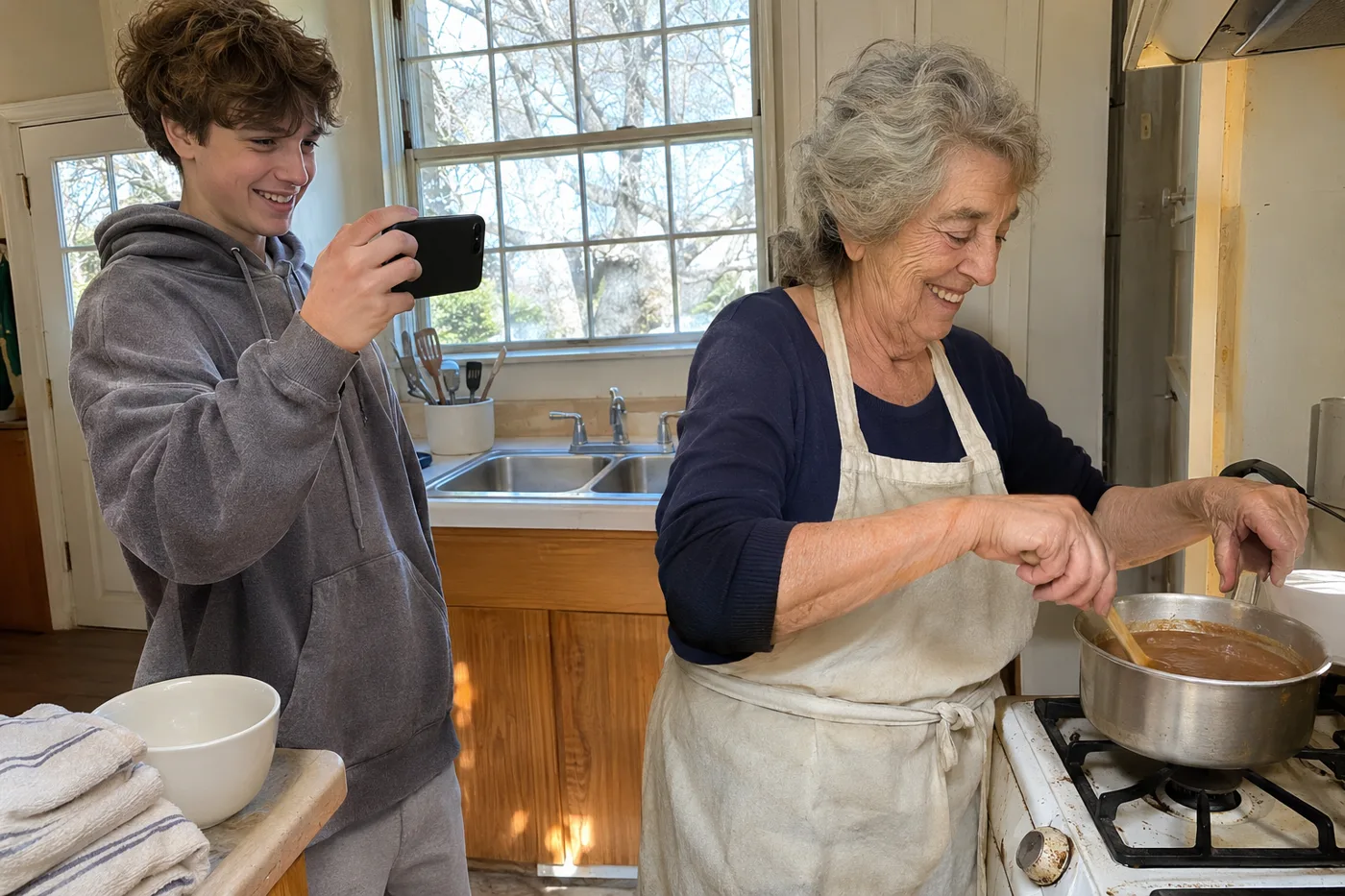
The older kids at your table have phones, and they point them at everything. Including you, stirring the gravy, in the sweater you never meant to be photographed in.
Let them. Clips from a grandmother’s last Christmas are what some families treasure most now. Others wish they’d thought to film one.
The old tapes in the closet deserve the same care. The Library of Congress suggests keeping at least two copies of important family videos in different places.
FamilySearch adds one more thing: label everything, so nobody throws out the only recording of great-grandma by mistake. A marker and a roll of tape will handle the labels in an afternoon.
#1 That your house was where everyone gathered
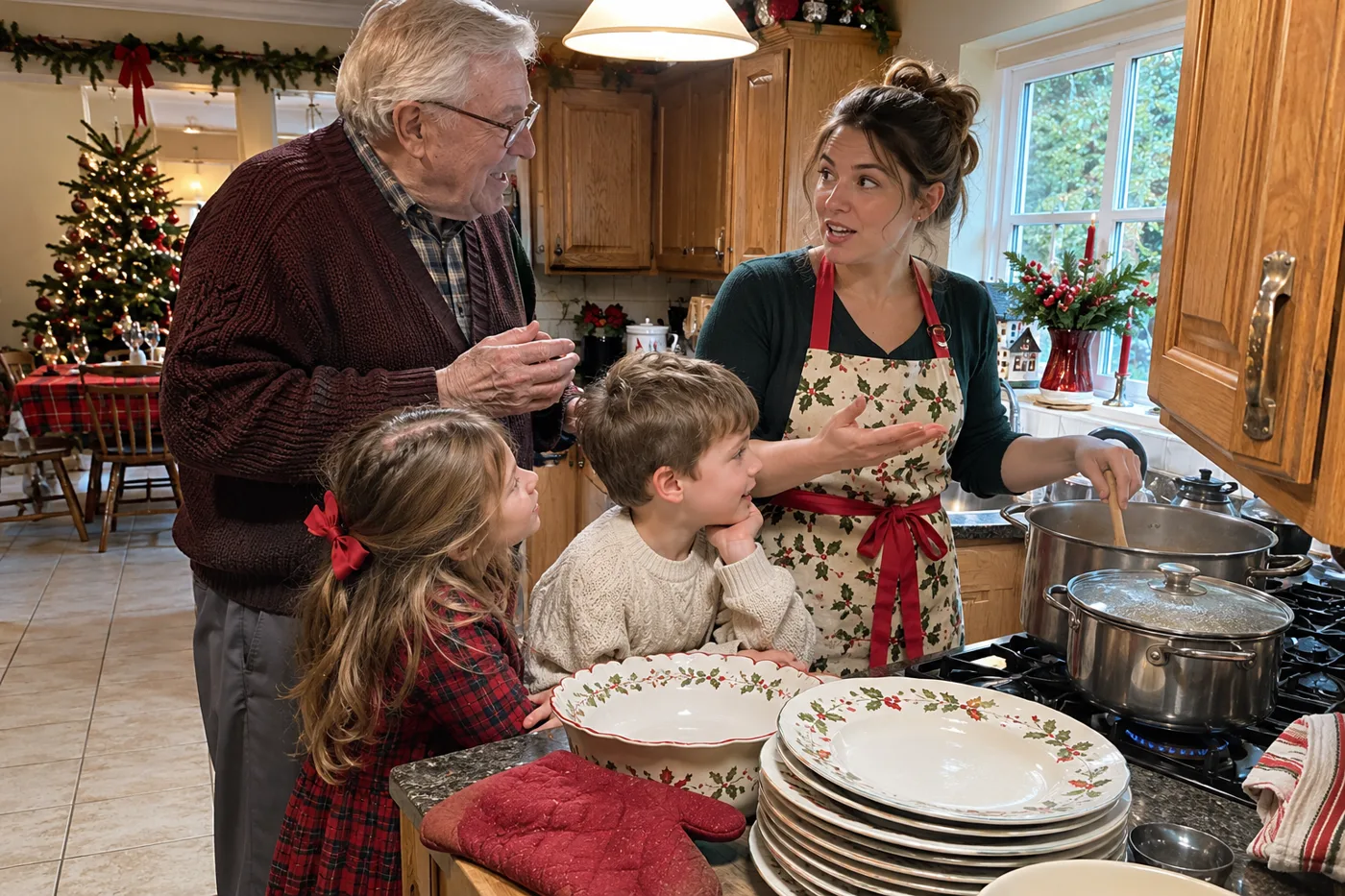
The door that opened before you knocked. The noise. Twelve people in a kitchen built for four, every one of them in somebody’s way.
People will tell you flat out they’d give anything for one more Christmas at grandma’s.
Many say the gatherings simply stopped when the grandparents died. Cousins drifted. Nobody else’s house ever pulled everyone in quite the same way. What they miss most is the place that made it all happen in one room, more than any single dish or decoration.
The coats on the bed, the stuck candy, the racket in the kitchen: someday someone will describe all of it to a child of their own. It’ll start with walking in your front door.
The bottom line
Nobody gets to choose which piece of Christmas a child keeps. You can only make sure there’s plenty lying around for them to pick up.
Here’s a question worth an evening this December: what do you still carry from a house you visited as a child, and is there anything in your house quietly doing that same job? If the answer is a candy dish, go fill it.
Bonus: Five small things that cost nothing and last
- Save one gift tag every year in an envelope marked with the year, and hand the envelope over someday.
- Tape a note inside the lid of the ornament box saying where the oldest pieces came from.
- Hand one job you always do, like the star or the gravy, to someone new, and stay in the room while they do it.
- Keep one small thing at child height in the same spot every year, so the youngest guest can find it without asking.
- Sit at the kids’ table for dessert one year. They’ll still be talking about it at Easter.
Questions people also ask
When did lead tinsel get taken off the market?
U.S. makers voluntarily stopped producing lead-foil tinsel by January 1, 1972. That followed an August 1971 decision by the Food and Drug Administration that lead tinsel was an unnecessary risk to children. Tinsel sold today is plastic, which is why it’s so much lighter.
How can I preserve old home videos of my family?
Keep at least two copies of important family videos on different kinds of storage, kept in different places. The Library of Congress suggests checking them every year and moving them to newer storage every five years. It also helps to turn old tapes into digital files before the machines that play them disappear, and to label everything clearly.
What is a Tom and Jerry drink?
It’s a hot, eggnog-style drink, best known in the Upper Midwest. It’s sometimes credited to British writer Pierce Egan in the 1820s.
When did Christmas villages start?
Department 56’s ceramic Snow Village goes back to 1976, which makes it a newcomer. Nativity scenes are more than 700 years older.
Related posts:
27 Things in Your Home Right Now That Should Have Been Thrown Out
26 Christmas Cookies From the 1960s That Nobody Bakes Anymore
21 Holiday Party Foods From the 1970s That Would Horrify Guests Today
19 Holiday Traditions Women Over 60 Have Quietly Stopped Doing
21 Handmade Gifts From the 1970s Your Grandchildren Have Never Seen
17 Things in Your Mother's Sewing Box Worth Keeping

- 24 Things People Over 60 Still Do When Cleaning That Experts Beg Them to Stop - November 6, 2026
- 21 Handmade Gifts From the 1970s Your Grandchildren Have Never Seen - November 6, 2026
- 25 Homemade Christmas Decorations From the 1960s, and What Became of Each One - November 6, 2026

Leave a Reply